How to Manage Skin Dryness During Perimenopause: Skincare Tips

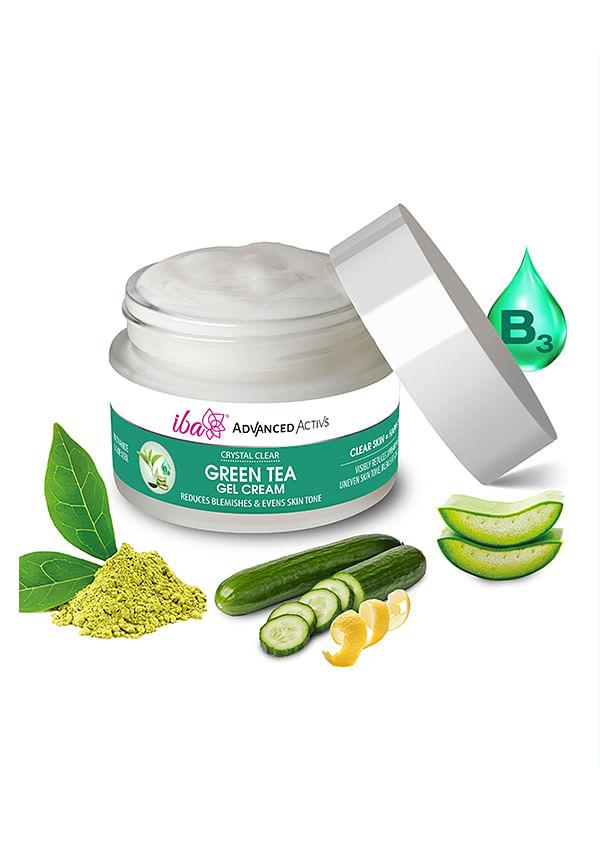
Advanced Activs Crystal Clear Green Tea Gel Cream with Niacinamide
Positive Product Feedback
 5
5“will order again thank you for this product”
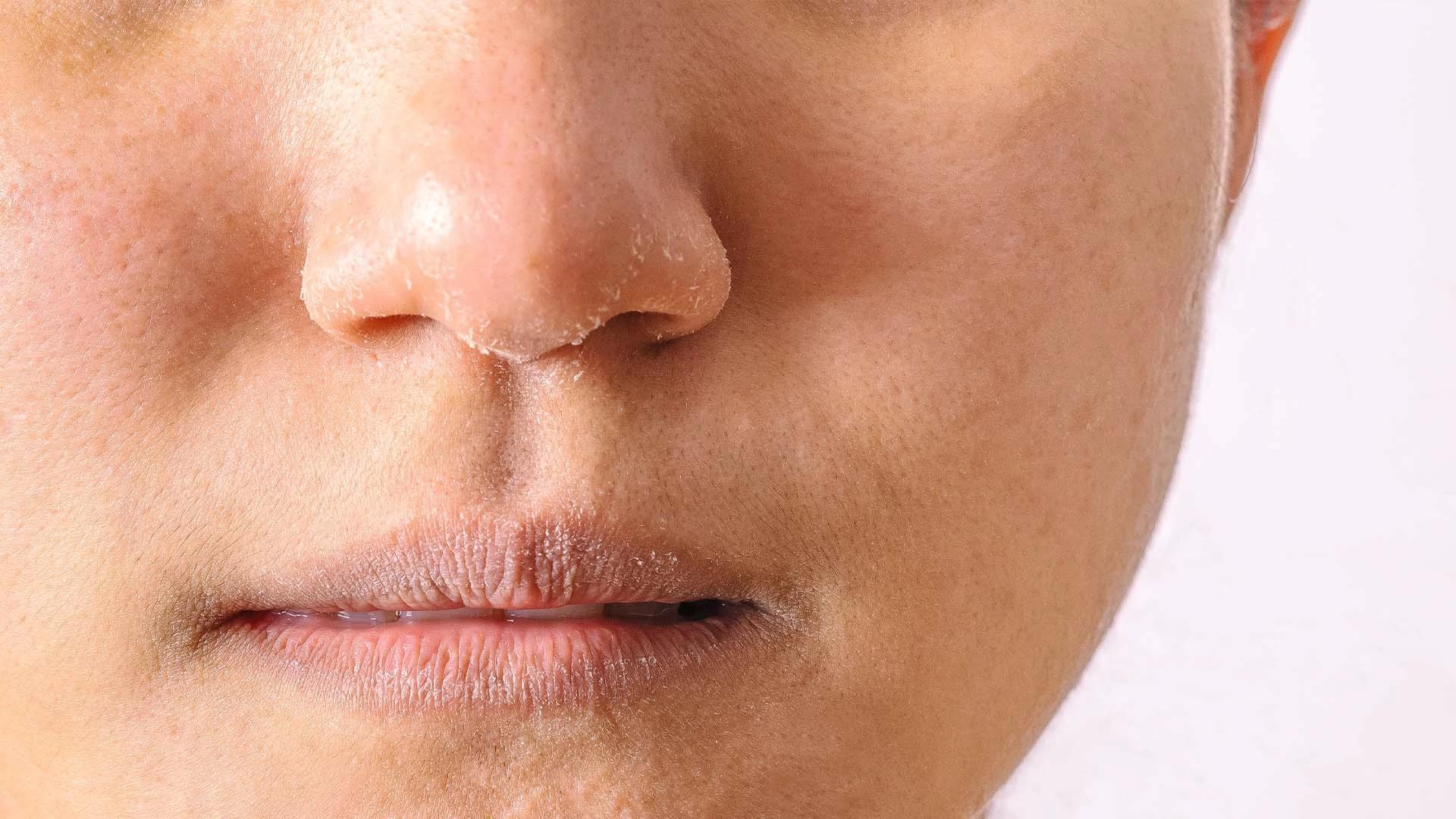
Perimenopause brings a whirlwind of changes, and your skin often bears the brunt of hormonal fluctuations. If you've noticed your once-balanced complexion becoming increasingly dry, tight, or sensitive, you're not alone. The decline in estrogen during this transitional phase significantly impacts your skin's ability to retain moisture, leading to dryness that can feel overwhelming. Understanding these changes is the first step towards managing them effectively. With the right peri-menopause skincare tips for dryness, you can restore comfort and hydration to your skin. Smytten's extensive collection of moisturisers and hydrating treatments from trusted brands makes it easier than ever to find products that work specifically for your changing skin needs. Let's explore how hormonal shifts affect your skin and discover practical solutions that truly make a difference.
TL;DR
Estrogen decline during perimenopause reduces collagen production by 25% in the first five years, leading to compromised skin barrier function and increased dryness
Essential skincare adjustments include switching to cream-based cleansers, applying moisturiser to damp skin within three minutes, and incorporating hydrating ingredients like hyaluronic acid and ceramides
A strategic morning and evening routine featuring gentle cleansing, hydrating serums, and rich moisturisers can significantly improve skin hydration levels
Lifestyle factors such as proper hydration, humidity control, and stress management play crucial roles in managing perimenopausal skin dryness
Professional consultation may be necessary for severe dryness or when over-the-counter products fail to provide adequate relief
The journey through perimenopause brings profound changes to your skin's structure and function. As hormone levels fluctuate, particularly estrogen, your skin undergoes significant transformations that directly impact its ability to maintain moisture. These perimenopause skin changes aren't just cosmetic concerns—they represent fundamental shifts in how your skin operates.
Estrogen plays a vital role in maintaining skin health, and its decline during perimenopause creates a cascade of effects. Research shows that collagen production decreases by approximately 25% in the first five years of menopause, directly impacting skin thickness and elasticity. This reduction affects your skin's structural integrity and its ability to hold water effectively.
The sebaceous glands, which produce natural oils that keep skin supple, also respond to hormonal changes. Reduced sebum production means less natural protection for your skin barrier, leading to increased water loss and that persistent feeling of tightness many women experience. Additionally, the skin's natural exfoliation process slows down, causing dead skin cells to accumulate and further compromise the barrier function.
Understanding when these changes typically occur can help you prepare and adjust your skincare routine accordingly. Early perimenopause, often beginning in the 40s, may present subtle signs of dryness that many women initially attribute to environmental factors or stress.
As you progress into late perimenopause, the acceleration of moisture loss becomes more pronounced. This is when many women notice their previously effective moisturisers no longer provide adequate hydration. Post-menopause represents the peak period for dryness concerns, as estrogen levels stabilise at their lowest point, requiring more intensive hydration strategies.
While dryness is often the most noticeable change, perimenopause affects skin in multiple ways. Thinning skin becomes more sensitive to environmental irritants and skincare products that previously caused no issues. The loss of elasticity and firmness becomes more apparent, particularly around the eyes and mouth.
Increased inflammation and irritation are also common, making it essential to choose gentle, fragrance-free products. These changes often occur simultaneously with dryness, creating a complex set of skin concerns that require a thoughtful, multi-faceted approach to skincare.
Managing skin dryness during perimenopause requires a strategic approach that addresses both immediate comfort and long-term skin health. The key lies in understanding that your skin's needs have fundamentally changed, requiring adjustments to both products and application techniques.
Gentle Cleansing Protocol: The foundation of effective dryness management begins with how you cleanse your skin. Cream-based cleansers are significantly gentler than foaming formulas, which can strip away essential oils your skin desperately needs to retain. Look for cleansers that contain moisturising ingredients like ceramides or glycerin.
Water temperature plays a crucial role in maintaining skin hydration. Lukewarm water is ideal—hot water can further compromise your skin barrier and exacerbate dryness. Consider reducing cleansing frequency to once daily in the evening, allowing your skin's natural oils to accumulate during the day for better protection.
Strategic Moisturising Approach: The timing of moisturiser application is as important as the product itself. Apply moisturiser to slightly damp skin within three minutes of cleansing to trap water in the skin. This technique, known as wet skin moisturising, can significantly improve hydration levels.
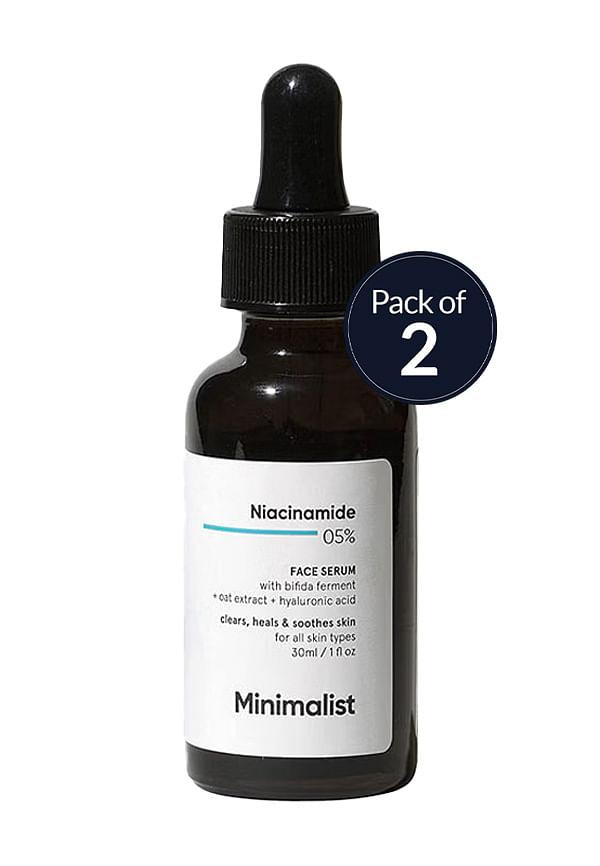
5% Niacinamide Face Serum For Glowing & Clear Skin With 1% Hyaluronic Acid
Nice Product, Good Results
5“Nice Product, must buy , good Results after 90 Days.”
Nice Product, Good Results
5“Nice Product, must buy , good Results after 90 Days.”
Nice Product, Good Results
5“Nice Product, must buy , good Results after 90 Days.”
Layering techniques can maximise hydration benefits. Start with a hydrating serum containing hyaluronic acid, followed by a moisturiser appropriate for your skin's current needs. Day and night moisturisers serve different purposes—lighter formulations with SPF for daytime protection, and richer, more intensive formulas for overnight repair.
Environmental Protection Strategy: Your environment significantly impacts skin hydration levels. Maintaining indoor humidity between 40-60% can help prevent excessive moisture loss, particularly during winter months when heating systems dry the air. Consider using a humidifier in your bedroom for overnight skin recovery.
Sun protection becomes even more critical as skin thins and becomes more vulnerable to UV damage. Choose broad-spectrum SPF 30 or higher, and reapply throughout the day. Seasonal adjustments to your routine ensure your skin receives appropriate care year-round.
Understanding which ingredients effectively address perimenopausal skin concerns helps you make informed product choices. These powerhouse ingredients work synergistically to restore and maintain skin hydration.
Hyaluronic Acid stands out as one of the most effective hydrating ingredients, capable of holding up to 1,000 times its weight in water. This ingredient works by drawing moisture from the environment and deeper skin layers to the surface, providing immediate plumping effects and long-term hydration benefits.
Ceramides are essential for restoring compromised skin barrier function. These lipid molecules naturally occur in healthy skin but decrease with age and hormonal changes. Topical ceramides help rebuild the skin's protective barrier, reducing water loss and improving overall skin comfort.
Niacinamide offers multiple benefits for perimenopausal skin, including reducing inflammation, improving skin texture, and supporting barrier function. This form of vitamin B3 is well-tolerated by sensitive skin and can help address multiple concerns simultaneously.
Peptides support collagen production, helping to counteract some of the structural changes occurring during perimenopause. While they won't completely reverse collagen loss, they can help maintain skin firmness and elasticity when used consistently.
As your skin becomes more sensitive, certain ingredients that previously caused no issues may now trigger irritation. Harsh sulfates in cleansers can strip away essential oils, worsening dryness. Alcohol-based toners and products can be particularly drying and should be avoided.
Over-exfoliation with strong acids can compromise an already weakened skin barrier. While gentle exfoliation can be beneficial, limit use to once or twice weekly with mild formulations. Fragrances and unnecessary additives can trigger sensitivity reactions in increasingly reactive perimenopausal skin.
Developing a consistent skincare routine tailored to perimenopausal skin needs provides the structure necessary for managing dryness effectively. Your routine should be simple enough to maintain consistently while comprehensive enough to address your skin's changing requirements.
Start your day with gentle care that prepares your skin for environmental challenges. If your skin feels comfortable, consider skipping morning cleansing and simply rinsing with lukewarm water. This preserves the natural oils that accumulated overnight.
Apply a hydrating serum while your skin is still slightly damp from rinsing. Follow with a moisturiser that contains SPF 30 or higher for comprehensive protection. Don't forget the delicate eye area—use a dedicated eye cream to address the thinner skin around your eyes that's particularly prone to dryness.
Evening routines focus on repair and intensive hydration. Use an oil-based or cream cleanser to remove the day's accumulation of pollutants and sunscreen without stripping your skin. This is the time for treatment serums containing ingredients like retinol or peptides, but introduce these gradually and only 2-3 times weekly initially.
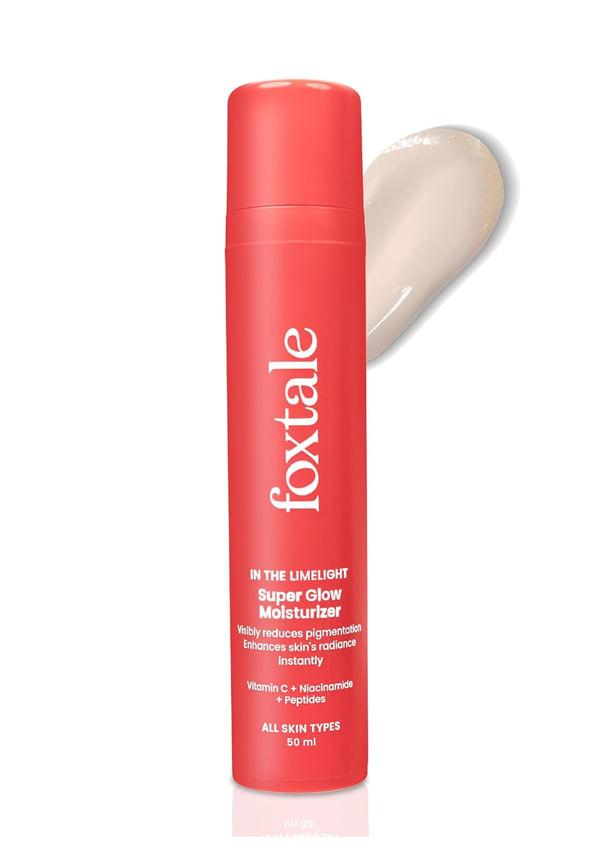
Vitamin C Super Glow Moisturizer with Niacinamide
Product is super fast
5“i love the product. it is super fast”
Awesome Super Glow with Smooth Texture
5“Awesome and super glow with smooth texture”
Awesome Super Glow with Smooth Texture
5“Awesome and super glow with smooth texture”
Apply a rich night moisturiser that's more intensive than your daytime formula. Consider adding a facial oil as a final sealing step if your skin is particularly dry. This creates an occlusive layer that prevents overnight water loss while you sleep.
Supplement your daily routine with weekly treatments that provide extra hydration and gentle renewal. Hydrating masks used twice weekly can provide an intensive moisture boost. Look for masks containing hyaluronic acid, ceramides, or natural humectants.
Gentle exfoliation once weekly maximum helps remove dead skin cells that can prevent moisturisers from penetrating effectively. Choose mild chemical exfoliants over physical scrubs, which can be too harsh for sensitive perimenopausal skin. Time any professional treatments carefully, avoiding periods when your skin feels particularly sensitive.
Product | Skin Type | Key Ingredients | Price Range | Best For |
|---|---|---|---|---|
Cetaphil Daily Advance Ultra Hydrating Lotion | Very dry, sensitive | ERC-5 complex, fragrance-free | Budget-friendly | 48-hour hydration, barrier repair |
Vaseline Cocoa Glow Lotion | Dry to very dry | Pure Cocoa Butter, Shea Butter | Premium | Deep nourishment, visible glow |
Dot & Key Barrier Repair Hyaluronic Body Lotion | All skin types | Hyaluronic Acid, 5 Essential Ceramides, Probiotics | Mid-range | Comprehensive barrier repair |
Plum BodyLovin' Marshmallow Melt Body Lotion | Dry skin | Shea Butter, Vitamin B5 | Mid-range | Intense nourishment, fast absorption |
Minimalist 5% Niacinamide Body Lotion | All skin types | Niacinamide 5%, Shea Butter, Glycerin | Budget-friendly | Skin tone improvement, disclosed concentrations |
While topical skincare forms the foundation of dryness management, lifestyle factors play an equally important role in maintaining skin hydration. These holistic approaches support your skincare routine and can significantly improve overall skin comfort.
Internal hydration directly impacts skin moisture levels. Aim for 8-10 glasses of water daily, adjusting for activity level and climate. However, hydration isn't just about water—the foods you eat provide essential nutrients for skin health.
Omega-3 fatty acids found in fish, walnuts, and flaxseeds support skin barrier function and reduce inflammation. Antioxidant-rich foods like berries, leafy greens, and colorful vegetables protect against oxidative stress that can worsen skin aging and dryness.
Simple changes to daily habits can significantly impact skin hydration. Limit shower and bath time to 5-10 minutes using lukewarm water. Immediately apply moisturiser while skin is still damp to lock in hydration.
Optimise your bedroom environment for skin recovery. Maintain humidity levels between 40-60% and consider using a humidifier during dry seasons. Stress management is crucial, as chronic stress can worsen hormonal fluctuations and skin sensitivity. Regular exercise, adequate sleep, and relaxation techniques all contribute to better skin health.
While many perimenopausal skin changes can be managed with appropriate skincare and lifestyle modifications, certain situations warrant professional consultation. Recognising when to seek help ensures you receive appropriate treatment for more complex concerns.
Severe dryness that doesn't respond to consistent moisturising efforts may indicate underlying skin conditions that require medical treatment. If your skin becomes so dry that it cracks, bleeds, or develops persistent irritation, professional evaluation is necessary.
Any new skin spots, changes in existing moles, or unusual growths should be examined promptly. Perimenopausal skin changes can sometimes mask other skin conditions that require medical attention. Persistent inflammatory conditions like eczema or dermatitis may develop or worsen during perimenopause.
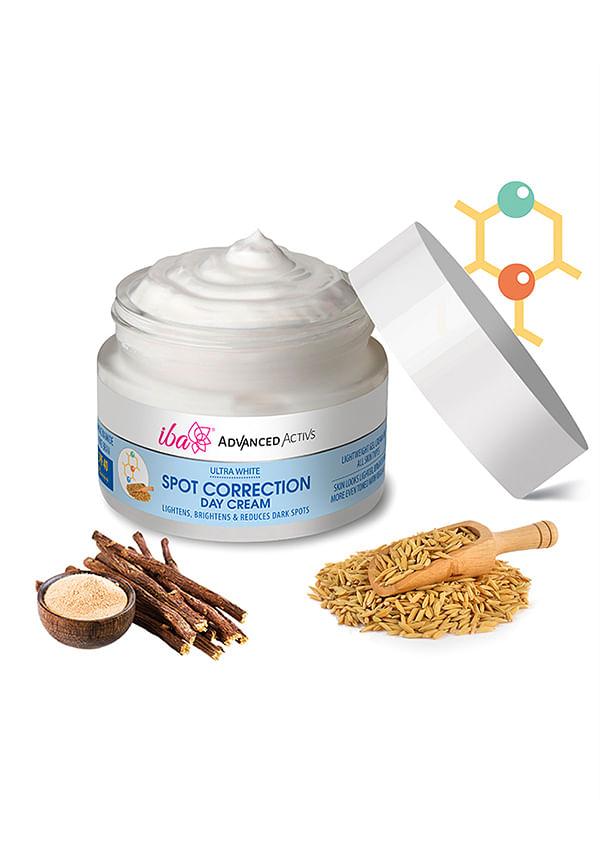
Advanced Activs Ultra White Spot Correction Day Cream with Niacinamide
Dermatologists can prescribe stronger moisturisers and barrier repair creams that aren't available over-the-counter. These medical-grade formulations often contain higher concentrations of active ingredients or unique combinations that provide superior hydration.
Hormone replacement therapy may be considered for women experiencing severe skin changes alongside other menopausal symptoms. This decision requires careful consultation with healthcare providers to weigh benefits and risks. In-office treatments like hydrating facials, gentle chemical peels, or professional moisturising treatments can provide intensive hydration and skin barrier repair.
Most women notice initial improvement within 2-4 weeks of consistent skincare routine changes. However, significant barrier repair and long-term hydration improvements typically take 6-8 weeks of dedicated care. Patience and consistency are key to achieving lasting results.
While you can use the same base moisturiser, seasonal adjustments often improve results. Winter may require richer formulations or additional facial oils, while summer might call for lighter textures. Many women on Smytten find success by trialing different formulations seasonally to determine what works best for their changing needs.
Not necessarily. While you should introduce actives more gradually and use them less frequently, ingredients like niacinamide and gentle peptides can actually help improve skin barrier function. Start with lower concentrations and patch test new products before full application.
Absolutely. Hormonal changes alter your skin's structure and needs, making previously effective products insufficient. This is why many women need to completely reassess their skincare routine during this transition. Trial-sized products can help you test new formulations without committing to full sizes.
Perimenopausal dryness typically develops gradually alongside other hormonal symptoms and affects areas that weren't previously dry. If dryness appears suddenly, is localised to specific areas, or is accompanied by unusual symptoms, consult a dermatologist to rule out other conditions.
Managing skin dryness during perimenopause requires understanding that your skin's fundamental needs have changed. The decline in estrogen affects every aspect of skin function, from collagen production to barrier integrity. Success comes from adapting your routine to support these changes rather than fighting against them.
Focus on gentle, hydrating ingredients like hyaluronic acid, ceramides, and niacinamide while avoiding harsh cleansers and over-exfoliation. Consistency in your routine, combined with lifestyle modifications like proper hydration and environmental controls, provides the best foundation for managing dryness.
Remember that this is a gradual process requiring patience and experimentation. What works for one woman may not work for another, making it important to listen to your skin and adjust accordingly. Professional guidance can be invaluable when over-the-counter solutions aren't sufficient.
Navigating perimenopausal skin changes doesn't have to be overwhelming when you have access to the right products and information. Smytten is India's largest product discovery and trial platform, connecting consumers with top lifestyle, beauty, wellness, and grooming brands. At its core, Smytten offers curated trial packs - mini-sized products from over 2,400 trusted brands such as Cetaphil, Dot & Key, Vaseline, Palmer's, and Plum. This lets users explore and experience products before committing to full-size purchases. Each mini is linked with Trial Points, and users can get up to 10 Trial Points for just ₹279. Plus, Smytten offers 100% cashback on the purchase of these minis, redeemable in the shop section for future orders, making product discovery both affordable and rewarding. With over 28 million users and 100 million trial minis delivered across 90% pin code coverage, Smytten helps consumers make smarter, more confident choices. After all, why settle for 'maybe' when you can #TryItAll!
