How to Manage Oily Skin in Monsoon With Home Remedies


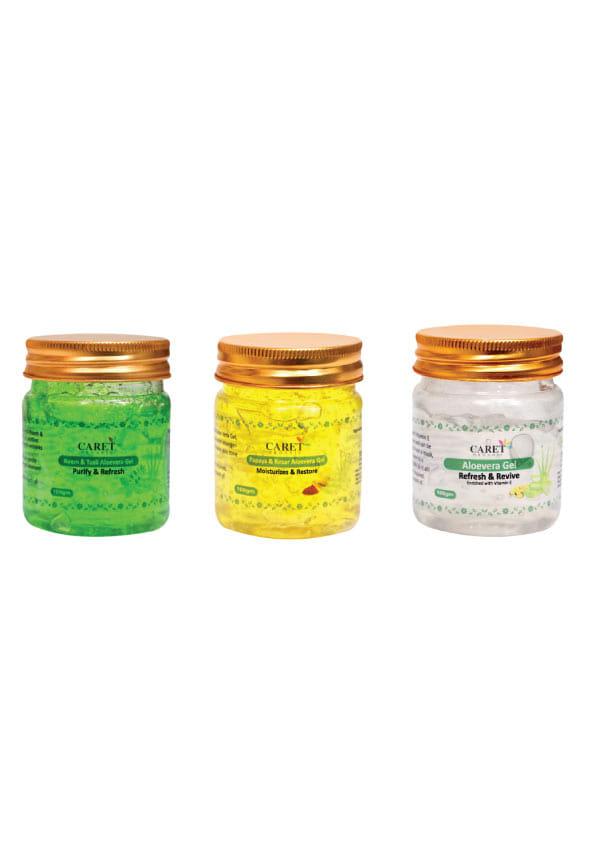
Kesar Papaya, Neem Tulsi And Vitamin C Aloevera Gel
The monsoon season brings relief from scorching heat, but for those with oily skin, it often means dealing with increased sebum production, clogged pores, and that persistent greasy feeling. The combination of humidity, rain, and fluctuating temperatures can turn your skincare routine upside down, leaving you wondering how to manage the excess oil without harsh chemicals or expensive treatments. The good news? Your kitchen cupboard and local market hold some of the most effective solutions for controlling oily skin during the rainy season. From time-tested ingredients like multani mitti and neem to simple lifestyle adjustments, natural remedies can help you achieve that balanced, healthy glow even when the weather isn't cooperating. Whether you're dealing with monsoon breakouts, enlarged pores, or just that uncomfortable oily feeling by midday, these home remedies for oily skin in monsoon season have been helping people manage their skin concerns for generations. Smytten's community of skincare enthusiasts often shares how they combine these natural solutions with carefully chosen products to create the perfect monsoon skincare routine.
TL;DR
Monsoon humidity increases sebum production, making oily skin more challenging to manage during rainy season
Natural ingredients like multani mitti, neem, turmeric, and tea tree oil effectively control excess oil without harsh side effects
DIY face packs using kitchen ingredients can reduce oiliness when applied 2-3 times weekly
Proper cleansing routine with gentle, natural cleansers prevents over-stripping while managing oil production
Lifestyle factors like diet, hydration, and stress management significantly impact skin oil levels during humid weather
Understanding why your skin produces more oil during monsoon helps you tackle the problem effectively. The increased humidity levels during rainy season create the perfect storm for oily skin concerns. When moisture levels in the air rise above 60%, your skin's natural barrier function changes, often leading to increased sebum production as your skin tries to maintain its protective balance.
The constant exposure to humid air, combined with temperature fluctuations between air-conditioned spaces and the warm outdoors, confuses your skin's oil-regulating mechanisms. Your sebaceous glands work overtime, producing excess oil that mixes with environmental pollutants, sweat, and dead skin cells. This combination creates the perfect breeding ground for bacteria, leading to clogged pores, blackheads, and those frustrating monsoon breakouts that seem to appear overnight.
Creating an effective oily skin monsoon care routine starts with understanding that your skin needs different attention during humid weather. The key lies in maintaining cleanliness without over-stripping your skin's natural protective barrier.
Start your day with a gentle, natural cleanser that removes overnight oil buildup without being too harsh. A simple gram flour and turmeric paste works wonderfully as a morning face wash for oily skin during monsoon. Mix one tablespoon of gram flour with a pinch of turmeric and enough water to form a smooth paste.
Your evening routine should focus on deep cleansing to remove the day's accumulation of oil, sweat, and environmental pollutants. This is when natural remedies for oily skin really shine, as you have time for more intensive treatments like clay masks or herbal steam sessions.
These time-tested natural solutions work by addressing the root causes of excess oil production while being gentle enough for regular use. Each remedy targets different aspects of oily skin management, from immediate oil absorption to long-term pore refinement.
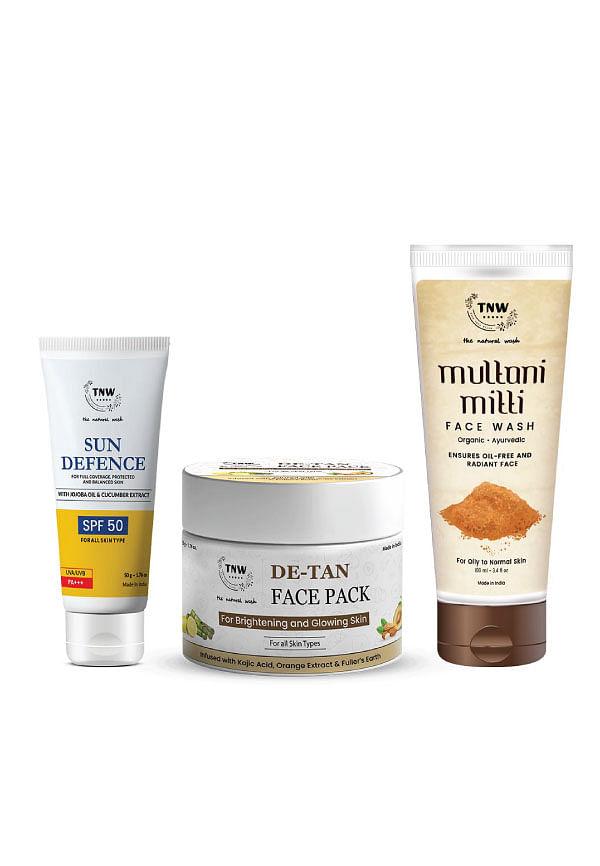
De-Tan Face Pack, Multani Mitti Face Wash & Sun Defense with Natural Ingredients
Multani Mitti (Fuller's Earth) Magic: This natural clay is perhaps the most effective home remedy for absorbing excess oil. Mix two tablespoons of multani mitti with rose water to form a smooth paste. Apply evenly on your face, avoiding the eye area, and leave for 15-20 minutes until it dries completely. The clay draws out impurities and excess sebum, leaving your skin feeling fresh and matte.
Turmeric and Neem Power Combination: Both ingredients have natural antibacterial properties that help prevent monsoon acne while controlling oil production. Grind fresh neem leaves with a pinch of turmeric and enough water to make a paste. This combination not only reduces oiliness but also helps heal existing breakouts and prevents new ones from forming.
Lemon and Honey Treatment: The natural acids in lemon help balance your skin's pH while honey provides gentle moisturisation without adding oil. Mix one teaspoon of fresh lemon juice with one tablespoon of raw honey. Apply this mixture as a face mask twice weekly for best results.
Oatmeal-Based Gentle Cleansers: Ground oatmeal works as a natural exfoliant while absorbing excess oil. Mix two tablespoons of finely ground oats with enough milk to form a paste. Gently massage onto damp skin in circular motions, then rinse with cool water.
Tea Tree Oil Applications: This powerful essential oil has natural antimicrobial properties that help control acne-causing bacteria while regulating oil production. Always dilute tea tree oil with a carrier oil like jojoba or coconut oil in a 1:10 ratio before applying to avoid skin irritation.
Aloe Vera Gel Benefits: Fresh aloe vera gel provides lightweight hydration while its natural astringent properties help tighten pores and reduce oil production. Extract gel from a fresh aloe leaf and apply it as a thin layer on clean skin. Leave overnight for maximum benefits.
Green Tea Toners: The antioxidants in green tea help reduce inflammation while its natural tannins provide gentle astringent action. Brew strong green tea, let it cool completely, and use it as a toner with a cotton pad twice daily.
Witch Hazel Astringents: This natural astringent helps tighten pores and reduce oil production without over-drying your skin. Apply witch hazel with a cotton pad after cleansing, focusing on your T-zone where oil production is typically highest.
Homemade face packs for oily skin offer targeted treatment for specific concerns while being cost-effective and free from harsh chemicals. The key to success lies in consistency and choosing the right ingredients for your skin's current needs.
Weekly Oil-Control Pack: Combine two tablespoons of multani mitti, one tablespoon of sandalwood powder, and enough rose water to form a smooth paste. Add a few drops of tea tree oil for extra antibacterial benefits. Apply this pack once weekly for 20 minutes to deeply cleanse pores and control excess oil production.
Monsoon Glow Pack: Mix one tablespoon of gram flour, one teaspoon of turmeric, one tablespoon of yoghurt, and a few drops of lemon juice. This combination gently exfoliates dead skin cells while providing natural probiotics that help balance your skin's microbiome during humid weather.
Pore-Tightening Pack: Blend one egg white with one tablespoon of lemon juice and one teaspoon of honey. Egg whites naturally tighten pores while lemon provides gentle exfoliation and honey offers antimicrobial benefits without clogging pores.
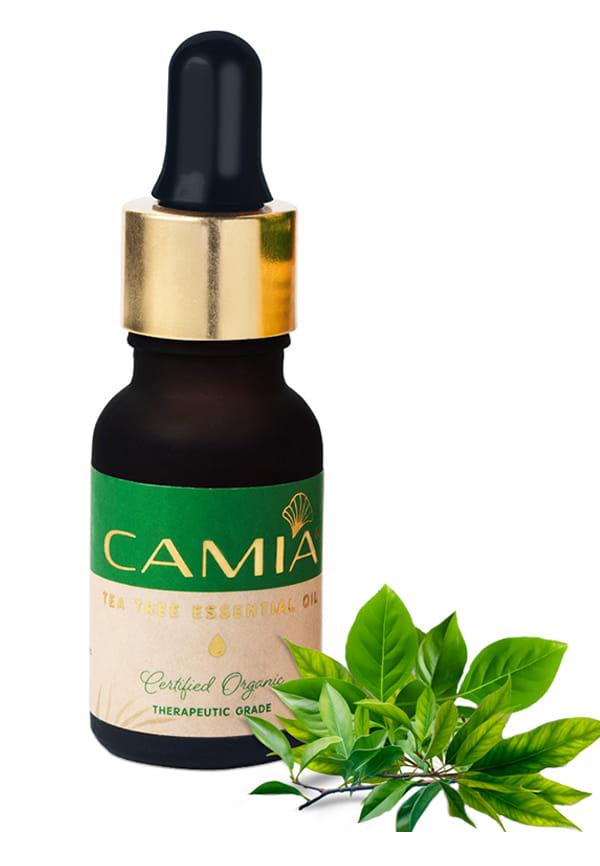
Tea Tree Essential Oil
Soothing Anti-Inflammatory Pack: Combine two tablespoons of oatmeal powder with one tablespoon of yoghurt and one teaspoon of honey. This gentle pack reduces inflammation from monsoon breakouts while providing light exfoliation and hydration.
Deep Cleansing Charcoal Pack: Mix one teaspoon of activated charcoal powder with one tablespoon of multani mitti and enough water to form a paste. Activated charcoal draws out deep-seated impurities while clay absorbs surface oil, making this perfect for weekly deep cleansing sessions.
Reducing oiliness in monsoon requires a holistic approach that goes beyond topical treatments. Your lifestyle choices significantly impact how your skin behaves during humid weather, making internal care just as important as external skincare routines.
Hydration Strategies: Drinking adequate water helps your body regulate oil production naturally. Aim for 8-10 glasses of water daily, and include hydrating foods like cucumber, watermelon, and coconut water in your diet. Proper hydration prevents your skin from overcompensating with excess oil production.
Foods That Reduce Oil Production: Include zinc-rich foods like pumpkin seeds, chickpeas, and spinach in your diet, as zinc helps regulate sebaceous gland activity. Omega-3 fatty acids from sources like walnuts and flaxseeds help reduce inflammation and balance oil production. Avoid excessive dairy and high-glycemic foods that can trigger increased sebum production.
Exercise and Sweating Considerations: Regular exercise helps reduce stress hormones that can trigger excess oil production. However, during monsoon, focus on indoor workouts to avoid exposure to polluted rainwater. Always cleanse your face immediately after sweating to prevent clogged pores.
Sleep and Stress Management: Poor sleep and high stress levels increase cortisol production, which directly impacts sebaceous gland activity. Maintain a consistent sleep schedule and practice stress-reduction techniques like meditation or yoga to help regulate your skin's oil production naturally.
Many people make skincare mistakes during monsoon that actually worsen their oily skin concerns. Understanding these common pitfalls helps you create a more effective skincare routine for humid weather oily skin management.
Over-Cleansing Trap: Washing your face more than twice daily strips away natural oils, causing your skin to produce even more oil to compensate. Stick to gentle cleansing twice daily, using natural ingredients that clean without over-drying your skin's protective barrier.
Skipping Moisturiser Myth: Many people with oily skin avoid moisturisers during humid weather, thinking it will make their skin greasier. However, skipping moisturiser actually triggers increased oil production. Choose lightweight, water-based moisturisers or natural alternatives like aloe vera gel that hydrate without adding heaviness.
Using Heavy Products: Thick creams and oil-based products can clog pores during humid weather. Switch to gel-based or water-based formulations that provide necessary hydration without overwhelming your skin during monsoon season.
Touching Face with Wet Hands: During monsoon, our hands are frequently wet from rain or humidity. Touching your face with wet hands transfers bacteria and pollutants, leading to increased breakouts and skin irritation. Always ensure your hands are clean and dry before touching your face.
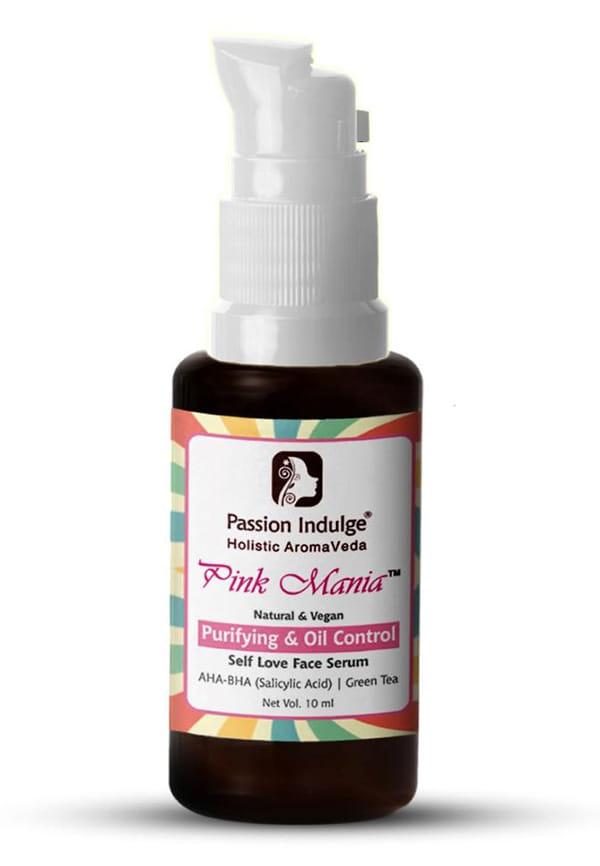
Pink Mania AHA BHA Purifying & Oil Control Face Oil With Turmeric & Green Tea
Focus on gentle cleansing with natural ingredients like gram flour and turmeric twice daily. Use clay-based face packs 2-3 times weekly to absorb excess oil, and maintain proper hydration by drinking plenty of water. Include zinc-rich foods in your diet and avoid touching your face with unwashed hands during humid weather.
Multani mitti (Fuller's earth) mixed with rose water is one of the most effective home remedies for oily skin during monsoon. Apply this clay mask twice weekly to absorb excess oil and deep-clean pores. For daily use, a gentle cleanser made from gram flour and turmeric works excellently to control oil without over-drying.
Use oil-absorbing face packs like multani mitti or charcoal masks 2-3 times per week maximum. Over-using clay masks can strip your skin's natural oils, causing increased oil production. For gentle packs with ingredients like oatmeal and yoghurt, you can use them up to 3 times weekly without causing irritation.
Never apply lemon juice directly to your skin, especially during monsoon when your skin is more sensitive. Always dilute lemon juice with honey, yoghurt, or water before application. The citric acid in lemon can cause photosensitivity and irritation if used undiluted, particularly in humid conditions.
Limit dairy products, high-glycemic foods like white bread and sugary snacks, and excessive fried foods during monsoon season. These foods can trigger increased sebum production and inflammation. Instead, focus on zinc-rich foods, omega-3 fatty acids, and plenty of water to help regulate oil production naturally. When trying new skincare products to complement these dietary changes, Smytten's trial packs let you test different formulations before committing to full-size purchases.
Managing oily skin during monsoon doesn't require expensive treatments or harsh chemicals. Natural remedies like multani mitti, neem, turmeric, and tea tree oil provide effective oil control while being gentle on your skin. The key lies in consistency and understanding that your skin needs different care during humid weather compared to other seasons.
Remember that over-cleansing and skipping moisturiser can actually worsen oily skin concerns. Focus on gentle, twice-daily cleansing with natural ingredients, regular use of clay-based face packs, and maintaining proper hydration both internally and externally. Lifestyle factors like diet, sleep, and stress management play crucial roles in regulating oil production naturally.
Most importantly, be patient with your skin during the transition to natural remedies. While some ingredients like multani mitti provide immediate oil absorption, long-term improvements in oil regulation typically take 4-6 weeks of consistent use. Start with one or two remedies and gradually incorporate others to avoid overwhelming your skin during the sensitive monsoon period.
The journey to managing oily skin during monsoon becomes much easier when you have access to the right products alongside these natural remedies. Smytten is India's largest product discovery and trial platform, connecting consumers with top lifestyle, beauty, wellness, and grooming brands. At its core, Smytten offers curated trial packs - mini-sized products from over 2,400 trusted brands such as Cetaphil, Dot & Key, True Elements, Oziva, Renee, Swiss Beauty, Love Beauty & Planet, WishCare, Carlton London, and Bella Vita. This lets you explore and experience products before committing to full-size purchases, which is particularly valuable when finding the right monsoon skincare routine for your oily skin. Each mini is linked with Trial Points, and users can get up to 10 Trial Points for just ₹279. Plus, Smytten offers 100% cashback on the purchase of these minis, redeemable in the shop section for future orders, making product discovery both affordable and rewarding. With over 28 million users and 100 million trial minis delivered across 90% pin code coverage, Smytten helps you make smarter, more confident choices about which products work best with your natural skincare routine. After all, why settle for 'maybe' when you can try it all and find the perfect combination of natural remedies and proven products for your monsoon skincare needs.
