How to Manage Oily Skin: Expert Tips & Tricks


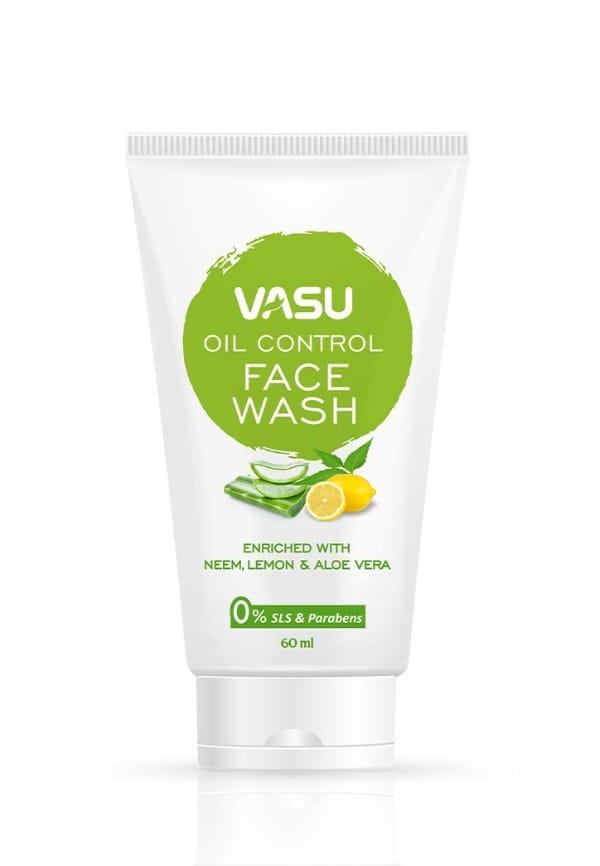
Oil Control Face Wash
Let's be real—dealing with oily skin can feel like a never-ending battle. One minute your face looks fresh, the next it's practically glowing from all that excess oil. If you've ever wondered how to manage oily skin without going overboard with harsh products, you're in the right place. Managing oily skin isn't about stripping away every drop of natural oil (trust us, that backfires). It's about finding the right balance, understanding what your skin actually needs, and building a routine that works with your skin, not against it. Whether you're dealing with midday shine, stubborn breakouts, or that dreaded T-zone situation, we've got the expert-backed tips that'll help you take control.
Before diving into solutions, it's worth understanding why your skin produces excess oil in the first place. Your sebaceous glands are basically your skin's built-in moisturising system, but sometimes they get a bit too enthusiastic about their job.
Hormones are often the biggest culprit behind oily skin. During puberty, menstruation, pregnancy, or times of stress, your hormone levels fluctuate, which can trigger your oil glands to work overtime. Genetics also play a huge role—if your parents dealt with oily skin, there's a good chance you inherited those overactive sebaceous glands.
Weather changes, especially humidity and heat, can make your skin produce more oil. Your diet might also be contributing—foods high in sugar and dairy have been linked to increased oil production. Even your skincare routine could be making things worse if you're using harsh products that strip your skin, causing it to produce even more oil to compensate.
Excess oil often comes with a whole host of other issues. Enlarged pores, blackheads, and frequent breakouts are typical oily skin problems that many people face. You might also notice your makeup sliding off by midday or that your T-zone looks like an oil slick whilst the rest of your face feels normal.
Creating an effective oily skin care routine is all about consistency and using the right products at the right time. Your routine doesn't need to be complicated—sometimes simpler is better.
Start your day with a gentle, foaming cleanser that removes overnight oil buildup without being too harsh. Look for ingredients like salicylic acid or glycolic acid that help control oil production. Follow up with a lightweight, oil-free moisturiser—yes, even oily skin needs hydration. Finish with a broad-spectrum SPF 30 or higher sunscreen that won't clog your pores.
Your evening routine is when you can incorporate more active ingredients. Double cleansing works brilliantly for oily skin—start with an oil-based cleanser to remove makeup and sunscreen, then follow with your regular cleanser. This method ensures you're getting all the buildup off your skin without over-cleansing. Consider adding a treatment serum with niacinamide or retinol to help regulate oil production and prevent breakouts.
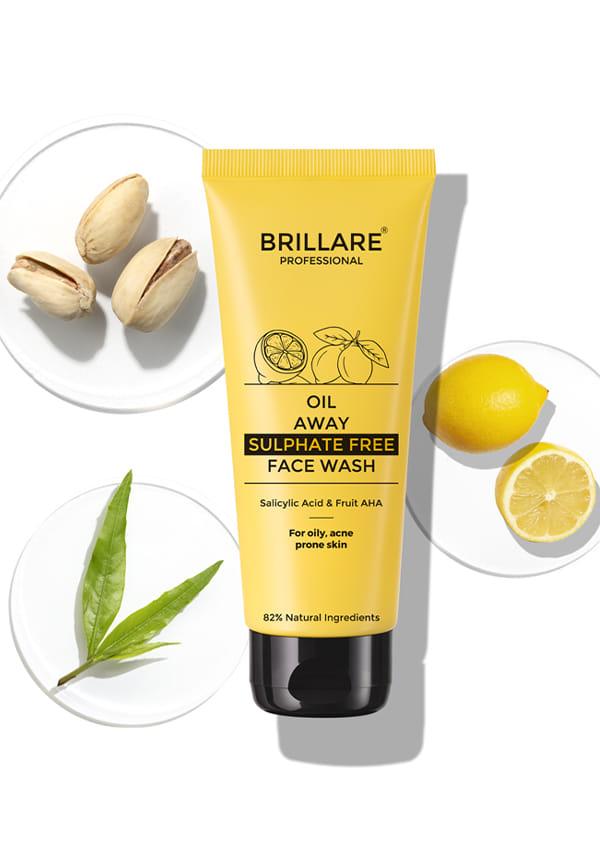
Oil Away Face Wash
Once or twice a week, treat your skin to a gentle exfoliation to remove dead skin cells that can clog pores. Clay masks are brilliant for oily skin—they help draw out impurities and absorb excess oil without being too drying.
Finding the best cleanser for oily skin can feel overwhelming with so many options available. The key is understanding which ingredients actually work and which ones might be doing more harm than good.
Salicylic acid is a game-changer for oily skin. This beta-hydroxy acid penetrates deep into pores, helping to dissolve oil and prevent blackheads. Glycolic acid and lactic acid are also excellent choices—these alpha-hydroxy acids help remove dead skin cells and improve skin texture. Niacinamide is another superstar ingredient that helps regulate sebum production and minimise the appearance of pores.
Non-comedogenic products are formulated specifically not to clog pores, which is crucial for oily, acne-prone skin. When shopping for cleansers, moisturisers, or makeup, always check for this label. Avoid products with heavy oils like coconut oil or cocoa butter, which can be too rich for oily skin types.
Look for cleansers with a gel or foam texture rather than cream-based formulas. Oil control skincare should focus on balancing your skin rather than completely stripping it. Ingredients like tea tree oil, witch hazel, and zinc can help control excess oil production without causing irritation.
Even with the best skincare routine, you might still experience some shine throughout the day. The good news is there are plenty of ways to manage this without disrupting your makeup or skincare.
Blotting papers are your best friend for quick touch-ups. They absorb excess oil without removing your makeup or adding more product to your face. Mattifying skincare products like primers and setting powders can help create a smooth base that controls shine for longer periods.
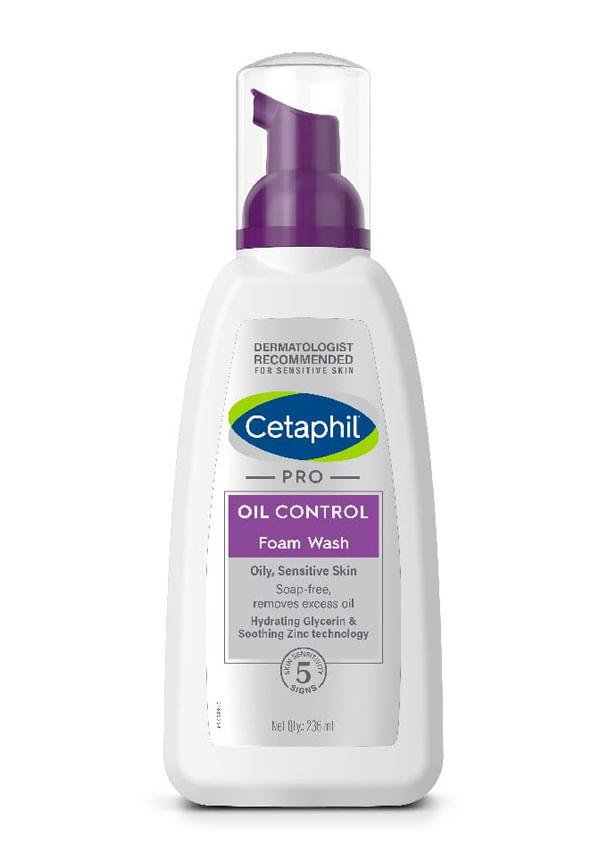
Pro Oil Control Foam Face Wash
Better Than Oily Cleanser
 4
4“ Well honestly I like the product I was better than my oily cleanser i guess”
Grateful for Product
5“I am grateful for the product used”
Gentle & Long-Lasting Facewash
5“Gentle facewash for sensitive skin. Lasts for many months.”
To reduce oily skin over time, consistency is key. Stick to your routine for at least 6-8 weeks before expecting significant changes. Consider incorporating a weekly clay mask or gentle chemical exfoliant to help keep pores clear and oil production balanced.
If you prefer a more natural approach, there are several natural remedies for oily skin that can be effective when used correctly.
Clay masks made with bentonite or kaolin clay can help absorb excess oil and draw out impurities. Green tea has anti-inflammatory properties and can be used as a toner when cooled. Honey has antibacterial properties that can help prevent breakouts whilst being gentle on the skin.
Staying hydrated helps your skin maintain its natural balance. Eating a diet rich in omega-3 fatty acids and low in processed sugars can also help regulate oil production. Getting enough sleep and managing stress levels are equally important, as both can affect your hormone levels and, consequently, your skin's oil production. When you're exploring different products and treatments, having the option to try before you fully commit can be incredibly helpful. Smytten offers curated trial packs from trusted skincare brands, letting you test products without the commitment of full-size purchases. With over 1,500 brands available, you can discover what works best for your specific skin needs.
Sometimes, despite your best efforts with at-home care, you might need professional intervention to effectively manage your oily skin.
Chemical peels performed by professionals can help control oil production and improve skin texture. Prescription retinoids are often more effective than over-the-counter options for severe oily skin and acne. Professional extractions can help clear stubborn blackheads and clogged pores safely.
Whilst you can significantly improve oily skin, it's important to have realistic expectations. Complete elimination of natural oil production isn't possible or healthy—your skin needs some oil to function properly. The goal is to achieve balanced, healthy-looking skin that doesn't feel greasy or look overly shiny.
Many people unknowingly make their oily skin worse by following outdated advice or using inappropriate products.
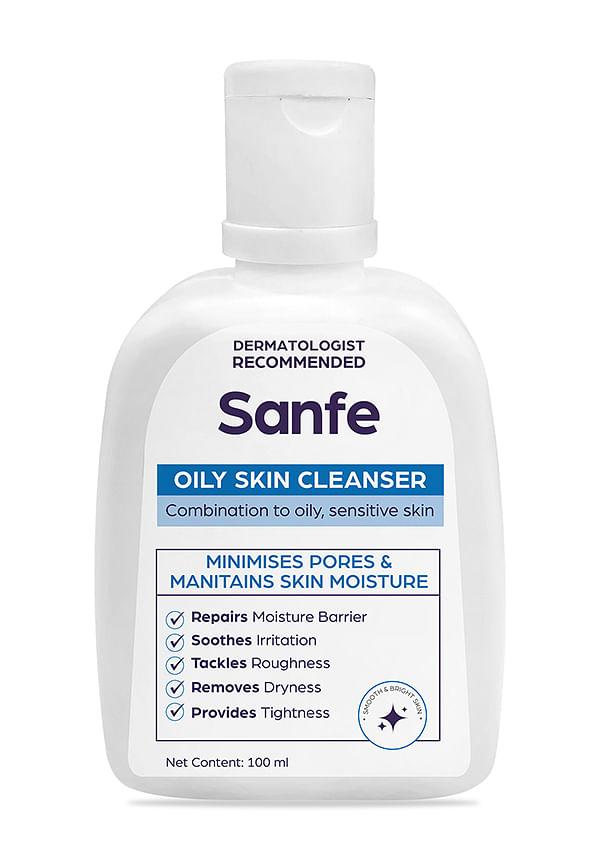
Oily Skin Cleanser
Gentle & Fragrant
4“not much stripping but has a fragrance”
Good for Oily Skin
4“this product really good for oily skin”
Good Product, Recommended
5“good product everyone should use”
Washing your face more than twice a day or using harsh, alcohol-based products can actually trigger your skin to produce more oil. Your skin interprets this stripping as damage and compensates by ramping up oil production.
Many people with oily skin think they don't need moisturiser, but this is a common misconception. Even oily skin needs hydration to maintain its barrier function. Choose lightweight, oil-free formulas that won't clog pores.
Use blotting papers to absorb excess oil, apply a mattifying primer before makeup, and consider carrying oil-absorbing sheets for quick touch-ups. Avoid touching your face throughout the day, as this can transfer oils and bacteria.
Cleanse twice daily with a gentle, foaming cleanser containing salicylic acid or glycolic acid. Use lukewarm water and avoid scrubbing harshly. Follow up with an alcohol-free toner and lightweight moisturiser.
Yes, foods high in sugar, dairy, and processed ingredients may contribute to increased oil production and breakouts. Focus on a balanced diet rich in omega-3 fatty acids, antioxidants, and plenty of water.
Most people start seeing improvements in 4-6 weeks, but it can take up to 12 weeks to see significant changes. Be patient and consistent with your routine for the best results.
Some lightweight oils like jojoba or squalane can actually help balance oily skin. However, avoid heavy oils like coconut oil or products with comedogenic ingredients that can clog pores.
Managing oily skin is definitely achievable with the right approach and patience. Remember, the goal isn't to eliminate all oil from your skin—it's about finding the right balance that keeps your skin healthy and comfortable. Start with a simple routine using gentle, non-comedogenic products, and gradually introduce active ingredients as your skin adjusts. Consistency is absolutely key when it comes to seeing results. Give your new routine at least 6-8 weeks before making major changes, and don't be afraid to adjust products based on how your skin responds. With Smytten's trial packs, you can explore different brands and formulations to find what works best for your unique skin needs, making the journey to balanced, healthy skin both affordable and rewarding. Your skin might be oily, but that doesn't mean you have to settle for anything less than your perfect routine.
