How to Manage Oily Skin During Monsoon: Essential Precautions


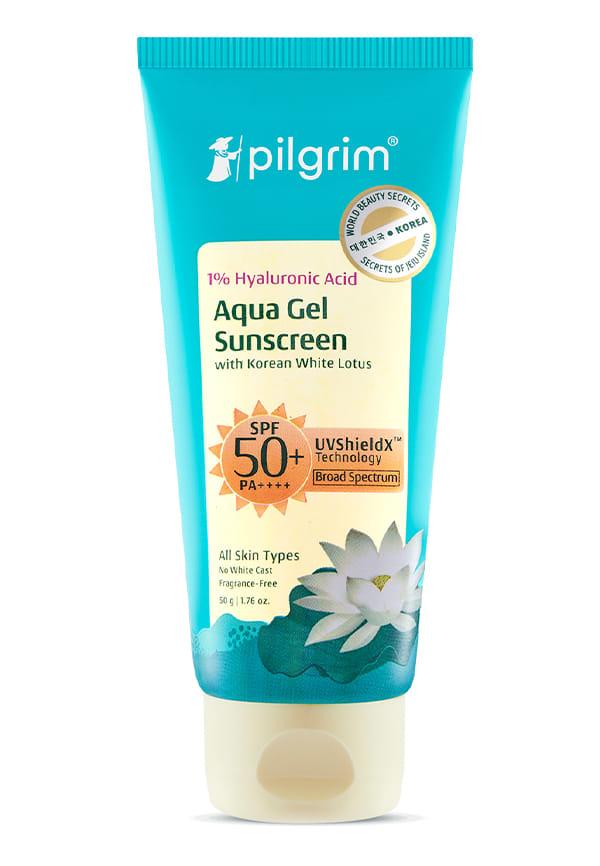
1% Hyaluronic Acid Aqua Sunscreen Gel SPF 50 PA++++
Great Fragrance, No White Cast
 5
5“awesome with very nice fragrance and no white cast”
Best Sunscreen Ever
4“best sunscreen i ever used go for it”
Hydrating Sunscreen
5“Very nice sunscreen keeps my skin hydrated.”
The monsoon season brings relief from scorching summer heat, but for those with oily skin, it can feel like trading one challenge for another. The increased humidity, sudden temperature changes, and pollution that comes with the rainy season can turn your skin into an oil-producing machine, leading to clogged pores, breakouts, and that perpetually greasy feeling. If you've noticed your skin acting up the moment the first monsoon clouds roll in, you're not alone. Understanding the right precautions for oily skin during monsoon can make all the difference between enjoying the rains and constantly battling skin concerns. With the right approach and products available on platforms like Smytten, you can navigate this tricky season whilst keeping your skin balanced and healthy.
TL;DR
Monsoon humidity triggers excess oil production, leading to breakouts and clogged pores in oily skin types
Essential precautions include gentle cleansing 2-3 times daily, using lightweight moisturisers, and never skipping SPF
Key ingredients like salicylic acid, niacinamide, and hyaluronic acid help manage oily skin during rainy season
Quick oil control methods and lifestyle adjustments can provide immediate relief from monsoon skin woes
A consistent routine with the right products prevents common monsoon skin problems
The relationship between monsoon weather and oily skin problems isn't just in your head—there's real science behind why your skin goes into overdrive during the rainy season. Understanding these mechanisms helps you tackle the root cause rather than just managing symptoms.
When humidity levels spike during monsoon, your skin's natural response is to produce more sebum to maintain its protective barrier. This happens because high moisture in the air can disrupt your skin's natural pH balance, triggering sebaceous glands to work overtime. The constant temperature fluctuations—from air-conditioned indoors to humid outdoors—further confuse your skin's regulatory system.
Additionally, the combination of heat and moisture creates the perfect breeding ground for bacteria and fungi, which can exacerbate existing skin concerns and create new ones.
Monsoon brings its own set of skin challenges that go beyond just excess oil production. Increased breakouts become more frequent as clogged pores trap bacteria and dead skin cells. The humid air mixed with pollution creates a sticky layer on your skin that's harder to cleanse away with regular washing.
Many people also notice their pores appearing larger during this season, as the excess oil and debris stretch them out. Fungal infections, particularly around the T-zone, become more common due to the warm, moist environment that fungi thrive in.
Taking the right precautions for oily skin during monsoon isn't about completely overhauling your routine—it's about making smart adjustments that address the season's specific challenges. These targeted changes can prevent most monsoon-related skin issues before they start.
The golden rule for monsoon skincare for oily skin is gentle but thorough cleansing. Aim for 2-3 times daily—morning, post-workout or after being outdoors, and evening. However, resist the urge to over-cleanse, as this strips your skin's natural oils and triggers even more oil production.
Choose a gentle, pH-balanced cleanser with ingredients like salicylic acid or tea tree oil that can cut through excess sebum without being harsh. After getting caught in the rain, always cleanse your face to remove pollutants and bacteria that rainwater might have deposited on your skin.
One of the biggest mistakes people with oily skin make during monsoon is skipping moisturiser altogether. Your skin needs hydration even in humid weather—the trick is choosing the right formula. Opt for lightweight, gel-based moisturisers that absorb quickly and don't leave a greasy residue.
Apply moisturiser on slightly damp skin to lock in hydration more effectively. Pay special attention to areas that might get drier despite overall oiliness, such as around the eyes and the outer edges of your face.
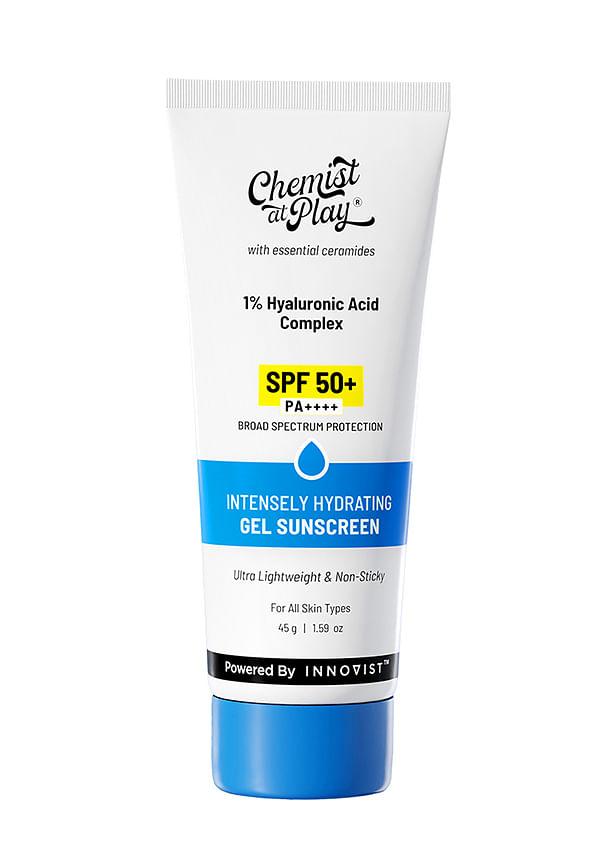
1% Hyaluronic Acid Gel Sunscreen | Intensely Hydrates | SPF 50+
Good product, consistency issues for face
4“good and nice but I use it only on my body due to consistency issues”
Perfect, non-sticky & lightweight
4“it non sticky and it is light weight that every needs, perfect”
Lightweight and Gentle
5“I liked the product 8 on 10 it is very light weight and very gentle”
Cloudy monsoon skies are deceptive—up to 80% of UV rays can penetrate clouds, making SPF non-negotiable. Choose oil-free, water-resistant sunscreens with at least SPF 30. Look for formulations specifically designed for oily skin that won't clog pores or add to the greasy feeling.
Reapply every 2-3 hours, especially if you're outdoors or sweating. Consider using a setting powder over your sunscreen to reduce shine whilst maintaining protection.
Creating an effective monsoon skincare routine for oily skin requires balancing oil control with proper hydration and protection. The key is consistency and using products that work synergistically rather than against each other.
Start your day with a gentle cleanser to remove overnight oil buildup, followed by a toner containing niacinamide to regulate sebum production. Apply a lightweight moisturiser whilst your skin is still slightly damp, then finish with broad-spectrum SPF.
If you wear makeup, use a primer designed for oily skin to create a smooth base and help your makeup last longer in humid conditions. Keep blotting papers handy for midday touch-ups.
Evening routines during monsoon should focus on deep cleansing and repair. Double cleanse if you've worn makeup or sunscreen—start with an oil-based cleanser to break down products, followed by your regular gentle cleanser.
This is the time to incorporate treatment products like BHA exfoliants or retinoids (if your skin tolerates them). Always follow with a hydrating serum and your evening moisturiser to support skin repair overnight.
Once or twice weekly, incorporate clay masks to deep-clean pores and absorb excess oil. Bentonite or kaolin clay work particularly well for oily skin. Follow up with a hydrating sheet mask to prevent over-drying.
Gentle exfoliation with AHAs or BHAs can help prevent clogged pores, but don't overdo it—your skin is already dealing with environmental stress from the humidity and pollution.
Knowing which ingredients to look for can transform your monsoon skincare game. The best monsoon skincare for oily skin focuses on ingredients that regulate oil production, prevent bacterial growth, and maintain hydration without heaviness.
Salicylic acid is your best friend during monsoon—it penetrates pores to clear out oil and dead skin cells whilst having anti-inflammatory properties. Niacinamide regulates sebum production and minimises the appearance of pores, making it perfect for managing oily skin in rainy season.
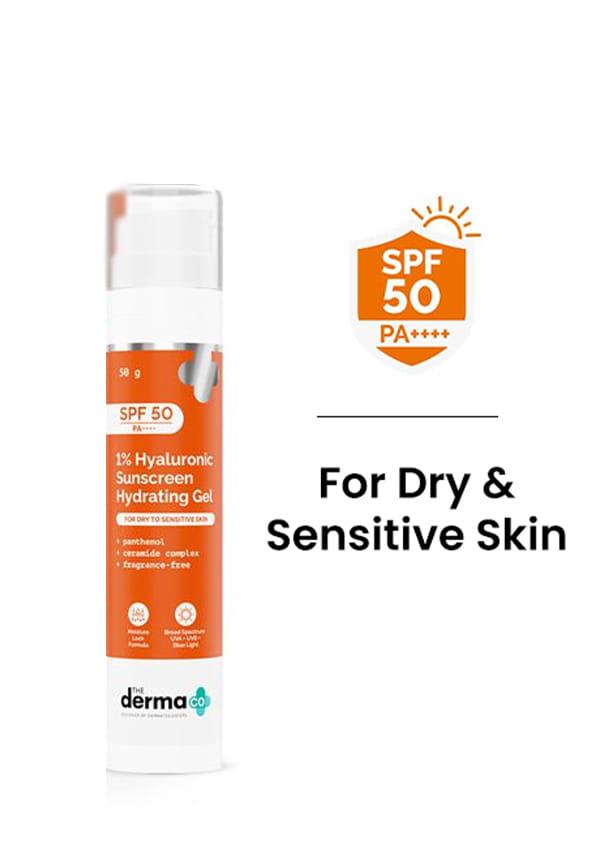
1% Hyaluronic Sunscreen Hydrating Gel SPF 50 PA ++++
Smooth and Light Product
5“good good very smooth very badhiya very light”
Impressive Derma Sunscreen
4“good sunscreen everytime derma sunscreen impress me”
Impressive Derma Sunscreen
4“good sunscreen everytime derma sunscreen impress me”
Hyaluronic acid provides lightweight hydration that won't feel heavy on humid days, whilst tea tree oil offers natural antibacterial protection against monsoon-related breakouts. Zinc oxide in sunscreens also provides oil-absorbing benefits alongside UV protection.
Heavy creams and facial oils can feel suffocating in humid weather and may clog pores. Alcohol-based toners might seem appealing for their oil-cutting properties, but they can over-dry your skin and trigger rebound oil production.
Avoid products with comedogenic ingredients like coconut oil, cocoa butter, or heavy silicones that can trap moisture and bacteria against your skin in humid conditions.
Sometimes you need immediate solutions for managing an oily face during monsoon, especially when you're out and about. These quick fixes can help you maintain fresh-looking skin throughout the day.
Blotting papers are essential during monsoon—they absorb excess oil without disturbing your makeup or skincare. Press gently rather than rubbing to avoid spreading oil around. Oil-absorbing powders can provide longer-lasting mattification, especially in the T-zone.
Facial mists with ingredients like rose water or green tea can provide instant refreshment and help reset your skin's pH balance after exposure to humid air. Keep cleansing wipes handy for emergency clean-ups after getting caught in the rain.
Your diet plays a crucial role in managing oily skin during monsoon. Reduce dairy and high-glycemic foods that can trigger oil production, and increase your intake of antioxidant-rich foods to combat environmental damage.
Stay hydrated despite the humid weather—proper hydration helps regulate oil production from within. Manage stress through adequate sleep and relaxation techniques, as stress hormones can trigger excess sebum production.
Creating the right environment for your skin can significantly impact how it behaves during monsoon. These oily skin humidity solutions focus on controlling your immediate environment to support your skincare efforts.
Use air conditioning or dehumidifiers to maintain optimal indoor humidity levels (around 40-50%). This prevents your skin from going into overdrive trying to cope with excessive moisture in the air.
Ensure proper ventilation in your bedroom and bathroom to prevent fungal growth that could affect your skin. Consider using a small fan while sleeping to maintain air circulation around your face.
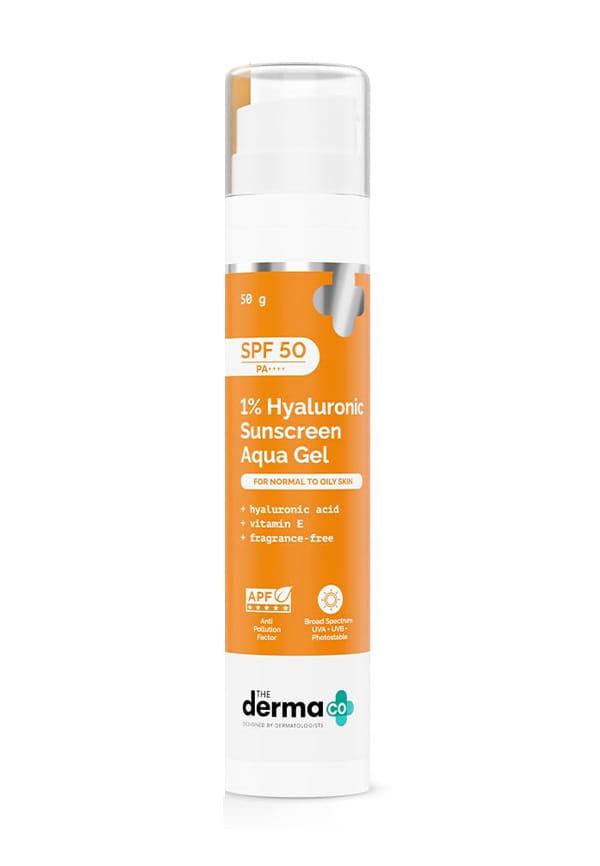
1% Hyaluronic Sunscreen SPF 50 Aqua Gel, PA++++
Good Experience, Loved Product
5“good experience overall and loved it the product”
Superb Product
5“superb product I have ever received”
Nice and Productive
5“very nyc and productive Good to use”
Always carry an umbrella to protect your skin from direct contact with rainwater, which can contain pollutants and bacteria. Wear breathable, loose-fitting clothing to prevent heat and moisture buildup that could affect your facial skin.
Immediately cleanse your face after being outdoors in heavy humidity or rain to remove any environmental pollutants that may have settled on your skin.
Yes, you can increase cleansing to 2-3 times daily during monsoon, but avoid over-cleansing which can strip your skin and trigger more oil production. Always use a gentle, pH-balanced cleanser and follow up with appropriate moisturisation.
Never skip moisturiser, even during humid monsoon weather. Instead, switch to a lightweight, gel-based formula that provides hydration without adding greasiness. Skipping moisturiser can actually make your skin produce more oil to compensate for dryness.
Apply your morning routine at least 15-20 minutes before heading outdoors to allow products to absorb properly. Evening routines should be done immediately after cleansing to lock in hydration whilst your skin is still slightly damp.
Focus on gentle but thorough cleansing, use non-comedogenic products, and incorporate ingredients like salicylic acid or niacinamide. Always cleanse after being caught in rain and avoid touching your face with unwashed hands. Products available on Smytten can help you trial different acne-fighting formulations to find what works best for your skin.
Yes, but choose clay-based masks that absorb excess oil rather than cream-based ones that might feel heavy. Limit usage to 1-2 times per week and always follow up with a lightweight moisturiser to prevent over-drying.
Managing oily skin during monsoon requires a balanced approach that addresses increased oil production without over-drying your skin. The key precautions include gentle but frequent cleansing, using lightweight moisturisers, never skipping SPF, and incorporating oil-regulating ingredients like niacinamide and salicylic acid.
Remember that consistency is more important than perfection—stick to a routine that works for your skin type and lifestyle. Environmental controls like managing indoor humidity and protecting yourself from polluted rainwater can significantly support your skincare efforts.
Most importantly, listen to your skin and adjust your routine as needed. What works in the early monsoon might need tweaking as the season progresses and humidity levels change.
Navigating oily skin during monsoon doesn't have to be a constant battle. With the right precautions and products, you can actually enjoy the rainy season without worrying about breakouts or excessive oiliness. The key is finding products that work specifically for your skin's needs during this challenging season. Smytten's trial packs make this journey much easier—you can explore different monsoon-friendly formulations from trusted brands without committing to full-size products. With over 2,400 brands available and 100% cashback on trial purchases, you can experiment with various oil-control cleansers, lightweight moisturisers, and targeted treatments until you find your perfect monsoon skincare routine. After all, why settle for products that might work when you can try them all and discover what actually does?
