How to Manage Hormonal Acne: Skincare Tips for Women

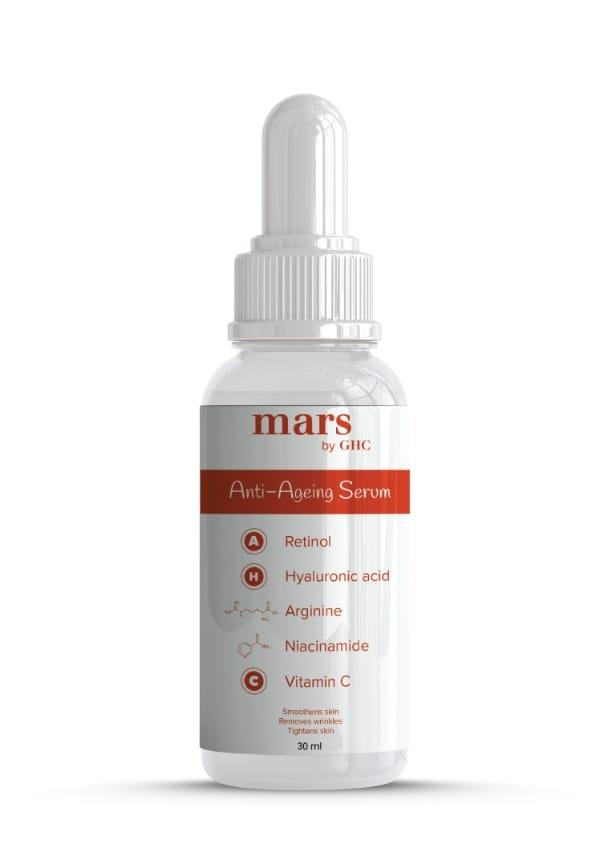
Anti Ageing Face Serum with 5% Niacinamide, 0.2% Retinol, Hyaluronic Acid, Arginine, Vit C - For Spotless Glow, Anti Wrinkle, Dullness & Fine Lines
If you've ever noticed your skin acting up around your period, breaking out before a big presentation, or changing dramatically during pregnancy, you're not alone. Hormonal acne affects up to 80% of women at some point in their lives, making it one of the most common skin concerns we face. Unlike the occasional spot that pops up from using a new product or touching your face too much, hormonal acne follows a pattern—often appearing along the jawline, chin, and lower cheeks in deep, painful bumps that seem impossible to shift.
The frustrating thing about hormonal breakouts is that they're not just about what you put on your skin. They're driven by internal fluctuations in estrogen, progesterone, and androgens that happen naturally throughout our cycles, during major life changes, or when stress levels spike. But here's the good news: understanding these patterns and adjusting your skincare routine accordingly can make a real difference. Whether you're dealing with monthly breakouts, pregnancy-related changes, or the skin shifts that come with menopause, there are proven strategies that work. And with platforms like Smytten offering trial-sized versions of targeted treatments, you can test what works for your unique hormonal patterns without committing to full-size products that might not suit your skin.
TL;DR
Hormonal acne is triggered by fluctuations in estrogen, progesterone, and androgens throughout different life stages
A consistent routine with salicylic acid, niacinamide, and retinoids can help manage hormone-related breakouts
Different life stages (periods, pregnancy, menopause) require tailored skincare approaches
Lifestyle factors like diet, stress management, and sleep significantly impact hormonal skin health
Professional treatments may be necessary for severe cases, but many effective options are available over-the-counter
Hormonal acne isn't just regular acne that happens to coincide with your cycle—it's a distinct type of breakout driven by internal hormone fluctuations. Unlike acne caused by external factors like dirty pillowcases or comedogenic products, hormonal acne follows predictable patterns and tends to appear in specific areas of your face.
Estrogen skincare benefits are well-documented: this hormone promotes collagen production, helps maintain skin thickness, and actually reduces oil production. When estrogen levels are high (like during the first half of your menstrual cycle), your skin often looks its best—plump, hydrated, and clear. However, when estrogen drops (right before your period or during menopause), you might notice increased dryness, sensitivity, and breakouts.
Progesterone skin effects tell a different story. This hormone increases sebum production and can make your skin feel oilier, particularly in the week before your period. Progesterone also increases your skin's temperature slightly, which can make you more prone to inflammation and breakouts. Many women notice their skin becomes more sensitive to products during high-progesterone phases.
Androgen related acne is perhaps the most frustrating type to deal with. Androgens like testosterone stimulate your sebaceous glands to produce more oil, and they also affect the way your skin cells shed. This combination creates the perfect storm for clogged pores, particularly along the jawline and chin where androgen receptors are most concentrated.
Hormonal breakouts typically appear as deep, painful cysts or nodules rather than surface-level whiteheads or blackheads. They're most common along the lower third of your face—think jawline, chin, and sometimes the neck. These spots often don't come to a head easily and can linger for weeks if not treated properly.
The timing is another telltale sign. If your breakouts consistently appear 7-10 days before your period, worsen during times of stress, or flare up during major hormonal transitions like pregnancy or perimenopause, you're likely dealing with hormonal acne.
The key to managing hormonal acne lies in consistency and choosing ingredients that work with your skin's natural cycles rather than against them. Your routine should focus on gentle exfoliation, oil control, and barrier support—all while being adaptable enough to handle the ups and downs of hormonal fluctuations.
Start your day with a gentle cleanser that won't strip your skin but will remove overnight oil buildup. Look for cleansers with salicylic acid if you're dealing with active breakouts, or a cream cleanser with ceramides if your skin is feeling sensitive.
Follow with a serum containing niacinamide—this powerhouse ingredient helps regulate oil production, reduces inflammation, and can even help fade the dark marks that hormonal acne often leaves behind. Niacinamide works particularly well for hormonal skin because it doesn't cause the irritation that stronger actives might during sensitive phases of your cycle.
Your moisturiser should be lightweight but hydrating. Even oily, acne-prone skin needs moisture, and skipping this step can actually trigger more oil production. Look for gel-cream textures with hyaluronic acid or lightweight oils like squalane.
Never skip SPF—this is non-negotiable for hormonal acne. Not only does sun exposure worsen inflammation and dark marks, but many acne treatments make your skin more photosensitive. Choose a broad-spectrum SPF 30 or higher that won't clog your pores.
Your evening routine is where the real work happens. Start with a thorough cleanse—double cleansing can be particularly helpful if you wear makeup or sunscreen. Use an oil cleanser or micellar water first, followed by your regular cleanser.
This is when you'll introduce your stronger actives. Retinoids are gold standard for hormonal acne because they help normalise cell turnover, prevent clogged pores, and can even help with the anti-ageing concerns that often accompany adult acne. Start slowly—perhaps twice a week—and gradually increase frequency as your skin adapts.
On nights when you're not using retinoids, consider incorporating a BHA like salicylic acid. This oil-soluble acid can penetrate into pores to clear out buildup and reduce inflammation. It's particularly effective for the deep, cystic spots that characterise hormonal acne.
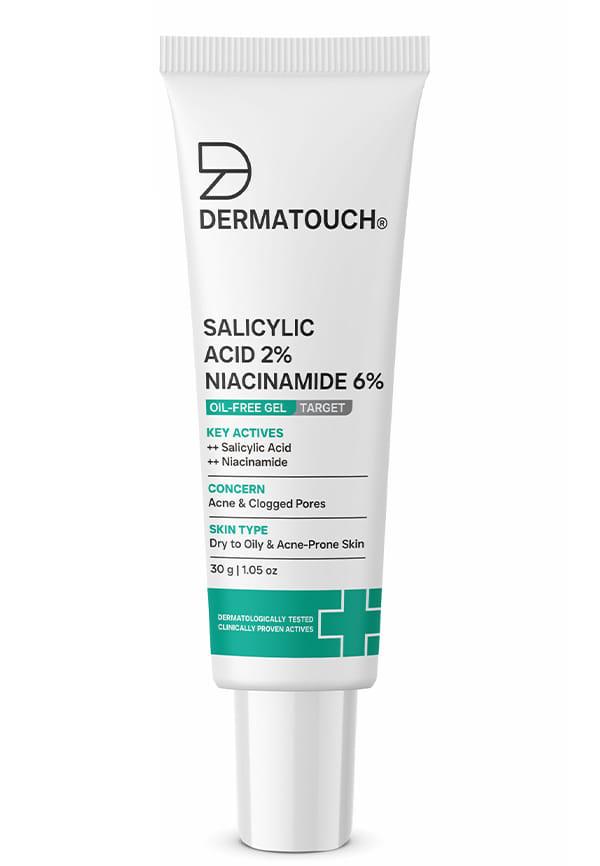
Salicylic Acid 2% Niacinamide 6% Anti-Acne Oil-Free Gel
Good & Affordable
 5
5“It is really good and afforadable ”
Amazing Results in 15 Days
5“Amazing result within 15 days absolutely work 👍🏻👍🏻”
Effective Oil-Free Gel for Acne
5“This oil-free gel effectively targets acne, inflammation, and clogged pores.”
Finish with a nourishing moisturiser that supports your skin barrier. Look for ingredients like ceramides, fatty acids, or peptides that help repair and strengthen your skin overnight.
Once or twice a week, incorporate a clay mask to help draw out impurities and control excess oil. Bentonite or kaolin clay work well for this purpose. Follow up with a hydrating mask or serum to prevent over-drying.
Chemical exfoliation with AHAs can help with the texture issues and dark marks that often accompany hormonal acne. Glycolic or lactic acid treatments once a week can help speed up cell turnover and fade hyperpigmentation.
Your skin's needs change dramatically throughout different hormonal phases, and what works during your twenties might not be suitable during pregnancy or menopause. Understanding these changes helps you adapt your routine for optimal results.
The week before your period is when progesterone peaks, often leading to increased oil production and sensitivity. This is when many women notice their skin becoming more reactive to products that usually work fine.
During this phase, consider scaling back on strong actives and focusing on gentle, anti-inflammatory ingredients. Swap your usual retinoid for a gentle niacinamide serum, or reduce the frequency of chemical exfoliation. Some women find that using a spot treatment with benzoyl peroxide on emerging breakouts works better than trying to prevent them with stronger all-over treatments.
This is also a good time to incorporate calming ingredients like centella asiatica, green tea, or chamomile. These can help reduce the inflammation that makes hormonal breakouts so painful and persistent.
Pregnancy brings dramatic hormonal shifts that can completely change your skin. Some women experience the famous "pregnancy glow" from increased blood flow and oil production, while others deal with melasma, increased sensitivity, or severe acne.
Many acne treatments aren't safe during pregnancy, so you'll need to adjust your routine accordingly. Salicylic acid is generally considered safe in low concentrations (up to 2%), but retinoids, benzoyl peroxide, and high-strength chemical peels should be avoided.
Focus on gentle, pregnancy-safe ingredients like niacinamide, vitamin C, and azelaic acid. These can help with both acne and the hyperpigmentation that often accompanies pregnancy hormonal changes. Always consult with your healthcare provider before introducing new skincare products during pregnancy.
Postpartum brings its own challenges as hormone levels crash and then gradually stabilise. Many women experience hair loss, skin dryness, and continued breakouts during this period. Be patient with your skin and focus on gentle, nourishing products that support your skin barrier while it adjusts to your new hormonal baseline.
Declining estrogen during perimenopause and menopause affects your skin in multiple ways. You might notice increased dryness, loss of elasticity, and paradoxically, adult acne. This happens because while overall hormone levels drop, the ratio of androgens to estrogen increases, potentially triggering breakouts.
Your skincare routine during this phase needs to address both anti-ageing concerns and acne management. Look for products that combine gentle exfoliation with hydration—like a serum containing both niacinamide and hyaluronic acid.
Retinoids become even more important during menopause, as they help with both acne prevention and anti-ageing. However, you might need to use them more cautiously due to increased skin sensitivity. Consider starting with retinyl palmitate or adapalene before moving to stronger prescription options.
Don't forget about your skin barrier—declining estrogen means less natural oil production, so you'll likely need richer moisturisers and possibly facial oils to maintain hydration and comfort.
While topical treatments are crucial for managing hormonal acne, addressing the root causes through lifestyle changes can significantly improve your results. Your skin is often a reflection of your internal health, and hormonal balance is particularly sensitive to diet, stress, and sleep patterns.
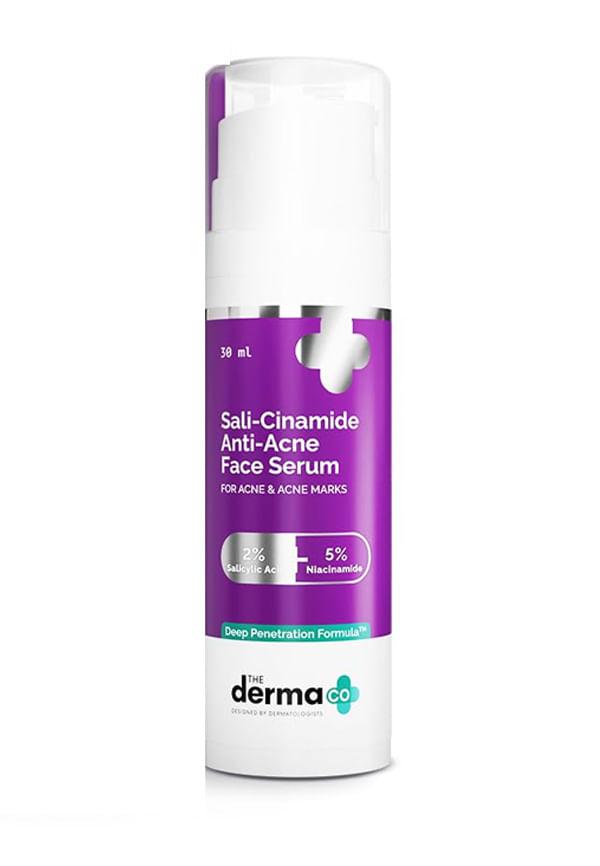
Sali-Cinamide Anti-Acne Face Serum with 2% Salicylic Acid & 5% Niacinamide
Good for Acne & Pimples
4“good at all for acne and pimples”
Good for Acne & Pimples
4“good at all for acne and pimples”
Good for Acne & Pimples
4“good at all for acne and pimples”
Certain foods can either support or disrupt your hormonal balance. High-glycemic foods like white bread, sugary snacks, and processed foods can spike insulin levels, which in turn can increase androgen production and worsen acne.
Focus on anti-inflammatory foods rich in omega-3 fatty acids, antioxidants, and fibre. Fatty fish, leafy greens, berries, and nuts can help reduce overall inflammation and support healthy hormone metabolism. Some women find that reducing dairy intake helps with their hormonal acne, possibly due to the natural hormones present in milk products.
Consider incorporating foods that support liver function, as your liver plays a crucial role in hormone metabolism. Cruciferous vegetables like broccoli and Brussels sprouts contain compounds that help your body process and eliminate excess hormones.
Chronic stress is one of the biggest disruptors of hormonal balance. When you're stressed, your body produces more cortisol, which can increase oil production and inflammation while disrupting your other hormones.
Regular exercise can help manage stress and support healthy hormone balance, but be mindful of over-exercising, which can actually increase cortisol levels. Gentle activities like yoga, walking, or swimming are often better choices than high-intensity workouts if you're dealing with hormonal acne.
Sleep is when your body repairs and regulates hormones, so aim for 7-9 hours of quality sleep each night. Poor sleep can disrupt your circadian rhythm and affect the production of hormones like growth hormone and cortisol, potentially worsening your skin.
While many cases of hormonal acne can be managed with over-the-counter products and lifestyle changes, sometimes professional intervention is necessary. Knowing when to seek help can prevent scarring and save you months of frustration with ineffective treatments.
Topical retinoids like tretinoin or adapalene are often the first line of prescription treatment for hormonal acne. These are more potent than over-the-counter retinol and can be particularly effective for the deep, cystic spots characteristic of hormonal breakouts.
For women with severe hormonal acne, oral contraceptives can be incredibly effective. Certain birth control pills help regulate hormone levels and reduce androgen activity. However, this approach requires careful consideration of your overall health and family planning goals.
Spironolactone is an anti-androgen medication that can be particularly effective for adult women with hormonal acne. It works by blocking androgen receptors and reducing oil production. This medication requires regular monitoring but can be life-changing for women with persistent hormonal breakouts.
Chemical peels performed by professionals can help with both active acne and the hyperpigmentation that often follows hormonal breakouts. These treatments use higher concentrations of acids than you can get over-the-counter and can provide faster results.
Light therapy, including blue light and photodynamic therapy, can help reduce acne-causing bacteria and inflammation. These treatments are particularly useful for people who can't tolerate topical medications or want to avoid systemic treatments.
Seek professional help if your acne is leaving scars, if you're experiencing severe cystic breakouts that don't respond to over-the-counter treatments after 3-4 months, or if your acne is significantly impacting your quality of life.
Also consider professional consultation if you're experiencing other signs of hormonal imbalance like irregular periods, excessive hair growth, or sudden weight changes, as these could indicate underlying conditions like PCOS that require medical management.
Choosing the right products for hormonal acne can feel overwhelming, especially when your skin's needs change throughout your cycle. The key is building a flexible routine with products that can be adjusted based on your skin's current state.
Product | Skin Type | Key Ingredients | Best For | Price Range |
|---|---|---|---|---|
The Derma Co 2% Salicylic Acid Serum | Oily, Acne-prone | Salicylic Acid, Witch Hazel | Clogged pores, blackheads | ₹400-600 |
Minimalist 2% Alpha Arbutin Serum | All skin types | Alpha Arbutin, Hyaluronic Acid | Dark spots, hyperpigmentation | ₹500-700 |
Dot & Key 10% Niacinamide Serum | Oily, Combination | Niacinamide, Zinc PCA | Oil control, acne marks | ₹600-800 |
Plum 2% Encapsulated Salicylic Acid | Oily, Acne-prone | Encapsulated Salicylic Acid, Green Tea | Gentle exfoliation, sensitive skin | ₹700-900 |
Foxtale 12% Niacinamide with Azelaic Acid | Oily, Acne-prone | Niacinamide, Azelaic Acid | Severe oil control, brightening | ₹800-1000 |
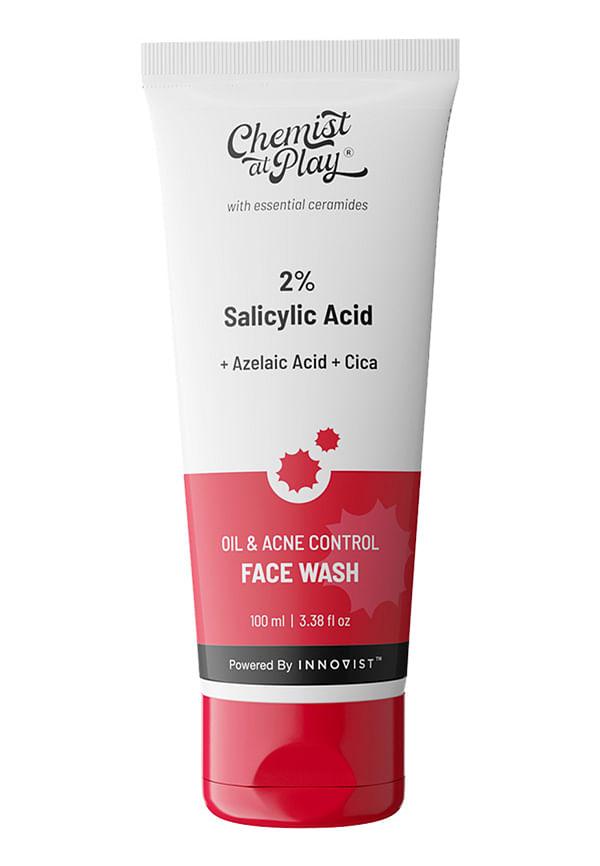
Oil & Acne Control Face Wash | 2% Salicylic acid | Niacinamide
Good for Oily Skin
5“Best for oily skin , remove oil all from face”
Good for Oily Skin
5“Best for oily skin , remove oil all from face”
Good for Oily Skin
5“Best for oily skin , remove oil all from face”
Salicylic acid is your best friend for hormonal acne. This beta-hydroxy acid can penetrate oil to unclog pores and has anti-inflammatory properties that help calm the redness and swelling associated with hormonal breakouts. Start with 0.5-1% concentrations and work up to 2% as your skin tolerates it.
Niacinamide is particularly effective for hormonal acne because it regulates oil production, reduces inflammation, and helps fade the dark marks that often follow breakouts. It's also gentle enough to use throughout your cycle, even during sensitive phases.
Retinoids help normalise cell turnover and prevent the formation of comedones. For hormonal acne, consistency is key—it's better to use a lower strength regularly than to use a high strength sporadically.
Azelaic acid is excellent for hormonal acne because it has antibacterial, anti-inflammatory, and comedolytic properties. It's also safe during pregnancy, making it a good option when other treatments are off-limits.
Heavy oils and rich creams can exacerbate hormonal acne, particularly during high-progesterone phases when your skin is already producing more oil. Stick to lightweight, non-comedogenic formulations.
Harsh scrubs and over-drying products might seem like they'd help oily, acne-prone skin, but they can actually trigger more oil production and inflammation. Your skin needs gentle, consistent care rather than aggressive treatment.
Be cautious with essential oils and fragrances, which can be particularly irritating during sensitive phases of your cycle. Hormonal skin is often more reactive, so simpler formulations tend to work better.
Most topical treatments take 6-12 weeks to show significant improvement, as this allows time for your skin to complete several turnover cycles. However, you might notice reduced inflammation and fewer new breakouts within 2-4 weeks of starting a consistent routine. Be patient and consistent—hormonal acne often gets slightly worse before it gets better as your skin adjusts to new treatments.
Yes, you can use retinoids throughout your cycle, but you might need to adjust the frequency based on your skin's sensitivity. Many women find their skin more reactive during the week before their period, so you might want to reduce retinoid use to every other night during this time. Always listen to your skin and scale back if you experience excessive irritation.
Stress triggers the release of cortisol, which can increase oil production and inflammation while disrupting your other hormones. Chronic stress can also affect your sleep and eating habits, both of which impact your skin. Managing stress through exercise, meditation, or other relaxation techniques can significantly improve hormonal acne.
Absolutely. Adult acne is increasingly common, affecting up to 40% of women in their 30s and 25% of women in their 40s. Hormonal fluctuations from pregnancy, perimenopause, stress, and lifestyle factors can all trigger breakouts in adulthood. The good news is that adult acne often responds well to targeted treatments, and platforms like Smytten make it easier to trial different products to find what works for your mature skin.
Not necessarily. While heavy, comedogenic oils can worsen acne, lightweight oils like squalane, jojoba, or rosehip oil can actually help balance your skin's oil production and support your barrier function. The key is choosing the right oils and using them in appropriate amounts for your skin type.
Managing hormonal acne requires a multifaceted approach that addresses both the symptoms and underlying causes. The most effective strategy combines consistent skincare with lifestyle modifications and, when necessary, professional treatments. Remember that hormonal acne is cyclical—what works during one phase of your cycle might need adjustment during another.
Focus on building a flexible routine with proven ingredients like salicylic acid, niacinamide, and retinoids, while being patient with the process. Most treatments take several months to show full results, and your skin may go through an adjustment period before improving. Don't be afraid to seek professional help if over-the-counter treatments aren't providing adequate results after 3-4 months of consistent use.
Finally, remember that hormonal acne is incredibly common and nothing to be ashamed of. With the right approach and patience, most cases can be successfully managed, allowing you to feel confident in your skin throughout all of life's hormonal changes.
Navigating hormonal acne can feel like a constant battle, but understanding your skin's patterns and needs puts you in control. The journey to clearer skin often involves some trial and error—what works for your friend might not work for you, and what worked last year might need adjustment as your hormones change. This is where Smytten's approach to skincare discovery becomes invaluable. As India's largest product discovery platform, Smytten connects you with trial-sized versions of over 2,400 trusted brands, allowing you to test targeted treatments without the commitment of full-size purchases. Whether you're exploring The Derma Co's salicylic acid serums, Minimalist's alpha arbutin treatments, or Dot & Key's niacinamide formulations, you can try before you buy with complete confidence. With trial packs available for just ₹279 and 100% cashback on minis redeemable for future purchases, finding your perfect hormonal skincare routine becomes both affordable and rewarding. After all, when it comes to managing your skin's unique needs, why settle for 'maybe' when you can #TryItAll?
