How to Manage Acne During Winter: Expert Guide

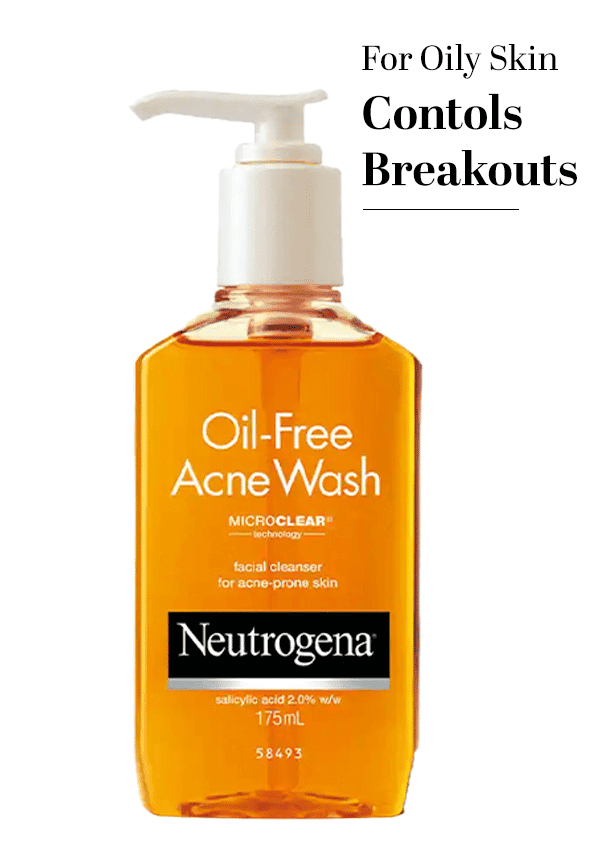
Oil Free Acne Wash For Acne Prone Skin With Salicylic Acid
Reputable Brand for Skin
 5
5“Known brand and known work with skin”
Reputable Brand for Skin
5“Known brand and known work with skin”
Good for Acne Skin
5“best in use for acne skin it helps clean the skin”
Winter can feel like a skincare nightmare when you're dealing with acne. One minute your skin feels tight and flaky, the next you're dealing with fresh breakouts. It's like your face can't decide what it wants. The truth is, cold weather creates a perfect storm for acne-prone skin—stripping away moisture while triggering oil production in all the wrong places. But here's the thing: with the right approach to winter skincare for women with acne, you can actually keep your skin clearer and happier during the colder months. Let's dive into why winter makes acne trickier and how to build a routine that works with your skin, not against it.
Real talk—winter doesn't just make your skin feel different, it actually changes how your skin behaves. When temperatures drop, the air loses moisture, and that dry environment starts pulling water straight from your skin. Your skin's natural barrier gets compromised, which sounds like it would help acne, right? Wrong.
When your skin barrier is damaged, your body goes into overdrive trying to protect itself. This often means producing more oil to compensate for the lost moisture. Plus, indoor heating systems make things worse by creating an even drier environment. Your skin gets confused—it's dehydrated but also potentially oily, leading to that frustrating combination of flaky patches and new breakouts.
Heavy winter clothing adds another layer of complexity. Scarves, high-neck jumpers, and thick fabrics can trap bacteria and create friction against your skin, especially around the jawline and neck. This mechanical irritation can trigger what's called acne mechanica—breakouts caused by physical pressure and rubbing.
There's also the vitamin D factor. With less sunlight exposure, your body produces less vitamin D, which plays a role in skin health and immune function. Some research suggests this might contribute to increased inflammation and slower healing of existing blemishes.
Building an effective acne skincare routine for winter means finding that sweet spot between hydration and acne prevention. Your summer routine probably won't cut it anymore—you need products that can handle the seasonal shift without triggering more breakouts.
The key is layering lightweight, non-comedogenic skincare products that work together to maintain your skin barrier while keeping pores clear. Think of it as building a protective shield that's breathable but effective.
Start with a gentle, low-pH cleanser that won't strip your skin. Look for something with salicylic acid or gentle surfactants that clean without over-drying.
Follow with a hydrating toner or essence—this step is crucial for winter skincare tips success. Choose something with hyaluronic acid or glycerin to add that first layer of moisture.
Apply a lightweight serum with niacinamide or vitamin C. These ingredients help with both acne prevention and barrier repair.
Your moisturiser should be the star of your morning routine. Pick something specifically formulated for acne-prone skin that contains ceramides or hyaluronic acid.
Never skip SPF, even in winter. UV rays reflect off snow and can still damage your skin. Choose a broad-spectrum SPF 30 that won't clog pores.
Double cleanse if you've worn makeup or SPF. Start with a gentle cleansing oil or balm, then follow with your regular cleanser.
This is when you can introduce active ingredients like retinoids or BHA, but rotate them to avoid over-irritation during the drier months.
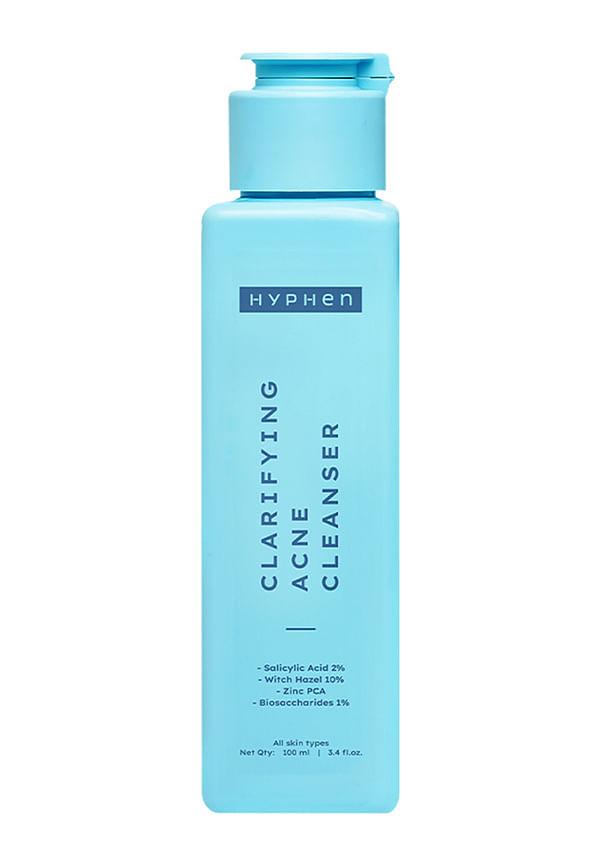
Clarifying Acne Cleanser with Salicylic Acid 2% | Anti-Acne Face Wash
Useful and Lovely Product
5“very much useful product and lovely”
Useful and Lovely Product
5“very much useful product and lovely”
Amazing Product
5“amazing i recommend it to everyone”
Layer on hydrating acne products—a hydrating serum followed by a slightly richer moisturiser than your morning one.
Consider adding a facial oil as your final step if your skin is particularly dry. Choose non-comedogenic options like squalane or jojoba oil.
Finding the best winter moisturizer for acne feels like searching for a unicorn—something that hydrates without causing breakouts. The secret lies in understanding which ingredients work and which textures suit your skin type.
Look for moisturisers with hyaluronic acid, which can hold up to 1000 times its weight in water. This ingredient draws moisture from the environment and deeper skin layers to keep your surface skin plump and hydrated.
Ceramides are another game-changer for winter skincare. These lipids help repair and maintain your skin barrier, which is essential when cold weather is constantly trying to break it down.
Niacinamide deserves a special mention—it's brilliant for acne-prone skin because it regulates oil production while providing anti-inflammatory benefits. Plus, it plays well with other ingredients.
Avoid heavy oils like coconut oil or shea butter in high concentrations, as these can be comedogenic for some people. Instead, look for lighter oils like squalane or rosehip oil if you need extra hydration.
Texture matters too. Gel-creams work well for combination skin, while true dry skin might need a proper cream formula. The key is finding something that absorbs well without leaving a greasy film that could trap bacteria.
Not all acne is created equal, and winter can bring out different types depending on your skin's specific needs. Understanding your skin type helps you choose the right approach for skincare for acne prone skin during the colder months.
Dry skin acne treatment requires a delicate balance. Your skin is producing less oil naturally, but the acne bacteria still need to be addressed. Focus on gentle, hydrating cleansers and avoid over-exfoliating, which can worsen dryness and irritation.
Use cream-based cleansers instead of foaming ones, and limit active ingredients to every other night. Your skin needs time to recover between treatments.
Layer lightweight hydrating products rather than using one heavy cream. This approach gives you better moisture penetration without overwhelming your pores.
Consider adding a humidifier to your bedroom to help maintain moisture levels in the air.
Sensitive skin acne becomes even trickier in winter when your skin barrier is already compromised. Stick to fragrance-free, hypoallergenic products and introduce new items one at a time.
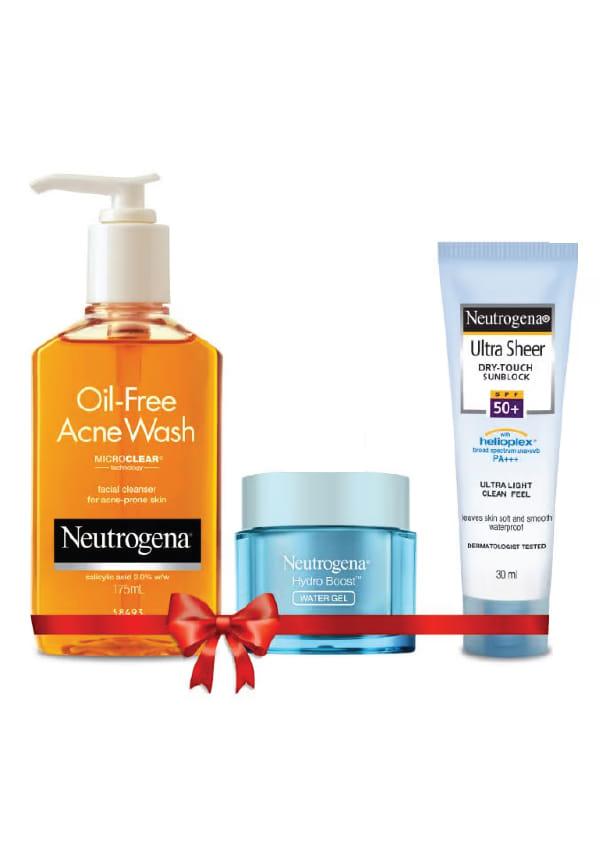
Acne Care Essentials
Nice product, shiny skin
5“very nice product and skin is very shiny”
Good product for face
5“good very good product for face”
Loved product, good deal
5“i loved the product and it's very good deal”
Look for anti-inflammatory ingredients like centella asiatica or green tea extract. These can help calm irritation while still addressing acne concerns.
Always patch test new products, especially during winter when your skin might be more reactive than usual.
Skincare for hormonal acne might need adjusting during winter months. Stress from holiday seasons, changes in sleep patterns, and comfort eating can all impact hormonal fluctuations.
Focus on consistent routines and stress management. Your skin thrives on predictability, especially when hormones are already causing chaos.
Even with the best intentions, it's easy to make mistakes that can sabotage your winter acne prevention efforts. Let's talk about the most common slip-ups and how to avoid them.
Over-moisturising is surprisingly common when people panic about dry winter skin. More isn't always better—using too much product can actually clog pores and create a breeding ground for bacteria.
Skipping SPF because it's cloudy or cold is another major mistake. UV damage happens year-round and can worsen acne scarring and hyperpigmentation.
Using the same products year-round without adjusting for seasonal changes often leads to problems. Your skin's needs change with the weather, and your routine should adapt accordingly.
Taking scorching hot showers feels amazing when it's freezing outside, but it strips your skin of natural oils and can trigger reactive oil production. Stick to lukewarm water and limit shower time.
Neglecting your neck and chest areas is common, but these zones are just as prone to winter acne, especially with scarves and high-neck clothing creating friction and trapping bacteria.
Your skincare routine is just one piece of the puzzle when it comes to managing winter acne. Environmental and lifestyle factors play a huge role in how your skin behaves during the colder months.
Indoor air quality becomes crucial during winter when we spend more time inside with heating systems running. These systems dry out the air significantly, which can worsen skin dehydration and trigger compensatory oil production.
Adding a humidifier to your bedroom can make a real difference. Aim for humidity levels between 40-50% to help maintain your skin's moisture balance without creating an environment where bacteria thrive.
Your clothing choices matter more than you might think. Synthetic fabrics can trap sweat and bacteria against your skin, while natural fibres like cotton allow better airflow. Pay special attention to items that touch your face frequently—scarves, hat linings, and coat collars should be washed regularly.
Winter comfort foods often mean more dairy and sugar, both of which can trigger acne in some people. While you don't need to completely avoid treats, being mindful of how your diet affects your skin can help you make better choices.
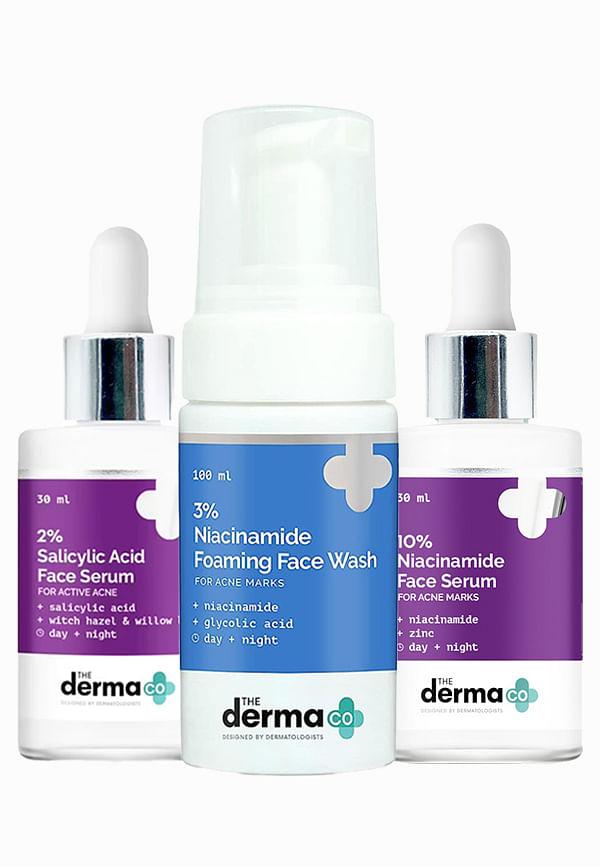
Anti Acne Treatment Kit
Good Product and Delivery
5“good product and delivery service”
Loved this amazing product
5“wow I love this product amazing”
Good for skin, 2 months use
5“good for the skin I m using it from 2 month”
Hydration becomes even more important in winter. The dry air pulls moisture from your body, and proper hydration supports your skin's natural barrier function. Aim for at least 8 glasses of water daily, and consider herbal teas as a warming alternative.
This is where platforms like Smytten become invaluable for your skincare journey. With over 1,500 trusted brands including Cetaphil, Dot & Key, and Bella Vita, you can try different products in mini sizes before committing to full-size purchases. This approach is perfect for winter when your skin might react differently to products, and you need to find what works without wasting money on products that don't suit your changing skin needs.
Cold weather can temporarily reduce inflammation and make pores appear smaller, but it's not a long-term solution. The drying effects of winter air often worsen acne by triggering reactive oil production and compromising your skin barrier.
Twice daily is usually sufficient—once in the morning and once at night. If your skin feels tight during the day, you can add a lightweight hydrating mist, but avoid over-moisturising which can clog pores.
Yes, but you might need to adjust frequency or concentration. Start slowly and always use SPF during the day, as retinoids can increase sun sensitivity. Consider using them every other night instead of daily if your skin becomes too dry.
Winter routines focus more on hydration and barrier repair, while summer routines often emphasise oil control and lighter textures. You might use richer moisturisers in winter and add hydrating serums that you'd skip in humid summer weather.
Choose breathable mask materials, wash reusable masks frequently, and avoid wearing makeup under your mask. Use a gentle cleanser after removing your mask and apply a light, non-comedogenic moisturiser to create a protective barrier.
You might need to switch to a gentler, more hydrating cleanser if your current one feels too stripping. Look for cream or oil-based cleansers instead of foaming ones if your skin feels tight after cleansing.
Managing acne during winter doesn't have to feel like an uphill battle. The key is understanding that your skin's needs change with the seasons and adjusting your approach accordingly. Focus on maintaining your skin barrier while still addressing acne concerns through gentle, consistent care.
Remember that finding the right products often involves some trial and error, especially when your skin is adapting to seasonal changes. Smytten's trial platform makes this process much easier and more affordable. With trial packs from trusted brands, you can test different formulations without the commitment of full-size purchases. Plus, with 100% cashback on trial minis, you can explore various options to build your perfect winter skincare routine without breaking the bank.
The most important thing is consistency. Your skin thrives on routine, especially during challenging winter months. Stick to your chosen products for at least 6-8 weeks to see real results, and don't be afraid to make small adjustments as needed. With the right approach and products, you can keep your skin clear and healthy all winter long.
