
Skincare
•07 min read

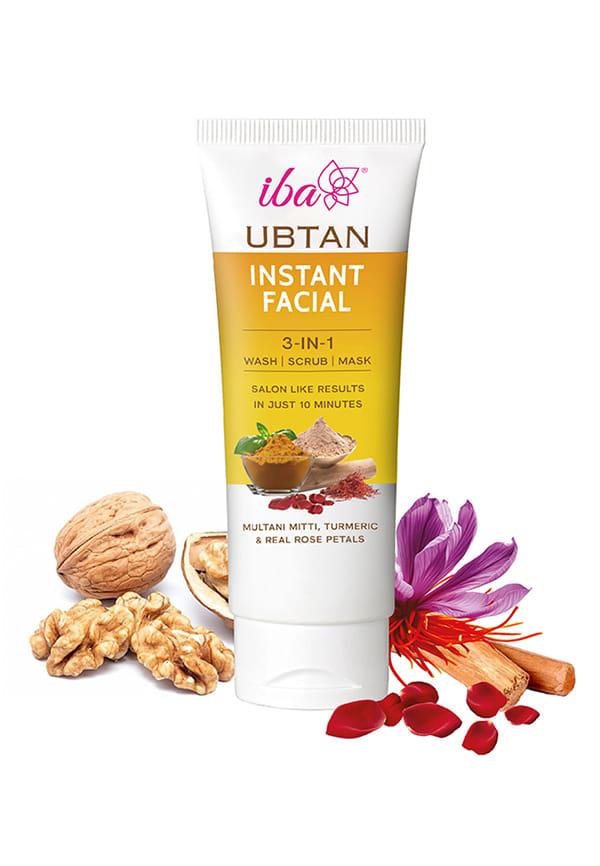
Ubtan Instant Facial 3 IN 1 Wash, Scrub & Mask For all Skin Type with Multani Mitti, Turmeric
Let's be real—turmeric isn't just for your dal anymore. This golden spice has been the secret weapon in skincare routines for centuries, and honestly, it's about time we all caught on. If you've been scrolling through endless skincare trends wondering which one actually works, turmeric face masks might just be your answer. The best part? You probably already have everything you need sitting in your kitchen cupboard. Learning how to make turmeric mask recipes at home is easier than you think, and the results speak for themselves.
Here's the thing about turmeric—it's not just hype. The active compound curcumin is what makes this spice such a powerhouse for natural skincare. Think of curcumin as your skin's personal bodyguard, fighting inflammation and protecting against environmental damage that can leave your complexion looking dull.
The turmeric skin benefits are backed by actual science, not just ancient wisdom (though that counts too). Studies show that curcumin can help reduce hyperpigmentation, calm irritated skin, and even support your skin's natural healing process. It's like having a mini spa treatment that costs pennies instead of pounds.
What makes turmeric particularly brilliant for skin brightening is its ability to gently inhibit melanin production. This means those stubborn dark spots and uneven patches might finally meet their match. Plus, the antioxidant properties help shield your skin from free radicals—basically, all the nasty stuff in the environment that ages your skin faster than you'd like.
Ready to get your hands dirty? These homemade face mask recipes are tried and tested, and each one targets specific skin concerns. The beauty of DIY turmeric masks is that you can customise them based on what your skin needs right now.
This is your starter recipe—simple, effective, and perfect for turmeric newbies.
1 teaspoon turmeric powder
2 tablespoons plain yoghurt
1 tablespoon honey
Mix everything until you get a smooth paste. The yoghurt provides gentle exfoliation, honey locks in moisture, and turmeric does its brightening magic. Apply evenly, avoid the eye area, and rinse off after 15 minutes.
If breakouts are your nemesis, this turmeric mask for acne combines antibacterial powerhouses that mean business.
1 teaspoon turmeric powder
1 teaspoon neem powder
2 drops tea tree oil
2 tablespoons water or rose water
This combination fights acne-causing bacteria whilst reducing inflammation. Use this mask twice a week max—your skin needs time to adjust.
Want that natural glow everyone's always talking about? This glowing skin mask delivers.
1 teaspoon turmeric powder
1 tablespoon gram flour (besan)
1 teaspoon fresh lemon juice
2 tablespoons milk
The vitamin C from lemon enhances turmeric's brightening effects, whilst gram flour provides gentle exfoliation. This skin brightening mask is perfect for evening out your complexion.
For those fine lines that seem to appear overnight, this recipe combines hydration with anti-inflammatory benefits.
1 teaspoon turmeric powder
Half a ripe avocado
1 tablespoon coconut oil
Mash the avocado thoroughly before mixing. The healthy fats support your skin barrier whilst turmeric works on reducing inflammation that can accelerate ageing.
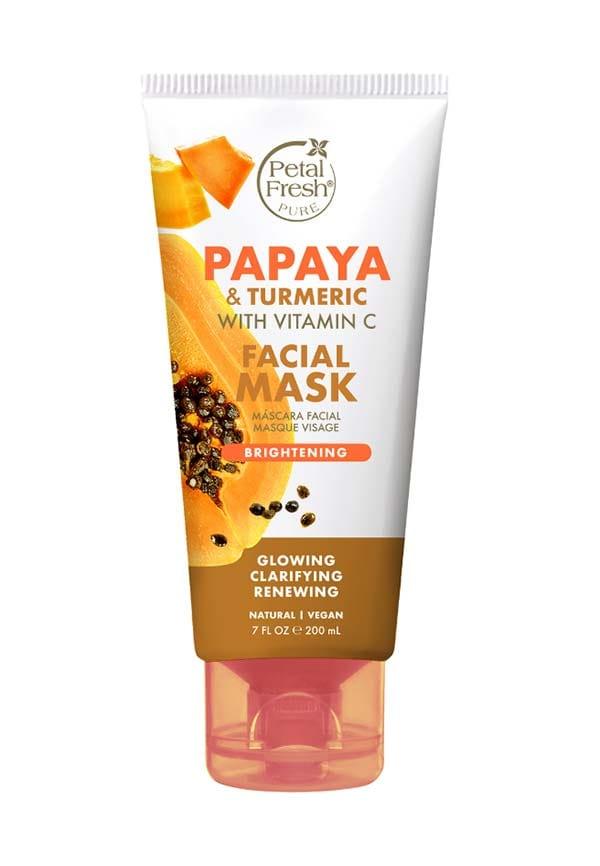
Papaya & Turmeric Facial Mask
Got reactive skin? This gentle version won't cause drama.
Half teaspoon turmeric powder
2 tablespoons ground oats
3 tablespoons whole milk
The oats provide super gentle exfoliation whilst milk soothes and calms. Start with less turmeric if you're particularly sensitive.
Knowing how to make turmeric mask recipes is one thing, but applying them correctly is where the magic happens. Here's your foolproof method for getting the best results without any yellow disasters.
Start with clean, dry skin. Remove all makeup and give your face a gentle cleanse—you want your mask to work on clean skin, not sit on top of the day's grime. Pat your face dry with a clean towel.
When mixing your chosen turmeric mask recipe, aim for a consistency that's thick enough to stay put but not so thick it cracks. Think Greek yoghurt texture. If it's too runny, add more dry ingredients. Too thick? Add liquid gradually.
Apply the mask using clean fingers or a brush, working from your forehead down. Avoid the delicate eye area and your lips. Don't forget your neck—it deserves some love too. The layer should be even but not so thick that it slides off.
Set a timer for 10-15 minutes for your first go. You can work up to 20 minutes once your skin gets used to it. Use this time to relax—put on a podcast, do some gentle stretches, or just lie down and breathe.
Removal is crucial. Start by splashing lukewarm water on your face to soften the mask, then gently massage in circular motions as you rinse. Don't scrub—let the water do most of the work. Follow up with your usual moisturiser.
Before you dive headfirst into turmeric territory, let's talk safety. Whilst turmeric is generally gentle, it's always smart to patch test first—especially if you have sensitive skin or allergies.
Do a patch test 24-48 hours before your first full face application. Mix a tiny amount of your chosen recipe and apply it to the inside of your wrist or behind your ear. If you notice any redness, itching, or irritation, skip the turmeric masks for now.
The biggest concern most people have is staining. Good quality turmeric shouldn't leave permanent yellow marks, but it can temporarily tint your skin. This usually fades within a few hours, but if you're heading out immediately after, maybe save the mask for evening.
Avoid turmeric masks if you're taking blood-thinning medications, as turmeric can enhance their effects. Pregnant or breastfeeding? Check with your healthcare provider first, though topical use is generally considered safe.
If you notice persistent redness, burning, or any unusual reactions, remove the mask immediately and consult a dermatologist if symptoms don't settle quickly.
Real talk—skincare isn't magic. Even the best natural skincare routine takes time to show results. With turmeric masks, you might notice your skin looking brighter after the first use, but significant changes typically appear after 2-4 weeks of consistent use.
Start with once a week and see how your skin responds. Most people can handle 2-3 times weekly once their skin adjusts. Listen to your skin—if it feels irritated or overly dry, scale back.
The beauty of natural skincare is that you can adjust recipes based on seasonal changes. In winter, add more moisturising ingredients like honey or oils. Summer calls for lighter, more mattifying combinations with clay or lemon.
Remember, turmeric masks work best as part of a broader routine. They're brilliant for addressing specific concerns, but don't expect them to solve everything. Combine them with proper cleansing, moisturising, and sun protection for the best results.
Speaking of comprehensive skincare routines, platforms like Smytten make it easier to discover products that complement your DIY efforts. With trial packs from trusted brands, you can explore what works for your skin without committing to full-size products—perfect for building a routine that actually suits you.
Let's save you from some rookie errors that could turn your skincare session into a disaster. The biggest mistake? Using too much turmeric. More isn't better—it just increases your chances of temporary staining and potential irritation.
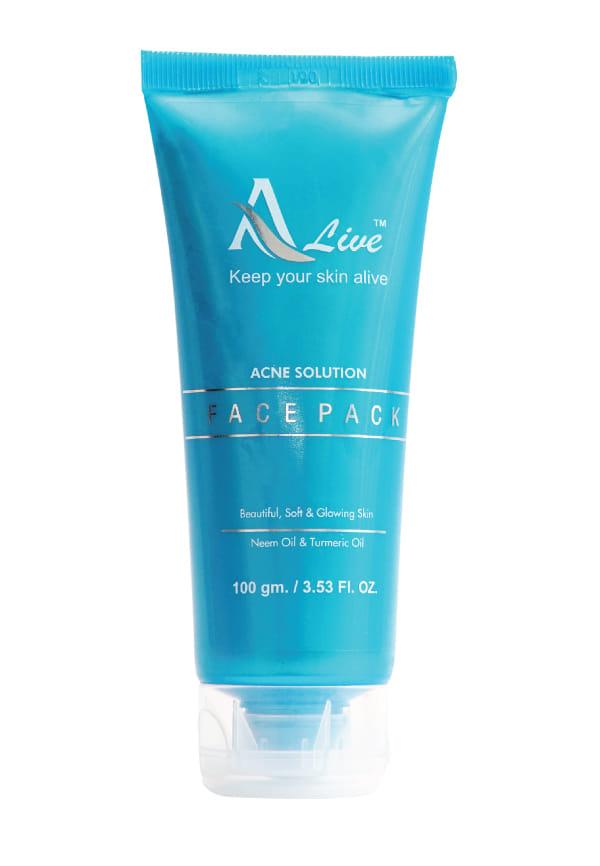
Neem + Turmeric Face Pack
Another common slip-up is leaving the mask on too long. That 'more time equals better results' mentality doesn't apply here. Stick to the recommended timing to avoid over-drying your skin.
Quality matters when it comes to turmeric powder. Avoid the stuff that's been sitting in your spice rack for years—fresh, high-quality turmeric powder gives better results and is less likely to irritate.
Don't mix incompatible ingredients without research. Some combinations can neutralise benefits or cause unexpected reactions. Stick to tried-and-tested recipes until you understand how different ingredients interact.
Finally, skipping the patch test is asking for trouble. Even if you've used turmeric before, different combinations can react differently with your skin.
Start with once a week and gradually increase to 2-3 times weekly if your skin tolerates it well. Sensitive skin types should stick to once weekly to avoid irritation.
No, quality turmeric shouldn't permanently stain your skin. Any yellow tint typically fades within a few hours. If staining persists, you might be using too much turmeric or a lower-quality powder.
Yes, but start with smaller amounts of turmeric and gentler ingredients like oats and milk. Always patch test first and reduce frequency if you notice any irritation.
Pure, organic turmeric powder without additives works best. Avoid turmeric blends meant for cooking as they may contain other spices that could irritate your skin.
You might notice immediate brightness after your first use, but significant improvements in skin texture and tone typically appear after 2-4 weeks of consistent use.
Fresh masks work best, but you can store leftovers in the fridge for up to 24 hours. Make sure to use a clean container and check for any changes in smell or texture before reusing.
Topical use is generally considered safe, but it's always best to consult your healthcare provider before trying new skincare ingredients during pregnancy or breastfeeding.
Don't panic—this is temporary. Gently cleanse with a mild exfoliant like oats mixed with milk, or try rubbing a slice of lemon on the affected area. The colour should fade within a few hours.
Learning how to make turmeric mask recipes at home opens up a world of natural skincare possibilities that won't break the bank. Whether you're dealing with acne, dullness, or just want that healthy glow, there's a DIY turmeric mask that can help you get there.
The key is starting slowly, listening to your skin, and being consistent with your routine. Remember, great skin isn't built overnight—it's the result of good habits and products that work for your unique needs.
While DIY masks are fantastic for targeted treatments, building a complete skincare routine often requires exploring different products and brands. That's where Smytten comes in handy—with trial packs from over 1,500 trusted brands, you can discover what works for your skin without the guesswork. From gentle cleansers to targeted serums, you can try everything before committing to full sizes, making your skincare journey both affordable and effective.
