Skincare
•09 min read

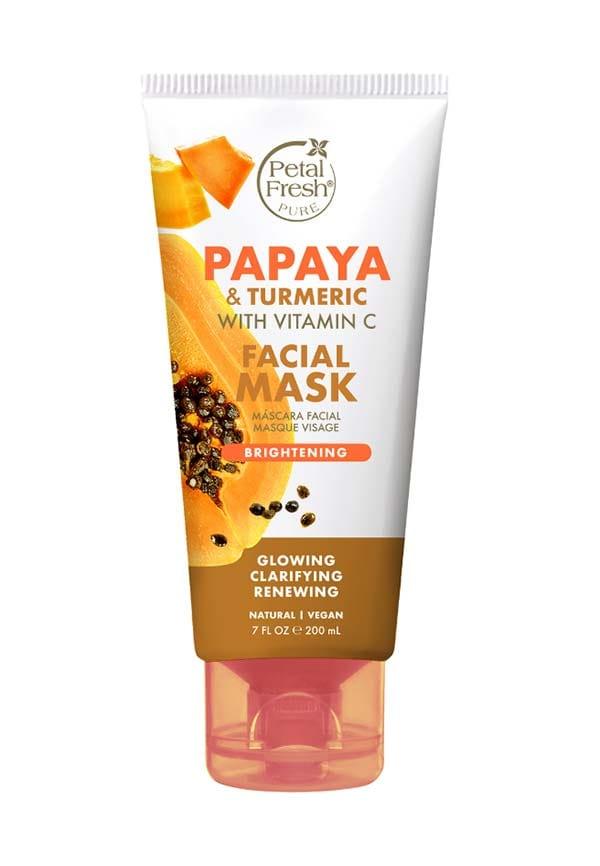
Papaya & Turmeric Facial Mask
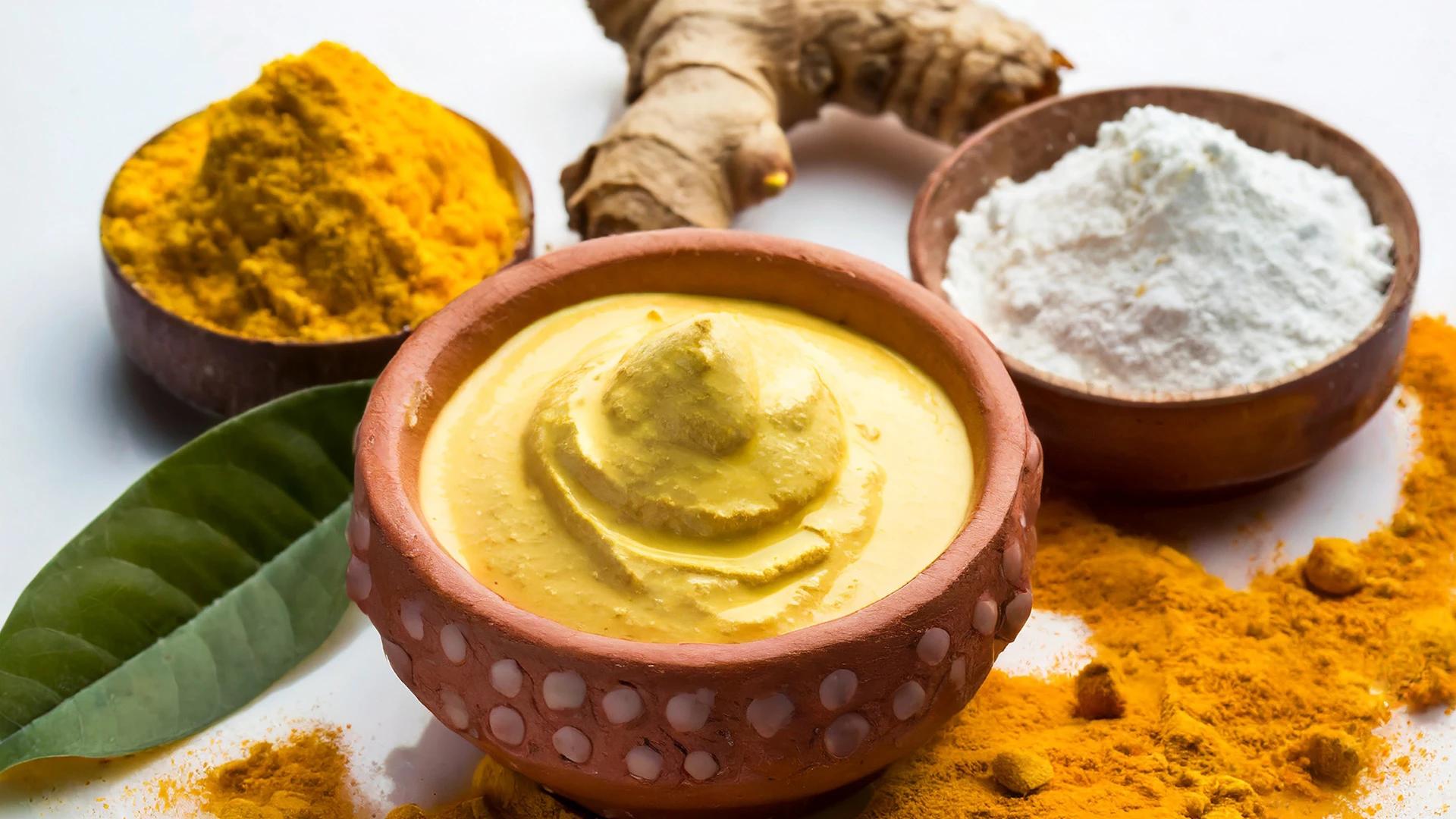
Let's be real—acne can be absolutely frustrating, especially when you've tried what feels like every product on the shelf. But here's something that might surprise you: one of the most effective natural acne treatments has been sitting in your spice rack all along. A turmeric face mask for acne isn't just some trendy DIY hack—it's backed by centuries of traditional use and modern science. This golden spice packs serious anti-inflammatory and antibacterial power that can help calm angry breakouts, reduce redness, and give your skin the reset it desperately needs. Whether you're dealing with stubborn cystic acne or just the occasional hormonal breakout, learning how to harness turmeric benefits for skin could be your game-changer. Ready to discover why this humble kitchen ingredient might just become your skin's new best friend?
Turmeric isn't just another wellness trend—it's a powerhouse ingredient that's been used in traditional medicine for thousands of years. The secret lies in curcumin, the active compound that gives turmeric its vibrant yellow colour and incredible healing properties. When it comes to acne, this little spice punches way above its weight.
Curcumin is like a triple threat against acne. First, it's a natural anti-inflammatory, which means it can calm down those angry, red bumps that make you want to hide under a hat. Second, it has antibacterial properties that target the bacteria responsible for causing acne in the first place. And third, it's packed with antioxidants that help your skin heal faster and protect against future damage. Studies have shown that curcumin can be just as effective as some conventional acne treatments, but without the harsh side effects like dryness or irritation that often come with chemical solutions.
Not all acne is created equal, and turmeric seems to understand that. For inflammatory acne—those painful, red bumps that seem to appear overnight—turmeric's anti-inflammatory properties work to reduce swelling and redness. For non-inflammatory acne like blackheads and whiteheads, turmeric helps by gently exfoliating dead skin cells and unclogging pores. Even better, turmeric can help fade those stubborn post-acne marks that stick around long after the actual spot has healed. Its antioxidant properties help speed up cell turnover, gradually lightening dark spots and evening out your skin tone.
Creating an effective DIY turmeric face mask is all about choosing the right ingredients and knowing how to combine them. Think of it like cooking—you need quality ingredients and the right ratios to get the best results.
Not all turmeric is created equal when it comes to skincare. You'll want to use pure, organic turmeric powder without any additives or preservatives. Fresh turmeric root can work too, but it's messier and can stain more easily. Avoid turmeric that's been mixed with other spices or contains artificial colours—your skin deserves the pure stuff. Look for turmeric powder that's bright yellow-orange in colour and has a fresh, earthy smell. If it smells musty or looks dull, it's probably past its prime and won't be as effective.
Turmeric works beautifully on its own, but pairing it with the right ingredients can supercharge its acne-fighting abilities. Honey is a fantastic partner—it's naturally antibacterial and helps the mask stick to your skin without being too harsh. Raw honey is your best bet here. Yogurt brings gentle exfoliation thanks to its natural lactic acid content, which helps remove dead skin cells that can clog pores. Clay, particularly bentonite or kaolin clay, is brilliant for oily skin as it absorbs excess oil and draws impurities out of pores. Aloe vera gel is perfect for sensitive skin, as it soothes inflammation whilst helping the other ingredients penetrate better.
Here's where the magic happens—these turmeric mask recipes are tried and tested formulas that actually work. Each one targets different skin concerns, so you can choose the perfect match for your skin's needs.
If you're new to turmeric skin care, start simple. Mix one teaspoon of turmeric powder with two tablespoons of plain yogurt and a teaspoon of honey. This gentle combination is perfect for testing how your skin reacts to turmeric whilst still getting all the benefits. Apply evenly to clean skin, avoiding the eye area, and leave for 15 minutes. The yogurt provides gentle exfoliation, honey adds antibacterial power, and turmeric brings the anti-inflammatory benefits.
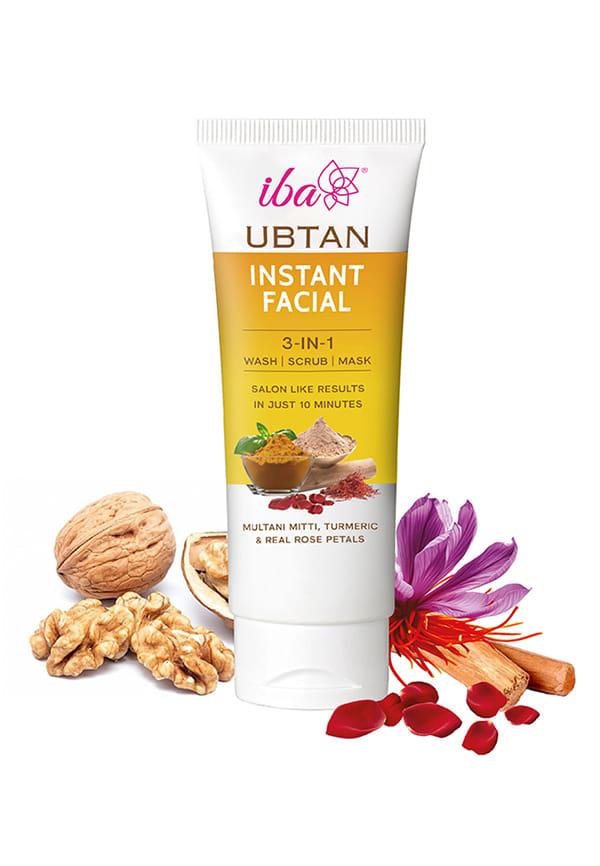
Ubtan Instant Facial 3 IN 1 Wash, Scrub & Mask For all Skin Type with Multani Mitti, Turmeric
For angry, red breakouts, this mask is your new best friend. Combine one teaspoon of turmeric with two tablespoons of raw honey and a few drops of tea tree oil. This combination is particularly effective for turmeric for skin inflammation because honey and tea tree oil both have powerful antibacterial properties. The consistency should be thick enough to stay put on your face but not so thick that it's difficult to spread. Leave on for 20 minutes, then rinse with lukewarm water.
If excess oil is your main concern, this mask will become your go-to. Mix one teaspoon of turmeric with two tablespoons of bentonite clay and enough water or rose water to form a smooth paste. This is one of the best face masks for blemishes because clay literally pulls impurities out of your pores. Apply a thin, even layer and let it dry completely—about 15-20 minutes. You'll feel it tightening as it dries, which means it's working. Rinse off gently with lukewarm water.
Sensitive skin needs extra TLC, and this gentle mask delivers. Combine half a teaspoon of turmeric with three tablespoons of plain Greek yogurt and a tablespoon of oatmeal powder. The reduced turmeric content minimises staining risk whilst still providing benefits. This mask is particularly good for those who want to try homemade acne remedies but are worried about irritation. The oatmeal adds gentle physical exfoliation, whilst yogurt soothes and moisturises.
Knowing how to apply your turmeric face mask for acne properly can make the difference between amazing results and a disappointing experience. It's not just about slapping it on and hoping for the best—technique matters.
Before you dive in, always do a patch test. Apply a small amount of your chosen mask to the inside of your wrist or behind your ear and wait 24 hours to check for any reaction. This is especially important with turmeric, as some people can be sensitive to it. Start with completely clean skin. Use your regular cleanser to remove any makeup, sunscreen, or daily grime. Pat your skin dry with a clean towel—don't rub, as this can irritate already sensitive acne-prone skin.
Using clean fingers or a clean brush, apply the mask in upward strokes, starting from your neck and working your way up. Avoid the delicate eye area and your lips. The layer should be thick enough that you can't see your skin through it, but not so thick that it's dripping off. Pay extra attention to your T-zone and any areas where you typically break out. These spots can handle a slightly thicker application. Set a timer for 15-20 minutes—any longer and you risk irritation, especially if you're using clay-based masks.
When it's time to remove the mask, resist the urge to scrub. Instead, use lukewarm water and gentle circular motions to soften the mask first, then rinse thoroughly. Pat your skin dry and follow up with a gentle, non-comedogenic moisturiser. This is crucial—even oily, acne-prone skin needs moisture, and skipping this step can actually make your skin produce more oil to compensate.
Even the best natural acne treatment can backfire if you're making these common mistakes. Let's make sure you're setting yourself up for success, not frustration.
Turmeric's biggest downside is its tendency to stain everything it touches—including your skin. To minimise yellow staining, add a pinch of gram flour (besan) to your mask, or use less turmeric and more of the other ingredients. If you do end up with a yellow tint, don't panic. A gentle exfoliant or a cotton pad soaked in milk can help remove it. Always wear old clothes when applying turmeric masks, and consider putting a towel around your shoulders. Your bathroom surfaces will thank you too—clean up any spills immediately.
Lavender Keratin Mask
More isn't always better when it comes to face masks. For most people, using a turmeric mask for clear skin 2-3 times per week is plenty. Daily use can actually irritate your skin and disrupt its natural barrier function. Pay attention to how your skin responds. If you notice increased redness, dryness, or irritation, scale back to once a week or try a gentler recipe.
Whilst turmeric plays well with most ingredients, there are some combinations to avoid. Don't mix turmeric with strong acids like glycolic acid or retinoids—this can cause irritation. Also, if you're using prescription acne medications, check with your dermatologist before adding DIY treatments to your routine.
Wondering how turmeric compares to other homemade acne remedies? Each natural treatment has its strengths, and understanding these can help you choose the right approach for your skin. Tea tree oil is fantastic for spot treatments and has strong antibacterial properties, but it can be quite drying and isn't suitable for sensitive skin. Oatmeal masks are incredibly gentle and great for soothing irritated skin, but they don't pack the same anti-inflammatory punch as turmeric. Green tea treatments offer antioxidant benefits and can help with oil control, but they're generally milder than turmeric masks. Turmeric stands out because it addresses multiple acne concerns simultaneously—inflammation, bacteria, and healing—whilst being gentle enough for most skin types. It's particularly brilliant for those dealing with inflammatory acne or post-acne marks. Whilst exploring natural treatments, you might also want to discover what works best for your unique skin through trial-sized products. Smytten, India's largest product discovery platform, offers curated trial packs from over 1,500 trusted skincare brands. With options to try up to 8 minis for just ₹249 and 100% cashback on purchases, you can explore professional acne treatments alongside your DIY routine without the commitment of full-size purchases.
Whilst turmeric is generally gentle, some people can be sensitive to it. Always do a patch test first, and start with smaller amounts of turmeric in your masks. If you experience redness, itching, or burning, discontinue use immediately.
Most people notice some improvement in redness and inflammation after just one use. For significant changes in acne and skin texture, give it 4-6 weeks of consistent use. Remember, natural treatments work more gradually than harsh chemicals, but they're often gentler on your skin.
No, turmeric staining is temporary and usually fades within a few hours to a day. To minimise staining, use less turmeric in your masks or add ingredients like gram flour that help prevent the yellow tint.
Generally yes, but be cautious about combining turmeric with strong active ingredients like retinoids or acids. If you're using prescription acne medications, consult your dermatologist first. It's often best to use turmeric masks on days when you're not using other active treatments.
For most people, 2-3 times per week is ideal. If you have very sensitive skin, start with once a week and gradually increase if your skin tolerates it well. Daily use isn't recommended as it can lead to irritation.
Both have their merits. Homemade masks let you control exactly what goes on your skin and are often more cost-effective. However, commercial products undergo stability testing and may contain additional beneficial ingredients. The best choice depends on your preferences, skin sensitivity, and lifestyle.
Creating an effective turmeric face mask for acne is simpler than you might think, but the results can be genuinely transformative. This golden spice offers a gentle yet powerful approach to tackling breakouts, reducing inflammation, and promoting clearer skin—all without the harsh side effects often associated with conventional acne treatments. The key to success lies in choosing quality ingredients, finding the right recipe for your skin type, and being consistent with your routine. Whether you opt for a simple turmeric and honey combination or a more complex clay-based formula, remember that natural treatments require patience and persistence. Whilst DIY masks are brilliant for many people, don't forget that skincare is highly individual. What works wonderfully for your friend might not be perfect for you, and that's completely normal. The beauty of natural treatments like turmeric is that they're gentle enough to experiment with safely, allowing you to find your perfect formula through trial and discovery. With over 25 million users trusting Smytten's approach to skincare discovery, the platform understands that finding the right products—whether natural or commercial—shouldn't involve guesswork or expensive mistakes. After all, why settle for 'maybe' when you can try it all and find what truly works for your unique skin?
