How to Layer Sunscreen Over Moisturiser Without Pilling in India


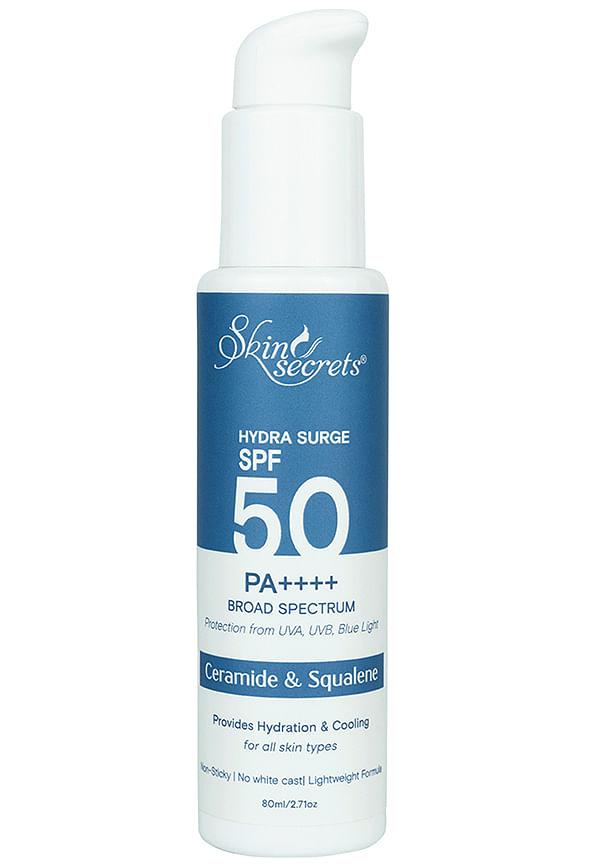
Hydra Surge SPF 50
You've just applied your favourite moisturiser, waited a few minutes, and then smoothed on sunscreen—only to watch it pill up into tiny white flakes across your face. Sound familiar? This frustrating morning routine mishap is incredibly common, especially in India's humid climate where layering products can feel like a delicate balancing act. The good news? With the right technique and timing, you can achieve that smooth, protected base every single day.
Understanding why pilling happens is the first step to preventing it. When you apply sunscreen before or after moisturizer, you're essentially creating layers of different formulations on your skin. Pilling occurs when these layers don't properly bond together, causing the top layer to clump and roll off.
Chemical sunscreens need to penetrate the skin to work effectively, whilst physical sunscreens (containing zinc oxide or titanium dioxide) sit on top to create a protective barrier. Your moisturiser creates the foundation layer, and its ingredients—whether silicones, oils, or humectants—directly affect how well your sunscreen will adhere.
In India's climate, this becomes even trickier. High humidity means products take longer to absorb, whilst heat can cause formulations to separate or become unstable. The key is choosing compatible products and mastering the timing between applications.
Silicone-heavy moisturisers can create a slippery base that prevents sunscreen from adhering properly. Similarly, oil-rich formulations might not play well with certain sunscreen ingredients. Look for products specifically designed to work together, or test new combinations on a small patch of skin first.
Getting your moisturizer and sunscreen routine right is all about technique and timing. Here's the foolproof method that works beautifully for Indian skin and climate conditions.
Start with clean, slightly damp skin. Pat dry gently, leaving just a hint of moisture—this helps your moisturiser spread more easily and absorb better.
Use a pea-sized amount for your entire face and neck. Warm the product between your palms, then press it into your skin using upward motions. Don't rub vigorously—gentle patting and pressing motions help the product absorb without creating friction.
Here's the crucial bit: wait 2-3 minutes before applying sunscreen. This allows your moisturiser to properly absorb and creates a stable base layer. In humid conditions, you might need an extra minute or two.
Use about half a teaspoon of sunscreen for your face and neck. Apply in small dots across your forehead, cheeks, nose, and chin, then blend outward using gentle patting motions. Never rub sunscreen in circular motions over moisturiser—this is the quickest way to cause pilling.
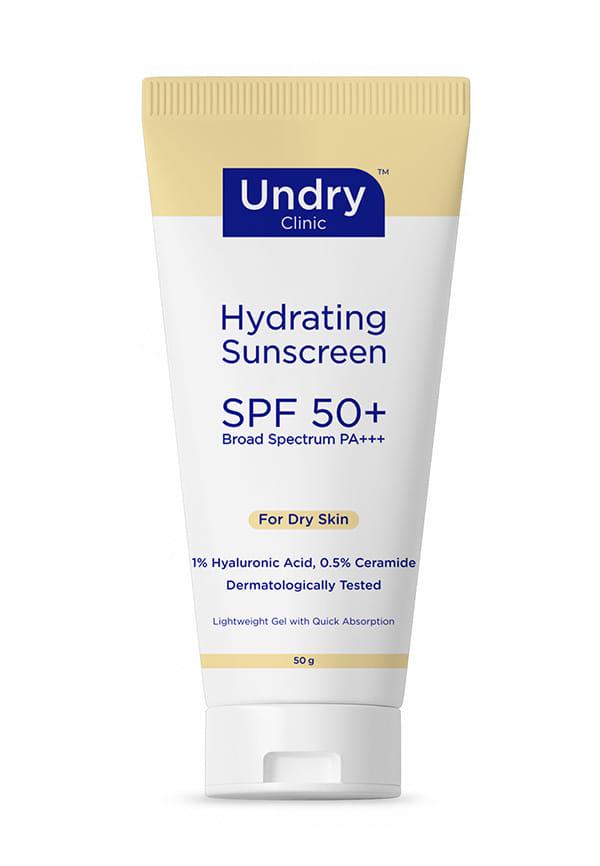
Hydrating Sunscreen for Dry Skin SPF 50
Give your sunscreen 5-10 minutes to set before applying makeup or heading outdoors. This ensures maximum protection and prevents any transfer onto clothing or masks.
Mastering how to prevent sunscreen pilling comes down to understanding the interaction between your products and perfecting your application technique. Real talk—it's not just about the products you choose, but how you use them.
Instead of rubbing products into your skin, use gentle patting and pressing motions. This technique prevents the layers from mixing and creating those annoying little balls of product. Start from the centre of your face and work outward, using your fingertips to press the sunscreen into place.
In India's heat, products can become too warm and lose their stability. Store your non-pilling sunscreen in a cool, dry place, and consider keeping it in the fridge during particularly hot months. Cool products absorb better and are less likely to pill.
Before committing to a new combination, test your moisturiser and sunscreen together on your inner arm. Apply them using your usual technique and see how they interact over a few hours. This simple test can save you from morning routine disasters.
Using too much product is a major culprit behind pilling. More isn't always better—focus on proper coverage rather than thick layers. Also, avoid applying sunscreen to skin that's still tacky from moisturiser. That waiting period really does make all the difference.
Choosing the right best sunscreen for face India depends largely on your skin type and the climate you're dealing with. What works beautifully in Mumbai's humidity might feel too heavy in Delhi's dry heat.
Gel-based or fluid sunscreens work brilliantly for oily and combination skin. Look for formulations containing niacinamide or zinc oxide, which help control shine whilst providing protection. Mattifying sunscreens are particularly worth adding to your routine if you struggle with excess oil throughout the day.
If your skin tends toward dryness, especially in air-conditioned environments, opt for cream-based sunscreens with hydrating ingredients like hyaluronic acid or ceramides. These formulations provide moisture whilst protecting, reducing the need for heavy moisturiser underneath.

Hydroboost Hydrating Fluid Sunscreen Moisturizer Spf 50
Mineral sunscreens containing zinc oxide or titanium dioxide are gentler options for sensitive skin. For acne-prone skin, look for non-comedogenic formulations that won't clog pores. Avoid heavily fragranced products, which can irritate already sensitive skin.
Your complete skincare routine steps should flow seamlessly from one product to the next. Here's how to structure your morning routine for maximum effectiveness and minimal pilling.
Start with a gentle cleanser, followed by any treatment serums (like vitamin C or niacinamide). Apply these on slightly damp skin and allow 2-3 minutes for absorption. Next comes your moisturiser, followed by that crucial waiting period before sunscreen application.
During monsoon season, you might need to extend waiting times between products due to increased humidity. In winter, when skin tends to be drier, you might layer a hydrating serum under your moisturiser for extra nourishment.
If you wear makeup, allow your sunscreen to fully set before applying primer or foundation. This prevents your base makeup from lifting or becoming patchy. Consider using a makeup setting spray to lock everything in place, especially during humid months.
Even with perfect technique, you might encounter some challenges. Here's how to address the most common sunscreen application tips and problems that arise in Indian conditions.
If your sunscreen leaves a white cast, you're likely using too much product or haven't blended it properly. Try using smaller amounts and building up coverage gradually. Tinted sunscreens can also help neutralise any remaining white residue.
In humid conditions, even the best formulations can feel greasy. Use blotting papers throughout the day rather than adding more powder, which can interfere with your sun protection. Consider switching to a mattifying sunscreen if shine is a persistent problem.
Reapplying sunscreen over makeup requires a different approach. Use a powder sunscreen or a setting spray with SPF for touch-ups. If you're not wearing makeup, gently pat fresh sunscreen over your existing layer rather than rubbing it in.

Barrier Repair Sunscreen, In-Vivo Tested SPF 50+ PA++++
Absolutely! In fact, applying moisturiser first creates a smooth base that helps sunscreen spread evenly. The key is waiting 2-3 minutes between applications to allow proper absorption and prevent pilling.
Dermatologists recommend applying moisturiser first, then sunscreen. This order ensures your skin is properly hydrated whilst allowing the sunscreen to form an effective protective barrier on top.
Wait 2-3 minutes between applications in normal conditions, or up to 5 minutes in high humidity. Your moisturiser should feel absorbed and no longer tacky before applying sunscreen.
The biggest mistakes include using insufficient amounts (you need about half a teaspoon for face and neck), applying over tacky moisturiser, and rubbing rather than patting the product into skin.
Mixing products can reduce the SPF effectiveness and create an uneven application. It's always better to apply them separately in the correct order for optimal protection.
Use approximately half a teaspoon of sunscreen for your face and neck. This might seem like a lot, but it's necessary for the stated SPF protection to be effective.
Mastering the art of layering skincare products without pilling takes a bit of practice, but once you've got the technique down, it becomes second nature. The key is understanding your skin's needs, choosing compatible products, and being patient with timing between applications.
Remember, your skin will notice the difference when you take the time to apply products properly. Whether you're dealing with oily skin in Chennai's humidity or dry skin in Delhi's winter, the right technique and products make all the difference in achieving that smooth, protected finish you're after.
If you're curious about trying different sunscreen formulations to find your perfect match, Smytten's curated selection includes options from trusted brands across various price points. With over 28 million users discovering their ideal products through trial-sized options, you can explore what works best for your skin without committing to full-size purchases right away. Your skin deserves the protection it needs, and finding the right products shouldn't involve guesswork.
