How to Layer Skincare Actives Correctly for Indian Climate


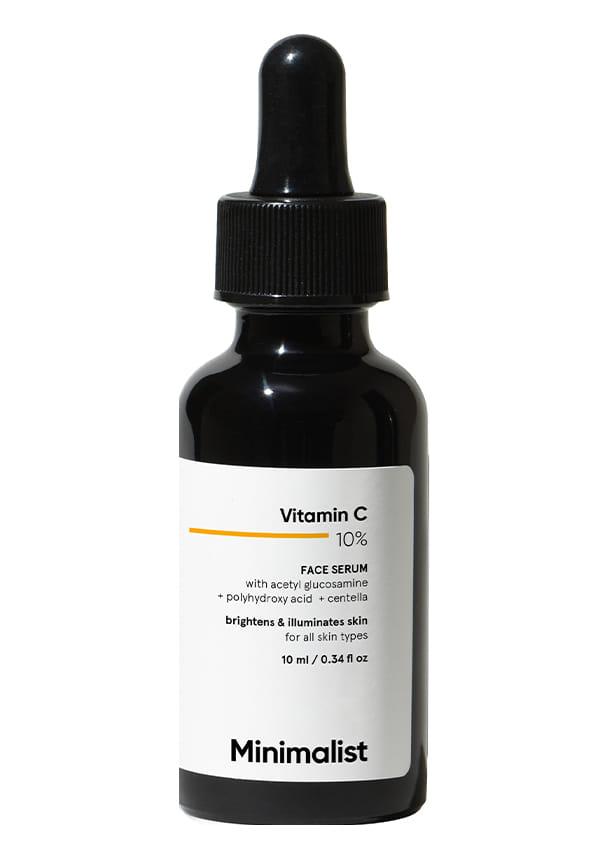
10% Vitamin C Face Serum For Skin Brightening & Reduce Sun Damage
Let's be real—skincare layering can feel like rocket science, especially when you're dealing with India's unpredictable weather. One day it's blazing hot, the next it's humid enough to make your face feel like a swimming pool. Getting your skincare actives order right isn't just about following trends; it's about making sure your skin actually absorbs what you're putting on it. When you layer correctly, those expensive serums work harder for you. When you don't? You might as well be throwing money down the drain.
Think of active ingredients for skin as the hardworking heroes of your routine—vitamin C, retinoids, AHA/BHA acids, and niacinamide. These aren't just fancy names on bottles; they're scientifically proven ingredients that actually change your skin. But here's the thing: India's climate throws a proper curveball at how these actives behave.
Our humidity levels can hit 80% during monsoons, while summer temperatures soar past 40°C. This combo affects how your skin absorbs products and how stable these actives remain. High humidity can make some ingredients work overtime (hello, hyaluronic acid), while heat can break down others faster than you'd like.
The science behind proper layering comes down to two key factors: pH levels and molecular weight. Vitamin C works best at a pH of 3.5, while your skin sits at around 5.5. Layer incorrectly, and you're basically neutralising your expensive serum. Molecular weight determines absorption—smaller molecules like hyaluronic acid go first, followed by larger ones like peptides.
Common mistakes? Slapping everything on at once, ignoring wait times, and using the same routine year-round. Your skin needs different support during Delhi's dry winters versus Mumbai's sticky summers.
Your skincare layering guide for Indian weather starts with four non-negotiable rules. First, always go from thin to thick consistency—this isn't just aesthetic, it's about penetration. Water-based serums absorb better when they hit clean skin first.
pH compatibility becomes crucial in our climate. When it's hot and humid, your skin's natural pH can shift, making some combinations less effective. Here's a quick reference: vitamin C (pH 3-4), AHA/BHA (pH 3-4), niacinamide (pH 5-7), and hyaluronic acid (pH 4-6).
In skincare for hot weather, patience pays off. Give each layer 30-60 seconds to absorb before adding the next. In humid conditions, this prevents that dreaded pilling effect where products ball up on your skin.
This rule becomes even more important in Indian humidity. Oil-based products create a barrier that can trap heat and moisture, potentially leading to breakouts if applied too early in your routine.
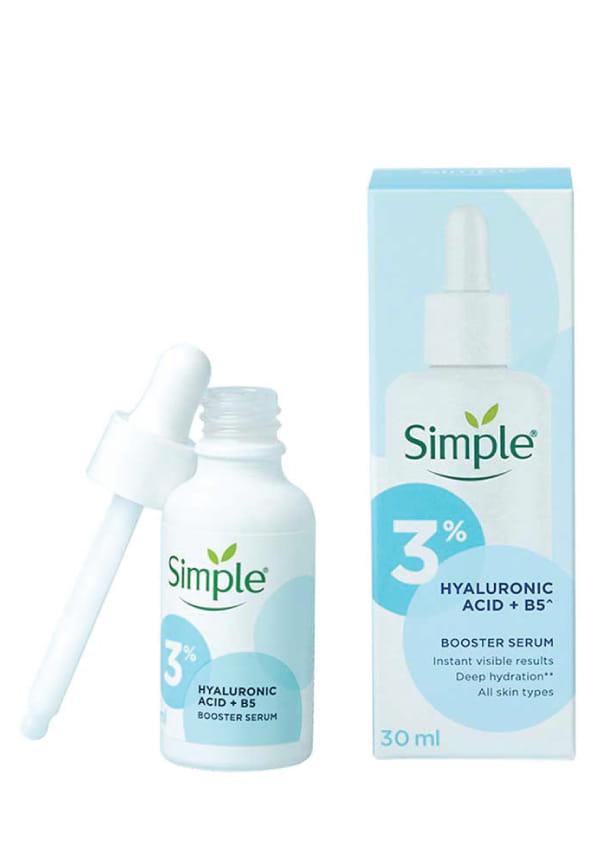
Booster Serum 3% Hyaluronic Acid + B5 For Deep Hydration
Your morning indian skincare routine should focus on protection and lightweight hydration. Start with a gentle cleanser that removes overnight buildup without stripping your skin—crucial when you're about to face pollution and heat.
Next comes your vitamin c serum routine. Apply 2-3 drops of vitamin C serum (10-15% concentration works well for Indian skin) and gently pat it in. Vitamin C acts as your antioxidant shield against pollution and UV damage—both major concerns in Indian cities.
Hyaluronic acid layering comes next, and here's where Indian humidity becomes your friend. Hyaluronic acid pulls moisture from the environment, so our naturally humid air helps it work more effectively. Apply to slightly damp skin for maximum benefit.
Follow with a lightweight, non-comedogenic moisturiser. Look for gel-based formulas that won't feel heavy in the heat. Finally, never skip broad-spectrum SPF 30 or higher—this step is non-negotiable regardless of weather.
For Indian conditions, stick to 10-15% vitamin C concentrations. Higher percentages can irritate skin that's already stressed by heat and pollution. Apply sunscreen generously—about ¼ teaspoon for your face—and reapply every 2-3 hours if you're outdoors.
Evening routines allow for stronger exfoliating acids skincare and treatment actives. Start with double cleansing—oil cleanser first to remove sunscreen and pollution, followed by a gentle water-based cleanser.
This is when you introduce skincare actives combination like AHA/BHA acids. For Indian skin, start with 2% salicylic acid (BHA) twice a week, or 5% lactic acid (AHA) once weekly. These help combat humidity-induced congestion and pollution buildup.
Treatment serums come next—retinoids, peptides, or targeted treatments. If you're using retinol, start with 0.25% concentration once a week and build tolerance gradually. Indian skin often responds well to slower introduction of actives.
Finish with hydrating essences or a richer night moisturiser. In very humid conditions, you might skip heavy creams and opt for lightweight, hydrating layers instead.
Never combine retinoids with AHA/BHA acids on the same night. Alternate them—acids on Monday and Thursday, retinoids on Tuesday and Friday. This prevents over-exfoliation, especially important when your skin is already dealing with environmental stress.
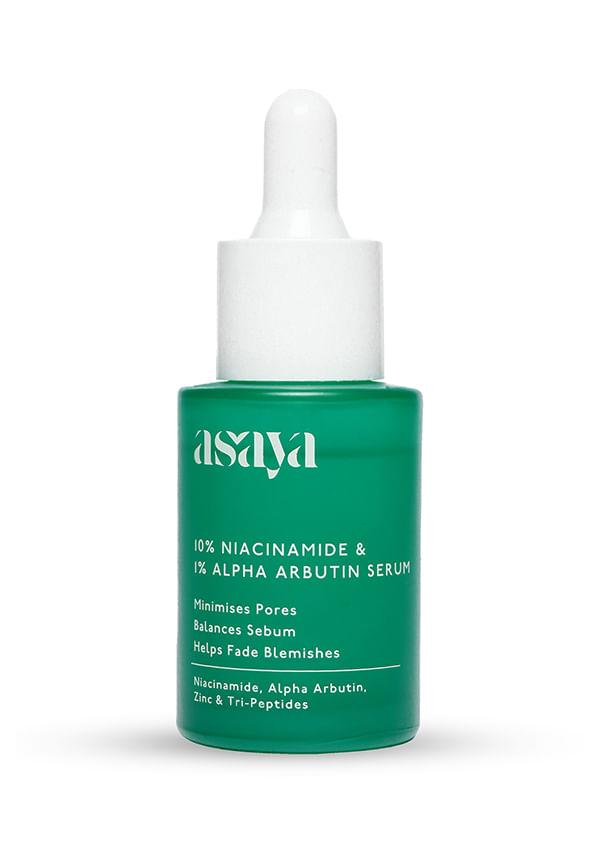
10% Niacinamide & 1% Alpha Arbutin Face Serum
The best skincare ingredients india offers work with our climate, not against it. For oily and combination skin types (common in our humid conditions), niacinamide is your best friend. It controls oil production and minimises pores—perfect for when humidity makes your T-zone feel like an oil slick.
Salicylic acid (BHA) penetrates oil-filled pores, making it ideal for humidity-induced breakouts. Unlike AHA acids, BHA is oil-soluble, so it works even when your skin feels greasy.
Ceramides help repair your skin barrier, especially important if you're constantly moving between air-conditioned spaces and outdoor heat. Panthenol (pro-vitamin B5) soothes heat-irritated skin and provides gentle hydration.
Centella asiatica, a traditional Indian ingredient, offers anti-inflammatory benefits perfect for skin stressed by pollution and temperature changes.
Hyaluronic acid layering works brilliantly in Indian humidity. Apply to damp skin and follow with a moisturiser to lock in hydration. Vitamin C remains stable in cooler morning temperatures but store it properly to prevent oxidation in heat.
Over-layering becomes a real problem in humid weather. When you pile on too many products, they can't absorb properly and end up sitting on your skin's surface, potentially clogging pores. Stick to 3-4 products maximum in your morning routine.
Incorrect pH sequencing wastes your money and effort. If you apply a high-pH product before a low-pH active, you're essentially neutralising the active ingredient. Always go from lowest to highest pH.
Skipping wait times between layers is tempting when you're rushing, but it's especially problematic in hot, humid weather. Products need time to absorb before the next layer, or you'll end up with a sticky, pilled mess.
Using too many actives overwhelms skin that's already dealing with environmental stressors. Start with one active ingredient and add others gradually, giving your skin time to adjust.
Your skin's needs change dramatically from summer to monsoon to winter. What works during Delhi's dry winter won't necessarily work during Mumbai's monsoon season. Adjust product textures and active concentrations based on humidity and temperature changes.
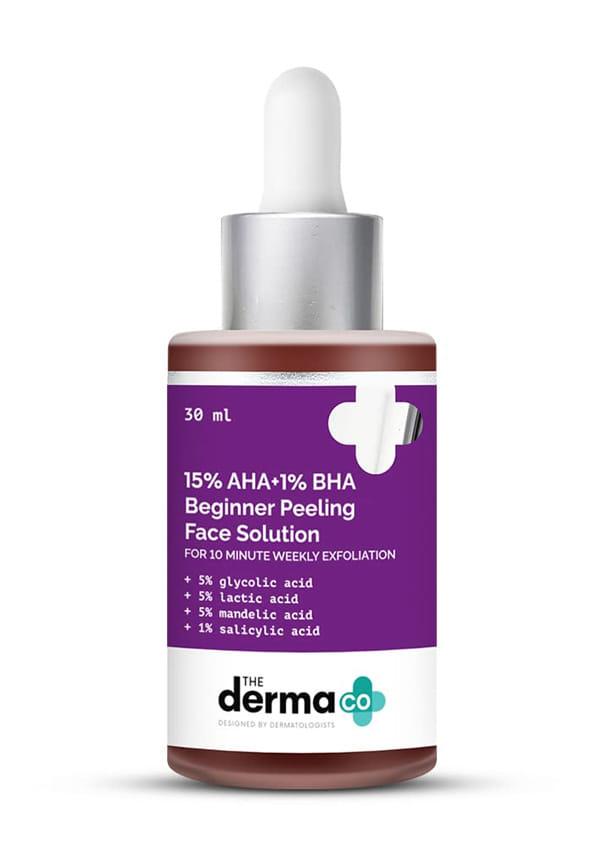
15% AHA + 1% BHA Beginner Face Peeling Solution
Discovering the right skincare actives combination for your skin often requires trial and error. This is where platforms like Smytten become invaluable—you can try mini versions of different serums and actives from trusted brands like Cetaphil and Dot & Key before committing to full-size products. With over 1,500 brands available in trial sizes, you can experiment with different layering combinations without the financial risk of buying full-size products that might not work for your skin.
In humid conditions, wait 60-90 seconds between layers instead of the usual 30 seconds. High humidity slows absorption, so your skin needs extra time to properly absorb each product before adding the next layer.
Never use them in the same routine. Vitamin C works best in the morning for antioxidant protection, while retinol should be used at night. The combination can cause irritation, especially when your skin is already stressed by heat and pollution.
Apply hyaluronic acid first (thinner consistency, lower pH), wait 30-60 seconds, then follow with niacinamide. Both work well in Indian humidity and complement each other beautifully.
Use smaller amounts of each product, wait longer between layers, and avoid rubbing products into your skin. Instead, gently pat and press products in, allowing each layer to fully absorb.
Absolutely. Reduce heavy creams, increase gentle exfoliation to prevent fungal issues, and consider adding antifungal ingredients like tea tree oil or zinc pyrithione to your routine.
Mastering how to layer skincare actives correctly for Indian climate isn't about following every trend—it's about understanding your skin's needs in our unique environmental conditions. The key lies in starting simple, building tolerance gradually, and adjusting your routine as seasons change.
Remember, what works for someone in a temperate climate might not work for you in Mumbai's humidity or Delhi's pollution. Your skin is unique, and finding the right combination of actives takes time and patience. With Smytten's trial platform, you can explore products from over 1,500 trusted brands, getting up to 8 minis for just ₹249. This approach lets you discover what truly works for your skin without the commitment of full-size purchases. After all, why settle for maybe when you can Try It All and find your perfect skincare routine?
