How to Layer Retinol: The Correct Skincare Routine Order


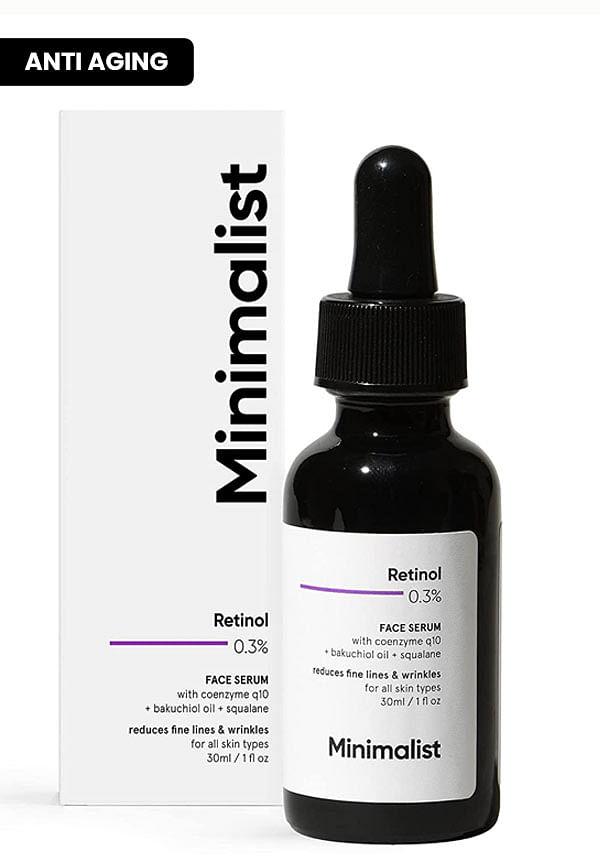
0.3% Retinol Face Serum With Anti-Aging Property With Q10
Effective Product
 5
5“nice product must try give best results”
Effective & Gentle Retinol Serum
4“A high-performance, budget-friendly retinol serum that effectively targets signs of aging, uneven texture, and loss of firmness. The Squalane base makes it remarkably gentle for a 0.3% concentration while keeping the skin barrier nourished.”
Working for 45+ Age Group
5“okay so my mom is trying it for her aunty agses 45 + now and I guess it's working kind of good for her”
Getting your retinol night routine layering order right can feel like solving a puzzle, but it's actually quite straightforward once you know the rules. Whether you're new to retinol or looking to perfect your nighttime skincare routine, understanding the proper sequence makes all the difference between glowing skin and irritation. Let's break down exactly how to layer retinol for maximum benefits without the drama.
Before diving into the step-by-step retinol application order, it's worth understanding why proper layering matters so much. Retinol is a powerhouse ingredient that needs the right environment to work effectively, and getting the sequence wrong can seriously impact your results.
Retinol has some unique requirements that set it apart from other skincare ingredients. Here's what makes it special:
pH sensitivity: Retinol works best in a neutral to slightly acidic environment, which is why the order of your products matters
Nighttime necessity: UV light breaks down retinol, making evening application essential for your retinol routine
Penetration needs: Retinol molecules need clear access to your skin, so applying it over heavy creams reduces effectiveness
Interaction concerns: Some ingredients can neutralise retinol or cause irritation when layered incorrectly
The golden rule of skincare layering order is simple: thin to thick consistency. This ensures each product can penetrate properly without being blocked by heavier formulations.
Molecular size matters: Smaller molecules (like retinol) should go on before larger ones (like moisturisers)
Water-based before oil-based: This prevents oil barriers from blocking water-soluble ingredients
Active ingredients first: Treatment products like retinol need direct skin contact to work effectively
Now for the main event - your step-by-step guide to the perfect retinol night routine layering order. This sequence ensures maximum absorption and minimal irritation.
Your retinol routine starts with a thorough cleanse. Clean skin is essential for proper retinol absorption.
Double cleanse if wearing makeup: Oil cleanser first, then water-based cleanser
Pat skin completely dry: Wet skin can increase retinol penetration too much, causing irritation
Wait 5-10 minutes: Let your skin return to its natural pH after cleansing
Some people benefit from prep steps before retinol application, especially those with sensitive skin.
pH-balancing toner: Can help optimise skin for retinol absorption
Hydrating essence: Lightweight hydration that won't interfere with retinol
Skip acids: No AHA, BHA, or vitamin C on retinol nights

0.3% Retinol Serum for Younger-Looking & Spotless Skin
Effective Product with Moisturizer
5“Effective product must use with any moisturizer”
Happy with purchase
5“happy with the purchase from smytten”
Good for Skin & Moisturizer
5“good for skin and good moisturizer”
This is where the magic happens. Proper retinol application technique is crucial for your retinol skincare success.
Pea-sized amount: Less is more with retinol - start small
Dot and blend: Apply small dots across face, then gently pat and spread
Avoid eye area: Unless using an eye-specific retinol product
Don't forget your neck: Extend application down to your décolletage
What comes after retinol in your night skincare steps is just as important as what comes before.
Wait 5-10 minutes: Let retinol absorb before applying moisturiser
Gentle moisturiser: Choose something soothing and hydrating
Face oil (optional): Can go over moisturiser for extra nourishment
Occlusive layer: For very dry skin, a thin layer of petroleum jelly can help
Once you've mastered the basics, these advanced techniques can help you customise your retinol routine for better results or reduced irritation.
This technique involves buffering retinol between moisturiser layers, perfect for retinol beginners or sensitive skin types.
Apply thin moisturiser layer first: Creates a protective barrier
Add retinol on top: Reduces direct contact with skin
Seal with more moisturiser: Locks everything in place
Graduate slowly: Eventually apply retinol directly to skin as tolerance builds
Understanding how to use retinol alongside other actives can maximise your skincare routine benefits.
Retinol and niacinamide: Can be used together - niacinamide first, then retinol
Hyaluronic acid: Apply before retinol for extra hydration
Vitamin C: Use in morning routine, never with retinol at night
Peptides: Generally safe to use after retinol
Getting the timing right is crucial for building retinol tolerance and seeing results. Your nighttime skincare routine should follow a progressive approach.
The 1-2-3 rule is your best friend when starting retinol. This gradual approach helps your skin adapt without overwhelming it.
Week 1: Use retinol once per week
Week 2-3: Increase to twice per week
Week 4+: Build up to three times per week or every other night
Monitor your skin: Redness, peeling, or irritation means slow down
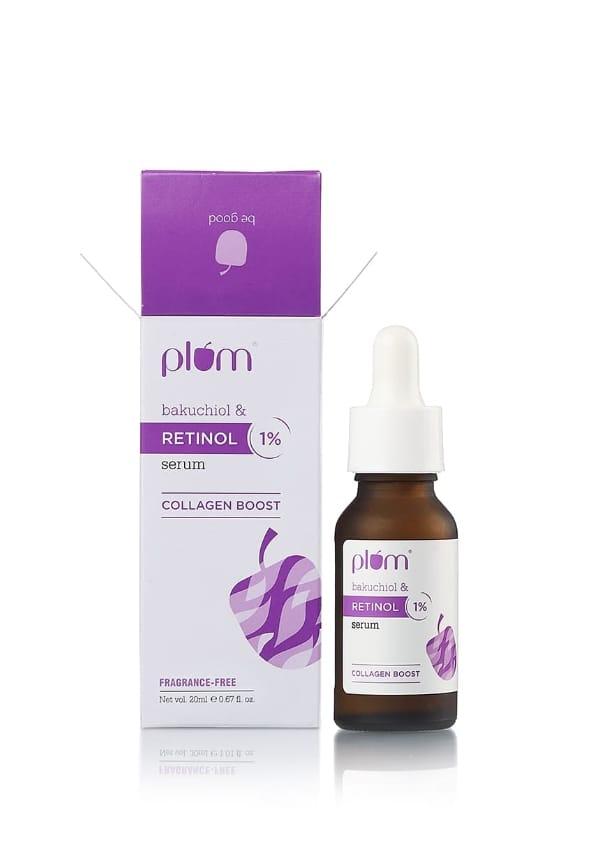
1% Retinol Face Serum with Bakuchiol
Wonderful Product Experience
5“Wonderful experience using this product”
Wonderful Product Experience
5“Wonderful experience using this product”
Wonderful Product Experience
5“Wonderful experience using this product”
Patience is key when it comes to retinol layering. Rushing between steps can reduce effectiveness or cause irritation.
Total routine time: Allow 15-20 minutes from cleanse to final moisturiser
Between-step waits: 5-10 minutes between each major step
Retinol absorption: Wait at least 5 minutes before applying moisturiser
Even with the best intentions, it's easy to make mistakes with your retinol application order. Here are the most common slip-ups and how to avoid them.
Getting the sequence wrong is probably the biggest mistake people make with their retinol routine.
Applying on damp skin: Increases penetration too much, causing irritation
Wrong product order: Heavy creams before retinol block absorption
Mixing incompatibles: Using acids or vitamin C with retinol
Skipping wait times: Rushing between steps reduces effectiveness
Enthusiasm for results often leads to overdoing it with retinol, which backfires spectacularly.
Starting too strong: Daily use from day one causes major irritation
Inconsistent application: Sporadic use prevents skin adaptation
Ignoring skin signals: Pushing through irritation instead of backing off
Wrong strength choice: Starting with prescription-strength retinoids
Your skin type plays a huge role in how you should approach retinol layering. What works for oily skin might be too harsh for sensitive types, and vice versa.
If your skin tends to react to new products, these modifications can help you enjoy retinol benefits without the drama.
Extended introduction: Take 6-8 weeks to build up frequency
Buffer with ceramides: Use ceramide-rich moisturisers to strengthen skin barrier
Lower concentration: Start with 0.25% or retinyl palmitate
Sandwich method: Always buffer retinol between moisturiser layers
Your skin's natural oil production affects how you should structure your retinol night routine layering order.
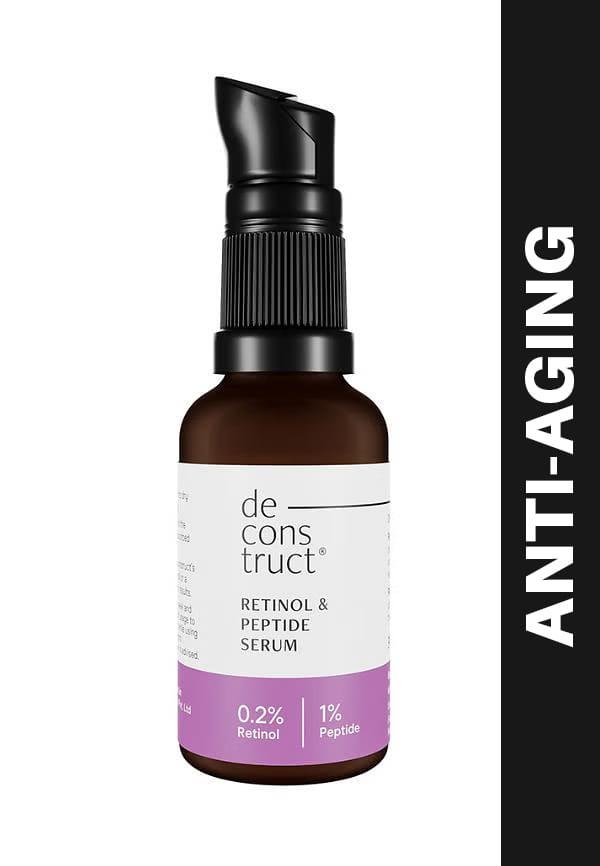
Retinol Face Serum with Peptide
Hydrating & Glowing
4“good for face gives hydration and glow.”
Beginner-Friendly Retinol
5“It was Beginner friendly Retinol.”
Disliked fragrance
4“I didn't like the fragrance of this serum”
Oily skin: Can handle direct retinol application, lighter moisturisers
Dry skin: Needs more hydrating layers, heavier moisturisers
Combination skin: May need different approaches for different face areas
Seasonal adjustments: Modify routine based on weather and humidity
Finding the right retinol products for your skin type doesn't have to involve expensive trial and error. Smytten's curated trial packs let you explore retinol options from trusted brands like Cetaphil and Dot & Key before committing to full-size purchases. With over 1,500 brands available, you can discover your perfect retinol match through affordable mini-sized products.
Wait 5-10 minutes after applying retinol before adding moisturiser. This allows the retinol to absorb properly without being diluted or blocked by heavier products.
Yes, retinol and niacinamide work well together. Apply niacinamide first (it's water-based and lighter), wait a few minutes, then apply retinol. Niacinamide can actually help reduce retinol irritation.
Hyaluronic acid should go before retinol in your skincare layering order. Apply hyaluronic acid to slightly damp skin for maximum hydration, let it absorb, then follow with retinol.
The 1-2-3 rule helps you introduce retinol gradually: use it once per week for the first week, twice per week for weeks 2-3, then three times per week from week 4 onwards. This prevents irritation while building tolerance.
Most people can eventually work up to nightly retinol use, but start slowly. Even experienced users might find every other night works better, especially during seasonal changes or stress periods when skin is more sensitive.
Avoid using retinol with vitamin C, AHA/BHA acids, benzoyl peroxide, or other strong actives in the same routine. These combinations can cause irritation or neutralise the effectiveness of your products.
Mastering your retinol night routine layering order is all about patience, consistency, and listening to your skin. The key is starting slowly, following the proper sequence, and adjusting based on how your skin responds. Remember, the best skincare routine is one you can stick to long-term, so don't rush the process.
With Smytten's extensive range of skincare trial packs, you can experiment with different retinol formulations and supporting products without the commitment of full-size purchases. From gentle retinyl palmitate options to more potent retinol serums, discovering your perfect retinol routine has never been more accessible. After all, why settle for guesswork when you can try it all and find what truly works for your skin?
