How to Layer Hyaluronic Acid in Your Skincare Routine
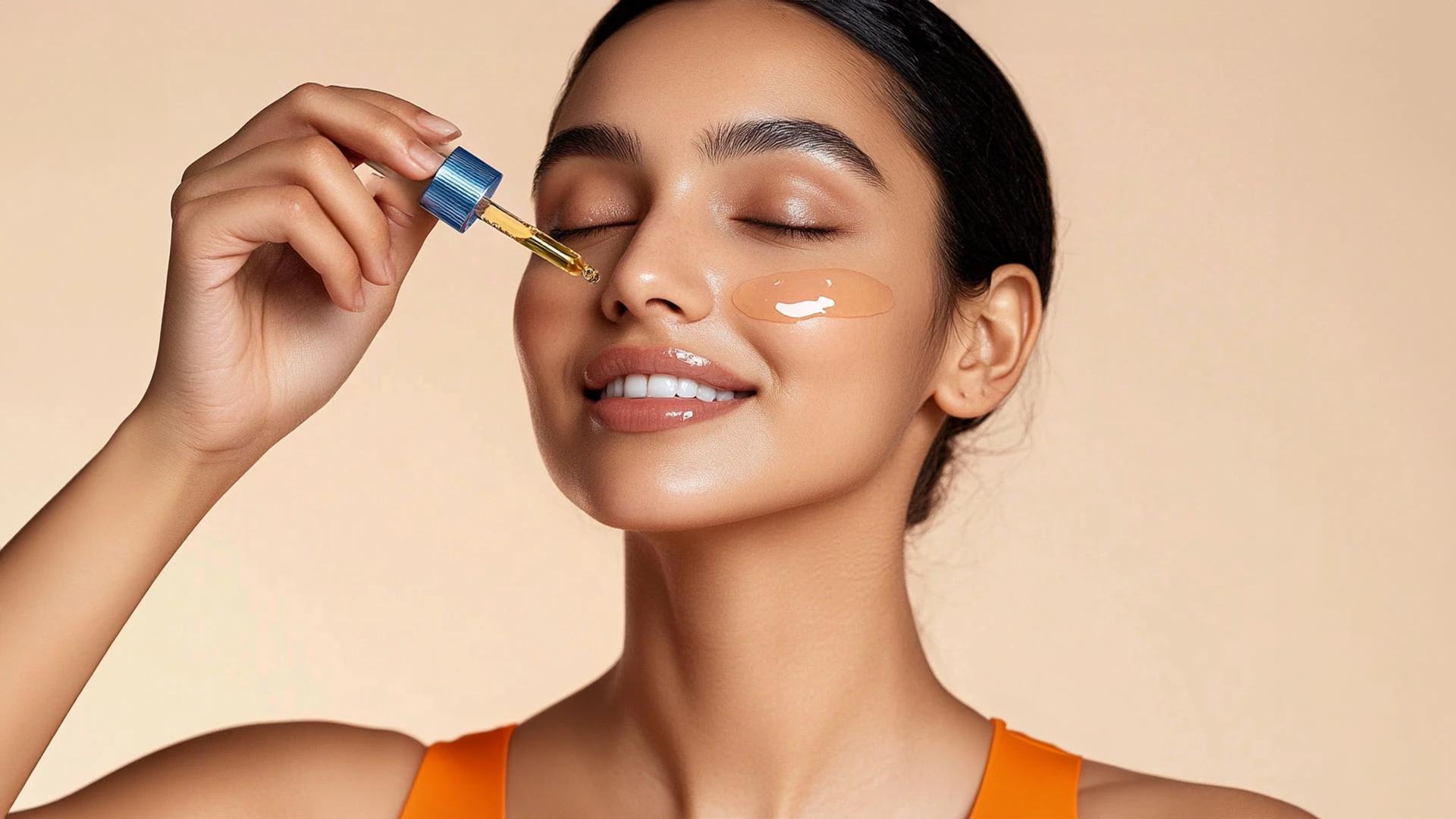

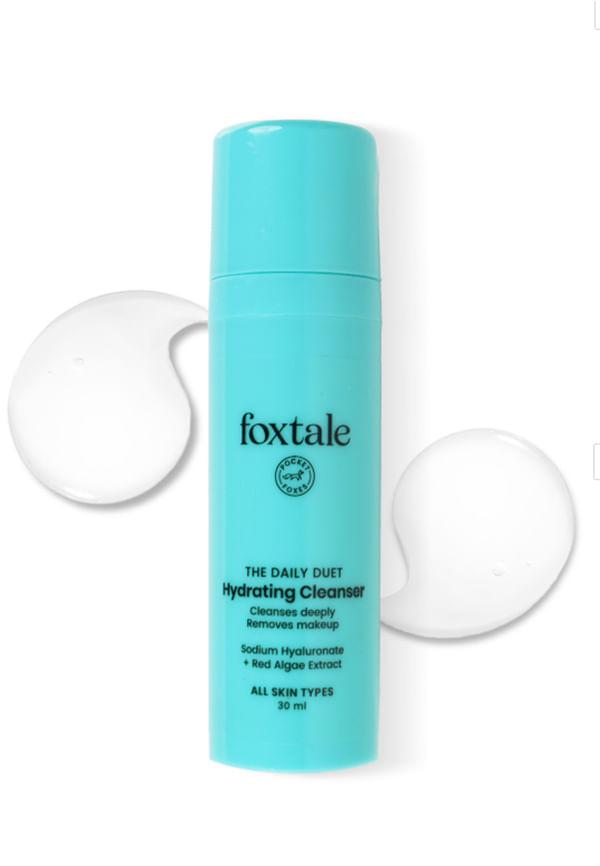
Hydrating Face Wash with Hyaluronic Acid
Let's be real—hyaluronic acid is everywhere in skincare right now, and for good reason. This moisture-magnet ingredient can hold up to 1,000 times its weight in water, making it the ultimate hydrating hero. But here's the thing: just slapping on a hyaluronic acid serum and calling it a day won't cut it. The magic happens when you master hyaluronic acid for layering in multi-step routines. Whether you're a skincare newbie or someone who's been collecting serums like they're going out of style, getting the layering order right can make or break your skin hydration game. Ready to turn your bathroom shelf into a hydration station that actually works?
Think of hyaluronic acid as your skin's personal water bottle—it's constantly working to keep things plump and bouncy. But not all hyaluronic acid benefits are created equal, especially when it comes to layering. The molecular weight of your hyaluronic acid serum determines how deeply it penetrates and how well it plays with other products in your routine.
Low molecular weight hyaluronic acid dives deeper into your skin, whilst high molecular weight versions create a moisture barrier on the surface. When you're building a multi-step skincare routine, this difference matters big time. The clever bit? You can use both types in the same routine for maximum skin hydration—just apply the lightweight, low molecular weight serum first, then follow with a heavier, high molecular weight formula.
Here's why proper layering amplifies those hyaluronic acid benefits: when you apply it to damp skin and seal it with the right products, you're creating a moisture sandwich that keeps hydration locked in for hours. Skip the layering technique, and you might actually end up with drier skin than when you started—yep, hyaluronic acid can backfire if applied incorrectly.
Getting your skincare routine steps right is like following a recipe—miss one ingredient or mess up the order, and the whole thing falls flat. The good news? Once you nail the basics, layering becomes second nature.
Your skin needs to be properly prepped before any hyaluronic acid serum touches your face. Start with a gentle cleanser that won't strip your skin's natural moisture barrier. Double cleansing in the evening is your friend here—oil cleanser first to remove makeup and SPF, followed by a water-based cleanser to clear away any remaining residue.
Here's the game-changer: never apply hyaluronic acid to bone-dry skin. Your skin should be slightly damp when you apply your serum—this gives the hyaluronic acid something to grab onto. A hydrating toner or essence works brilliantly as your moisture base, but even a light mist of water will do the trick.
The secret to perfect layering skincare lies in the application technique. Use gentle pressing motions rather than rubbing—you want to encourage absorption, not create friction. Apply your hyaluronic acid serum in thin layers, building up coverage gradually rather than dumping half the bottle on your face in one go.
Timing between layers matters more than you might think. Give each product 30-60 seconds to settle before applying the next layer. This prevents product pilling (that annoying balling-up effect) and ensures each ingredient can do its job properly.
Now we're getting to the fun part—mixing and matching your hydrating serums with other skincare superstars. The key is understanding which ingredients play nicely together and which ones need a bit of space.
This dynamic duo is perfect for morning routines. Vitamin C brings the brightening power, whilst hyaluronic acid keeps your skin comfortable and hydrated. Apply vitamin C serum to clean, dry skin first—it needs that direct contact to work its magic. Wait about 2-3 minutes, then mist your face lightly and apply your hyaluronic acid serum.
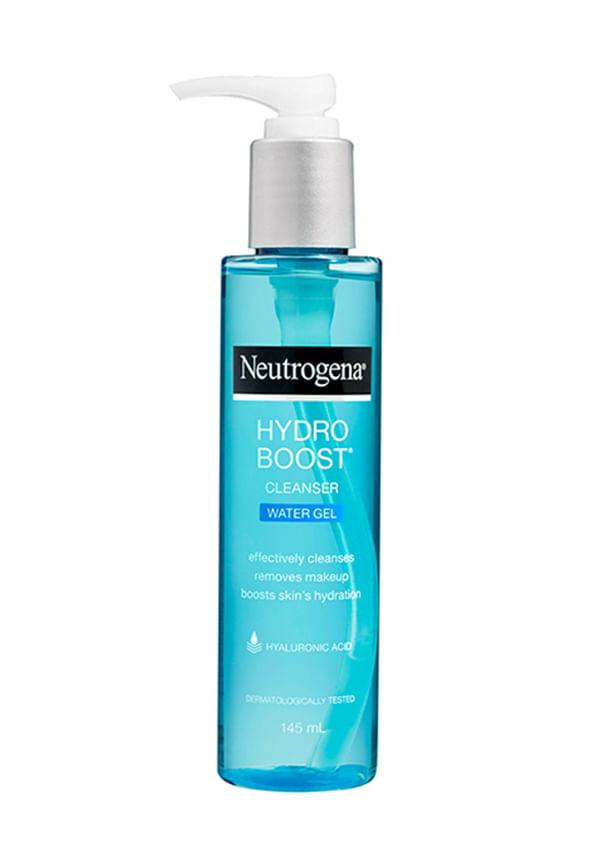
Hydro Boost Cleanser Water Gel With Hyaluronic Acid
The pH difference between these ingredients is why timing matters. Vitamin C works best at a lower pH, whilst hyaluronic acid is more flexible. This layering order gives both ingredients their moment to shine without interfering with each other's effectiveness.
These two are basically skincare soulmates—they work beautifully together and are gentle enough for sensitive skin. You can apply them in either order, but many people find that applying niacinamide first, followed by hyaluronic acid, gives the best results.
Both ingredients are water-based and lightweight, so they layer seamlessly without any waiting time needed. This combination is particularly brilliant for oily or combination skin types who want hydration without heaviness.
Evening routines can handle more complex layering, and this trio is worth mastering. Start with retinol on clean, dry skin—it needs that direct contact to penetrate effectively. After 10-15 minutes (enough time for the retinol to absorb), mist your face and apply niacinamide, followed immediately by hyaluronic acid.
This order minimises potential irritation whilst maximising the benefits of each ingredient. The hyaluronic acid acts as a buffer, reducing any dryness or sensitivity from the retinol.
Peptides and hyaluronic acid are the perfect anti-ageing partnership. Both have larger molecular sizes, so they work well when applied in sequence. Apply peptide serums first, as they often have a slightly thicker consistency, then follow with your hyaluronic acid serum to lock in moisture and enhance absorption.
Let's break down exactly how to structure your morning and evening routines for optimal skin hydration. Think of this as your skincare layering guide cheat sheet.
Your morning routine should focus on protection and hydration. Here's the winning formula:
Gentle cleanser - Remove overnight buildup without stripping
Hydrating toner - Prep damp skin for better absorption
Vitamin C serum - Apply to dry skin if using
Hyaluronic acid serum - Apply to damp skin for maximum benefit
Moisturiser - Seal everything in
SPF - Non-negotiable daily protection
The whole routine should take about 10-15 minutes, including wait times between layers. Perfect for busy mornings when you want effective skincare without the faff.
Evenings are when you can really go to town with your multi-step skincare routine:
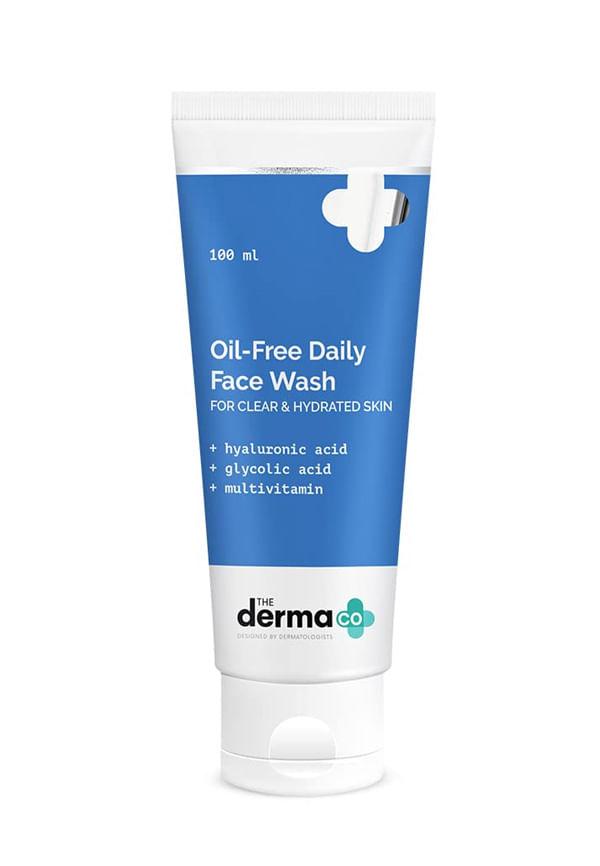
Oil-Free Daily Face Wash With Hyaluronic Acid, Glycolic Acid & Multivitamins
Double cleanse - Oil cleanser followed by water-based cleanser
Treatment toner - Prep skin for active ingredients
Active ingredients - Retinol, AHA, or BHA on dry skin
Re-dampen skin - Light mist or toner
Hyaluronic acid serum - Apply to damp skin
Peptide treatments - If using, apply after HA
Night moisturiser - Richer formula for overnight repair
Once you've mastered the basics, there are some clever tricks to take your hydration game to the next level. These advanced techniques are perfect for when you want to customise your routine based on your skin's changing needs.
Yes, you can absolutely use multiple hyaluronic acid products in one routine—and it can be brilliant for very dry or dehydrated skin. The trick is choosing different formulations that complement each other. Start with a lightweight hyaluronic acid serum, follow with a hyaluronic acid-infused moisturiser, and finish with a sleeping mask containing the ingredient for overnight hydration.
Just remember that more isn't always better. If your skin starts feeling sticky or products aren't absorbing properly, you might be overdoing it. Start with two products and see how your skin responds before adding more layers.
Your hyaluronic acid uses should adapt to the weather and humidity levels around you. In humid summer months, a lightweight hyaluronic acid serum might be all you need. But when winter hits and the air gets dry, you'll want to layer multiple hydrating products and seal everything with a richer moisturiser.
Low humidity environments (think air conditioning or heating) can actually make hyaluronic acid pull moisture from your skin instead of the air. Combat this by using a humidifier in your bedroom or applying your hyaluronic acid to extra-damp skin and sealing it quickly with moisturiser.
Even the best hyaluronic acid products won't work if you're making these common application mistakes. Let's troubleshoot the most frequent issues so you can get the most from your products.
The number one mistake? Applying hyaluronic acid to completely dry skin in a low-humidity environment. Without moisture to grab onto, hyaluronic acid can actually draw water from deeper layers of your skin, leaving you drier than before. Always apply to damp skin and seal with moisturiser.
Another common issue is using the wrong concentration. Some serums contain such high concentrations of hyaluronic acid that they can feel sticky or pill when layered with other products. Look for formulations that balance hyaluronic acid with other hydrating ingredients for better texture and absorption.
When you're layering correctly, your skin should feel plump, smooth, and comfortable—never tight, sticky, or irritated. Products should absorb within a few minutes, leaving your skin looking healthy and hydrated rather than shiny or greasy.
Red flags include product pilling (those annoying little balls that form when you rub your skin), persistent stickiness, or any irritation. These usually indicate you're using too much product, not waiting long enough between layers, or mixing incompatible formulations.
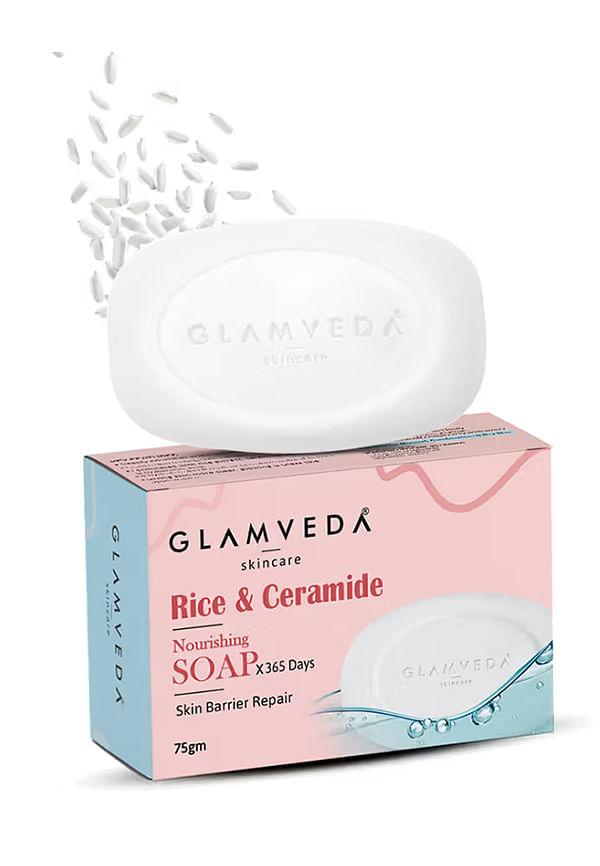
Rice & Ceramide Skin Brightening Soap with Hyaluronic acid
The beauty of discovering your perfect routine lies in experimentation, and that's where Smytten comes in brilliantly. As India's largest product discovery platform, Smytten lets you try mini versions of over 1,500 trusted skincare brands before committing to full sizes. You can explore different hyaluronic acid serums and find your perfect layering combinations without the risk of wasting money on products that don't work for your skin.
Absolutely! You can safely layer multiple hyaluronic acid products, but start slowly. Begin with a lightweight serum, then add a hyaluronic acid moisturiser. Apply each to damp skin and watch how your skin responds before adding more layers.
Layer from thinnest to thickest consistency. Start with water-based serums like hyaluronic acid on damp skin, followed by treatment serums, then oil-based products, and finish with moisturiser. Wait 30-60 seconds between lightweight layers.
For lightweight serums including hyaluronic acid, wait 30-60 seconds. For heavier treatments like retinol, wait 2-3 minutes before applying your next layer. This prevents product interference and ensures proper absorption.
Always apply hyaluronic acid to damp skin, never completely dry. The moisture gives hyaluronic acid something to bind to. If your skin is dry, mist it lightly with water or apply over a damp toner before using your serum.
Yes, hyaluronic acid is gentle enough for twice-daily use in both morning and evening routines. It's actually beneficial to use it consistently, as it helps maintain optimal skin hydration throughout the day and night.
Applying hyaluronic acid to dry skin in low humidity can actually make your skin drier, as it pulls moisture from deeper skin layers. Always ensure your skin is damp and seal with moisturiser to prevent this reverse effect.
Mastering hyaluronic acid for layering in multi-step routines isn't rocket science, but it does require a bit of technique and patience. The key takeaways? Always apply to damp skin, layer from thinnest to thickest, and don't forget to seal everything with moisturiser. Whether you're building a simple three-step routine or going full skincare enthusiast with seven products, hyaluronic acid can fit seamlessly into your regimen when applied correctly.
Remember, the best skincare routine is the one you'll actually stick to consistently. Start simple, master the basics, then gradually add more layers as your skin adapts. With Smytten's trial packs, you can experiment with different hyaluronic acid formulations and find your perfect combination without breaking the bank. After all, why settle for guessing when you can try everything and discover what truly works for your skin?
