How to Know When to Use Brightening Serum
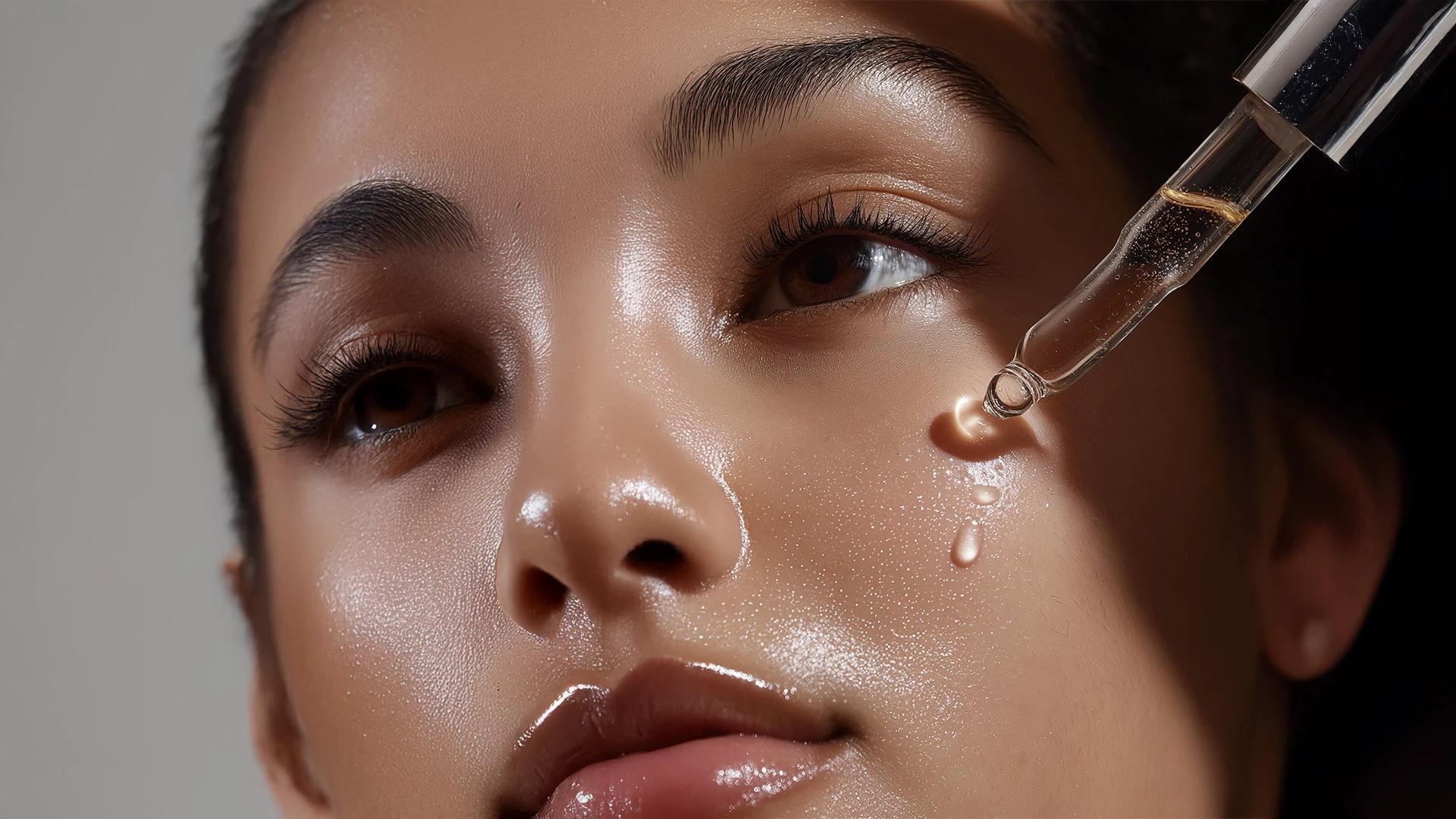

Let's be real—brightening serums are everywhere right now, and for good reason. They promise to tackle everything from stubborn dark spots to that dull, tired-looking skin we all get sometimes. But here's the thing: knowing when to use brightening serum can make or break your results. It's not just about slapping it on whenever you remember. The timing, your skin's needs, and even the time of day all play a massive role in whether you'll see that glow-up you're after. Think of it like this—you wouldn't wear a heavy winter coat in summer, right? Same logic applies to your skincare routine.
Right, so what exactly do brightening serums do for your skin? These little bottles of magic are packed with active ingredients designed to tackle uneven skin tone, fade dark spots, and give your complexion that healthy radiance we're all chasing. The star players usually include vitamin C, niacinamide, kojic acid, and arbutin—each working in their own clever way to brighten things up.
But here's where it gets interesting: the timing of when you apply these skin radiance boosters actually affects how well they work. Your skin has its own natural rhythm, and certain ingredients perform better at specific times. For instance, vitamin C is brilliant for morning protection against environmental damage, whilst other brightening actives might work better when your skin is in repair mode overnight.
The science bit? Your skin's absorption patterns change throughout the day. In the morning, it's gearing up to defend against UV rays and pollution. At night, it switches to repair mode, working harder to fix damage and regenerate cells. Understanding this rhythm helps you maximise those brightening serum benefits.
This is probably the most common question about brightening serums, and honestly, the answer isn't always straightforward. Both morning and night applications have their perks, and sometimes you can even do both—if your skin can handle it.
Morning application is all about protection and that instant glow boost. Vitamin C serum is particularly brilliant for daytime use because it acts like a shield against free radicals from pollution and UV exposure. Think of it as your skin's bodyguard, neutralising the nasties before they can cause damage.
Here's how to nail your morning brightening serum routine:
Cleanse your face with a gentle cleanser
Apply toner if that's part of your routine
Pat 2-3 drops of brightening serum onto clean skin
Follow with moisturiser
Never skip SPF 30+ sunscreen—this bit is non-negotiable
The sunscreen part is crucial because some brightening ingredients can make your skin more sensitive to UV rays. Missing this step is like doing a brilliant skincare routine and then undoing all the good work.
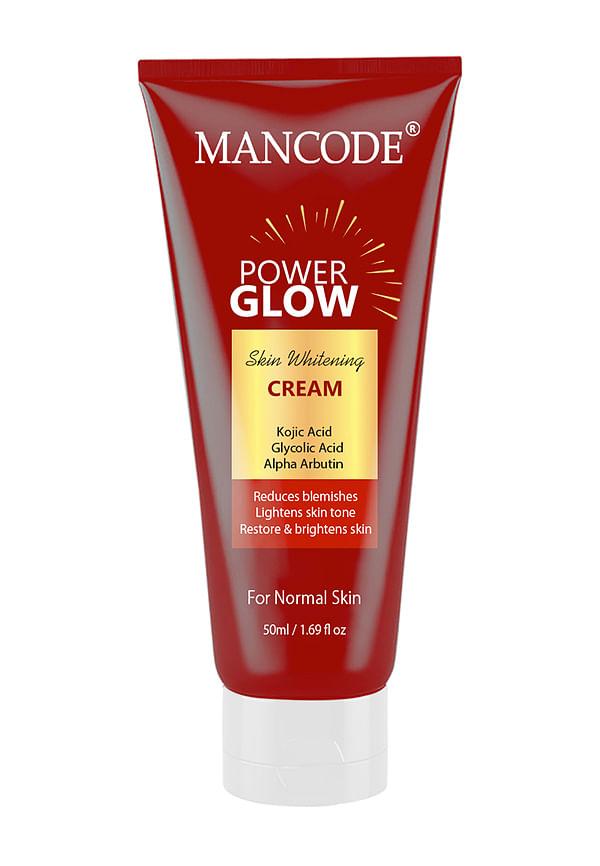
Power Glow Skin Whitening Cream Reduces Dark Spots
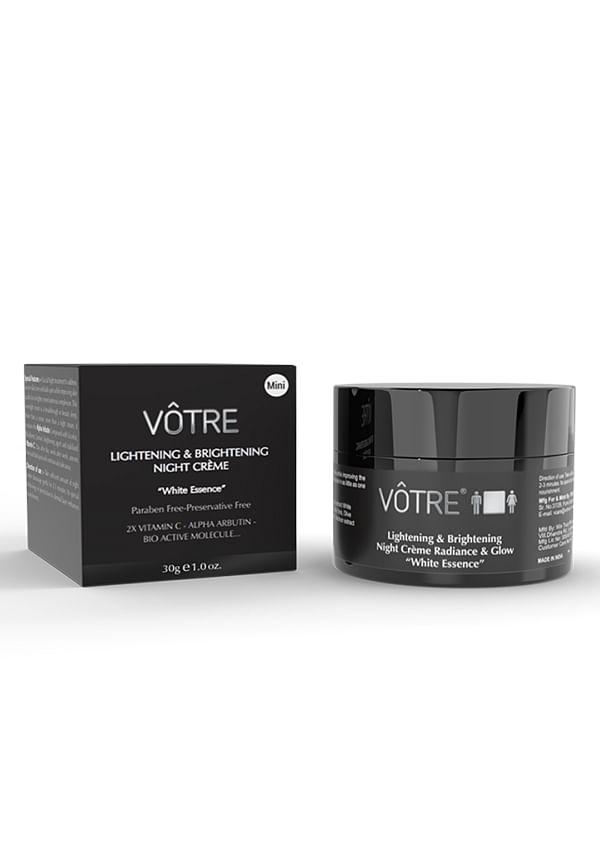
White Essence Brightening Night Restore Cream | Niacinamide, Rucinol & White Mulberry | For Skin Repair, Radiance Enhancement & Even-Looking Skin Ton
Loved the texture
 5
5“Great product 👍 with good texture I loved it 😍”
Positive Night Cream Review
5“good night cream reviews are good will try it”
Nighttime application taps into your skin's natural repair cycle. This is when your skin works hardest to fix damage and regenerate, making it the perfect time for certain best brightening ingredients to do their thing. Some actives, particularly those containing AHAs or stronger concentrations, are better suited for evening use.
Night application is particularly effective for hyperpigmentation treatment because your skin isn't fighting environmental stressors. It can focus entirely on the repair work, helping to fade those stubborn dark spots more effectively.
The short answer? Maybe. It depends on your skin's tolerance and the specific ingredients in your serum. Some people can absolutely handle twice-daily application, whilst others might find it too much.
Start with once daily and gradually introduce the second application. Watch for signs like redness, irritation, or excessive dryness. If your skin stays happy, you might be able to level up to twice daily for faster results.
Getting the application right is just as important as timing. Here's how to apply brightening serum for maximum effectiveness and minimal irritation.
Start with properly cleansed skin—this isn't the time to skip your cleanser. Any leftover makeup, sunscreen, or daily grime will create a barrier that stops your serum from penetrating properly. If you use a toner, apply that first and let it absorb.
Now for the serum itself: 2-3 drops is usually plenty for your entire face. More isn't always better with active ingredients—you want effectiveness, not irritation. Gently pat the serum onto your skin, starting from the centre of your face and working outwards. Don't forget your neck if you're treating pigmentation there too.
The layering order matters too. Serums should go on after cleansing and toning but before moisturiser and sunscreen. Think of it as going from thinnest to thickest consistency. Give each product a minute or two to absorb before applying the next layer—your skin needs time to drink it all in.
This is where things can get a bit tricky. Mixing different active ingredients isn't always straightforward, and some combinations can cause irritation or even cancel each other out.
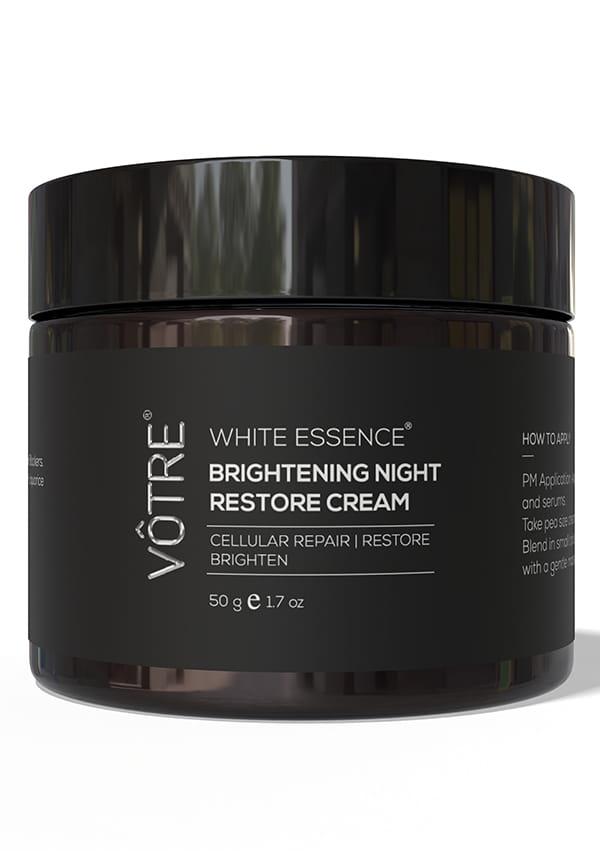
White Essence Brightening Night Restore Cream | Niacinamide, Rucinol & White Mulberry | For Skin Repair, Radiance Enhancement & Even-Looking Skin Ton
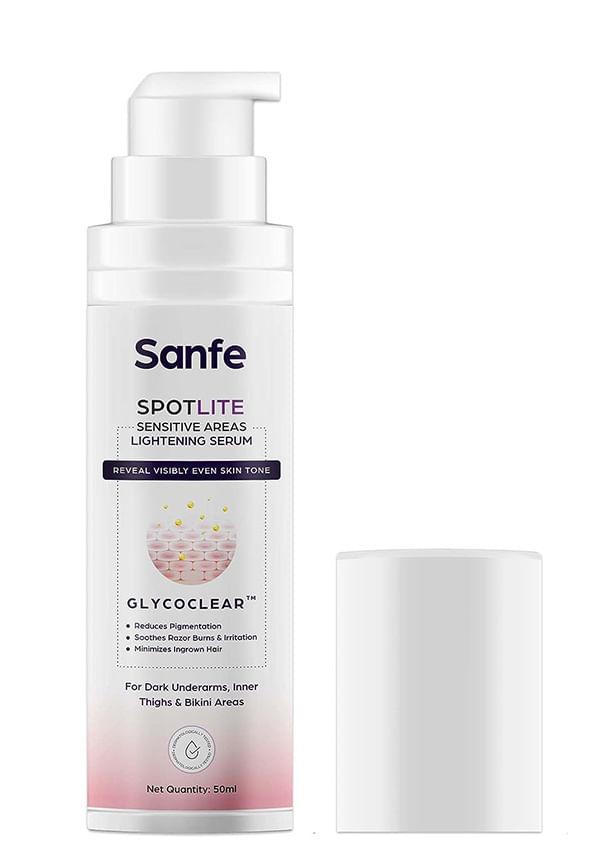
Dark Spot Sensitive Body Serum For Dark Underarms, Inner Thighs and Sensitive Areas
Gentle with Good Smell
5“gentle on skin doesn't irritate the skin and good smell”
Gentle with Good Smell
5“gentle on skin doesn't irritate the skin and good smell”
Best Results in First Use
4“best results in first use ......”
Some ingredients play beautifully together. Hyaluronic acid is basically the peacemaker of skincare—it gets along with almost everything and helps other ingredients work better. Niacinamide is another gentle player that works well with most brightening actives.
If you're using retinol, the golden rule is to separate it from your vitamin C. Use vitamin C in the morning and retinol at night. This prevents any potential irritation and lets both ingredients work at their optimal times.
Some ingredient combinations are best avoided, at least in the same application. Strong acids like glycolic acid or salicylic acid can sometimes clash with certain brightening actives, particularly if you're new to using actives.
When in doubt, space things out. Use your brightening serum in the morning and other actives at night, or alternate days until you know how your skin responds.
Not sure if brightening serums are right for you? Here are the telltale signs that your skin might benefit from these dull skin remedies.
The most obvious indicator is uneven skin tone—those patches where your skin looks darker or lighter than the surrounding area. This could be from old acne marks, sun damage, or melasma. If you're dealing with stubborn dark spots that just won't fade on their own, a brightening serum designed for hyperpigmentation treatment might be exactly what you need.
But it's not just about obvious pigmentation issues. If your skin looks dull, tired, or lacks that healthy glow, brightening serums can help. Sometimes our skin just needs a bit of help to look more radiant and even-toned.
Age spots, post-inflammatory hyperpigmentation from breakouts, and general dullness are all fair game for brightening serums. You can even use them preventively to maintain your skin's radiance and prevent future pigmentation issues.
Not all brightening ingredients are created equal, and what works brilliantly for your mate might not be the best choice for your skin.
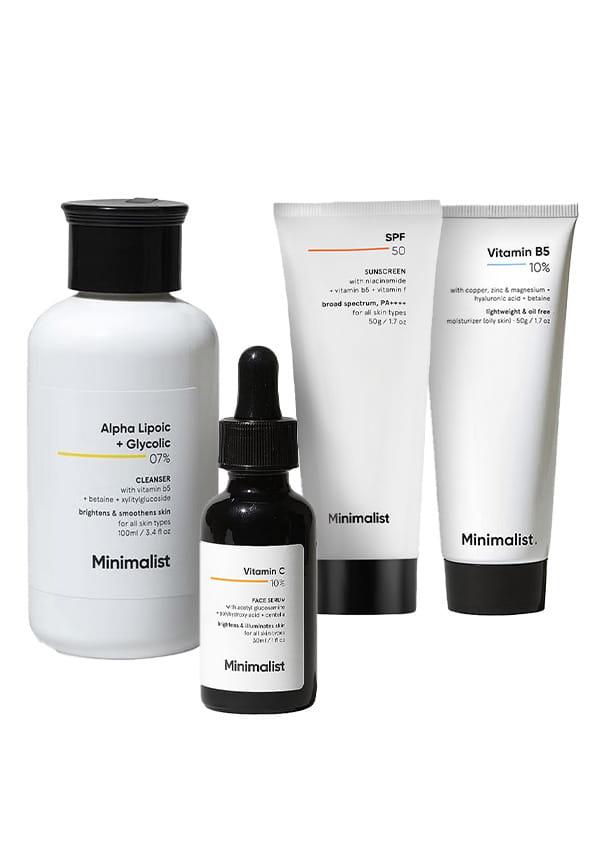
Bright face combo
Very Good & Effective, Glows Face Quickly
5“very good..very effective...glows my face within a week”
Very Nice Product
5“Very nice product must buy it ”
Affordable & Usable Product
5“Budget friendly and best usable product”
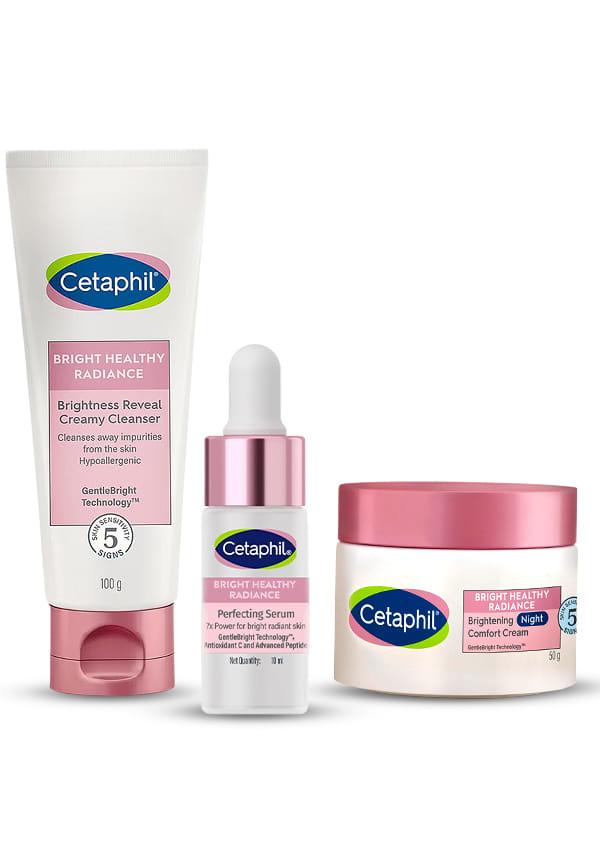
Bright Healthy Radiance PM Routine
Effective for sensitive skin
5“very effective for sensitive skin”
Excellent Product, Justified Value
5“excellent product awesome unbeatable value of product is justified”
Vitamin C serum comes in different forms, and choosing the right one can make a huge difference. L-ascorbic acid is the most potent form, but it can be irritating for sensitive skin. If you're new to vitamin C, start with a stable derivative like magnesium ascorbyl phosphate or sodium ascorbyl phosphate.
Concentration matters too. Beginners should start with 10-15% vitamin C, whilst experienced users might handle 20% or higher. Remember, more isn't always better—it's about finding what your skin can tolerate whilst still being effective.
If vitamin C doesn't suit your skin, don't worry—there are plenty of other best brightening ingredients to try. Niacinamide is brilliant for sensitive skin and helps with both brightening and oil control. Kojic acid and arbutin are excellent for stubborn pigmentation, working gently but effectively to fade dark spots.
Alpha arbutin tends to be more effective than beta arbutin, but both are gentler alternatives to stronger brightening actives. The key is finding what works for your specific skin concerns and tolerance level.
Let's talk about the mistakes that can sabotage your brightening serum results. The biggest one? Skipping sunscreen. Seriously, this is like trying to fill a bucket with a hole in the bottom. Many brightening ingredients can make your skin more photosensitive, so missing your SPF will undo all your hard work.
Over-application is another common pitfall. More product doesn't equal faster results—it usually just means irritation. Stick to the recommended amount and be patient with the process.
Inconsistent usage is also a results-killer. Brightening serums work best with regular, consistent use. Using them sporadically won't give you the results you're after. Set a routine and stick to it.
Don't mix incompatible ingredients without doing your research first. And always, always patch test new products. What works for everyone else might not work for your skin, and it's better to find out on a small patch than your entire face.
Finally, manage your expectations. Brightening serums aren't magic—they take time to work. Most people see noticeable improvements after 4-6 weeks of consistent use, with full results taking 8-12 weeks.
When you're ready to explore different brightening serum for face options, platforms like Smytten make it easy to try before you commit. With curated trial packs from trusted brands, you can discover what works for your skin without the guesswork. After all, finding your perfect brightening serum shouldn't be a gamble—it should be an exciting journey of discovery.
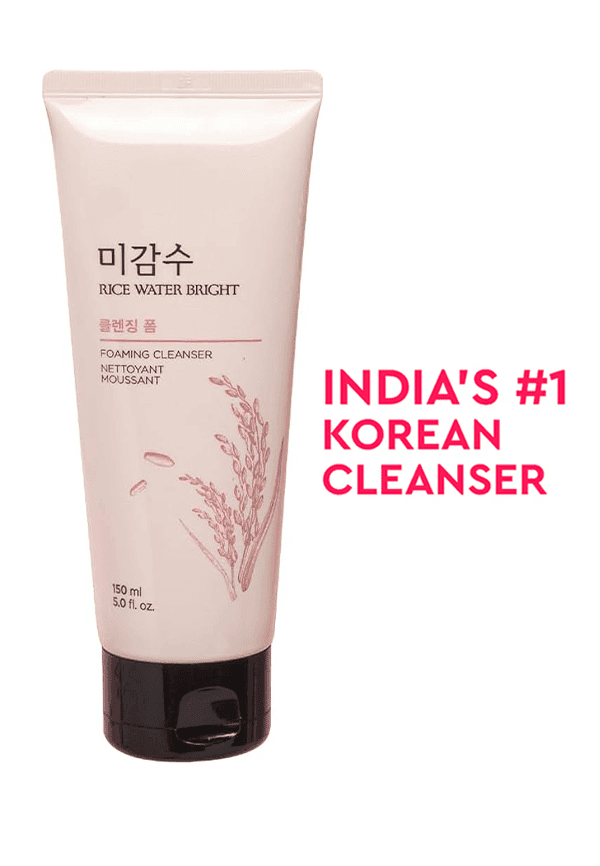
Rice Water Bright Cleansing Foam
Effective Cleansing
5“cleans face properly without leaving any residue”
Instant Glow & Brightness
4“nice and glow and bright skin from first wash”
Instant Glow & Brightness
4“nice and glow and bright skin from first wash”
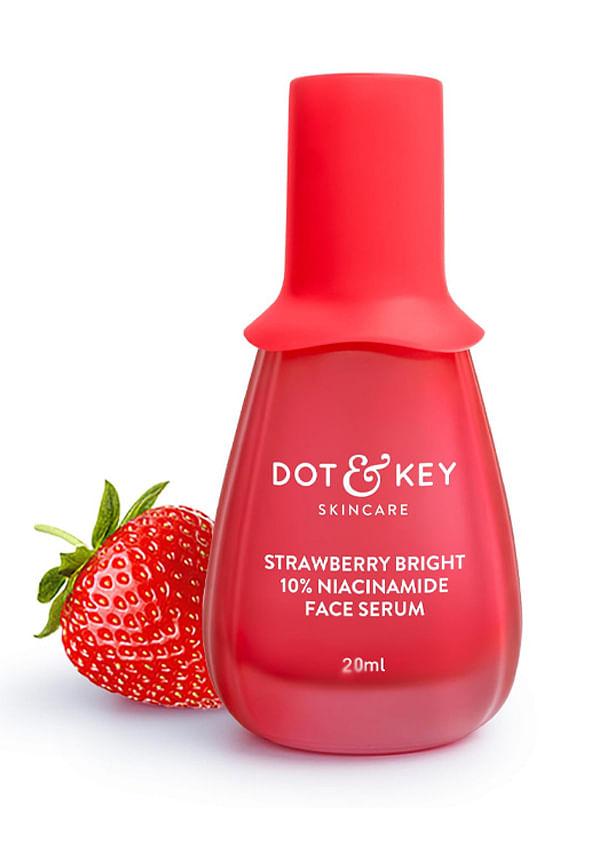
Strawberry Bright 10% Niacinamide Face Serum
Skin Feels Glowy and Fresh
5“I like this serum After using this my skin feel glow and freah”
Skin Feels Glowy and Fresh
5“I like this serum After using this my skin feel glow and freah”
Lightweight & Non-Sticky
5“light weight and non sticky best”
Absolutely! Nighttime application is actually brilliant for brightening serums because it supports your skin's natural repair cycle. Your skin works harder to regenerate and repair damage whilst you sleep, making it an ideal time for brightening actives to fade dark spots and improve skin tone.
Most dermatologists recommend using vitamin C serum in the morning because of its antioxidant properties that protect against environmental damage. However, some people can use it twice daily—vitamin C in the morning and at night—if their skin tolerates it well.
Patience is key with brightening serums. Most people start seeing visible improvements after 4-6 weeks of consistent daily use. For more dramatic results, particularly with stubborn pigmentation, it can take 8-12 weeks of regular application.
Potential downsides include skin irritation, increased photosensitivity (making sunscreen even more crucial), and possible purging when you first start using active ingredients. Some people may also experience dryness or redness if they use too much product or introduce actives too quickly.
Yes, but timing is everything. It's generally best to use vitamin C serum in the morning and retinol at night to avoid potential irritation. If you want to use both, start slowly and monitor how your skin responds. Some people can eventually use both in the same routine, but it's not recommended for beginners.
Understanding when to use brightening serum is really about understanding your skin's needs and rhythms. Whether you choose morning application for protection and radiance, nighttime for repair and regeneration, or both if your skin can handle it, consistency is your best friend.
Remember, there's no one-size-fits-all approach to skincare. What works brilliantly for someone else might need tweaking for your skin. Start slowly, pay attention to how your skin responds, and don't be afraid to adjust your routine as needed.
The journey to brighter, more even-toned skin takes time, but with the right approach and patience, you'll get there. And when you're exploring different options, Smytten's trial packs let you discover what works for your skin without committing to full-size products. With over 1,500 trusted brands and the ability to try up to 8 minis for just ₹249, plus 100% cashback on your trial purchases, you can explore confidently. Because why settle for 'maybe' when you can try it all and find what truly works for your skin?
