How to Improve Skin Texture for Smooth, Even Skin


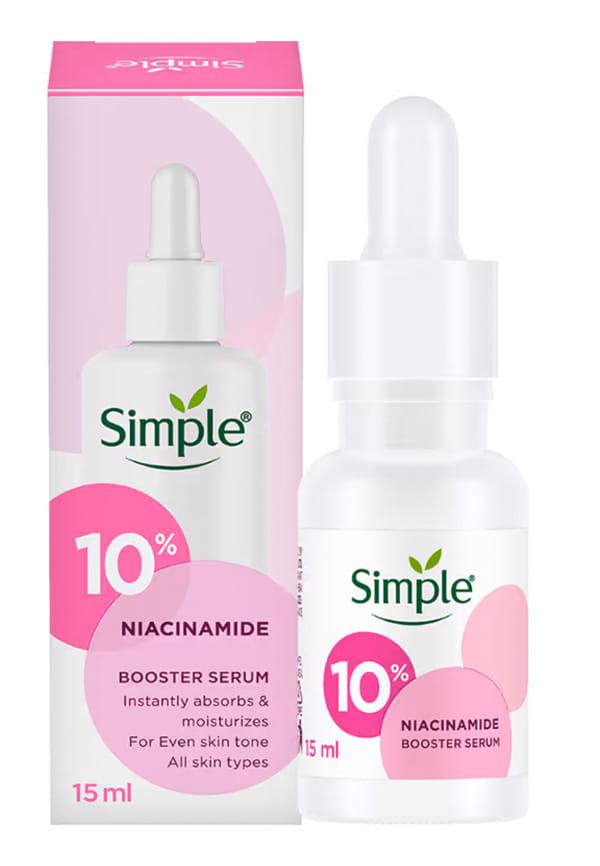
Booster Serum 10% Niacinamide For Even Skin Tone
Let's be real—achieving that smooth skin we see on Instagram isn't just about good lighting. If you're dealing with bumpy patches, enlarged pores, or that general roughness that makes your foundation look patchy, you're definitely not alone. Understanding how to improve skin texture is one of those skincare puzzles that seems complicated but actually follows some pretty straightforward science. The good news? With the right approach and a bit of patience, getting that even skin tone and silky-smooth feel is totally achievable. Whether you're dealing with acne scars, sun damage, or just want to refine your skin's overall appearance, we've got the breakdown on what actually works.
Before diving into solutions, it helps to understand what we're actually dealing with. Uneven skin texture causes range from the obvious to the sneaky culprits you might not have considered. Think of your skin like a canvas—when it's smooth, everything looks better on top of it.
The most common texture troublemakers include acne scarring (those little dips and bumps from past breakouts), sun damage that creates rough patches, natural ageing that slows down cell turnover, genetics (thanks, parents), and chronic dehydration that leaves skin looking dull and bumpy. Environmental factors like pollution and harsh weather can also mess with your skin's natural renewal process.
Textural problems show up differently for everyone. You might notice enlarged pores that seem to get bigger over time, rough patches that feel like sandpaper, fine lines that catch the light, or general bumpiness that makes your skin feel uneven to touch.
Healthy skin relies on proper cell turnover—basically, your skin's ability to shed old cells and reveal fresh ones underneath. When this process slows down (hello, ageing), dead skin cells pile up, creating that rough, uneven feel. Collagen and elastin also play starring roles in keeping skin smooth and bouncy. Environmental damage breaks these down faster than your skin can replace them, leading to texture issues that seem to appear overnight but actually develop over time.
Here's where the magic happens—building a skincare routine for texture that actually delivers results. The key is consistency rather than complexity. You don't need 15 products; you need the right ones used regularly.
Your morning routine should focus on protection and hydration. Start with a gentle cleanser that removes overnight buildup without stripping your skin. Follow with a vitamin C serum to protect against environmental damage and brighten your complexion. A moisturiser with hyaluronic acid keeps skin plump and smooth, whilst SPF 30 or higher is absolutely non-negotiable—sun damage is one of the biggest texture destroyers out there.
Evenings are when the real texture work happens. Double cleansing removes makeup, sunscreen, and daily grime thoroughly. This is when you'd introduce your treatment products—whether that's a chemical exfoliant, retinoid, or other active ingredient. Always finish with a hydrating moisturiser to support your skin barrier whilst these actives do their work.
The order matters more than you might think. Apply products from thinnest to thickest consistency, and always wait a few minutes between active ingredients. This gives each product time to absorb properly and reduces the risk of irritation.
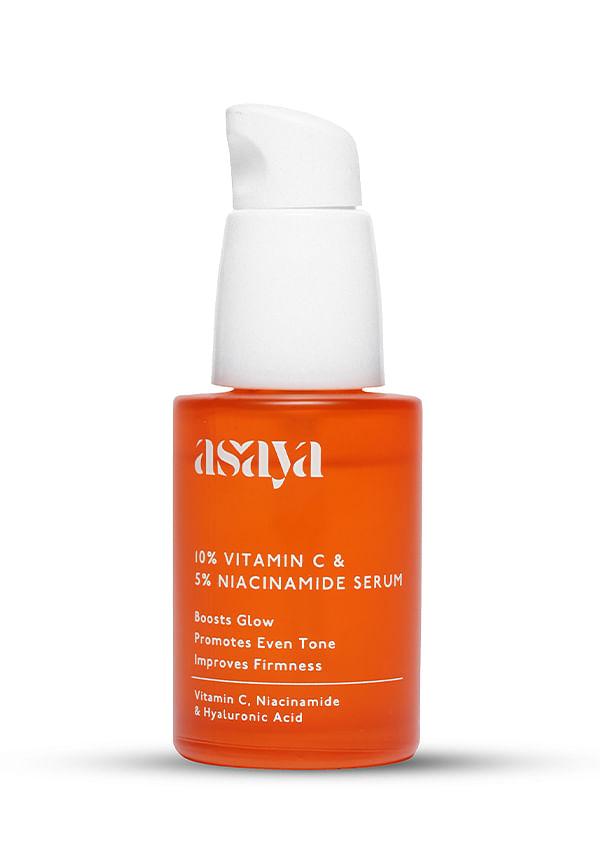
10% Vitamin C & 5% Niacinamide Face Serum
Exfoliation for skin texture improvement is where you'll see some of the most dramatic results. But we're talking chemical exfoliation here, not those harsh scrubs that can actually make texture worse. Chemical exfoliants dissolve the bonds between dead skin cells, revealing the smoother skin underneath.
Alpha Hydroxy Acids (AHAs) work on the skin's surface and are brilliant for overall smoothing. Glycolic acid is the smallest molecule, so it penetrates deepest and works fastest—perfect if you want quick results but can handle some initial sensitivity. Lactic acid is gentler and more hydrating, making it ideal for sensitive skin or beginners.
Salicylic acid is the star BHA that can actually penetrate into pores to clear out buildup. This makes it excellent for anyone looking to reduce pores and smooth bumpy texture, especially if you're dealing with blackheads or occasional breakouts.
Start slowly—once or twice a week maximum—and build up tolerance gradually. Over-exfoliation is real and can actually make texture worse by damaging your skin barrier. Signs you've gone too far include persistent redness, stinging, or increased sensitivity.
If there's one ingredient that deserves the hype for achieving smooth skin, it's retinoids. These vitamin A derivatives speed up cell turnover, boost collagen production, and basically tell your skin to behave like its younger self. They're particularly brilliant for improving even skin tone whilst smoothing texture.
You've got options here: over-the-counter retinol is gentler and perfect for beginners, adapalene (available at chemists) is stronger and great for acne-prone skin, whilst prescription tretinoin is the most potent option for serious texture concerns. The key is starting slowly—think every third night initially—and building up tolerance over several weeks.
Most people experience some initial dryness, flaking, or even temporary breakouts (called purging) when starting retinoids. This is normal and usually settles within 4-6 weeks. The trick is to moisturise well and resist the urge to quit during this adjustment phase.
Never use retinoids with other strong actives like AHAs or BHAs on the same night—your skin needs time to adjust. Alternate nights or use different actives in your morning vs evening routine. Always, always use SPF religiously when using retinoids, as they can increase sun sensitivity.
Sometimes home care needs backup, and that's where professional skin texture treatment options come in. These treatments can fast-track your results and tackle more stubborn texture issues that topical products might struggle with alone.
Microneedling creates tiny controlled injuries that trigger your skin's healing response, boosting collagen production and improving texture over time. Chemical peels remove layers of damaged skin to reveal smoother skin underneath—professional versions are much stronger than anything you can buy for home use. Skin resurfacing treatments like laser therapy can address deeper texture issues but require more downtime and investment.
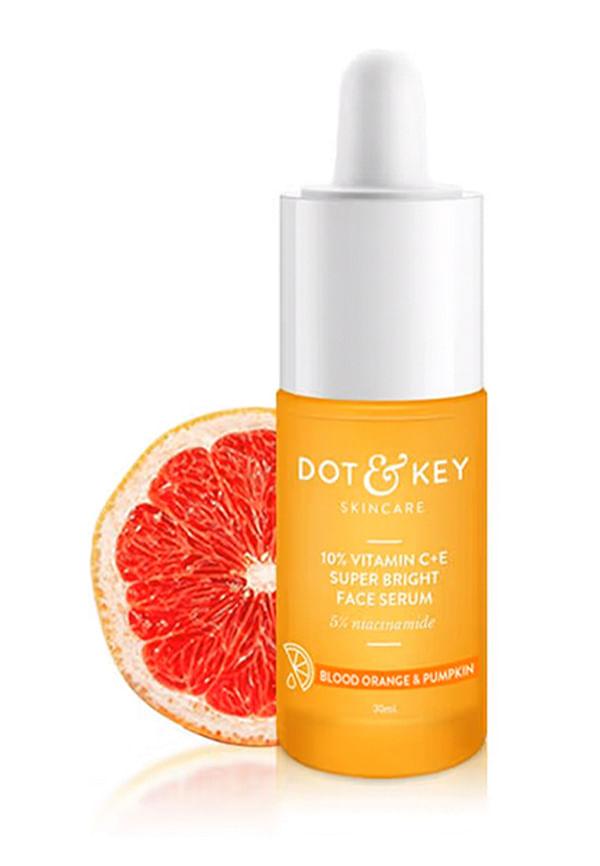
10% Vitamin C+E, 5% Niacinamide Face Serum For Glowing Skin
Professional treatments typically require multiple sessions spaced weeks apart, and costs can add up quickly. However, the results are often more dramatic and longer-lasting than home care alone. Many people find the best approach is combining professional treatments with a solid home routine.
This treatment uses a surgical scalpel to remove dead skin cells and fine facial hair, giving immediate smoothing results. It's gentler than it sounds and leaves skin incredibly smooth, though results are temporary and need regular maintenance.
Whilst active ingredients do the heavy lifting, don't underestimate the power of lifestyle factors in achieving healthy skin. What you eat, how much you sleep, and how you manage stress all impact your skin's ability to repair and renew itself.
Hydration is absolutely crucial—dehydrated skin looks rough and feels bumpy, no matter what products you use. Aim for at least 8 glasses of water daily, and consider adding a humidifier to your bedroom if you live in a dry climate. Foods rich in omega-3 fatty acids, antioxidants, and vitamins support skin health from the inside out.
Your skin does most of its repair work whilst you sleep, so those 7-9 hours aren't just good for your energy levels—they're essential for texture improvement. Chronic stress increases inflammation and slows healing, which can worsen texture issues over time.
If you prefer physical exfoliation, opt for very gentle options like a soft washcloth or konjac sponge. Avoid harsh scrubs with large, irregular particles that can create micro-tears and worsen texture.
Let's talk about what not to do, because sometimes the biggest improvements come from stopping harmful habits. Over-exfoliation is probably the most common mistake—using too many actives too often can damage your skin barrier and actually make texture worse.
Skipping sunscreen is another texture destroyer. UV damage breaks down collagen and elastin whilst creating rough, uneven patches that take months to improve. Even on cloudy days or when you're mostly indoors, UV rays can still reach your skin through windows.
Using too many actives simultaneously is a recipe for irritation. Your skin can only handle so much at once, and combining strong ingredients often leads to sensitivity rather than better results. Stick to one active ingredient at a time when starting out.
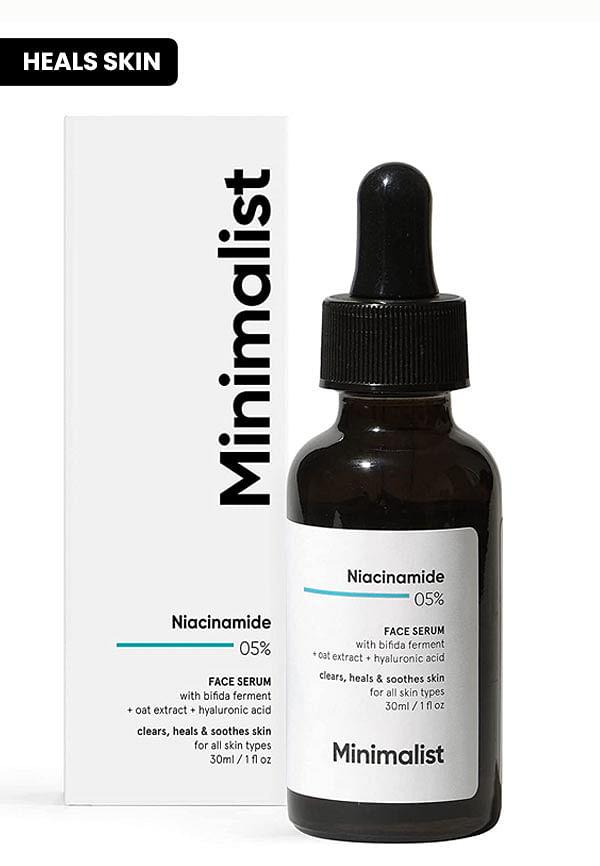
5% Niacinamide Face Serum For Glowing & Clear Skin With 1% Hyaluronic Acid
Picking at bumps, blackheads, or rough patches might feel satisfying in the moment, but it often leads to scarring and worsens texture long-term. Keep your hands busy with other activities and consider getting professional extractions if needed.
This is where platforms like Smytten become incredibly valuable for anyone serious about improving their skin texture. With access to trial packs from over 1,500 trusted brands including skincare favourites like Cetaphil and Dot & Key, you can experiment with different best products for skin texture without committing to full sizes. Getting up to 8 minis for just ₹249 means you can try various exfoliants, serums, and treatments to find what works for your specific texture concerns. Plus, with 100% cashback redeemable for future orders, discovering your perfect texture-improving routine becomes both affordable and risk-free.
Most people notice initial improvements within 4-6 weeks of consistent routine changes, with more significant results appearing after 8-12 weeks. Patience is key—skin cell turnover takes time, and rushing the process often leads to irritation rather than faster results.
It's best to introduce one active ingredient at a time and build tolerance before combining. Never use retinoids with AHAs or BHAs on the same night. Alternate nights or use different actives in morning vs evening routines to avoid irritation.
Pore size is largely genetic and can't be permanently changed, but you can minimise their appearance through proper cleansing and exfoliation. Skin texture refers to the overall smoothness and evenness of your skin's surface, which can be significantly improved with the right approach.
Not necessarily. Many effective ingredients like salicylic acid, glycolic acid, and retinol are available at various price points. The key is finding products with the right concentration and formulation for your skin type, regardless of price.
Consider professional help if you have severe scarring, haven't seen improvement after 3 months of consistent home care, or if texture issues are affecting your confidence. A dermatologist can recommend stronger treatments or identify underlying skin conditions.
Improving skin texture isn't about finding one miracle product—it's about building a consistent routine that addresses your specific concerns. Whether you're dealing with rough patches, enlarged pores, or general unevenness, the combination of proper cleansing, regular exfoliation, and sun protection forms the foundation of smoother skin.
Remember that real results take time. Your skin didn't develop texture issues overnight, and it won't fix them overnight either. The key is consistency, patience, and being willing to adjust your approach based on how your skin responds. Start with gentle products and build up tolerance gradually—your skin will thank you for the patience. With the right approach and realistic expectations, achieving that smooth, even skin texture you're after is absolutely possible.
