How to Improve Skin Hydration Naturally


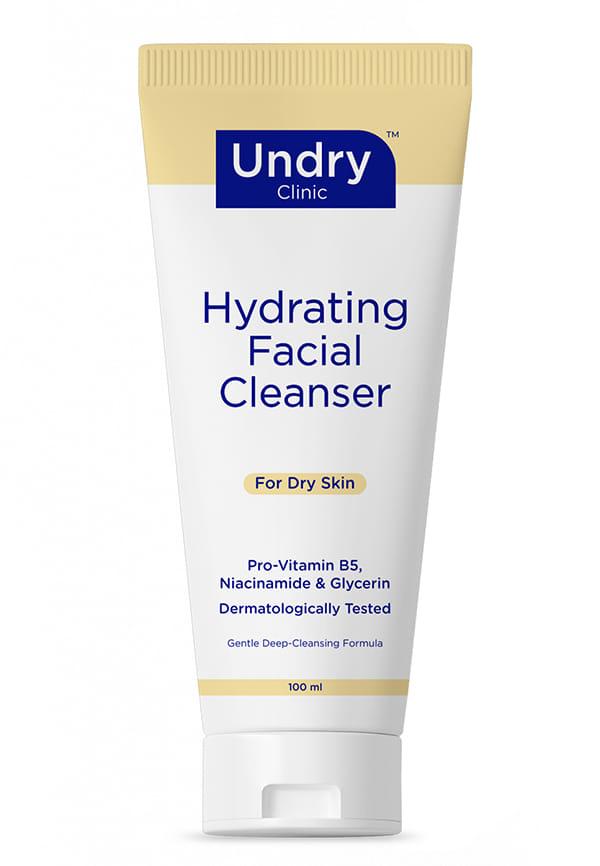
Hydrating Facial Cleanser for Dry Skin
Effective Cleanser
 4
4“it is good cleanser cleanses effectively”
Let's be real—your skin feels tight, looks dull, and no matter how much moisturiser you slap on, it still feels parched by midday. Sound familiar? You're not alone. Most of us confuse dry skin with dehydrated skin, and that mix-up is exactly why our skincare routines aren't delivering the plump, glowing results we're after. Here's the thing: how to improve skin hydration isn't just about finding the right cream. It's about understanding what your skin actually needs and giving it the right kind of TLC from the inside out. Ready to crack the code on proper hydration? Let's dive into the science-backed methods that actually work.
Your skin is basically a brilliant moisture-retention system when it's working properly. The outermost layer, your skin barrier, acts like a protective wall made of skin cells and natural oils. When this barrier is healthy, it keeps water in and irritants out. But when it's compromised? That's when you get that tight, uncomfortable feeling. Dehydrated skin causes are everywhere in our daily lives. Air conditioning, heating, hot showers, harsh cleansers, and even stress can mess with your skin's ability to hold onto moisture. The technical term for this moisture loss is trans-epidermal water loss (TEWL), and it's happening to your skin right now.
Not all skin hydration methods work the same way. Your skin needs three types of ingredients to stay properly hydrated: • Humectants like hyaluronic acid and glycerin that pull moisture from the air • Emollients like ceramides and fatty acids that smooth and soften • Occlusives like petrolatum and oils that seal everything in The magic happens when you use all three together, not just one type.
Here's something your skincare routine can't fix alone: dehydration from the inside. You can hydrate skin much more effectively when you're working from both directions. Drinking water is obvious, but there's more to it than just hitting your daily quota. Aim for 3-4 litres spread throughout the day, not chugged all at once. Your skin cells need consistent hydration, not a flood followed by a drought.
Certain foods are like natural skin hydrators working from within: • Water-rich fruits like watermelon, cucumber, and oranges • Healthy fats from avocados, nuts, and fatty fish • Antioxidant-rich berries that protect your skin barrier • Leafy greens packed with vitamins that support skin repair Meanwhile, alcohol, excessive caffeine, and processed foods can actually dehydrate your skin. It's not about cutting them out completely, but being mindful of balance.
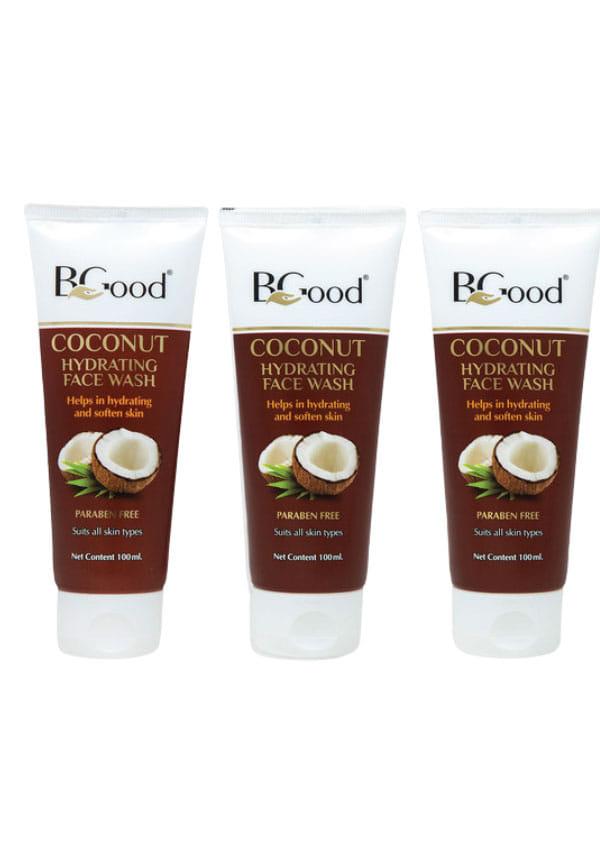
Coconut Hydrating Face Wash
Now for the fun part—building a routine that actually works. The key is layering products correctly and choosing the right ingredients for your skin type.
Start with a gentle cleanser that won't strip your skin. Look for cream or oil-based formulas rather than foaming ones if your skin tends to feel tight after washing. Next, apply a hydrating serum to slightly damp skin. Hyaluronic acid is brilliant here because it can hold up to 1,000 times its weight in water. The damp skin gives it something to grab onto. For your moisturiser, choose something with ceramides and glycerin. These ingredients help with skin barrier repair while providing immediate hydration. Don't forget SPF—sun damage is one of the biggest causes of moisture loss.
Double cleanse if you wear makeup or sunscreen. Start with an oil-based cleanser, then follow with your gentle cream cleanser. This ensures you're removing everything without over-cleansing. Treatment serums work best at night when your skin is in repair mode. Niacinamide helps strengthen your skin barrier, while peptides support the skin's natural repair processes. Finish with a heavier moisturiser or even a facial oil. Your skin loses more moisture while you sleep, so this is when occlusives really shine.
Sometimes the best face moisturizer ingredients are sitting in your kitchen. Honey is a natural humectant that pulls moisture into your skin. Oatmeal contains compounds that soothe and protect. Aloe vera provides instant cooling relief for irritated, dehydrated skin.
Try these dry skin remedies when you want to give your skin some extra love: • Mix honey with a few drops of jojoba oil for a hydrating mask • Blend oatmeal with milk for a gentle, moisturising scrub • Apply pure aloe vera gel as an overnight treatment for irritated skin Always patch test natural ingredients first. Just because something is natural doesn't mean it won't cause a reaction.
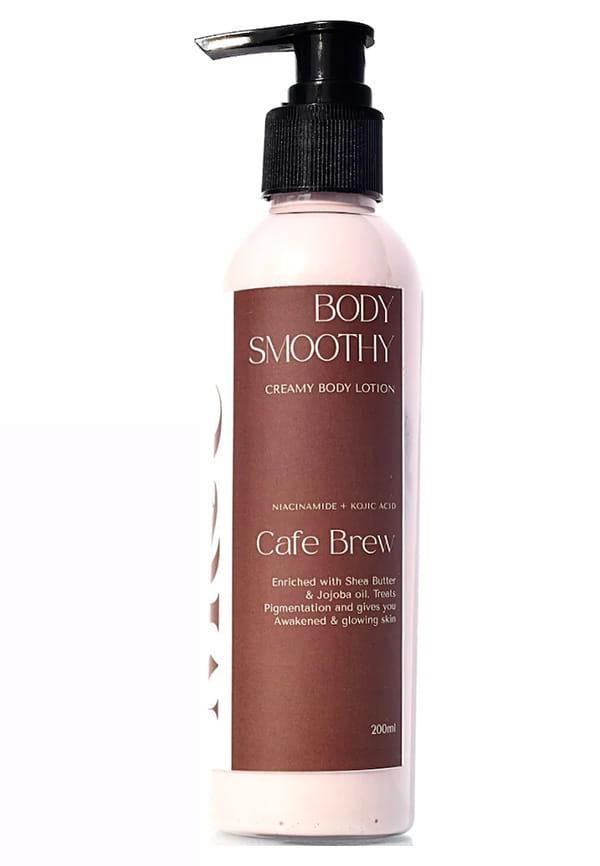
Cafe Brew Creamy Coffee Body Lotion For Hydrated Skin
Your environment plays a huge role in how well you can increase skin moisture. Low humidity, whether from air conditioning or heating, constantly pulls moisture from your skin. A humidifier in your bedroom can work wonders, especially during winter months. Aim for 40-60% humidity for optimal skin comfort.
Small changes in your daily routine can have big impacts: • Take shorter, lukewarm showers instead of long, hot ones • Pat your skin dry instead of rubbing vigorously • Apply moisturiser while your skin is still slightly damp • Sleep on silk or satin pillowcases to reduce friction Stress management also plays a role. High cortisol levels can disrupt your skin barrier function, making it harder to maintain proper hydration.
Even with the best intentions, it's easy to sabotage your hydration efforts. Over-cleansing is probably the biggest culprit. Washing your face more than twice a day or using harsh, stripping cleansers can damage your skin barrier faster than you can repair it. Hot water feels amazing, but it's terrible for your skin. It strips away natural oils and can cause inflammation. Stick to lukewarm water for both face washing and showers. Product layering order matters too. Apply thinnest to thickest consistency, and give each product a minute or two to absorb before adding the next layer. Alcohol-based toners and astringents might make your skin feel clean, but they're often too harsh for daily use. Look for alcohol-free alternatives that focus on hydration instead. When exploring new products to find what works for your skin, platforms like Smytten make it easier to test different formulations without committing to full sizes. With trial packs from trusted brands like Cetaphil and Dot & Key, you can discover your perfect hydration routine through mini-sized products. This approach helps you make smarter choices about what actually works for your skin type.
Real results take time, but you should start noticing improvements within a few weeks of consistent care. Your skin will feel less tight throughout the day, look more plump and radiant, and bounce back faster from environmental stressors. That coveted healthy skin glow comes from well-hydrated skin that reflects light properly. When your skin barrier is functioning well, you'll also notice that products absorb better and makeup applies more smoothly.
Apply a hydrating serum to damp skin, followed immediately by an occlusive like petroleum jelly or a rich moisturiser. This traps moisture and provides immediate relief.
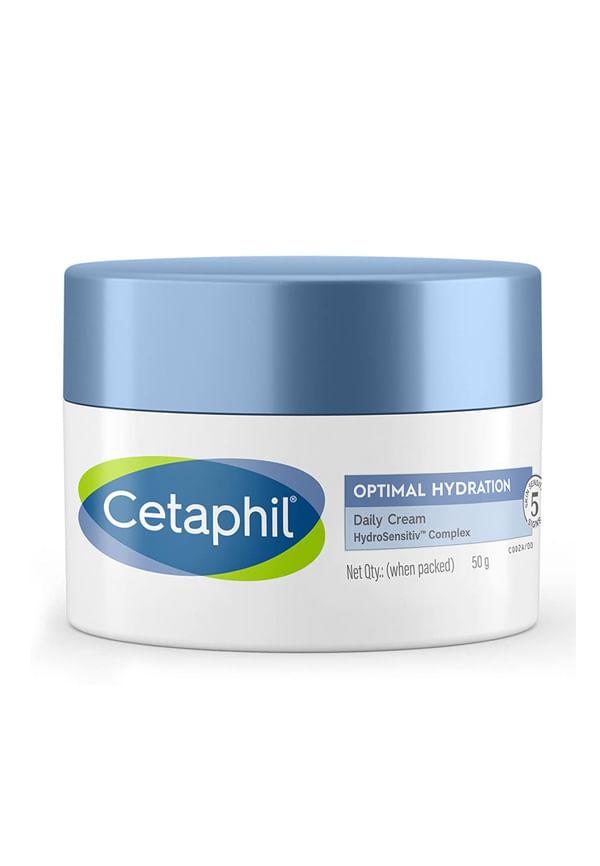
Optimal Hydration Daily Cream
Absolutely Perfect
5“absolutely perfect. I love this product.”
Best for dehydrated skin
5“best cream for dehydrated skin ❤️❤️”
Best for dry skin
5“Best product ever for dry skin”
You might notice immediate comfort, but real improvements in skin texture and appearance typically take 4-6 weeks of consistent use.
Yes, using too many heavy products can clog pores or cause irritation. Start with lightweight formulas and build up as needed.
Dry skin lacks oil production, while dehydrated skin lacks water. You can have oily but dehydrated skin, which needs different treatment approaches.
Not necessarily. Focus on ingredients rather than price tags. Many affordable products contain the same effective hydrating ingredients as luxury brands.
Proper skin hydration isn't about finding one miracle product—it's about creating a comprehensive approach that addresses your skin's needs from multiple angles. Focus on gentle cleansing, layered hydration, and protecting your skin barrier. Remember that internal hydration through proper water intake and nutrition plays just as important a role as your topical routine. The key is consistency and patience. Your skin barrier didn't get compromised overnight, and it won't repair itself immediately either. But with the right combination of skin moisturizing tips and products suited to your skin type, you can achieve that healthy, hydrated glow you're after. With over 25 million users discovering their perfect skincare matches through trial and exploration, the journey to better skin hydration doesn't have to involve expensive mistakes. Whether you're testing a new hyaluronic acid serum or exploring natural moisturising ingredients, the goal is finding what works specifically for your skin. After all, why settle for maybe when you can try it all and find your perfect hydration routine?
