How to Identify Your Skin Type at Home: Simple Test Guide
-775ca6db-b0c3-4ce7-92a1-ef80e8990206.webp&w=3840&q=75)

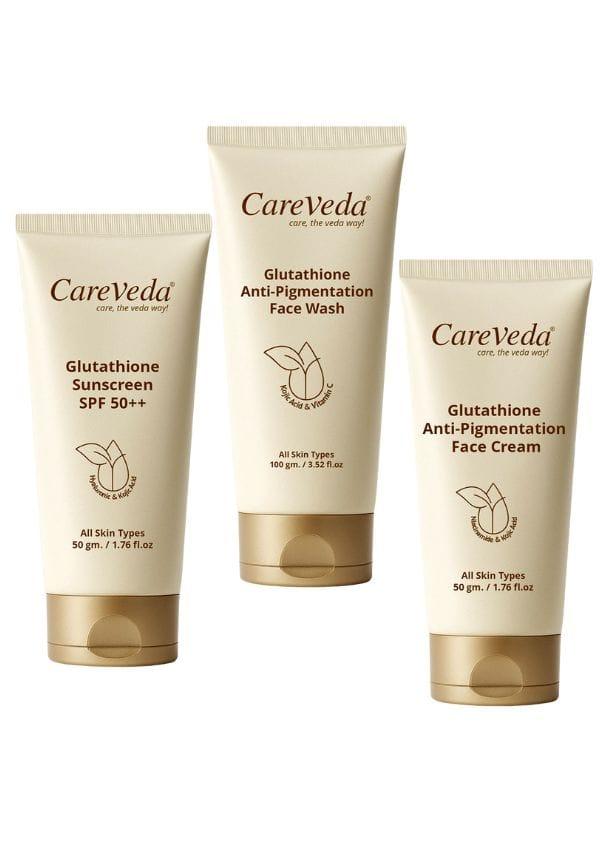
Face Cream & Face Wash, Sunscreen for Bright, Even-Toned Skin
Ever stood in front of the mirror wondering whether that new serum is actually right for your skin? Or scrolled through endless product reviews, still unsure if you're oily, dry, or somewhere in between? You're not alone. Understanding your skin type is the foundation of any effective skincare routine, yet it's one of the most confusing aspects of skincare. The good news? You can identify your skin type at home with simple, reliable tests that don't require expensive equipment or dermatologist visits. Let's walk through the most effective methods to determine exactly what your skin needs.
Before diving into testing methods, it's crucial to understand what you're looking for. Your skin type is determined by how much oil (sebum) your skin naturally produces, and this affects everything from texture to how products perform on your face.
Normal skin is the goldilocks of skin types - not too oily, not too dry. You'll notice balanced oil production, minimal visible pores, and an even texture that feels comfortable throughout the day. Lucky you if this sounds familiar!
Oily skin produces excess sebum, particularly in the T-zone (forehead, nose, and chin). You might notice enlarged pores, a shiny appearance by midday, and potentially more frequent breakouts. The upside? Oily skin often ages more slowly due to natural moisture retention.
Dry skin produces less oil than it needs, leading to that tight, sometimes uncomfortable feeling. You might see fine lines more easily, experience flaky patches, or notice your skin feels rough to the touch. This type often benefits from richer, more emollient products.
Combination skin is exactly what it sounds like - a mix of oily and dry areas. Typically, you'll have an oily T-zone whilst your cheeks remain normal to dry. This can make product selection tricky, as different areas need different care.
Sensitive skin isn't technically a skin type but rather a condition that can affect any of the above types. If your skin frequently reacts to products with redness, stinging, or irritation, sensitivity is likely part of your skin profile.
Understanding your skin type isn't just skincare trivia - it's the key to building a routine that actually works. When you know whether you're oily, dry, or combination, you can choose products with the right ingredients and textures. This means no more wasting money on moisturisers that feel too heavy or cleansers that leave your skin tight and uncomfortable.
This is the gold standard for determining your skin type at home. It's simple, reliable, and gives you the most accurate picture of how your skin behaves naturally.
Start with a gentle, pH-balanced cleanser to remove any makeup, sunscreen, or product buildup. Avoid anything with strong actives or exfoliating ingredients for this test. Pat your face dry with a clean towel - no rubbing, as this can irritate your skin and affect the results.
Now comes the waiting game. For the next 30 minutes, don't apply anything to your face - no moisturiser, no serum, nothing. This allows your skin to return to its natural state without any product interference.
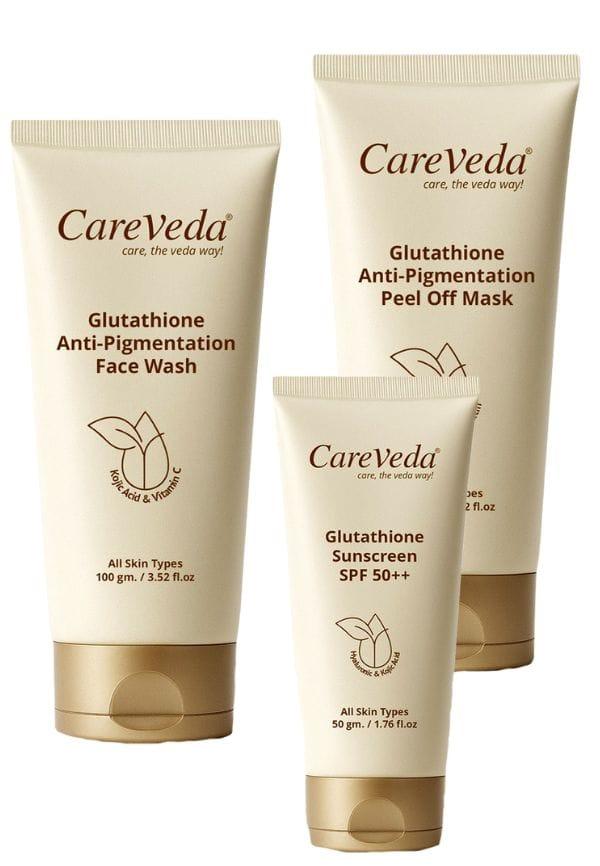
Face Wash & Peel off Mask, Sunscreen for Bright, Even-Toned Skin
Pay attention to how your skin feels as the minutes tick by. Does it start feeling tight and uncomfortable? Or do you notice oil beginning to appear in certain areas? Take note of any differences between your T-zone and cheeks, as this can indicate combination skin.
Also observe your pore size across different areas of your face. Larger, more visible pores often indicate oilier skin, whilst barely visible pores suggest drier skin types.
After 30 minutes, assess your skin honestly. If it feels tight, uncomfortable, or looks dull, you likely have dry skin. A shiny appearance all over suggests oily skin, whilst oil only in the T-zone with comfortable cheeks indicates combination skin. If your skin feels balanced and comfortable without any tightness or excess shine, congratulations - you probably have normal skin.
This quick method can complement your bare face test and is particularly useful for identifying oily areas on your face.
You'll need clean blotting papers for this test. The best time to perform this is in the morning, about an hour after cleansing, or in the early afternoon when your skin's natural oil production is most apparent. Gently press the blotting paper against different areas of your face - forehead, nose, chin, and cheeks.
Hold the blotting papers up to the light to see how much oil they've absorbed. No oil absorption typically indicates dry skin, whilst minimal oil from just the T-zone suggests normal skin. Heavy oil absorption from your entire face points to oily skin, and oil only from your forehead and nose area indicates combination skin.
Whilst the bare face and blotting tests are your primary tools, these additional methods can provide extra insight into your skin's behaviour and needs.
Gently pinch a small area of skin on your cheek and release. Healthy, well-hydrated skin should bounce back immediately. If it takes a moment to return to normal, this could indicate dehydration or loss of elasticity, which is different from your actual skin type but important for choosing the right products.
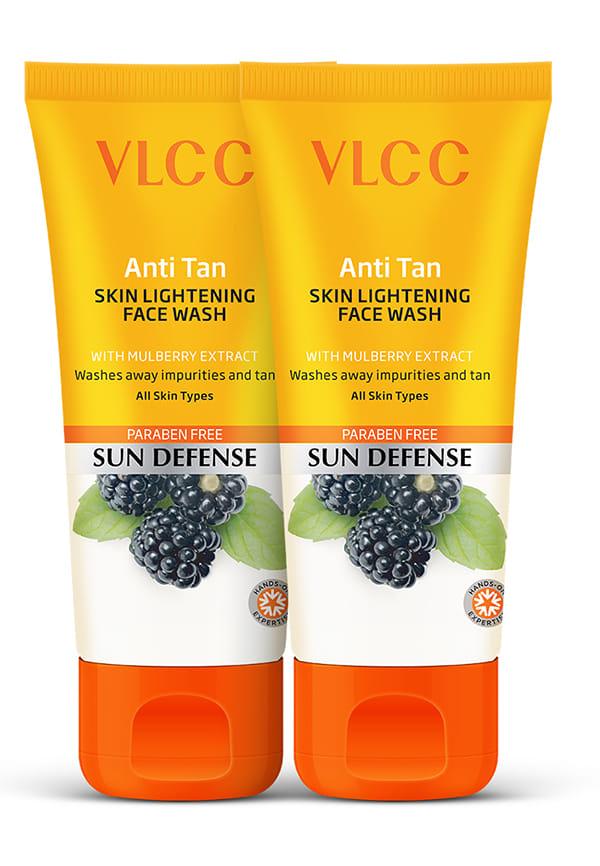
Anti Tan Skin Lightening Face Wash - Buy One Get One
Positive Skin Suitability
 5
5“love it suits my skin verywelll”
Meets expectations
5“meet the expectations as mentioned on the product”
Facewash gives glow, reduces acne
5“I love this facewash it gives instant glow to my skin and also it reduces my active acne”
After cleansing, splash your face with cool water and observe how quickly it absorbs. Dry skin tends to absorb water quickly, whilst oily skin may cause water to bead up on the surface. This test has limitations, as water absorption can be affected by recent product use, but it can provide additional context for your skin assessment.
Take a close look at your skin in natural light. Examine pore size across different areas - they're typically larger in the T-zone for most people, but significantly enlarged pores throughout suggest oily skin. Look at your skin's texture and note any rough patches, which might indicate dryness, or areas of congestion, which could suggest oiliness.
Many people confuse temporary skin conditions with their actual skin type, leading to inappropriate product choices that can worsen their concerns.
Dehydration is a temporary condition where your skin lacks water, whilst dry skin is a type characterised by low oil production. You can have oily, dehydrated skin that feels tight but still produces excess sebum. This is why the bare face test is so valuable - it shows you your skin's natural oil production without the confusion of temporary conditions.
Your skin can behave differently in summer versus winter, or in air-conditioned environments versus humid conditions. If you're testing during a particularly dry winter or humid monsoon season, consider how these factors might be influencing your results. It's worth repeating your skin type assessment during different seasons to get a complete picture.
If you've recently started using new products, especially those with active ingredients like retinol or acids, wait at least a week before testing your skin type. These products can temporarily alter your skin's behaviour, giving you inaccurate results.
Whilst home testing methods are quite reliable for most people, there are times when professional analysis might be beneficial.
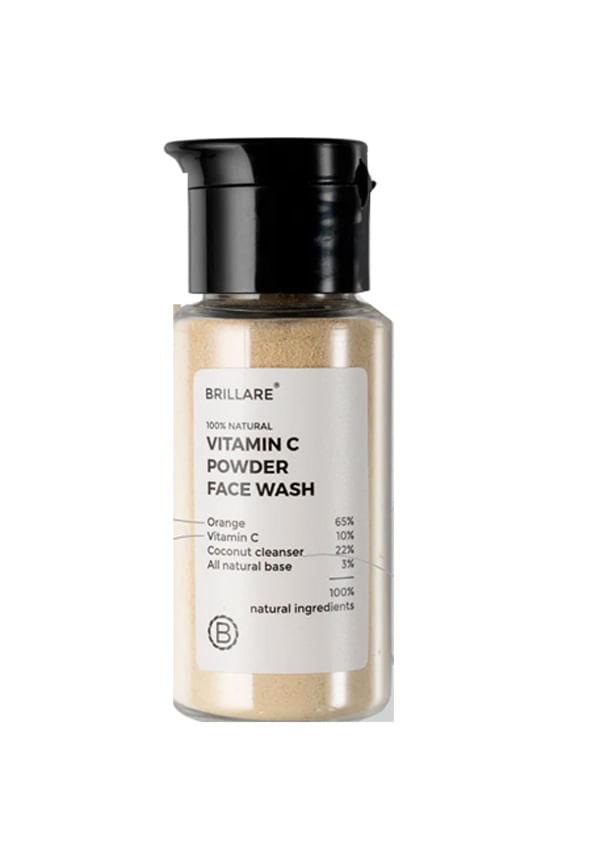
Vitamin C Powder Face Wash For Bright, Glowing Skin
Home tests work well for straightforward skin types, but if you have complex concerns like persistent sensitivity, unusual reactions to products, or skin that seems to change dramatically, a dermatologist can provide more detailed analysis using professional tools.
If your skin consistently reacts poorly to products designed for your identified skin type, or if you're dealing with persistent issues like severe acne or unexplained sensitivity, professional guidance can be invaluable. Dermatologists can also identify underlying skin conditions that might be affecting your skin's behaviour.
Your basic skin type typically remains consistent, but it's worth reassessing annually or during major life changes like pregnancy, menopause, or significant hormonal shifts. Seasonal checks can also help you adjust your routine accordingly.
Yes, skin type can evolve due to age, hormones, medication, or lifestyle changes. Many people find their skin becomes drier as they age, whilst hormonal changes during puberty often increase oil production temporarily.
Your skin type refers to your skin's natural characteristics - how much oil it produces and its general behaviour. Skin conditions like acne, sensitivity, or dehydration can affect any skin type and are often temporary or treatable.
Online quizzes can be helpful starting points, but they're not as reliable as physical observation of your skin. Many rely on subjective questions that can be interpreted differently, whereas the bare face test gives you objective, observable results.
Identifying your skin type at home doesn't require expensive tools or complicated procedures. The bare face test remains the most reliable method, giving you clear insight into how your skin behaves naturally. Remember, understanding your skin type is just the beginning - it's the foundation for building a routine that truly works for you.
Once you've identified your skin type, you can make informed decisions about cleansers, moisturisers, and treatments that will support your skin's natural balance. Whether you're dealing with oily T-zone concerns or dry skin tightness, knowing your skin type empowers you to choose products with confidence.
For those curious about trying new products suited to their newly identified skin type, platforms like Smytten offer a smart approach to product discovery. With over 28 million users exploring curated selections from trusted brands, you can test products in smaller sizes before committing to full-size purchases - perfect for building a routine that truly works for your unique skin needs.
