How to Identify Your Skin Type: A Simple At-Home Skin Analysis


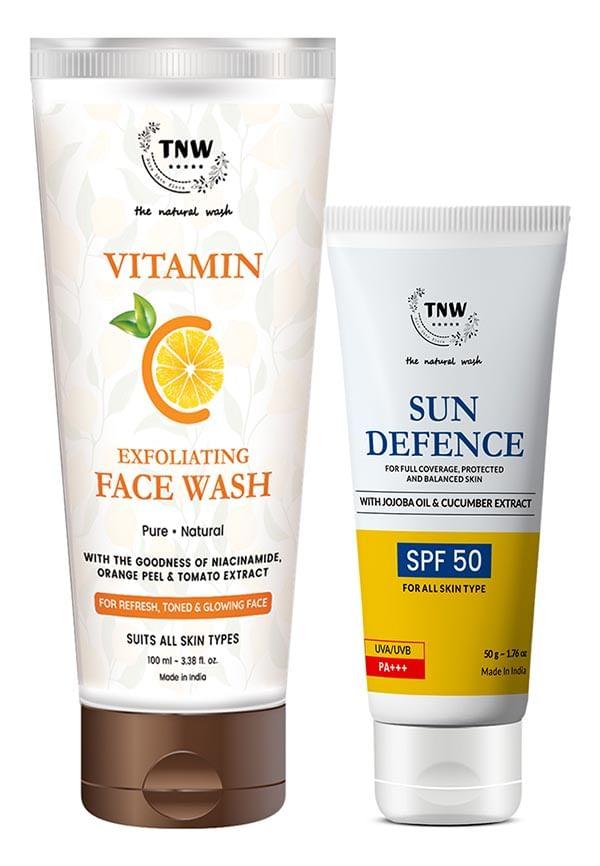
Vitamin C Exfoliating Face Wash and Sun Defense with Natural Ingredients | For Glowing and Healthy Skin | ChemicalFree Skincare Products,2 Pc
You've probably stood in front of the mirror wondering why that moisturiser your friend swears by leaves your skin feeling greasy, or why that 'gentle' cleanser makes your face feel tight and uncomfortable. The answer often lies in one simple truth: you might not actually know your skin type. Real talk — most of us are guessing when it comes to our skin's actual needs, and that guessing game can lead to breakouts, irritation, and a skincare routine that's working against you rather than with you.
Understanding your skin type isn't just skincare theory — it's the foundation that determines whether your routine will actually work. When you know whether you have oily, dry, combination, or sensitive skin, you can choose products with ingredients that complement your skin's natural behaviour rather than fighting against it.
Think about it this way: using a heavy, oil-based moisturiser on already oily skin is like adding fuel to a fire. Meanwhile, applying a mattifying toner to dry skin can leave you looking flaky and feeling uncomfortable. These mismatches don't just waste your money — they can actually create new skin concerns or worsen existing ones.
The cost of this trial-and-error approach adds up quickly. Between products that don't work and the time spent dealing with reactions or breakouts, getting your skin type wrong can set your skincare journey back months. That's why learning to identify your skin type at home is such a valuable skill.
Before we dive into the tests, let's break down what each skin type actually looks like. Understanding these characteristics will help you interpret your results more accurately.
Normal skin is the goldilocks of skin types — not too oily, not too dry, but just right. If you have normal skin, you'll notice balanced oil production across your face, with pores that are barely visible and a smooth, even texture. Your skin rarely experiences breakouts or sensitivity, and most products work well without causing irritation. You might notice slight oiliness in your T-zone during humid weather, but it's nothing dramatic.
Oily skin produces excess sebum throughout the entire face, not just the T-zone. You'll notice a shiny appearance that develops within hours of cleansing, enlarged pores that are clearly visible, and a tendency towards blackheads, whiteheads, and occasional breakouts. The upside? Oily skin tends to age more slowly due to its natural moisture barrier, but managing the daily shine and preventing acne becomes the main focus.
Dry skin feels tight, especially after cleansing, and may appear rough or flaky in patches. Pores are typically small and barely visible, giving the skin a smooth appearance, but the lack of natural oils can lead to a dull complexion. You might experience itchiness or irritation, particularly in air-conditioned environments or during winter months. Dry skin can also be more prone to premature fine lines due to the lack of natural moisture.
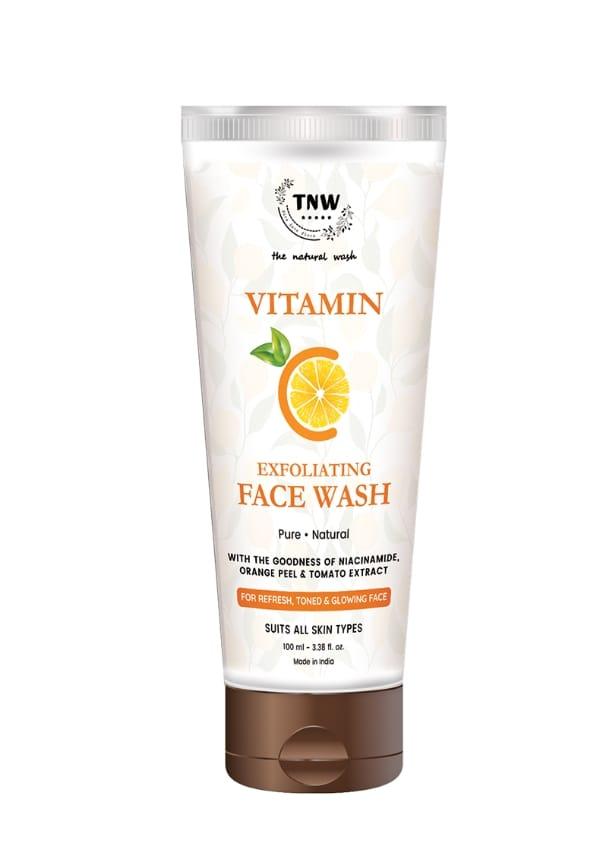
Vitamin C Face Wash for Glowing Skin | Face Wash for Curing All Skin Problems | Suitable for All Skin Types100ml
Amazing Product
 4
4“the product is amazing i loved it”
Good Refreshing Face Wash
5“Face wash is so good and refresh the afce”
Love TNW Product
5“TNW is already my favourite brand now because of this product.”
Combination skin is exactly what it sounds like — a mix of different skin types across your face. Typically, you'll have an oily T-zone (forehead, nose, and chin) with normal to dry cheeks. This means you might notice shine and enlarged pores down the centre of your face, while your cheek area feels comfortable or even slightly tight. Managing combination skin requires a targeted approach, treating different areas according to their specific needs.
Sensitive skin isn't technically a skin type but rather a skin condition that can overlap with any of the above types. If you have sensitive skin, you'll notice reactions to products, weather changes, or environmental factors. This might show up as redness, burning, stinging, or itching. Your skin might react poorly to fragrances, certain acids, or even changes in temperature.
The bare-face test is the most reliable way to determine your skin type at home. It involves observing your skin in its completely natural state, without any products influencing its behaviour.
Start by cleansing your face with a gentle, non-drying cleanser — something basic like a simple cream or gel cleanser without active ingredients. Pat your skin dry with a clean towel, being careful not to rub or irritate the skin. Now comes the waiting game: leave your skin completely bare for 30 to 60 minutes. No moisturiser, no serum, nothing. This waiting period allows your skin to return to its natural state and show you its true characteristics.
After the waiting period, examine your skin carefully in natural light if possible. Notice any feelings of tightness or discomfort — this often indicates dry skin. Look for shine or oil appearing on different areas of your face. Check the visibility of your pores and any changes in texture. Pay attention to any irritation, redness, or unusual sensations that might indicate sensitive skin.
If your skin feels comfortable with minimal shine and no tightness, you likely have normal skin. Shine appearing all over your face within the hour suggests oily skin. Tightness, especially around the cheeks, typically indicates dry skin. If you notice shine only in your T-zone while your cheeks feel normal or tight, you're probably dealing with combination skin. Any burning, stinging, or unusual redness during this process might suggest sensitive skin.
The blotting paper test works perfectly alongside the bare-face test to give you additional confirmation of your skin type.
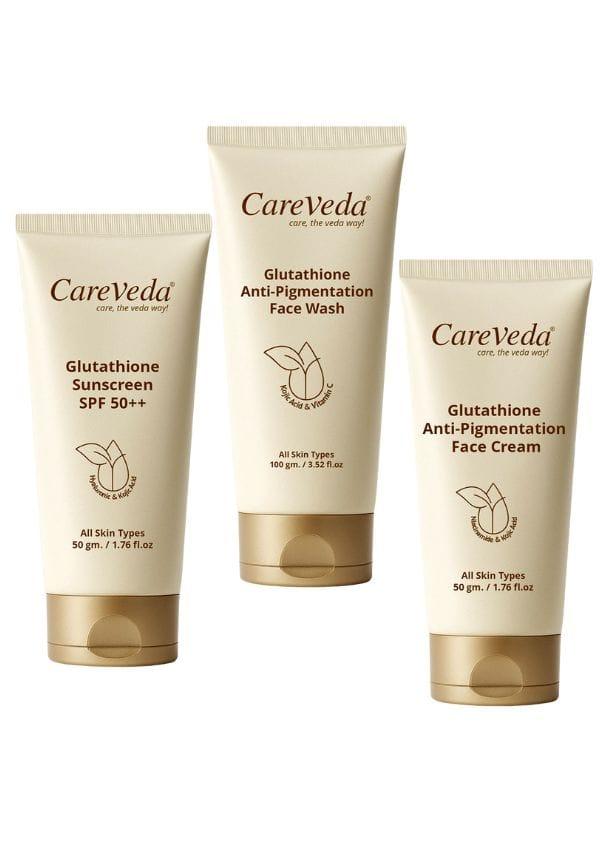
Face Cream & Face Wash, Sunscreen for Bright, Even-Toned Skin
About an hour after completing your bare-face test, gently press blotting papers against different areas of your face. Start with your forehead, then move to your nose, chin, and both cheeks. Hold each paper against the skin for a few seconds without rubbing. If you don't have blotting papers, clean tissue paper can work as an alternative, though it's less precise.
Heavy oil absorption on all areas of the blotting paper indicates oily skin. If you see oil only from the T-zone areas (forehead, nose, chin) but little to none from the cheeks, you likely have combination skin. Little to no oil on any of the papers suggests either dry or normal skin — you'll need to consider how your skin felt during the bare-face test to distinguish between these two.
Once you've completed the basic tests, these additional techniques can help you get an even clearer picture of your skin type.
Natural lighting is your best friend for accurate skin analysis. Stand near a window during daylight hours and examine your skin closely. Look at your pore size and distribution — larger, more visible pores typically indicate oily or combination skin, while barely visible pores often suggest dry or normal skin. Notice any texture irregularities, rough patches, or areas of congestion that might give you clues about your skin's needs.
Pay attention to how your skin feels immediately after cleansing and throughout the day. Dry skin often feels tight right after washing, while oily skin might feel comfortable initially but become greasy within hours. Notice if certain areas of your face feel different from others — this texture variation is a key indicator of combination skin.
Keep track of how your skin responds to different ingredients over time. Sensitive skin will often react poorly to fragrances, alcohol, or strong acids. Oily skin might handle stronger ingredients better, while dry skin often benefits from gentler, more moisturising formulations. Building a personal skin diary can help you identify patterns and triggers.
One of the biggest mistakes people make is confusing dehydration with having dry skin as a type. Dehydration is a temporary condition that can affect any skin type, while dry skin is a permanent characteristic related to oil production. Similarly, over-cleansed skin might appear oily as it tries to compensate for stripped natural oils, leading you to incorrectly identify your type.
Seasonal changes can also affect your assessment accuracy. Your skin might behave differently in summer humidity versus winter dryness, so it's worth repeating these tests at different times of the year. Product buildup from heavy creams or oils can also mask your skin's true characteristics, which is why the bare-face test starts with thorough cleansing.
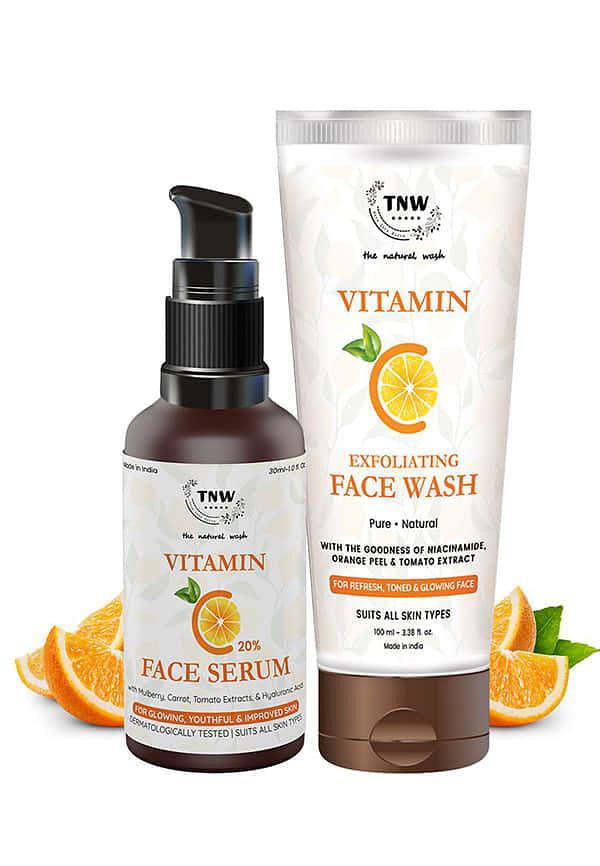
Vitamin C Exfoliating Face Wash and Vitamin C Face Serum with Natural Ingredients | For Glowing and Fresh Skin | ChemicalFree Skincare Products
Lightweight and Effective Serum
5“love itthe serum very light weight and effective and the same time not too must fragrance loving the formula of this product”
Remember that your skin type can evolve with age, hormonal changes, or lifestyle factors. What worked in your twenties might not be appropriate in your thirties, so periodic reassessment is valuable.
Yes, but it requires a bit more patience. Acne-prone skin doesn't automatically mean you have oily skin — you could have dry or sensitive skin that's breaking out due to product reactions or hormonal changes. Try to perform your skin analysis during a clearer period, or focus on areas of your face that aren't actively breaking out. If your acne is severe or persistent, consider consulting a dermatologist for professional guidance.
Absolutely. Hormonal fluctuations during puberty, pregnancy, or menopause can significantly affect oil production and skin type. Age naturally reduces oil production, so someone with oily skin in their teens might develop normal or even combination skin later in life. Environmental factors, medication, and lifestyle changes can also influence your skin's behaviour over time.
This is exactly what combination skin looks like. It's perfectly normal to have an oily T-zone with normal or dry cheeks. Some people even have more complex combinations, like oily forehead and chin with normal nose and dry cheeks. The key is to treat each area according to its specific needs rather than applying the same products everywhere.
A good rule of thumb is to reassess your skin type seasonally, especially if you notice changes in how your skin behaves or how products are working. Major life changes like starting new medication, significant stress, or hormonal shifts are also good times to reevaluate. If your current routine stops working effectively, it might be time for a fresh skin analysis.
Learning to identify your skin type accurately is one of the most valuable skills you can develop for your skincare journey. These simple at-home tests — the bare-face test and blotting paper method — give you the foundation to make informed decisions about products and routines that will actually work for your skin.
Remember that understanding your skin type is just the beginning. The next step is choosing products with ingredients that support your skin's specific needs, whether that's niacinamide for oil control, hyaluronic acid for hydration, or gentle formulations for sensitive skin. Building an effective routine takes time and patience, but knowing your starting point makes the journey much more straightforward.
With over 28 million users discovering their perfect products, Smytten understands that finding the right skincare isn't always straightforward. The platform's curated selection from trusted brands means you can explore products suited to your specific skin type with confidence. If you're curious about trying new products but not ready to commit to full sizes, Smytten also lets you try minis from many brands before buying. It's a smart way to test before you invest, especially when you're building a routine based on your newly identified skin type.
