How to Identify the Root Causes of Dark Skin Spots

Perfection Stick-Dark
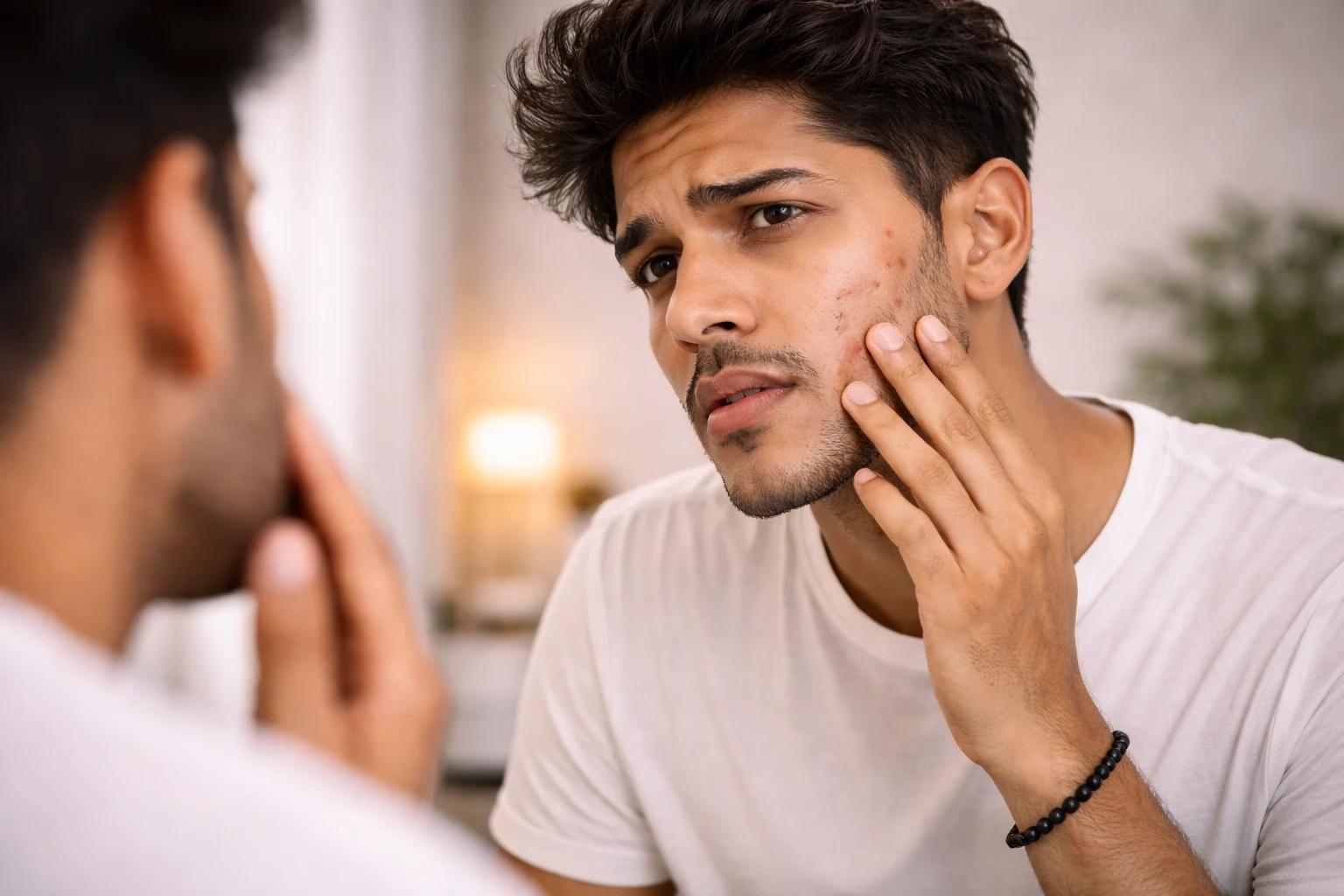
Ever noticed those stubborn dark patches appearing on your skin and wondered where they came from? You're definitely not alone. Dark skin spots are one of the most common skincare concerns, affecting millions of people across all skin types and ages. Understanding the causes of dark skin spots is your first step towards addressing them effectively. Whether it's those pesky sun spots from last summer's holiday or mysterious patches that seemed to appear overnight, each type of skin discoloration has its own story to tell. Let's dive into the science behind these spots and help you become a detective of your own skin.
Dark skin spots, medically known as hyperpigmentation, occur when your skin produces too much melanin in certain areas. Think of melanin as your skin's natural sunscreen—it's the pigment that gives your skin its colour and helps protect it from UV damage. When something triggers your melanocytes (the cells that produce melanin) to go into overdrive, they create concentrated patches of pigment that appear darker than your surrounding skin.
The causes of dark skin spots are surprisingly varied. Your skin might be responding to injury, inflammation, hormonal changes, or simply the natural ageing process. These spots commonly pop up on areas that get the most sun exposure—your face, hands, shoulders, and arms. The good news? Most dark spots are completely harmless and purely cosmetic concerns.
Let's be real—the sun is both our skin's best friend and worst enemy. Sun spots, also called solar lentigines or age spots, are the most common type of skin discoloration you'll encounter. Every time UV rays hit your skin, they trigger melanin production as a protective response. Over years of sun exposure, this process can become uneven, creating those flat, brown patches we know all too well.
Here's what makes sun damage particularly sneaky: it's cumulative. That sunburn from your teens, those lunch breaks spent outdoors without SPF, even brief moments of sun exposure add up over time. Fair-skinned individuals are especially prone to developing sun spots, but no skin tone is immune to UV-induced hyperpigmentation.
Several factors increase your likelihood of developing sun spots:
History of frequent sunburns
Fair skin that burns easily
Regular outdoor activities without proper sun protection
Living in sunny climates or high altitudes
Age over 40 (when accumulated damage becomes visible)
Hormones can be absolute chaos for your skin, and melasma is proof of that. Often called the "pregnancy mask," melasma creates symmetrical brown patches, typically on the face. But pregnancy isn't the only hormonal trigger—birth control pills, hormone replacement therapy, and even thyroid disorders can all contribute to uneven skin tone.
What makes hormonal hyperpigmentation particularly frustrating is how unpredictable it can be. You might notice patches appearing during pregnancy that fade after delivery, or spots that develop when starting a new contraceptive. The key is recognising the pattern and understanding that these changes are often temporary.
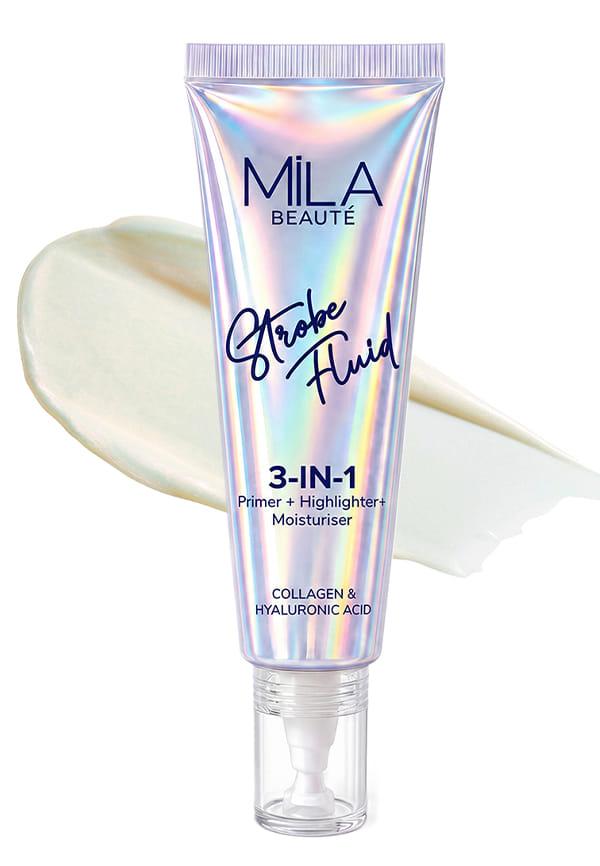
Super Skin Strobe Fluid
Impressive Super Strobe
 5
5“must buy an impressive super strobe 😍 love it 😍”
Impressive Super Strobe
5“must buy an impressive super strobe 😍 love it 😍”
Impressive Super Strobe
5“must buy an impressive super strobe 😍 love it 😍”
Watch out for these hormonal situations that might trigger dark patches:
Pregnancy and postpartum period
Starting or changing birth control methods
Menopause and hormone replacement therapy
Thyroid imbalances
Polycystic ovary syndrome (PCOS)
Post-inflammatory hyperpigmentation (PIH) is your skin's way of saying "I remember that trauma." Any injury, inflammation, or irritation can trigger excess melanin production as part of the healing process. This includes everything from acne breakouts and eczema flare-ups to cuts, burns, and even aggressive skincare treatments.
PIH is particularly common in individuals with darker skin tones, as their melanocytes are naturally more reactive to inflammation. Even minor irritations like bug bites or harsh scrubbing can leave behind dark marks that persist for months.
These everyday occurrences can lead to lasting dark spots:
Acne breakouts and picking at blemishes
Eczema, psoriasis, or other inflammatory skin conditions
Cuts, scrapes, or burns
Insect bites and allergic reactions
Overly aggressive skincare routines
Laser treatments or chemical peels (when not properly managed)
Beyond the big three causes, several other factors can contribute to skin pigmentation issues. Genetics play a huge role—if your parents or grandparents had freckles or age spots, you're more likely to develop them too. Some medications, particularly antibiotics and anti-seizure drugs, can make your skin more photosensitive, leading to unusual pigmentation patterns.
Friction and irritation can also cause darkening, especially in skin folds. This condition, called acanthosis nigricans, often appears as velvety dark patches in areas like the neck, armpits, or groin. It's sometimes associated with insulin resistance or diabetes.
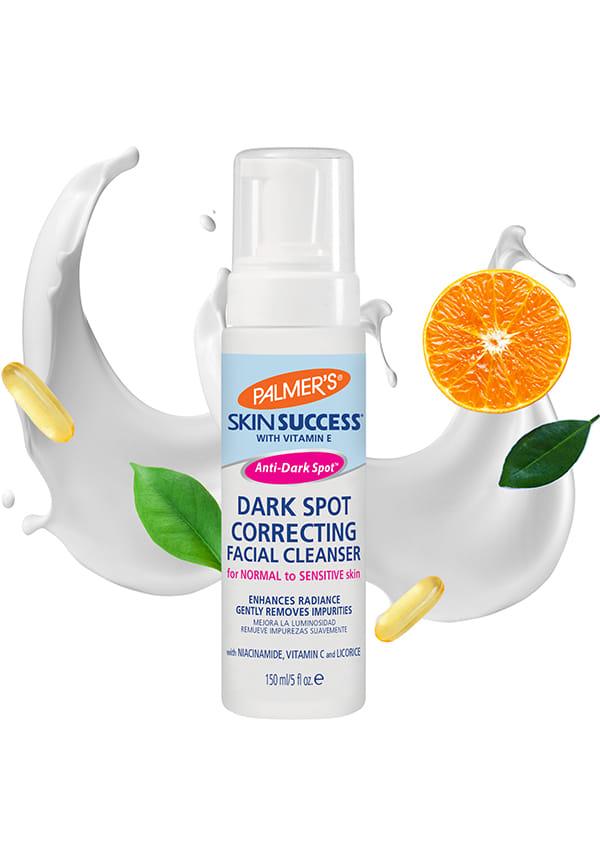
Skin Success Palmer’s Skin Success Dark Spot Correcting Facial Cleanser
Mixed Review: Dry Skin Face Wash
5“This is a good face wash for dry skin. But does jothing foe spots”
Keep these additional factors in mind:
Genetic predisposition to pigmentation disorders
Certain medications increasing photosensitivity
Underlying health conditions like diabetes
Nutritional deficiencies affecting skin health
Chronic friction from tight clothing or accessories
While most dark spots are harmless, some changes warrant immediate attention. The ABCDE rule is your best friend for identifying potentially problematic spots: Asymmetry, irregular Borders, varied Colour, large Diameter (bigger than a pencil eraser), and Evolving characteristics.
Any spot that appears suddenly, grows rapidly, bleeds, itches persistently, or has an unusual texture should be evaluated by a dermatologist immediately. Trust your instincts—if something feels off about a particular spot, it's always better to get it checked.
Schedule a dermatologist appointment if you notice:
Spots with irregular shapes or borders
Multiple colours within a single spot
Rapid changes in size, shape, or colour
Bleeding, crusting, or persistent itching
New spots appearing after age 30
Becoming your own skin detective starts with careful observation. Sun spots typically appear as flat, brown patches on sun-exposed areas and have well-defined borders. Melasma tends to be symmetrical and appears on the face, while post-inflammatory hyperpigmentation usually corresponds to areas where you've had previous skin issues.
Location matters too. Spots on your face, especially around the cheeks and forehead, are often hormonal. Hand and shoulder spots usually point to sun damage. Keep a skin diary with photos to track any changes over time—this information is invaluable for both you and any skincare professional you consult.
When you're ready to address these spots, exploring different treatment options becomes crucial. Smytten's curated trial packs let you discover effective dark spot removal products from trusted brands like Dot & Key and Cetaphil without committing to full-size purchases. With over 1,500 brands available, you can try various serums, treatments, and skincare solutions to find what works best for your specific type of pigmentation.
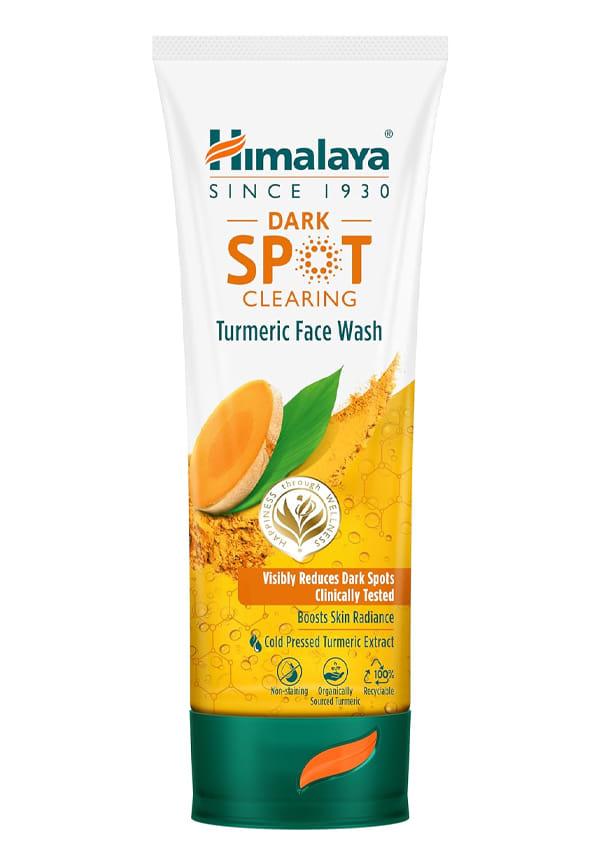
Dark Spot Correcting Turmeric Face Wash
Good Dark Spot Face Wash
5“dark spot correcting turmeric face wash is good”
Effective Face Wash
5“Nice face wash... it's working 😊”
Loved it, works well, worth money
4“Really loved this product, it works well and feels worth the money.””
Use this simple guide to categorise your spots:
Flat, brown, well-defined edges = likely sun spots
Symmetrical facial patches = possible melasma
Dark marks following breakouts = post-inflammatory hyperpigmentation
Small, scattered light brown spots = freckles
Raised, waxy appearance = seborrheic keratoses
Sun exposure is the primary cause of dark spots. UV rays stimulate excess melanin production, leading to age spots and sun spots over time. Accumulated sun damage becomes more visible as we age, making sun protection crucial for prevention.
Most dark spots are harmless cosmetic concerns. However, spots that are black, changing rapidly, or appearing suddenly should be evaluated by a healthcare professional to rule out serious conditions like melanoma.
While nutritional deficiencies rarely cause dark spots directly, deficiencies in vitamins C, E, and B12 can affect skin health and healing. Poor nutrition may make existing pigmentation issues more noticeable or slower to fade.
Sudden brown spots may result from recent intense sun exposure, hormonal changes, new medications, or underlying health conditions. If multiple spots appear quickly, consult a dermatologist for proper evaluation.
Stress doesn't directly cause dark spots, but it can worsen inflammatory skin conditions like acne or eczema, which may lead to post-inflammatory hyperpigmentation. Stress can also trigger hormonal changes that affect skin pigmentation.
Understanding the causes of dark skin spots empowers you to make informed decisions about prevention and treatment. Whether you're dealing with sun damage, hormonal changes, or post-inflammatory marks, identifying the root cause is your first step towards clearer, more even-toned skin. Remember that most spots are harmless, but staying vigilant about changes and seeking professional advice when needed is always wise.
The journey to addressing uneven skin tone doesn't have to be overwhelming or expensive. Platforms like Smytten make it easier than ever to explore effective skincare solutions through trial-sized products. With access to over 1,500 trusted brands and the ability to try up to 8 minis for just ₹249, you can discover what works for your specific skin concerns without the commitment of full-size purchases. After all, why settle for guesswork when you can try it all and find your perfect match?
