How to Identify the Real Cause of Dark Spots on Indian Skin
-45f56c94-a0a8-4b59-bd57-51f09c4c33c8.webp&w=3840&q=75)

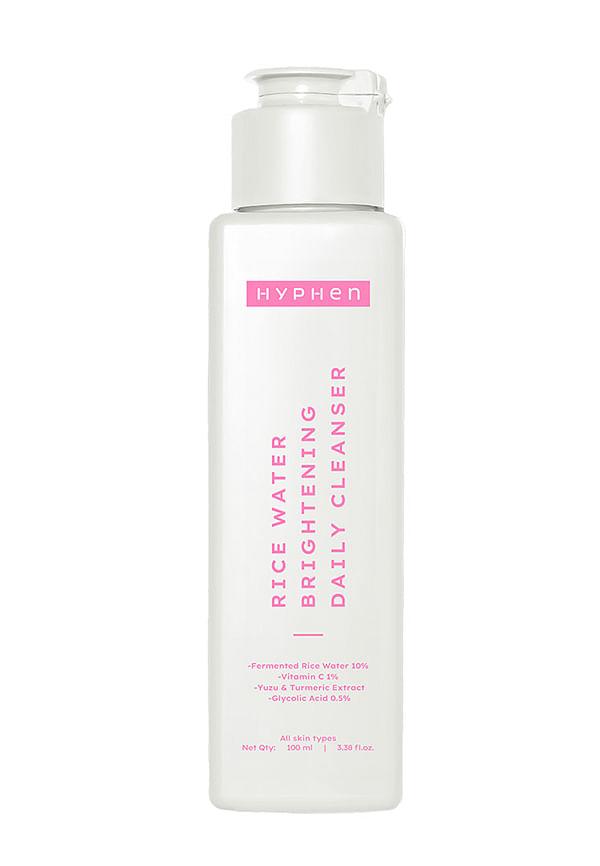
Rice Water Brightening Daily Cleanser | Brightens Skin, Reduces Dark Spots
You've been diligently applying SPF every morning, avoiding peak sun hours, and yet those stubborn dark spots keep appearing on your face. Sound familiar? If you're wondering why your Indian skin seems to develop hyperpigmentation despite your best sun protection efforts, you're not alone. The truth is, whilst UV exposure plays a role, the real cause of dark spots on Indian skin often lies much deeper than surface-level sun damage. From hormonal fluctuations to insulin resistance, there's a whole world of internal triggers that can leave you with uneven skin tone—and understanding these hidden culprits is the first step towards clearer, more radiant skin.
Indian skin types, typically classified as Fitzpatrick Type III to IV, have a unique relationship with pigmentation that goes far beyond what meets the eye. Our skin naturally produces higher levels of melanin, which is brilliant for protecting against UV damage but also means we're more prone to developing dark spots from various triggers.
The melanocytes in Indian skin are incredibly active—think of them as overly enthusiastic workers who spring into action at the slightest provocation. This heightened sensitivity means that whilst fair skin might develop redness from inflammation, Indian skin pigmentation often responds with darkening instead. It's not a flaw; it's simply how our skin is designed to protect itself.
Research shows that South Asian genetics predispose us to more reactive melanocytes. These cells don't just respond to UV rays—they're triggered by heat, friction, hormonal changes, and even stress. This explains why you might notice dark spots appearing in areas that rarely see sunlight, like your underarms or the back of your neck.
Here's something that might surprise you: studies indicate that nearly 60% of dark spots on Indian skin occur without significant direct sun exposure. Many people assume that indoor lighting can't cause pigmentation, but blue light from screens and even indoor LED lighting can contribute to melasma and other forms of discolouration over time.
Real talk—if sun protection alone solved all our pigmentation woes, we'd all have perfectly even skin tone by now. The reality is that Indian skin discolouration stems from a complex interplay of internal and external factors that often work together to create those frustrating dark patches.
Melasma is perhaps the most common culprit behind symmetrical dark patches on Indian faces. This condition thrives on hormonal changes—pregnancy, PCOS, birth control pills, and even stress-induced cortisol spikes can trigger it. You'll typically notice melasma appearing as butterfly-shaped patches across your cheeks, forehead, or upper lip area.
Women with PCOS are particularly susceptible because the condition affects insulin levels, which in turn influences melanin production. If you've noticed dark spots coinciding with irregular periods or other PCOS symptoms, this connection is worth exploring with a healthcare provider.
Post-inflammatory hyperpigmentation (PIH) is your skin's way of healing after trauma—and on Indian skin, this healing process often involves darkening. Whether it's from acne, ingrown hairs, eczema, or even aggressive scrubbing, any inflammation can leave behind dark marks that persist for months or even years.
Statistics show that approximately 70% of Indians under 35 experience some form of acne-related PIH. The darker your natural skin tone, the more likely you are to develop these persistent marks. Even seemingly minor irritations like tight clothing rubbing against your skin or harsh hair removal methods can trigger PIH.
Those velvety dark patches on your neck, underarms, or groin area? They're likely acanthosis nigricans, a condition closely linked to insulin resistance and diabetes. This type of darkening is particularly common in Indian populations due to genetic predispositions to metabolic disorders.
Unlike other forms of pigmentation, acanthosis nigricans often improves with lifestyle changes that address insulin sensitivity—think balanced nutrition, regular exercise, and stress management.
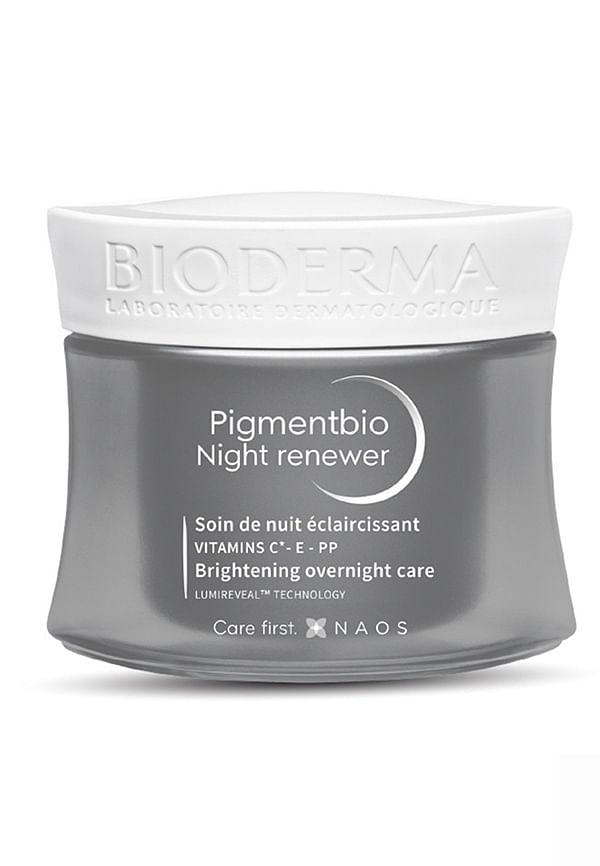
Pigmentbio Night Renewer Brightening Overnight Cream for Dark Spots, Sensitive Skin
Certain medications can trigger unexpected darkening in Indian skin. Antimalarials, some antibiotics, chemotherapy drugs, and even common pain relievers can cause pigmentation changes. The timing and pattern of these spots often provide clues—if you notice new dark areas appearing weeks after starting a new medication, it's worth discussing with your doctor.
Not all dark spots are created equal, and identifying the specific type you're dealing with is crucial for effective treatment. Think of yourself as a detective gathering clues about your skin's behaviour patterns.
Symmetrical patterns often point to hormonal causes—melasma typically appears as matching patches on both sides of your face. Asymmetrical, irregular spots scattered across sun-exposed areas are more likely to be solar lentigines (sun spots). PIH tends to follow the exact shape and location of previous inflammation, whether from acne, cuts, or other injuries.
Location matters too. Dark spots on your cheeks, forehead, and upper lip suggest melasma. Spots following acne patterns indicate PIH. Darkening in skin folds points to acanthosis nigricans.
When did you first notice the spots? Sudden appearance often indicates hormonal triggers, new medications, or recent inflammation. Gradual development over months or years is more characteristic of cumulative sun damage or age-related changes.
Pay attention to seasonal variations too. If your spots darken during summer despite good sun protection, heat and humidity might be contributing factors. Spots that worsen during stressful periods or hormonal fluctuations provide valuable diagnostic clues.
A dermatologist can use specialised tools like Wood's lamp examination to see pigmentation patterns invisible to the naked eye. This UV light reveals the depth and extent of pigmentation, helping distinguish between epidermal and dermal melasma, which require different treatment approaches.
Finding the real cause of dark spots on Indian skin requires a systematic approach that looks beyond surface symptoms to underlying triggers. This three-step process can help you and your healthcare provider identify the most likely culprits.
Start by tracking when your dark spots first appeared and correlating this with life events. Did they coincide with starting new medications, hormonal changes like pregnancy or PCOS diagnosis, or periods of high stress? Keep a photo diary to document changes over time—your skin tells a story, and these visual records help identify patterns.
For women, tracking your menstrual cycle alongside pigmentation changes can reveal hormonal connections. Many notice their melasma darkening during certain phases of their cycle or when using hormonal contraceptives.
Consider your daily environment and habits. Do you spend time near heat sources like cooking stoves or work outdoors? Heat can trigger pigmentation just as effectively as UV rays. Review your skincare routine too—some ingredients like certain essential oils or fragrances can cause photosensitivity, leading to unexpected darkening.
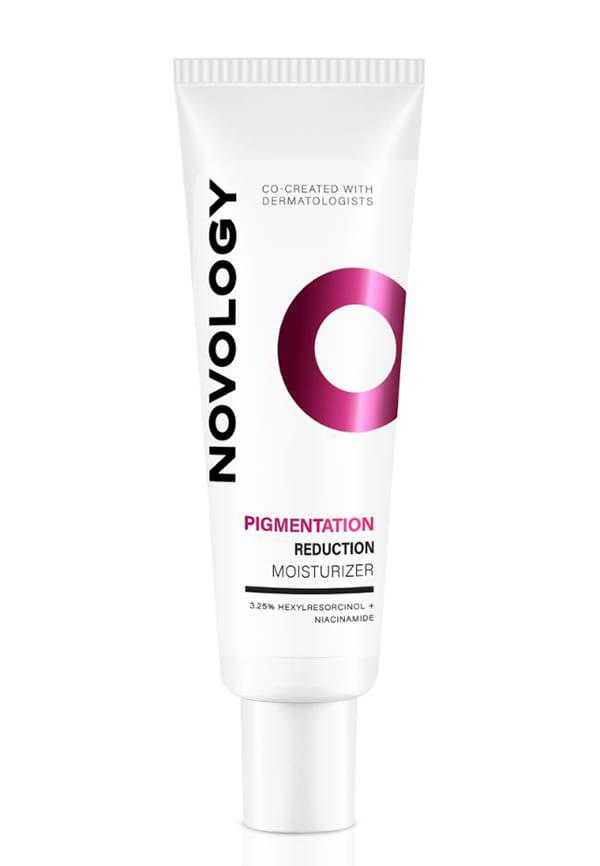
Pigmentation Moisturiser, Face Cream for Hyperpigmentation & Dark Spots
Even seemingly innocent habits like resting your chin on your hand while working can cause friction-induced PIH over time. The key is identifying these subtle but consistent triggers.
If your dark spots are changing rapidly, appear unusual in pattern, or don't respond to typical treatments, professional evaluation becomes essential. A dermatologist can perform dermoscopy to examine pigmentation patterns in detail and determine whether further investigation is needed.
In rare cases, unusual pigmentation patterns might warrant a biopsy to rule out other conditions. Don't let this worry you—most dark spots on Indian skin are benign, but professional assessment ensures you're treating the right condition.
Once you've identified the likely cause of your uneven skin tone, treatment becomes much more targeted and effective. Different types of pigmentation respond to different approaches, which is why the detective work matters so much.
For melasma and other hormone-related darkening, treatment often requires a multi-pronged approach. Topical treatments containing niacinamide, vitamin C, and gentle AHAs can help, but addressing the underlying hormonal imbalance is equally important.
If PCOS is contributing to your pigmentation, working with an endocrinologist to balance insulin levels often improves skin darkening alongside other symptoms. For pregnancy-related melasma, patience is key—many cases improve naturally after delivery and breastfeeding.
Post-inflammatory hyperpigmentation responds well to gentle, consistent treatment. The key is avoiding further inflammation whilst encouraging healthy cell turnover. Look for products with niacinamide, which helps regulate melanin production, and gentle exfoliating ingredients like lactic acid.
Patience is crucial with PIH—aggressive treatments often backfire by causing more inflammation and darker spots. Gentle, consistent care typically shows results within 3-6 months.
For stubborn pigmentation that doesn't respond to topical treatments, dermatologists might recommend prescription options like hydroquinone, tretinoin, or combination therapies. Professional treatments like chemical peels or laser therapy can be effective but require careful selection based on your skin type and pigmentation depth.
Preventing new dark spots is often easier than treating existing ones, especially when you understand your specific triggers. A comprehensive prevention strategy addresses both external and internal factors that contribute to Indian skin pigmentation.
Yes, SPF is still crucial, but it's about choosing the right formulation and application method. Look for broad-spectrum SPF 30 or higher that doesn't leave a white cast on Indian skin tones. Mineral sunscreens with zinc oxide or titanium dioxide are often gentler for sensitive, pigmentation-prone skin.
Reapplication is where most people falter. Set phone reminders to reapply every two hours, especially if you're indoors under fluorescent lighting or near windows. Don't forget often-missed areas like your ears, neck, and the back of your hands.
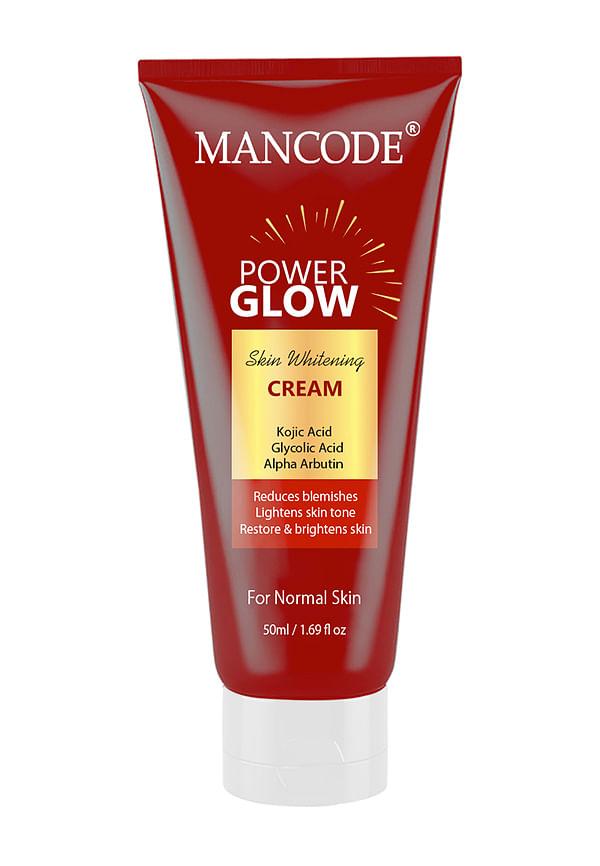
Power Glow Skin Whitening Cream Reduces Dark Spots
Supporting stable hormone levels can significantly reduce pigmentation triggers. Focus on balanced nutrition that supports insulin sensitivity—think whole grains, lean proteins, and plenty of vegetables. Regular exercise helps with both insulin regulation and stress management.
Stress management deserves special attention because cortisol spikes can trigger melanin production. Whether it's meditation, yoga, or simply ensuring adequate sleep, find what works for your lifestyle and stick with it.
Your daily skincare routine should support your skin barrier whilst gently encouraging healthy cell turnover. Avoid harsh scrubs or aggressive treatments that can trigger PIH. Instead, focus on gentle cleansing, consistent moisturising, and targeted treatments with proven ingredients.
Be cautious with ingredient combinations—mixing multiple active ingredients can sometimes cause irritation and subsequent darkening. When in doubt, introduce new products one at a time and monitor your skin's response.
Hormonal imbalances, insulin resistance, medication side effects, and post-inflammatory responses can cause darkening without UV exposure. Indian skin's higher melanin production makes it more susceptible to these internal triggers, which is why comprehensive evaluation beyond sun protection is essential.
The most common types include melasma (hormonal patches appearing symmetrically on the face), post-inflammatory hyperpigmentation from acne or injuries, and acanthosis nigricans (insulin-related darkening in skin folds like the neck and underarms).
Hormonal spots typically appear symmetrically on both sides of the face, especially on cheeks, forehead, and upper lip. Sun spots are usually irregular and scattered across the most exposed areas. Professional evaluation with specialised lighting can provide definitive diagnosis.
Men often develop pigmentation from shaving irritation, occupational sun exposure, or metabolic factors. Women are more prone to hormonal pigmentation from pregnancy, PCOS, or contraceptive use. Treatment approaches may vary based on underlying causes and skin thickness differences.
Sudden appearance typically indicates recent hormonal changes, new medications, acute inflammation, or underlying medical conditions like diabetes. Gradual development over months or years is more characteristic of cumulative damage or age-related changes.
Understanding the real causes of dark spots on Indian skin empowers you to move beyond generic treatments towards targeted solutions that actually work. Whether your pigmentation stems from hormonal fluctuations, post-inflammatory responses, or metabolic factors, identifying the root cause is the first step towards clearer, more even-toned skin.
Remember, your skin's journey is unique, and what works for others might not work for you. This is where having access to a variety of trusted skincare brands becomes invaluable. Smytten's curated selection includes over 2,400 brands with proven ingredients for addressing different types of pigmentation—from gentle niacinamide serums to targeted vitamin C treatments.
The platform's trial-first approach means you can explore different formulations without committing to full-size products immediately. With 28 million users discovering their perfect skincare matches, you're in good company as you navigate your own pigmentation journey. After all, why settle for guesswork when you can find what truly works for your unique skin?
