How to Identify Causes of Uneven Skin Tone Fast


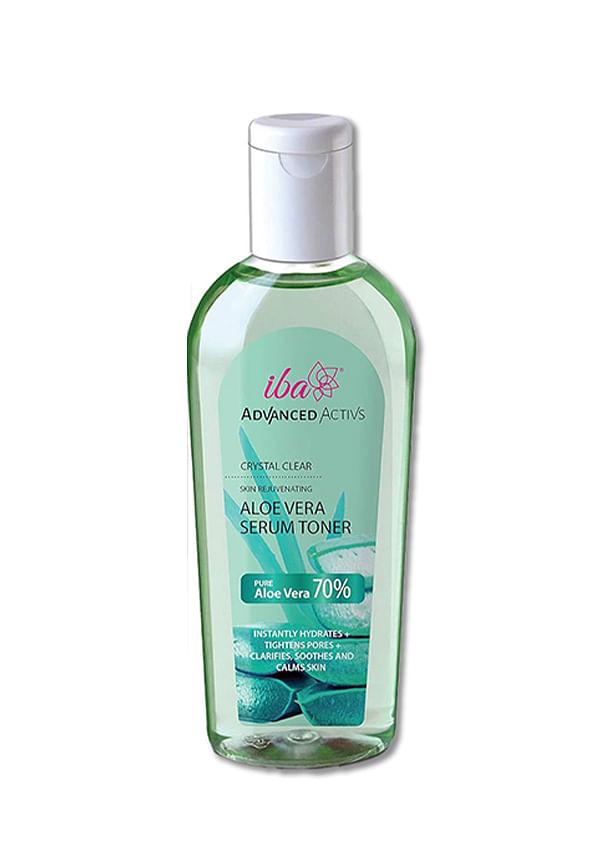
Advanced Activs Crystal Clear Aloe Vera Serum Toner
Ever looked in the mirror and wondered why your skin looks patchy or uneven? You're not alone. Uneven skin tone affects millions of people, and the good news is that identifying the causes of uneven skin tone doesn't have to be a guessing game. Whether it's those stubborn dark spots, patches that seem to appear overnight, or areas that just look different from the rest of your face, understanding what's behind your skin concerns is the first step to addressing them. Let's dive into the most common culprits and how you can spot them fast.
Uneven skin tone refers to areas of your skin that appear darker, lighter, or different in colour compared to your natural complexion. Unlike temporary redness from a workout or the natural flush after a good laugh, uneven skin tone involves lasting changes in skin pigmentation that stick around for weeks, months, or even years.
The main player behind these changes is melanin—the pigment that gives your skin its colour. When melanin production goes into overdrive in certain areas, you get hyperpigmentation (dark spots). When it slows down, you might see lighter patches. Sometimes, it's not just about colour but also about uneven skin texture, where some areas feel rougher or bumpier than others.
Think of your skin like a canvas that reacts to everything it encounters. Sun exposure, hormones, injuries, and even certain products can trigger changes in how your skin produces melanin. The result? A complexion that looks more like a patchwork quilt than the smooth, even tone you're after.
Real talk—you don't need a dermatology degree to figure out what's causing your skin concerns. Most skin discoloration causes have telltale signs that you can spot with a good mirror and decent lighting. Here are the main culprits and how to identify them.
This is the big one. Sun damage skin is responsible for about 80% of visible ageing and most cases of uneven skin tone. UV rays trigger your skin to produce extra melanin as protection, but this process isn't always uniform.
Sunspots typically appear on areas that get the most exposure—your face, hands, shoulders, and décolletage. They're usually brown or black, have defined edges, and tend to be flat against the skin. If you're seeing spots that match your sun exposure patterns, UV damage is likely your culprit.
Hormones can be proper troublemakers when it comes to skin tone. Melasma, often called the "pregnancy mask," creates symmetrical patches of darkening, usually on the cheeks, forehead, nose, and upper lip.
If your dark patches appeared during pregnancy, while on birth control, or during menopause, and they're fairly symmetrical on both sides of your face, hormones are probably behind your uneven skin tone. These patches often get darker with sun exposure and lighter during cooler months.
Had a breakout recently? Or maybe you picked at a spot (we've all been there)? Post-inflammatory hyperpigmentation happens when your skin produces extra melanin in response to injury or inflammation.
These marks usually appear exactly where you had acne, cuts, burns, or other skin trauma. They start dark and gradually fade over time, but the process can take months or even years without intervention.
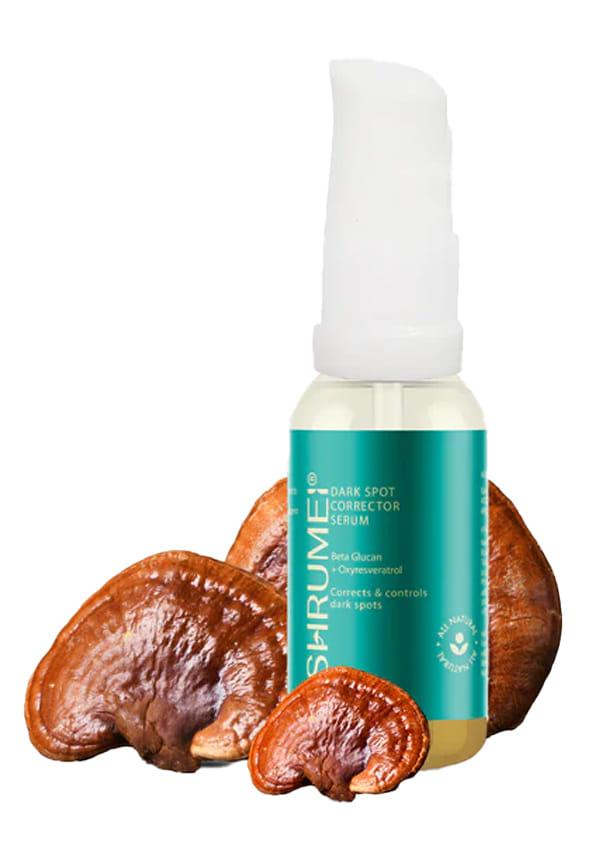
All Natural Dark Spot and Pigmentation Correcting serum
Effective and Fast Results
 5
5“Very effective and fast results”
As we age, our skin's ability to regenerate slows down, and years of sun exposure start to show up as age spots. These are different from sunspots because they're specifically related to the cumulative effects of ageing plus sun exposure.
Age spots tend to be larger than freckles, have irregular shapes, and appear in clusters. They're most common on the face, hands, shoulders, and arms—basically anywhere that's seen a lot of sun over the years.
Living in a polluted city? Working with chemicals? Environmental factors can contribute to uneven skin tone through oxidative stress and inflammation. Pollution particles can settle on your skin and trigger inflammatory responses that lead to pigmentation changes.
If you notice your skin tone issues getting worse during high-pollution days or after exposure to certain chemicals, environmental factors might be playing a role in your skin concerns.
Some medications can cause hyperpigmentation as a side effect. Antimalarials, certain antibiotics, and chemotherapy drugs are common culprits. Additionally, conditions like Addison's disease or thyroid disorders can affect skin pigmentation.
If your skin changes coincided with starting new medication or you have other unexplained symptoms, it's worth discussing with your doctor whether your medication or an underlying condition might be the cause.
Want to become a detective for your own skin? Here's how to properly assess your skin tone issues at home. Good lighting is everything—natural daylight is your best friend for accurate assessment.
Stand near a window during the day and look at your skin in a mirror. Take photos from different angles and in different lighting conditions. This helps you track changes over time and gives you a clearer picture of what's actually happening with your skin.
Pay attention to patterns. Are the dark spots symmetrical? Do they follow sun exposure patterns? Are they concentrated in areas where you've had breakouts? The pattern often tells the story of what caused the discoloration in the first place.
Notice seasonal changes too. Some types of pigmentation get darker in summer and lighter in winter, which can help you identify whether sun exposure is a major factor in your particular case.
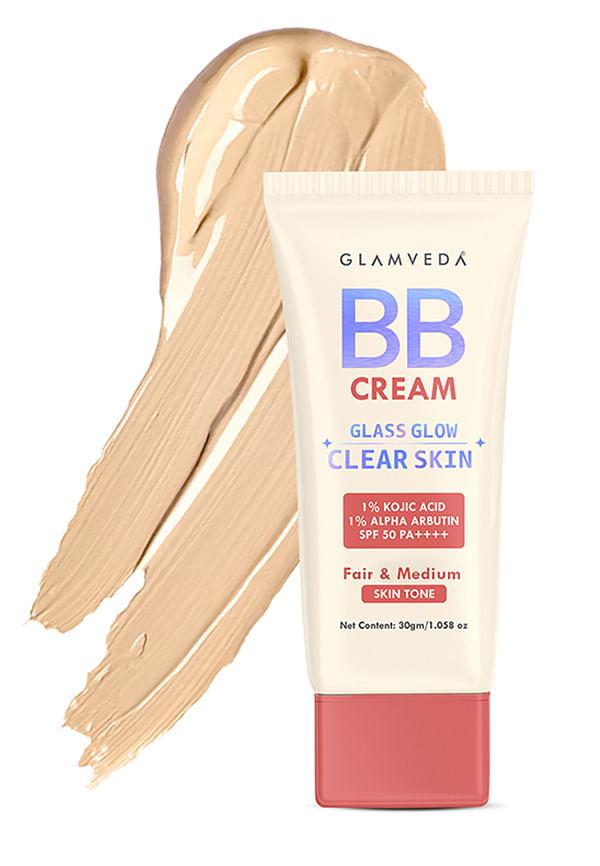
BB Cream for Fair & Medium Skin Tone
While many cases of uneven skin tone can be addressed with a good skincare routine and over-the-counter products, some situations definitely call for professional dermatological treatments.
See a dermatologist if you notice any spots that are changing shape, colour, or size rapidly, if you have patches that are very dark or very light compared to your natural skin tone, or if your skin changes are accompanied by other symptoms like itching, pain, or scaling.
For mild to moderate uneven skin tone caused by sun damage, acne scarring, or hormonal changes, at-home treatments can be quite effective. Look for products with proven skin brightening ingredients like vitamin C, niacinamide, or gentle acids.
The key is being realistic about timelines. Hyperpigmentation treatment takes patience—most topical treatments need 6-12 weeks to show noticeable results, while professional treatments might work faster but require multiple sessions.
Prevention is always easier than treatment when it comes to skin concerns. The most important thing you can do is protect your skin from further sun damage with daily SPF—and we mean daily, even when it's cloudy or you're staying indoors near windows.
Build a consistent skincare routine that includes gentle exfoliation to help with cell turnover and products that support healthy melanin production. Ingredients like vitamin C, niacinamide, and retinoids can help prevent new pigmentation issues while addressing existing ones.
Don't pick at your skin—easier said than done, but post-inflammatory hyperpigmentation is completely preventable if you resist the urge to squeeze spots or pick at scabs. If you're prone to breakouts, focus on preventing them rather than dealing with the aftermath.
When it comes to treating uneven skin tone, you've got options ranging from gentle daily treatments to more intensive professional procedures. The right choice depends on your skin type, the severity of your concerns, and how quickly you want to see results.
Start with the gentlest effective option. Vitamin C serums are brilliant for prevention and mild brightening, while ingredients like kojic acid, arbutin, and liquorice extract can help with existing pigmentation.
For more stubborn spots, you might need stronger ingredients like hydroquinone (available by prescription in the UK) or retinoids, which help speed up cell turnover and fade dark spots more quickly.
Chemical peels can address both uneven skin texture and pigmentation by removing the top layers of damaged skin. Laser treatments target specific pigmented areas, while microneedling stimulates collagen production and can help with overall skin tone and texture.
These treatments typically require multiple sessions and some downtime, but they can be much more effective for severe pigmentation issues than topical treatments alone.
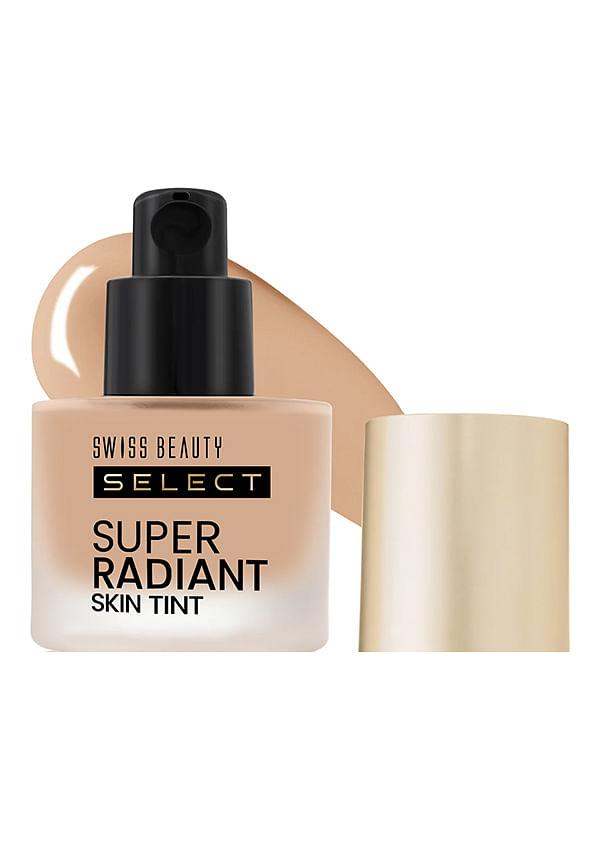
Select Super Radiant Hydrating Skin Tint
Extremely Good Product
5“toooooooo much good product thanks”
Extremely Good Product
5“toooooooo much good product thanks”
Love it! Natural Look
5“lovet it so lite weight i m loving this giving very natural look on my face”
This is where platforms like Smytten become incredibly useful. With access to trial-sized products from trusted brands like Cetaphil and Dot & Key, you can test different skin brightening treatments without committing to full-size products. It's particularly helpful when you're trying to figure out which ingredients work best for your specific type of uneven skin tone.
Most causes can be identified within a few minutes of careful observation. Look at the pattern, location, and timing of when the discoloration appeared. Sun damage typically appears on exposed areas, hormonal changes create symmetrical patterns, and post-inflammatory hyperpigmentation appears exactly where you had breakouts or injuries.
While diet doesn't directly cause uneven skin tone, certain nutrients can support healthy skin function. Antioxidants from fruits and vegetables help protect against environmental damage, while omega-3 fatty acids can help reduce inflammation that might contribute to pigmentation issues.
Most types of uneven skin tone can be improved with the right treatment approach. However, some conditions like melasma can be persistent and may require ongoing management. The key is identifying the cause and choosing appropriate treatments.
Topical treatments typically show results in 6-12 weeks with consistent use. Professional treatments like chemical peels or laser therapy might show faster results but require multiple sessions. Patience is key—rushing the process with overly aggressive treatments can actually make pigmentation worse.
Absolutely. Daily sun protection is the most important step, followed by a consistent skincare routine that includes gentle exfoliation and brightening ingredients. Avoiding picking at your skin and managing underlying conditions like acne can also prevent new pigmentation issues.
Identifying the causes of uneven skin tone doesn't have to be complicated. Most issues stem from sun damage, hormonal changes, inflammation, or the natural ageing process—and each has distinct patterns you can recognise at home.
The key is taking action early and being consistent with your approach. Whether you choose gentle topical treatments or more intensive professional procedures, patience and sun protection are essential for success. Remember, treating uneven skin tone is a marathon, not a sprint.
With Smytten's trial-sized products from over 1,500 trusted brands, you can explore different skincare solutions without the commitment of full-size purchases. From vitamin C serums to gentle exfoliants, finding your perfect skin brightening routine becomes much more affordable and less risky. After all, why settle for maybe when you can try it all and find what actually works for your unique skin concerns?
