How to Hydrate Skin Through Every Season Naturally

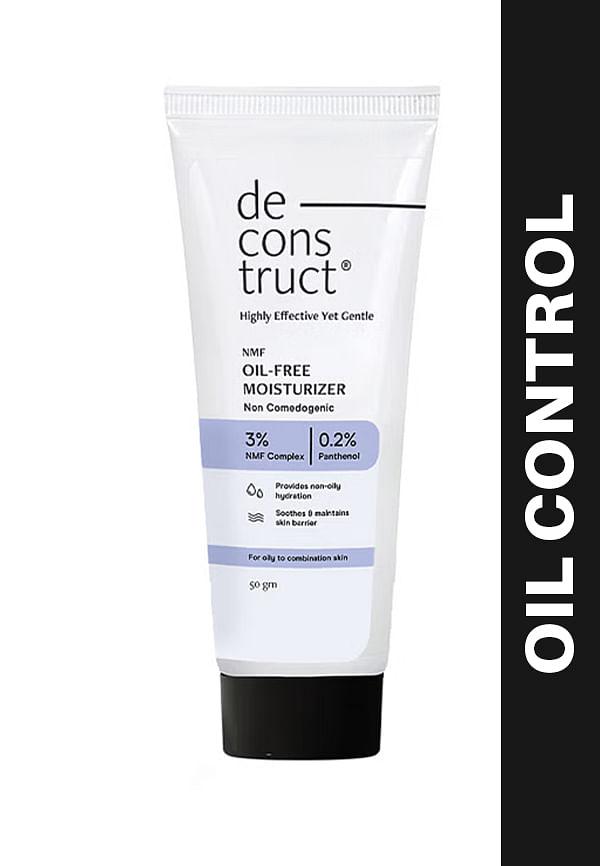
Oil-Free Moisturizer for Oily Skin - 3% NMF Complex + 0.2% Panthenol
Your skin's hydration needs shift dramatically with each season, and what works in summer might leave you flaky come winter. Real talk—most of us stick to the same routine year-round and wonder why our skin feels off. The truth is, seasonal skin hydration advice isn't just skincare guru talk; it's essential for maintaining that healthy glow through every weather change. Whether you're dealing with winter's harsh winds or summer's humidity, understanding how to adapt your hydration game naturally can transform your skin's health and appearance.
Your skin is basically a living, breathing barrier that responds to everything around it. Temperature, humidity, wind, and even indoor heating all play massive roles in how well your skin holds onto moisture. Think of your skin barrier like a brick wall—when it's strong, water stays in and irritants stay out. But when environmental factors weaken this barrier, you get that tight, uncomfortable feeling that screams for better skin hydration tips.
Environmental factors mess with your skin's natural moisture retention in ways you might not expect. Low humidity levels literally pull water from your skin into the air, while high temperatures can increase water loss through sweating. Your skin's cell turnover rate also changes with the seasons—slower in winter, faster in summer—which affects how well your natural moisturising factors work.
Here's where it gets interesting: dry skin lacks oil, while dehydrated skin lacks water. You can have oily but dehydrated skin, especially during seasonal transitions. Signs your current routine isn't cutting it include persistent tightness, flaking, increased sensitivity, or that dull, lacklustre look that no amount of highlighter can fix.
Winter is basically your skin's nemesis. Cold air holds less moisture, indoor heating strips humidity, and harsh winds can damage your skin barrier faster than you can say "moisturiser." Your winter skincare routine needs to be your skin's best defence against these moisture-stealing culprits.
Start prepping your skin before the cold hits properly. Switch to cream-based cleansers instead of foaming ones, and never skip the moisturiser—even if you're running late. The best moisturizers for dry skin during winter contain ceramides, hyaluronic acid, and occlusive ingredients like shea butter that create a protective seal.
Key winter hydration strategies:
Layer lightweight hydrating serums under heavier creams
Use a humidifier to combat dry indoor air
Apply moisturiser to damp skin for better absorption
Don't forget your neck and hands—they show dryness first
Your kitchen is full of natural skin hydration heroes. Honey acts as a humectant, drawing moisture from the air into your skin. Oatmeal contains compounds that soothe and protect irritated winter skin. These dry skin remedies work because they support your skin's natural functions rather than fighting against them.
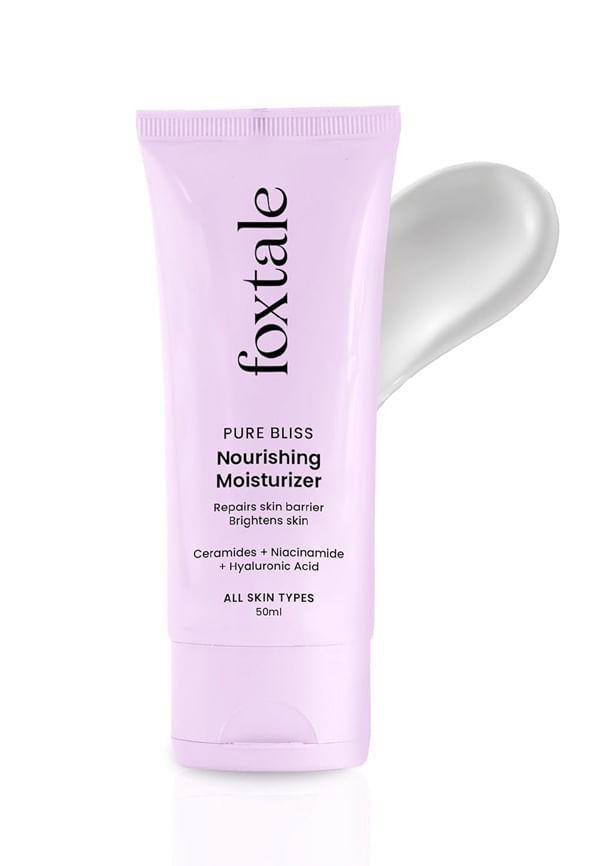
Nourishing Ceramide Moisturiser for 72hrs of Hydrated, Glowing Skin
Summer hydration is tricky because your skin still needs moisture, but heavy creams can feel suffocating. The goal is finding that sweet spot where your skin stays hydrated without feeling greasy or clogged. Your summer skincare routine should be lighter but not less effective.
Water-based products are your summer best friends. Look for gel moisturisers, hydrating mists, and serums that sink in quickly. How to hydrate skin in summer without the heaviness? Think layers of lightweight hydration rather than one thick application.
Summer hydration essentials:
Gel-based moisturisers with hyaluronic acid
Hydrating toners that prep skin for other products
SPF that doesn't compromise your hydration routine
Cooling face mists for midday refreshers
Sweating doesn't actually hydrate your skin—it can actually lead to dehydration if you're not careful. Post-workout, rinse with cool water and apply a lightweight moisturiser while your skin is still damp. Air conditioning can be as drying as winter heating, so don't skip your hydrating skincare products just because it's warm outside.
Transitional seasons are when your skin gets confused. One day it's cold and dry, the next it's warm and humid. Your skin needs time to adjust, which means your skincare for dry skin needs to be flexible and responsive to daily changes.
Don't switch your entire routine overnight. Gradually introduce lighter or heavier products as the weather changes. Your skin might break out or feel irritated if you shock it with completely different formulations. Pay attention to how your skin feels day-to-day and adjust accordingly.
This is when layering becomes crucial. Start with a hydrating toner, add a lightweight serum, then finish with a moisturiser that matches the day's weather. Aloe vera gel works brilliantly during these in-between times because it's hydrating but not heavy.
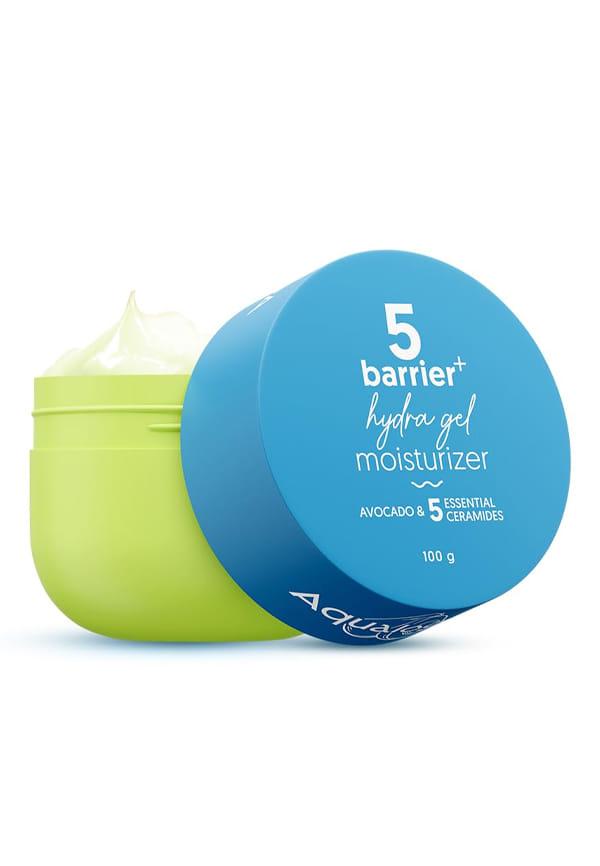
Barrier+ Hydra Gel Moisturizer with 5 Ceramides & Avocado
Natural doesn't always mean better, but some ingredients have stood the test of time for good reason. Understanding which natural hydrators work and why can help you make smarter choices about both DIY treatments and commercial products.
Hyaluronic acid might sound synthetic, but it's naturally found in your skin. It can hold up to 1,000 times its weight in water, making it a moisture magnet. Ceramides help repair your skin barrier, while plant-based oils like jojoba closely mimic your skin's natural sebum.
Honey masks work because honey is naturally antibacterial and humectant. Raw honey is best—just apply a thin layer, leave for 15 minutes, then rinse. Oatmeal baths or face masks can calm irritated, dry skin thanks to compounds called avenanthramides. Avocado contains healthy fats that can temporarily plump and soften skin.
Simple DIY hydration treatments:
Honey and oatmeal mask for sensitive skin
Avocado and coconut oil for intense moisture
Cucumber and aloe for cooling hydration
Yogurt and honey for gentle exfoliation plus moisture
While DIY treatments are great, sometimes you need the consistency and research backing of well-formulated products. Knowing how to read labels and understand ingredient interactions can help you build a skin hydration guide that actually works for your specific needs.
Look for products with multiple types of hydrating ingredients. Humectants like glycerin draw water to your skin, emollients like squalane smooth and soften, while occlusives like petrolatum seal everything in. Avoid products with high alcohol content or harsh sulfates that strip your natural oils.
You don't need a bathroom full of products, but having options helps. A lightweight gel moisturiser for summer, a richer cream for winter, and a versatile serum that works year-round can cover most situations. With platforms like Smytten, you can try mini versions of hydrating skincare products from trusted brands before committing to full sizes, making it easier to find your perfect seasonal matches without the financial risk.
Your skincare routine is just one piece of the hydration puzzle. What you eat, drink, and how you live all contribute to your skin's moisture levels. Sometimes the best skin hydration tips have nothing to do with what you put on your face.
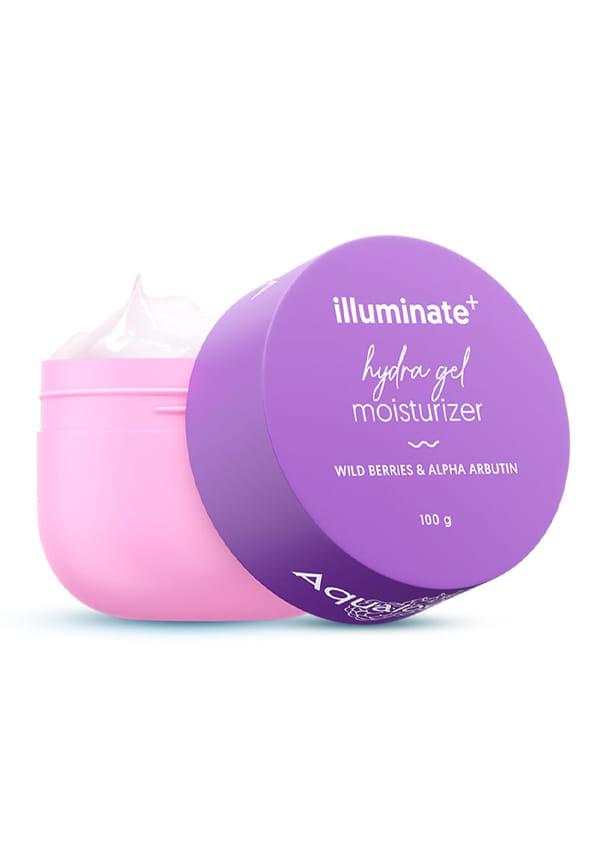
Illuminate + Hydra Gel Moisturizer with Wild Berries & Alpha Arbutin
Drinking water helps, but it's not a magic cure for dry skin. Your skin is the last organ to receive water from your system, so topical hydration is still crucial. However, foods rich in omega-3 fatty acids, vitamin E, and antioxidants can support your skin barrier from the inside.
Quality sleep gives your skin time to repair and regenerate. Exercise boosts circulation, bringing nutrients to your skin cells. Managing stress is huge—chronic stress can impair your skin barrier function, making it harder to maintain proper hydration levels regardless of your routine.
Most people notice immediate relief from dryness within a few days of starting a proper routine, but real barrier repair takes about 28 days—one full skin cell cycle. Be patient and consistent.
Yes, but it's rare. Over-moisturising usually happens when you use products that are too heavy for your skin type or apply too much product. Your skin should feel comfortable, not greasy or clogged.
Apply moisturiser to slightly damp skin for better absorption. Morning and evening are ideal, but you can reapply throughout the day if needed, especially during harsh weather.
Research your destination's climate and pack accordingly. Humid places might need lighter products, while dry climates require richer formulations. Start adjusting a few days before travel if possible.
Your skin's needs can change due to age, hormones, medication, or environmental factors. Reassess your routine and consider whether you need different formulations or additional steps.
Seasonal skin hydration advice isn't about having a complicated routine—it's about understanding your skin's changing needs and adapting accordingly. The key is finding products and methods that work with your skin's natural functions rather than against them. Natural skin hydration comes from supporting your skin barrier, choosing appropriate products for the weather, and maintaining consistency in your care.
Remember, what works for your friend might not work for you, and that's completely normal. Your skin is unique, and finding the right combination of products and techniques takes time. Platforms like Smytten make this journey easier by letting you explore curated trial packs from over 1,500 trusted brands, so you can discover what truly works for your skin without the commitment of full-size purchases. With options to try up to 8 minis for just ₹249 and 100% cashback on trial purchases, you can experiment with different seasonal approaches to find your perfect year-round hydration strategy. After all, why settle for maybe when you can try it all and find what genuinely keeps your skin happy through every season?
