How to Hydrate Skin Seasonally for Glowing Results


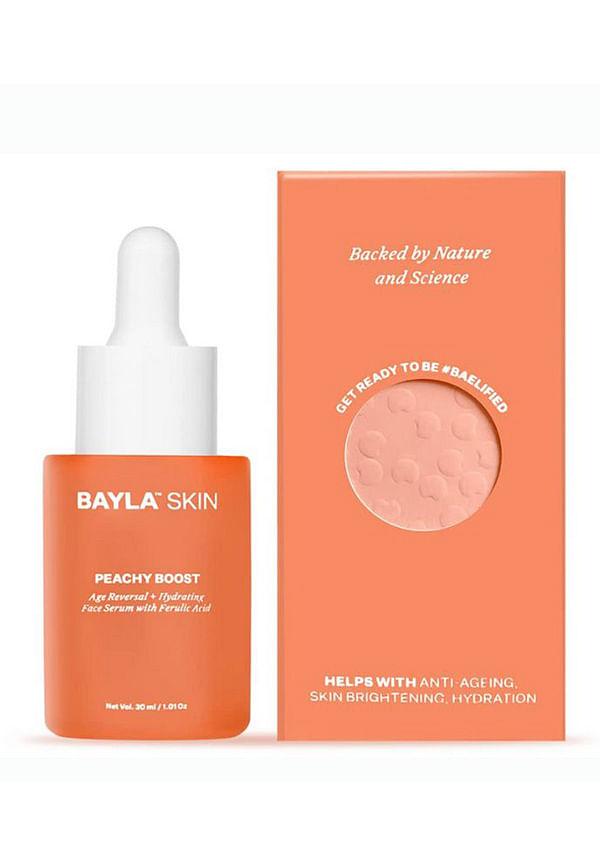
Peachy Boost Age Reversal + Hydrating Face Serum with Ferulic Acid
Your skin's hydration needs shift dramatically with the seasons, and what works in summer might leave you looking dull come winter. Real talk—most of us stick to the same moisturiser year-round and wonder why our skin feels off. The truth is, seasonal skincare isn't just a fancy concept; it's essential for maintaining that healthy glow. From battling winter's harsh winds to managing summer's humidity, understanding how to hydrate skin seasonally can transform your complexion. Let's dive into the science-backed methods that actually work for each season.
Your skin is basically a living, breathing organ that responds to everything around it. Temperature, humidity, wind, and even indoor heating all play massive roles in how your skin behaves. When you understand these factors, adjusting your routine becomes second nature rather than guesswork.
Environmental factors are the real game-changers here. Winter air holds less moisture, which means your skin loses water faster through a process called transepidermal water loss. Meanwhile, summer's heat and humidity can make your skin produce more oil, but that doesn't mean it's properly hydrated underneath.
Temperature swings mess with your skin barrier too. Cold weather causes blood vessels to constrict, reducing nutrient flow to your skin cells. Hot weather does the opposite, sometimes leading to inflammation and sensitivity. Your skin literally adapts to survive these changes, but it needs the right support.
Spotting dehydrated skin versus naturally dry skin is crucial for choosing the right approach. Dehydrated skin feels tight and looks dull, often with fine lines that seem more pronounced. Dry skin, on the other hand, might flake or feel rough to touch.
Texture changes are your biggest clue. If your usually smooth skin starts feeling bumpy in winter or gets unexpectedly oily in summer, it's time to switch things up. Pay attention to how your skin feels 30 minutes after cleansing—that's when its true condition shows.
Winter skincare is all about protection and intensive moisture. The cold air outside combined with heated indoor spaces creates a perfect storm for skin dehydration. Your goal is to create a barrier that locks in moisture while repairing any damage from environmental stress.
The 3-minute moisturiser rule becomes your best friend during winter months. Apply your moisturiser within three minutes of showering or washing your face while your skin is still slightly damp. This traps water molecules under the moisturiser, giving you that extra hydration boost.
Layering products works brilliantly in winter. Start with a hydrating serum containing hyaluronic acid, follow with a nourishing moisturiser, and seal everything with a facial oil if your skin can handle it. Think of it like dressing for cold weather—multiple layers work better than one thick coat.
A humidifier in your bedroom can work wonders for your skin overnight. Aim for 40-50% humidity to keep your skin from losing moisture while you sleep. It's especially helpful if you live somewhere with central heating that dries out indoor air.
Switch to gentler cleansers that don't strip your natural oils. Cream or oil-based cleansers work better than foaming ones during winter. Also, resist the urge to take scalding hot showers—they feel amazing but leave your skin parched.
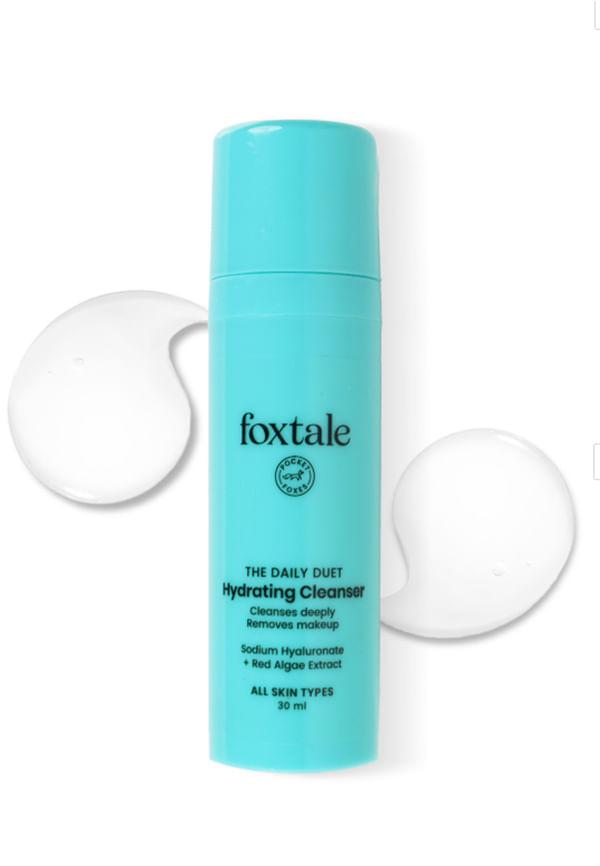
Hydrating Face Wash with Hyaluronic Acid
Your morning routine should focus on protection. After cleansing, apply a hydrating serum, followed by a rich moisturiser with SPF. Yes, even in winter—UV rays reflect off snow and can cause damage.
Evening routines are for repair and intensive hydration. Consider adding a weekly overnight mask or switching to a heavier night cream. Your skin does most of its repair work while you sleep, so give it the tools it needs.
Summer hydration is about balance—keeping your skin moisturised without feeling greasy or clogged. The heat and humidity mean you need lighter formulations that still deliver proper hydration. It's also when natural skin hydration methods really shine.
Lightweight moisturisers and hydrating serums become your go-to products. Look for gel-based formulas or water-cream textures that absorb quickly. Hyaluronic acid serums are perfect because they hold up to 1000 times their weight in water without feeling heavy.
Don't skip moisturiser just because it's hot outside. Your skin still needs protection from sun, air conditioning, and environmental pollutants. Choose formulas with built-in SPF to streamline your routine.
Aloe vera gel straight from the fridge feels incredible on hot summer days and provides genuine hydration benefits. It's anti-inflammatory too, which helps if you've caught too much sun.
Internal hydration matters more in summer. Drink plenty of water and eat water-rich fruits like watermelon, cucumber, and oranges. Your skin reflects your overall hydration status, so what you put in your body shows up on your face.
Transition seasons are tricky because the weather can't make up its mind. One day it's warm and humid, the next it's cool and dry. Your seasonal skincare routine needs to be flexible during these months.
Don't switch all your products at once. Gradually introduce new items while keeping some staples from the previous season. This prevents your skin from freaking out over sudden changes.
Pay attention to daily weather patterns and adjust accordingly. Keep both your summer and winter moisturisers handy during transition periods. Your skin will tell you what it needs each day.
Some products work beautifully across all seasons. A good hyaluronic acid serum, gentle cleanser, and broad-spectrum SPF form the foundation of any effective routine. Build seasonal variations around these core products.
Consistency matters more than perfection. It's better to stick with a simple routine that you'll actually follow than to create an elaborate system you'll abandon after two weeks.
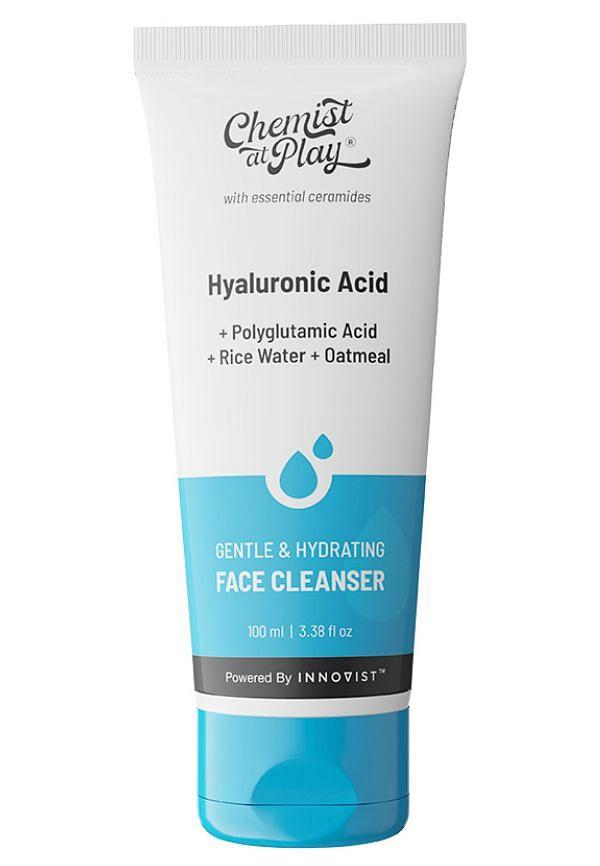
Gentle & Hydrating Face Cleanser | Hydrates Dull & Dry Skin
Understanding ingredients helps you make smarter choices about what to use when. Different seasons call for different formulations, but some ingredients work year-round with slight adjustments in concentration or application method.
Hyaluronic acid works in every season but shines in summer when you need lightweight hydration. In winter, pair it with heavier occlusives like ceramides or shea butter to prevent water loss.
Ceramides and peptides are brilliant for repairing your skin barrier, especially important during harsh winter months. Natural oils like jojoba or rosehip work well in winter but might feel too heavy for summer use.
Cream formulations work best in winter when you need maximum moisture and protection. Lotions are perfect for spring and autumn transitions, while gels suit summer's heat and humidity.
Look for ingredient combinations that work together. Hyaluronic acid plus glycerin draws moisture to your skin, while ceramides and fatty acids help keep it there. The best moisturisers for skin combine multiple hydrating mechanisms.
Once you've mastered the basics, these advanced techniques can take your hydration game to the next level. They're simple enough to do at home but effective enough to make a real difference in how your skin looks and feels.
Facial massage while applying your moisturiser improves absorption and boosts circulation. Use upward strokes and gentle pressure—you're not trying to work out knots, just encouraging blood flow and product penetration.
DIY hydrating masks using ingredients like honey, oatmeal, or avocado can provide intensive moisture when your skin needs extra help. Honey is naturally humectant, meaning it draws moisture from the air into your skin.
Glowing skin is essentially well-hydrated skin that reflects light properly. When your skin cells are plump with moisture, they create a smooth surface that naturally looks radiant.
Consistent hydration also supports collagen production, which keeps your skin firm and elastic. It's not just about looking good today—proper hydration is an investment in how your skin will age.
Even with the best intentions, it's easy to make mistakes that sabotage your hydration efforts. These common errors can actually make your skin drier or more sensitive, undoing all your hard work.
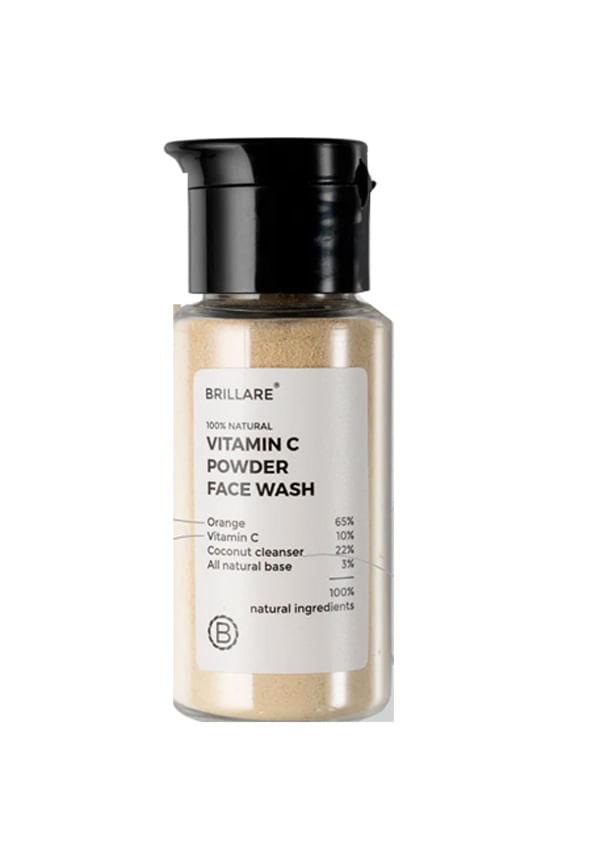
Vitamin C Powder Face Wash For Bright, Glowing Skin
Over-cleansing is probably the biggest mistake people make, especially in winter. Washing your face more than twice daily strips away natural oils that protect your skin barrier. Stick to morning and evening cleansing unless you've been sweating heavily.
Using the wrong products for your season is another common error. That heavy night cream that saved your skin in January might cause breakouts in July. Similarly, the lightweight gel that felt perfect in summer won't cut it when winter winds start blowing.
If your skin stays persistently dry despite following proper hydration techniques, it might be time to see a dermatologist. Conditions like eczema or seborrheic dermatitis require specific treatments beyond basic skincare.
A professional can also help you build a personalised seasonal skincare plan based on your specific skin type, concerns, and local climate. Sometimes an expert eye can spot issues you might miss.
The 3-minute rule means applying moisturiser within three minutes of bathing or washing your face while your skin is still damp. This traps water molecules under the moisturiser, significantly boosting hydration levels. It's especially effective for people with dry skin or during winter months when environmental moisture is low.
Start with gentle, non-foaming cleansers that don't strip natural oils. Apply moisturiser immediately after cleansing using the 3-minute rule. Use a humidifier in dry environments, avoid hot showers, and layer hydrating products from thinnest to thickest consistency. Adjust your routine based on seasonal changes in temperature and humidity.
Winter routines focus on protection and intensive moisture using heavier creams, oils, and barrier-repairing ingredients. Summer routines emphasise lightweight hydration with gel-based moisturisers, hydrating serums, and built-in SPF protection. The key is adjusting product weight and formulation while maintaining consistent hydration.
Hydrated skin cells are plump and full, which smooths out fine lines and creates a natural glow. Proper moisture levels support collagen production and maintain skin elasticity. Well-hydrated skin also has better barrier function, protecting against environmental damage that accelerates ageing. The result is firmer, smoother, more radiant skin.
While some people can use the same moisturiser year-round, most benefit from seasonal adjustments. Your skin's needs change with temperature, humidity, and environmental factors. Consider having at least two moisturisers—a lighter one for warm months and a richer one for cold weather—to optimise your skin's hydration.
Mastering seasonal skin hydration isn't about buying loads of products—it's about understanding what your skin needs when and adjusting accordingly. The basics remain the same: gentle cleansing, proper moisturising, and sun protection. What changes is the formulation weight and specific ingredients based on environmental factors.
Remember that consistency beats perfection every time. It's better to stick with a simple routine that works for your lifestyle than to create an elaborate system you'll abandon. Your skin responds to regular care, not sporadic intensive treatments.
If you're looking to explore different hydrating products without committing to full sizes, platforms like Smytten make it easy to try various formulations. With curated trial packs from trusted brands, you can discover what works for your skin in different seasons without the guesswork. After all, why settle for maybe when you can try it all and find your perfect seasonal skincare matches?
