How to Hydrate Skin: 7 Expert Moisture Tips

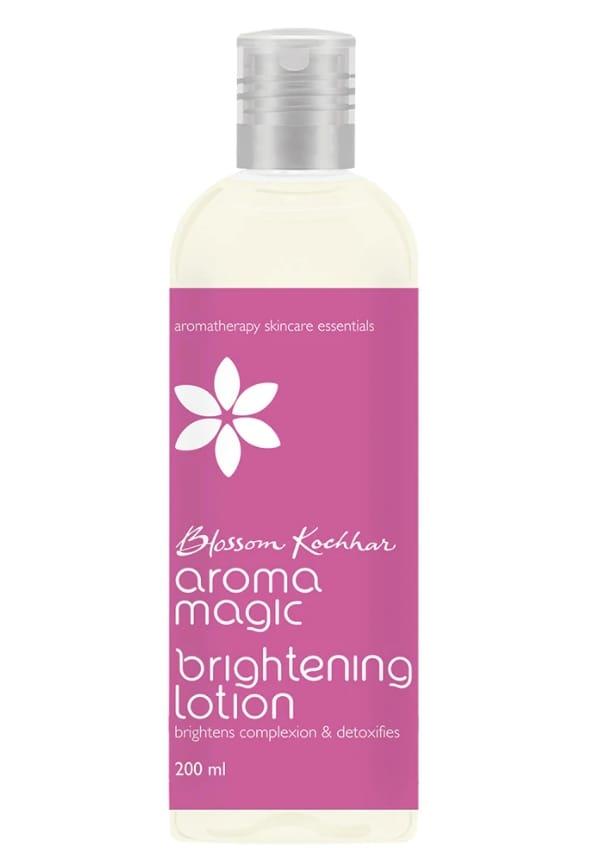
Brightening Lotion Brightens Complexion & Detoxifies
Soft, Bright Skin
 5
5“detains, brightens and make skin soft with the powder”
Your skin feels tight, looks dull, and no amount of moisturiser seems to help. Sound familiar? You're not alone. Millions of people struggle with dehydrated skin, often confusing it with dryness and using the wrong approach to fix it. Real talk—hydration isn't just about slapping on any cream and hoping for the best. It's about understanding what your skin actually needs and giving it the right kind of moisture, both inside and out. Whether you're dealing with seasonal dryness or year-round hydration struggles, these expert-backed tips will help you achieve that healthy, glowing complexion you've been after.
Let's clear up the confusion once and for all. Hydration and moisturisation might sound like the same thing, but they're actually quite different processes that your skin needs for optimal health.
Hydration refers to the water content in your skin cells. When your skin is properly hydrated, it's plump, elastic, and has that natural glow we all want. Your skin barrier—the outermost layer—acts like a protective shield, keeping water in and irritants out. When this barrier is compromised, water escapes more easily, leaving your skin feeling tight and looking lacklustre.
Spotting dehydrated skin symptoms early can save you from bigger issues down the line. Look out for tightness after cleansing, fine lines that seem more pronounced, dullness, and skin that feels rough to the touch. You might also notice your makeup doesn't sit as smoothly or that your skin looks a bit grey or ashy. Unlike dry skin, which lacks oil, dehydrated skin lacks water and can affect any skin type—even oily skin can be dehydrated.
Think of hydration as giving your skin a drink of water, while moisturisation is like putting a protective coat over it. Hydrating products contain humectants like hyaluronic acid and glycerin that draw water into the skin. Moisturising products contain emollients and occlusives that seal in that water and smooth the skin's surface. The best approach? You need both for truly healthy skin.
Ready to transform your skin? These seven expert-approved strategies will help you achieve lasting hydration and that coveted healthy glow.
Yes, drinking water helps your skin, but it's not as simple as chugging eight glasses a day. Your skin is the last organ to receive water from your system, so you need to be strategic. Aim for consistent intake throughout the day rather than large amounts at once. Add a pinch of sea salt or electrolytes to help your body actually absorb the water. Room temperature water is easier for your body to process than ice-cold drinks.
Not all moisturisers are created equal, and finding your perfect match is crucial for effective hydration. Look for ingredients like hyaluronic acid, which can hold up to 1,000 times its weight in water, ceramides that repair your skin barrier, and glycerin that draws moisture from the environment. For oily skin, try lightweight, gel-based formulas. Dry skin benefits from richer creams with ingredients like shea butter and squalane. Combination skin? Use different products on different areas of your face.
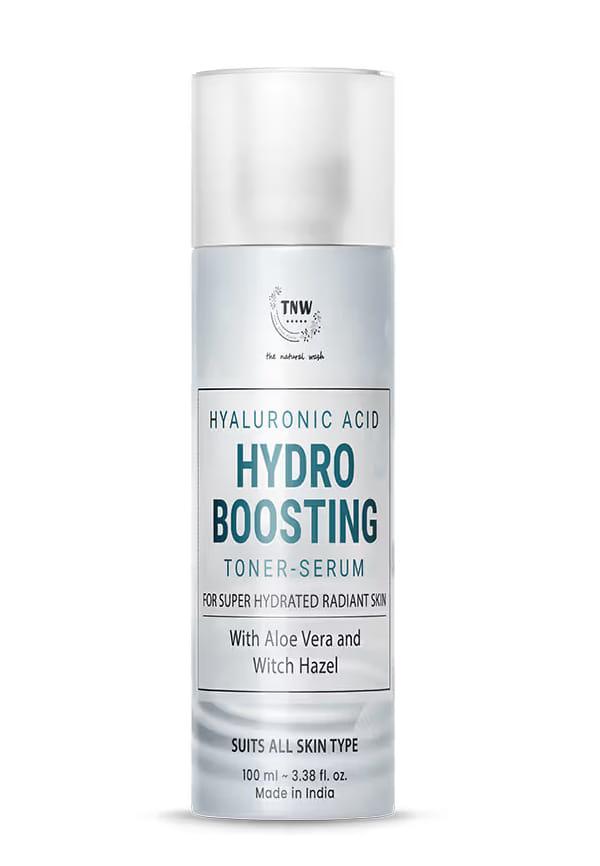
Hyaluronic Acid Hydro Boosting TonerSerum for Hydrating & Glowing Skin | Toner + Serum for Radiant Skin | ChemicalFree Skincare Product
Nice Product, Good Quality
5“very nice product and good quality”
Hydrated and Glowing Skin
5“Hydrating skin and glowing skin”
The order of your skincare routine can make or break your hydration efforts. Start with the thinnest consistency and work your way up to the thickest. After cleansing, apply a hydrating toner or essence, followed by serums, then moisturiser, and finally face oil or occlusive if needed. This layering technique ensures each product can penetrate properly and work synergistically with the others.
Your environment plays a huge role in skin hydration. Air conditioning, heating, and low humidity can all zap moisture from your skin. A humidifier adds moisture back into the air, helping your skin retain its natural hydration. Aim for 40-60% humidity in your bedroom and living spaces. This simple addition to your routine can make a noticeable difference, especially during winter months or in dry climates.
What you eat directly impacts your skin's hydration levels. Water-rich foods like cucumber, watermelon, oranges, and leafy greens provide both hydration and essential nutrients. Omega-3 fatty acids from fish, walnuts, and flaxseeds help maintain your skin barrier. Antioxidant-rich foods like berries and green tea protect against environmental damage that can compromise hydration.
Sometimes what you're not doing is just as important as what you are doing. Avoid over-washing your face, which strips natural oils and disrupts your skin barrier. Skip harsh scrubs and alcohol-based toners that can cause irritation and dehydration. Hot showers might feel amazing, but they're terrible for your skin's moisture levels—stick to lukewarm water instead.
Your skin has its own circadian rhythm, and timing your hydration routine accordingly can boost effectiveness. Morning routines should focus on protection and light hydration, while evening is the time for deeper, more intensive treatments. Apply moisturiser to slightly damp skin to lock in extra hydration, and consider using a sleeping mask or heavier night cream for overnight repair.
Sometimes the best solutions come from nature itself. These natural approaches can complement your regular skincare routine and provide gentle, effective hydration.
Create your own hydrating treatments using ingredients from your kitchen. A honey and oatmeal mask provides gentle exfoliation and deep moisture. Avocado masks are rich in healthy fats that nourish dry skin. Aloe vera gel straight from the plant offers cooling, anti-inflammatory hydration. These treatments are particularly useful when you want to give your skin an extra boost without harsh chemicals.
When used correctly, certain essential oils can support skin hydration. Rosehip oil is packed with vitamins and fatty acids that help repair the skin barrier. Jojoba oil closely mimics your skin's natural sebum and absorbs easily. Always dilute essential oils properly and patch test before use, as they can be potent and cause reactions in sensitive individuals.
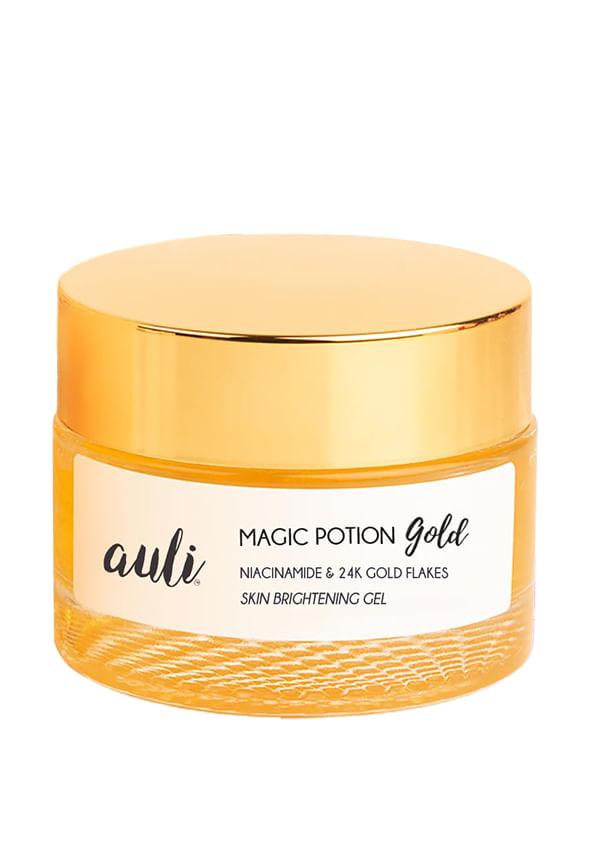
Auli 24K Gold Niacinamide Hydrating Gel with Saffron- Brightens, Fades Spots - 60gm
Sustainable hydration comes from consistent lifestyle choices. Getting adequate sleep allows your skin to repair and regenerate. Managing stress through meditation or exercise prevents cortisol from breaking down your skin's collagen and hyaluronic acid. Regular gentle exercise improves circulation, bringing nutrients and oxygen to your skin cells.
Creating a comprehensive routine ensures your skin gets consistent care throughout the day and night. The key is finding products that work well together and sticking to a schedule that fits your lifestyle.
Start your day with a gentle cleanser that won't strip your skin. Follow with a hydrating toner or essence, then apply a vitamin C serum for antioxidant protection. Layer on a lightweight moisturiser and finish with broad-spectrum SPF. This routine protects your skin from environmental stressors while maintaining hydration throughout the day.
Evening is when your skin does most of its repair work, so this is the time for your heaviest hydrating products. Double cleanse to remove makeup and sunscreen, then apply any treatment serums like retinol or peptides. Follow with a richer night moisturiser or sleeping mask to lock in moisture while you sleep.
Once or twice a week, treat your skin to something special. This might be a hydrating sheet mask, a gentle exfoliation followed by intensive moisturising, or a professional-grade treatment. These deeper treatments help reset your skin's hydration levels and address any specific concerns.
While a solid at-home routine forms the foundation of good skin health, sometimes professional treatments can provide that extra boost your skin needs.
If you've tried multiple approaches and your skin still feels constantly dehydrated, it might be time for professional help. Persistent dryness, irritation, or sudden changes in your skin's behaviour could indicate underlying conditions that need medical attention. A dermatologist can also recommend prescription treatments that aren't available over the counter.
Treatments like hydrafacials, chemical peels designed for hydration, and professional-grade masks can provide immediate and long-lasting results. These treatments often use higher concentrations of active ingredients than what's available for home use, making them more effective for stubborn hydration issues.
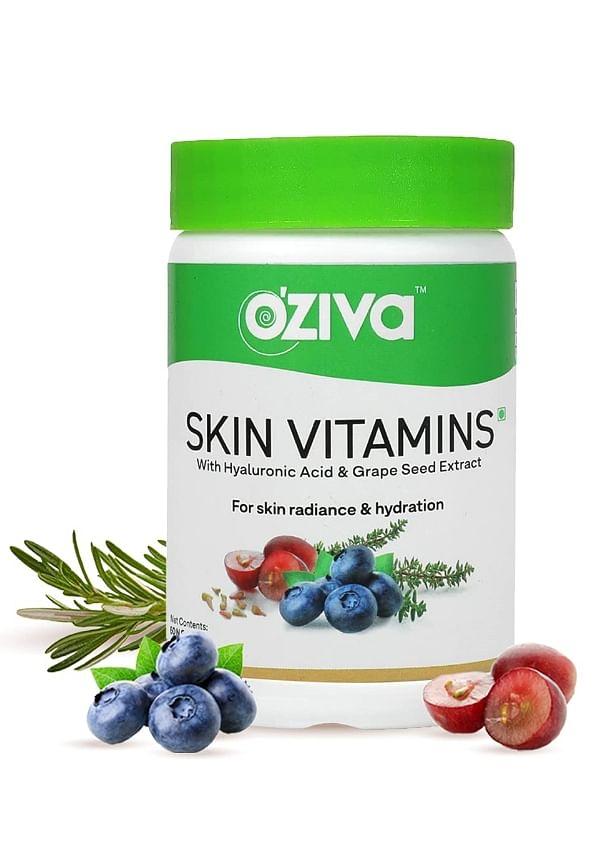
Skin Vitamins With Hyaluronic Acid Radiance & Hydration
Great Value
5“it worth every penny..........”
Professional treatments work best when combined with a solid home routine. Your aesthetician or dermatologist can recommend specific products that will help maintain the results of your professional treatments. Consistency is key—sporadic care won't give you the lasting results you're after.
Finding the right products for your unique skin needs doesn't have to involve expensive mistakes. Smytten, India's largest product discovery platform, offers trial-sized versions of over 1,500 trusted skincare brands including Cetaphil, Dot & Key, and Love, Beauty & Planet. You can explore up to 8 minis for just ₹249, with 100% cashback redeemable for future purchases, making it easier to discover your perfect hydration routine without the commitment.
You might notice immediate improvements in skin texture and comfort within 24-48 hours of starting a proper hydration routine. However, significant changes in skin appearance and long-term hydration typically take 4-6 weeks of consistent care.
While rare, it's possible to overwhelm your skin with too many hydrating products, leading to clogged pores or irritation. Stick to a simple routine and introduce new products gradually to avoid overloading your skin.
Dry skin lacks oil and is a skin type you're born with, while dehydrated skin lacks water and is a temporary condition that can affect any skin type. Dehydrated skin often feels tight and looks dull, while dry skin tends to be flaky and rough.
Not necessarily. The effectiveness of a moisturiser depends on its ingredients and how well they suit your skin type, not the price tag. Many affordable options contain the same active ingredients as luxury products.
As we age, our skin produces less natural oil and loses collagen, making it harder to retain moisture. Mature skin typically needs richer, more intensive hydrating products and may benefit from ingredients like retinol and peptides that support skin structure.
Achieving properly hydrated skin isn't about following the latest trends or using the most expensive products—it's about understanding your skin's unique needs and being consistent with the right approach. Remember that hydration works from both inside and out, so don't neglect the importance of proper nutrition and water intake alongside your topical routine. The best ways to hydrate skin involve a combination of the right products, proper application techniques, and lifestyle choices that support overall skin health.
Start with the basics: a gentle cleanser, a good moisturiser suited to your skin type, and consistent daily care. From there, you can build up your routine with additional hydrating products as needed. Most importantly, give your routine time to work—skin changes don't happen overnight, but with patience and consistency, you'll achieve that healthy, hydrated glow you're after. With platforms like Smytten making it easier than ever to try new products without the risk, there's no reason to settle for anything less than your perfect skincare match.
