How to Hydrate Sensitive Skin with Hyaluronic Acid


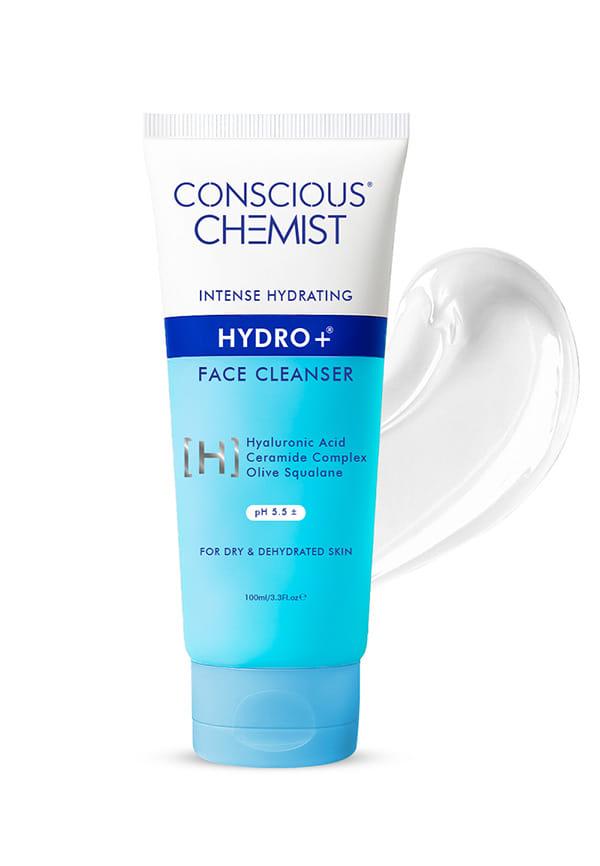
Gentle Hydrating Cleanser For Dry Skin with Hyaluronic Acid and Ceramides
Let's be real—sensitive skin and hydration can feel like a tricky puzzle. One wrong move and you're dealing with redness, irritation, or that tight feeling that makes you want to hide under a blanket. But here's the thing: hyaluronic acid for sensitive skin hydration might just be the gentle hero your routine has been waiting for. Unlike harsh ingredients that promise the world but leave your skin angry, hyaluronic acid works quietly and effectively. It's like that friend who always knows exactly what to say—never too much, never too little, just right. Whether you're dealing with dryness, irritation, or just want to give your skin some extra love, understanding how this powerhouse ingredient works can be a total game-changer.
Here's what makes hyaluronic acid such a winner for sensitive skin types. Unlike some hydrating ingredients that can feel heavy or cause breakouts, hyaluronic acid has a unique molecular structure that makes it incredibly gentle yet effective.
Hyaluronic acid is naturally found in your skin, which means your body already knows how to work with it. It's pH-neutral and non-comedogenic, so it won't clog pores or throw off your skin's natural balance. Think of it as speaking your skin's language fluently.
Most sensitive skin moisturiser options can feel like a gamble, but hyaluronic acid is different. It doesn't contain common irritants like fragrances, essential oils, or harsh preservatives that typically cause flare-ups. Instead, it focuses purely on hydration without any unnecessary extras.
When you're working with sensitive skin, every product choice matters. Hyaluronic acid plays well with other gentle ingredients, making it easy to layer into your gentle skincare routine without worrying about ingredient conflicts or overwhelming your skin.
The hyaluronic acid benefits go way beyond basic hydration. This ingredient is like a moisture magnet that works on multiple levels to keep your skin happy and healthy.
Here's the mind-blowing bit: hyaluronic acid can hold up to 1000 times its weight in water. Imagine a tiny molecule acting like a super-absorbent sponge that keeps your skin plump and hydrated all day long.
Your skin's moisture barrier is like a protective shield, and sensitive skin often has a compromised one. Hyaluronic acid helps strengthen this barrier, which means better protection against environmental stressors and less water loss throughout the day.
One of the lesser-known skin hydration tips is that proper hydration actually helps reduce inflammation. Hyaluronic acid's anti-inflammatory effects can help calm redness and irritation, making it perfect for soothing skincare routines.
High molecular weight hyaluronic acid sits on your skin's surface, providing immediate hydration and a protective film. Low molecular weight versions penetrate deeper, working from within to plump and hydrate. The best formulas often combine both for maximum effectiveness.
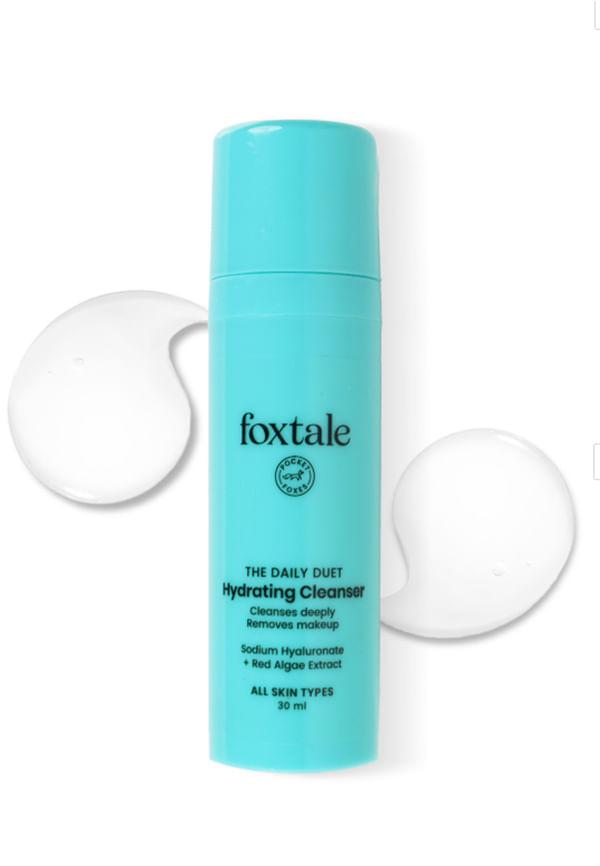
Hydrating Face Wash with Hyaluronic Acid
Not all hyaluronic acid serums are created equal, especially when you're dealing with sensitive skin. Finding the best hyaluronic acid serum means knowing what to look for and what to avoid.
Look for formulas that combine hyaluronic acid with other gentle, hydrating ingredients like glycerin, ceramides, or panthenol. These create a hydration cocktail that works better than any single ingredient alone.
Steer clear of hyaluronic acid serum options that contain alcohol, strong fragrances, or harsh preservatives. Your sensitive skin doesn't need the extra drama, and these ingredients can counteract the gentle benefits you're after.
For sensitive skin, start with concentrations between 0.1% and 1%. You don't need super-high percentages to see results, and starting gentle helps you gauge how your skin responds.
Lightweight, gel-based textures tend to work best for sensitive skin. They absorb quickly without leaving a sticky residue and are less likely to cause congestion or irritation.
Getting the most out of your hyaluronic acid serum is all about technique. The right application method can mean the difference between amazing results and wondering why everyone raves about this ingredient.
Here's a game-changing skin hydration tip: always apply hyaluronic acid to slightly damp skin. This gives it moisture to grab onto and prevents that tight feeling some people experience when applying it to completely dry skin.
Apply your hyaluronic acid serum after cleansing but before heavier moisturisers. Think of it as the hydration foundation that everything else builds on. For dry skin relief, this timing is crucial.
Instead of rubbing the serum in, gently press it into your skin with your fingertips. This technique is more gentle and helps the product absorb better without causing irritation.
Always follow up with a moisturiser to lock in all that hydration. Think of hyaluronic acid as the drink of water your skin needs, and moisturiser as the lid that keeps it from evaporating.
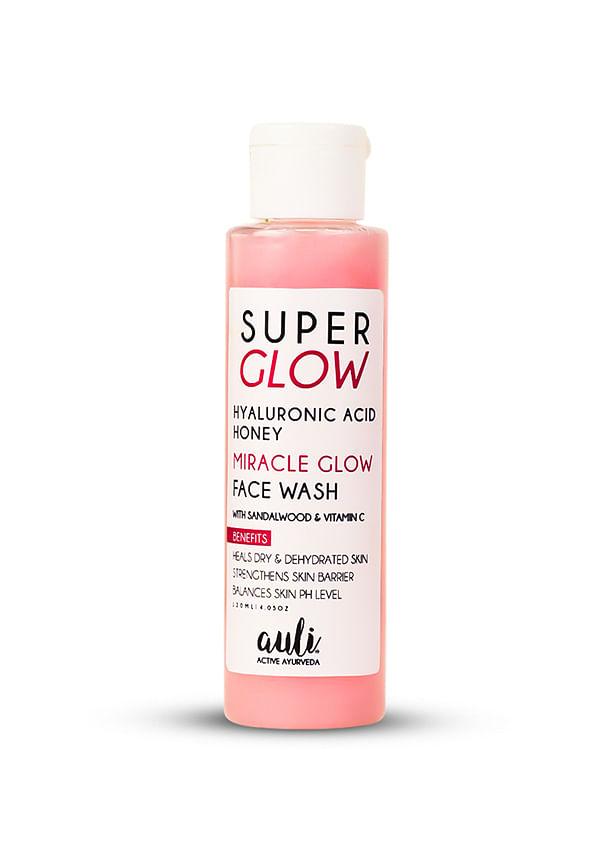
Hyaluronic Acid Nourishing Facewash - SUPER GLOW
Creating a gentle skincare routine around hyaluronic acid doesn't have to be complicated. The key is keeping things simple and focusing on ingredients that work well together.
Start with a gentle cleanser, apply your hyaluronic acid serum to damp skin, follow with a lightweight moisturiser, and finish with SPF. This combination provides hydration and protection without overwhelming sensitive skin.
Your PM routine can be slightly richer. After cleansing, apply your hyaluronic acid serum, then layer on a more nourishing night moisturiser. This is when your skin does most of its repair work, so extra hydration is always welcome.
Hyaluronic acid plays beautifully with ceramides, niacinamide, and peptides. These combinations create a soothing skincare routine that addresses multiple concerns without causing irritation.
Your skin's needs change with the weather. In humid conditions, you might need less additional moisturiser. In dry climates or winter, you'll want to layer on extra hydration for optimal redness reduction skincare benefits.
While hyaluronic acid is fantastic, it's worth understanding how it stacks up against other hydrating ingredients so you can make informed choices for your sensitive skin.
Polyglutamic acid claims to be four times more hydrating than hyaluronic acid, but for sensitive skin, more isn't always better. Hyaluronic acid's gentleness often makes it the safer choice for reactive skin types.
Beta-glucan is popular in Korean skincare as an alternative to hyaluronic acid. It offers similar hydrating benefits with added anti-inflammatory properties, making it another excellent option for sensitive skin.
Glycerin is another gentle humectant that works well with hyaluronic acid. Together, they create a hydration powerhouse that's perfect for sensitive skin types seeking dry skin relief.
Sometimes, combining different hydrating ingredients gives better results than using just one. The key is introducing new ingredients slowly and watching how your skin responds.
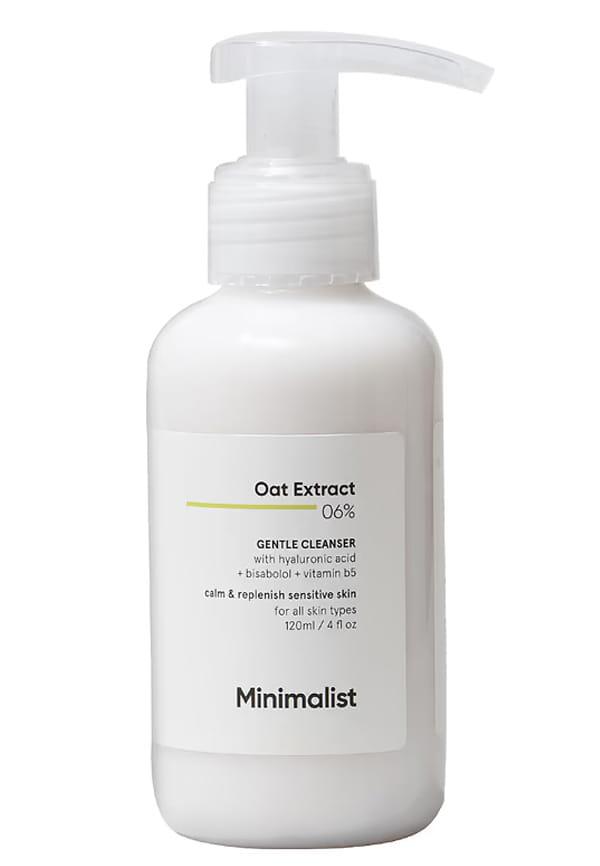
6% Oat Extract Gentle Cleanser With Hyaluronic Acid For Sensitive Skin
Even with the gentlest ingredients, sometimes things don't go as planned. Here's how to navigate common hiccups when using hyaluronic acid for sensitive skin.
If your skin feels tight after using hyaluronic acid, you're likely applying it to completely dry skin or living in a very dry environment. The solution? Always apply to damp skin and follow with a good moisturiser.
If your serum pills or balls up, you're probably using too much product or not waiting long enough between layers. Less is more, and patience pays off.
While uncommon, some people can react to hyaluronic acid or other ingredients in the formula. If you experience persistent irritation, discontinue use and consider patch testing future products.
If you're new to hyaluronic acid, start with lower concentrations and gradually work your way up. Your skin will tell you what it can handle.
Absolutely! Hyaluronic acid is gentle enough for daily use, both morning and evening. Its natural occurrence in skin makes it one of the safest hydrating ingredients for sensitive skin types.
You'll often notice immediate hydration benefits, but the full effects—like improved skin texture and reduced sensitivity—typically become apparent after 2-4 weeks of consistent use.
Yes, but introduce new actives slowly. Hyaluronic acid pairs well with most ingredients, but when dealing with sensitive skin, it's always best to build your routine gradually.
Definitely! Oily skin can still be dehydrated, and hyaluronic acid provides lightweight hydration without clogging pores or adding unwanted heaviness.
Sodium hyaluronate is the salt form of hyaluronic acid and has smaller molecules, allowing for deeper penetration. Both are excellent for sensitive skin hydration.
Finding the right hydration solution for sensitive skin doesn't have to be a struggle. Hyaluronic acid for sensitive skin hydration offers a gentle yet effective approach that works with your skin's natural processes rather than against them. The key is choosing the right formulation, applying it correctly, and being patient with the process.
Remember, skincare is deeply personal, and what works for others might need tweaking for your unique skin. That's where platforms like Smytten come in handy—you can try different hyaluronic acid serum options through trial packs before committing to full-size products. With over 1,500 trusted brands and the ability to get up to 8 minis for just ₹249, plus 100% cashback on trial purchases, you can explore various formulations risk-free. Whether you're looking for the best hyaluronic acid serum or building a complete gentle skincare routine, having the option to try before you buy means you never have to settle for products that don't work for your sensitive skin. After all, why guess when you can #TryItAll?
