How to Hydrate Oily, Acne-Prone Skin with Hyaluronic Acid


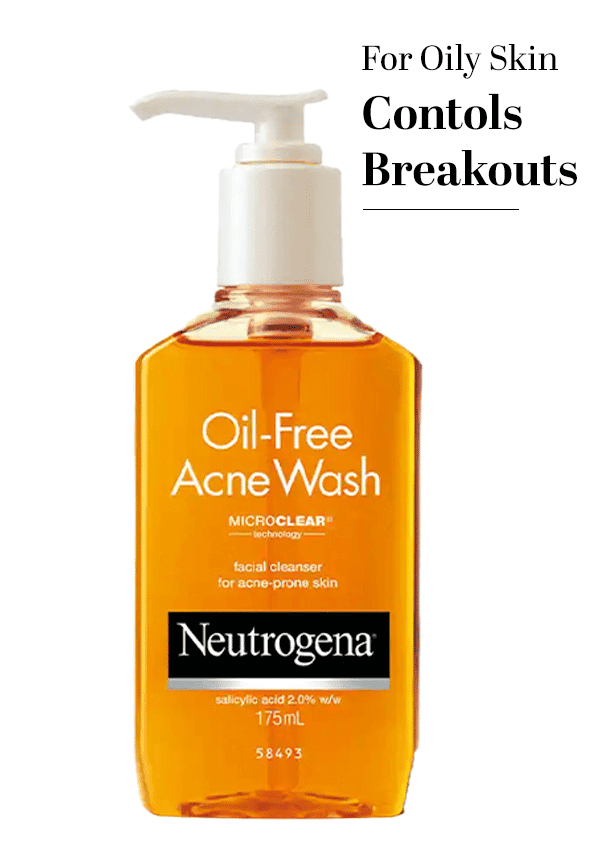
Oil Free Acne Wash For Acne Prone Skin With Salicylic Acid
Let's be real—if you've got oily, acne-prone skin, you've probably been told to skip the moisturiser and dry out those breakouts. But here's the plot twist: your skin might actually be crying out for hydration. When your skin barrier is compromised from harsh acne treatments or natural oil overproduction, hyaluronic acid for oily acne-prone skin hydration becomes your secret weapon. This powerhouse ingredient delivers moisture without the grease, helping you achieve that balanced, healthy glow you've been after. Ready to discover how this game-changing molecule can transform your skincare routine?
Here's something that might blow your mind: oily skin and dehydrated skin aren't mutually exclusive. Your face can be producing excess oil whilst simultaneously being parched for water. When your skin lacks proper hydration, it goes into overdrive mode, pumping out even more sebum to compensate for the moisture deficit.
Think of your skin like a confused thermostat. When it senses dryness, it cranks up oil production to protect itself. This creates a vicious cycle where you strip away oils with harsh products, your skin panics and produces more oil, leading to more breakouts. Acne-prone skin hydration helps break this cycle by giving your skin the water it actually needs, not more oil.
The difference between oily and dehydrated skin is crucial to understand. Oily skin produces excess sebum, whilst dehydrated skin lacks water content. You can have both simultaneously, which is why that tight, uncomfortable feeling persists even when your T-zone looks like an oil slick by midday.
If you're using acne treatments like salicylic acid, benzoyl peroxide, or retinoids, your skin barrier is likely taking a beating. These ingredients are brilliant at clearing breakouts but can leave your skin feeling like the Sahara desert. This is where acne treatment and hydration work as the perfect tag team.
Maintaining your skin barrier function is essential for healthy skin recovery. When your barrier is compromised, bacteria can penetrate more easily, inflammation increases, and healing slows down. Signs your acne-prone skin is dehydrated include persistent tightness, flakiness around breakouts, and that uncomfortable pulling sensation after cleansing.
Enter hyaluronic acid—the hydration hero that doesn't discriminate against skin types. This molecule is like a tiny sponge that can hold up to 1,000 times its weight in water, making it absolutely perfect for delivering intense moisture without any heaviness or greasiness.
The magic of hyaluronic acid lies in its lightweight, non-comedogenic nature. Unlike heavy creams that might clog your pores, this ingredient provides oil-free hydration that absorbs quickly and doesn't interfere with your skin's natural oil production. It's basically the skincare equivalent of having your cake and eating it too.
The water-binding properties mean your skin gets a drink of pure hydration without any of the pore-clogging ingredients that typically come with traditional moisturisers. This makes it perfect for anyone who's been avoiding hydration out of fear of triggering more breakouts.
One of the biggest hyaluronic acid benefits is its gentle, non-irritating formula that plays well with acne medications. Unlike some hydrating ingredients that can interfere with active treatments, hyaluronic acid actually supports your acne-fighting routine by maintaining optimal moisture levels.
This ingredient also helps reduce inflammation and redness associated with breakouts. When your skin is properly hydrated, it's better equipped to heal and recover from blemishes. Think of it as giving your skin the tools it needs to repair itself more efficiently.
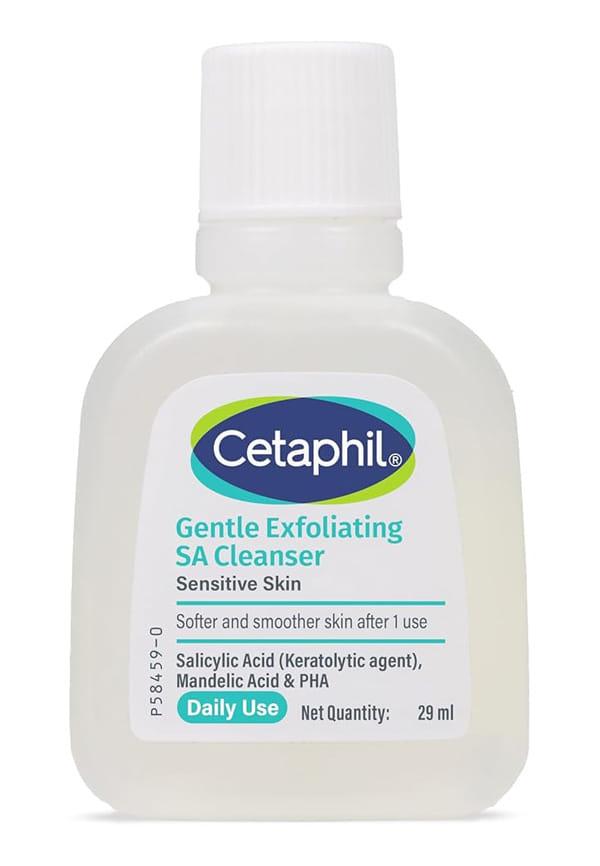
Gentle Daily Exfoliating Cleanser With Salicylic Acid For Oily Acne Prone Skin
Here's where things get interesting: balanced hydration can actually help reduce sebum overproduction. When your skin feels secure in its moisture levels, it doesn't need to compensate with excess oil. This leads to fewer clogged pores and a more balanced complexion overall.
Proper hydration also helps minimise the appearance of pores by keeping skin plump and smooth. When skin is dehydrated, pores can appear larger and more prominent. Hydrating serums for acne help create that smoother skin texture you've been dreaming of.
Not all hyaluronic acid products are created equal, especially when you're dealing with finicky, acne-prone skin. The key is finding formulations that deliver maximum hydration without any pore-clogging extras.
For oily, acne-prone skin, serums typically win the hydration game. The best hyaluronic acid serum options offer higher concentrations of the active ingredient in lightweight formulations that absorb faster than traditional moisturisers. This means you get maximum hydration benefits without the heavy, greasy feeling that can trigger breakouts.
Serums also layer beautifully under other treatments, making them perfect for complex acne-fighting routines. You can apply your hyaluronic acid serum first, then follow with targeted treatments without worrying about product pilling or interference.
The best formulations contain multiple molecular weights of hyaluronic acid. Smaller molecules penetrate deeper into the skin, whilst larger molecules create a moisture barrier on the surface. This multi-layered approach ensures comprehensive hydration at every level.
Look for complementary ingredients like niacinamide, which helps regulate oil production, or ceramides, which support barrier repair. However, avoid heavy oils, silicones, or comedogenic ingredients that might trigger breakouts in sensitive skin.
If you prefer a traditional moisturiser format, non-comedogenic moisturisers with hyaluronic acid can work brilliantly for oily skin. Look for gel-based or water-cream textures that feel lightweight but deliver serious hydration. These formulations often work better for nighttime use when your skin can focus on repair and recovery.
Consider the difference between day and night applications—morning formulations should be lighter and play well under sunscreen, whilst evening products can be slightly more nourishing to support overnight skin repair.
Getting the application right is crucial for maximising the benefits of your hyaluronic acid serum for face. The good news is that once you know the basics, it's pretty straightforward to incorporate into your routine.
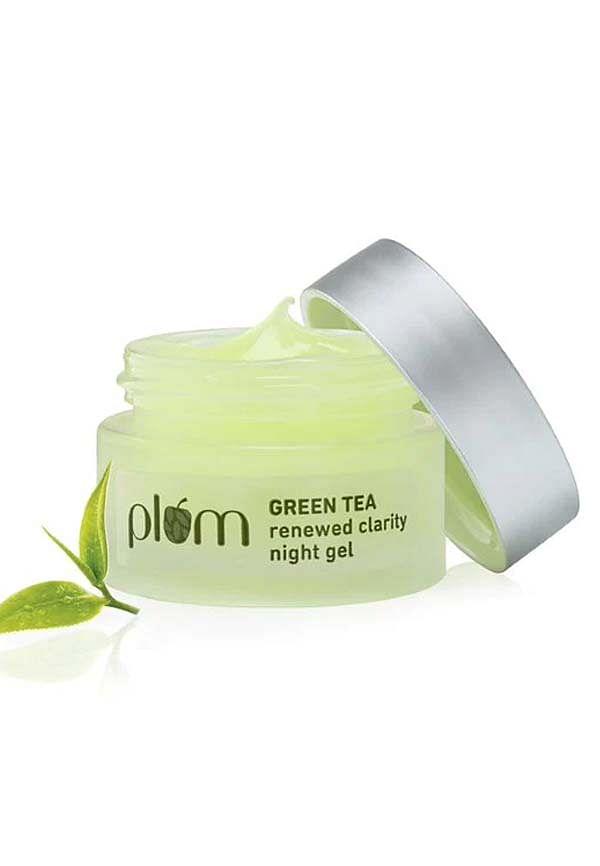
Green Tea Renewed Clarity Night Gel Hydrates Skin & Fights Acne
Apply hyaluronic acid serum after cleansing but before heavier treatments or moisturisers. You only need a few drops—seriously, a little goes a long way. Gently pat the serum into your skin rather than rubbing, which helps with absorption and prevents irritation.
When layering with acne treatments, apply hyaluronic acid first, wait a few minutes for absorption, then follow with your active ingredients. This creates a protective buffer that can help reduce potential irritation from stronger treatments.
Here's a pro tip that makes all the difference: apply hyaluronic acid to slightly damp skin. This gives the molecule more water to grab onto, amplifying its hydrating effects. You can mist your face with thermal water or simply apply the serum whilst your skin is still damp from cleansing.
Always follow up with a lightweight moisturiser or facial oil to seal in the hydration. Hyaluronic acid draws moisture from the environment, but in dry conditions, it might actually pull water from your skin if not properly sealed.
The beauty of hyaluronic acid is its compatibility with most acne treatments. You can safely use it with salicylic acid, benzoyl peroxide, and retinoids. However, timing matters—apply hydrating products first, then actives, to create a protective barrier that minimises irritation.
Start slowly when introducing new products, especially if you're already using strong acne treatments. Build tolerance gradually and pay attention to how your skin responds to different combinations.
Even with the best intentions, there are some common pitfalls that can sabotage your hydration efforts. Let's troubleshoot the most frequent mistakes so you can get the most out of your skincare routine.
The biggest mistake is applying hyaluronic acid to completely dry skin in a low-humidity environment. Without adequate moisture to draw from, the ingredient can actually feel drying. Always ensure there's some dampness on your skin or in the air.
Using too much product is another common error. More isn't always better with skincare—a few drops of serum are sufficient for your entire face. Overloading can lead to pilling or that sticky feeling that nobody wants.
Choosing formulations that are too heavy for oily skin can backfire spectacularly. Stick to lightweight, gel-based textures that absorb quickly. Also, be cautious about products with long ingredient lists—sometimes simpler formulations work better for sensitive, acne-prone skin.
Ignoring comedogenic ingredients in the supporting cast can also cause issues. Even if the hyaluronic acid itself is non-comedogenic, other ingredients in the formula might trigger breakouts.
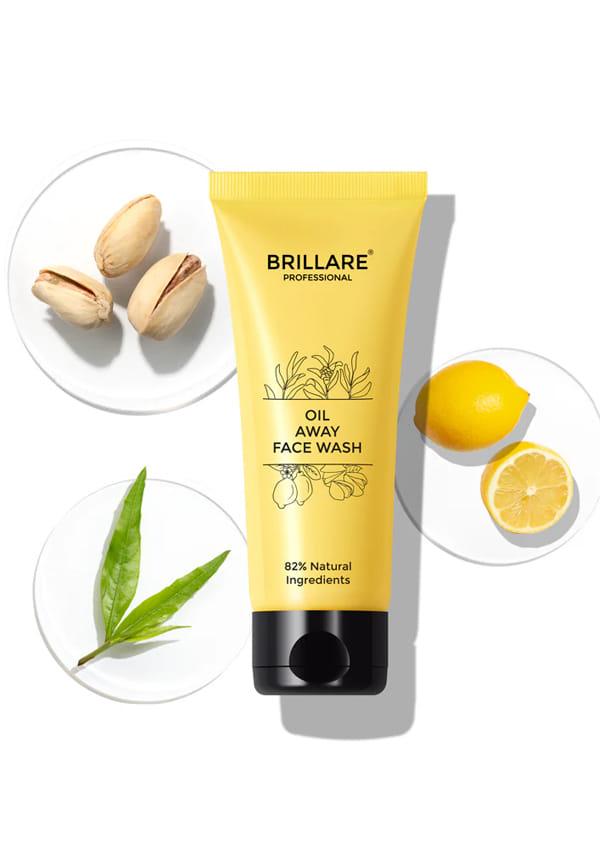
Facewash For Oily, Acne Prone Skin
Hydration improvements typically become noticeable within a few days to a week of consistent use. However, significant changes in oil production and overall skin balance can take 4-6 weeks. Be patient and consistent with your routine.
Remember that skincare isn't one-size-fits-all. What works brilliantly for your friend might not suit your skin, and that's completely normal. The key is finding products that work for your unique skin needs.
This is where platforms like Smytten become invaluable for skincare enthusiasts. With curated trial packs from over 1,500 trusted brands, you can explore different oily skin moisturiser options and hyaluronic acid formulations without committing to full-size purchases. Getting up to 8 minis for just ₹249, plus 100% cashback redeemable for future orders, makes it incredibly affordable to find your perfect hydration match.
Absolutely! Hyaluronic acid is one of the safest hydrating ingredients for oily, acne-prone skin because it's non-comedogenic and provides water-based hydration without adding oils or heavy ingredients that might clog pores.
No, hyaluronic acid won't increase oil production. In fact, proper hydration can help regulate sebum production by preventing your skin from overcompensating for dehydration with excess oil.
You can use hyaluronic acid twice daily—morning and evening. It's gentle enough for daily use and actually works better with consistent application to maintain optimal hydration levels.
Yes, hyaluronic acid layers beautifully with most acne treatments. Apply it first to create a hydrating base, then follow with your active ingredients like salicylic acid or retinoids.
Low molecular weight hyaluronic acid penetrates deeper into the skin for long-lasting hydration, whilst high molecular weight creates a moisture barrier on the surface. The best serums contain multiple weights for comprehensive hydration.
Hydrating oily, acne-prone skin doesn't have to be a contradiction. Hyaluronic acid for oily acne-prone skin hydration offers the perfect solution—delivering intense moisture without the heaviness or pore-clogging potential of traditional moisturisers. The key is choosing the right formulation, applying it correctly, and being patient as your skin learns to trust the hydration process.
Remember, healthy skin is balanced skin. By incorporating proper hydration into your acne-fighting routine, you're not just addressing breakouts—you're supporting your skin's natural healing processes and creating the foundation for long-term skin health. With Smytten's extensive range of skincare trial packs from trusted brands, you can experiment with different hyaluronic acid formulations and find the perfect match for your unique skin needs. After all, why settle for maybe when you can try it all and discover what truly works for your skin?
