How to Heal a Damaged Skin Barrier Naturally


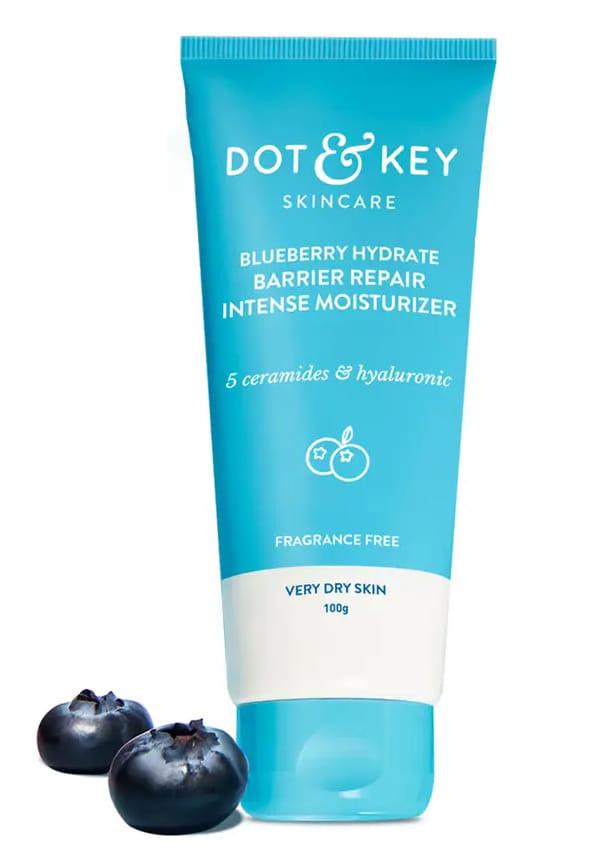
Blueberry Hydrate Barrier Repair Intense Moisturizer
Love this product
 5
5“This product is love and good product”
Love this product
5“This product is love and good product”
Love this product
5“This product is love and good product”
Your skin feels tight, looks red, and seems to react to everything you put on it? You're probably dealing with a damaged skin barrier. This protective shield that keeps moisture in and irritants out can get compromised by harsh products, over-exfoliation, or even stress. The good news is that with the right moisturizers for compromised skin barrier and some gentle care, you can restore your skin's natural defences. Let's dive into how to heal your skin barrier naturally and get back to that healthy, comfortable skin you deserve.
Think of your skin barrier as your body's bouncer—it decides what gets in and what stays out. When this skin barrier function is working properly, your skin feels soft, looks plump, and doesn't freak out over every new product. But when it's compromised, things get messy fast.
The telltale signs of a damaged skin barrier are pretty hard to miss. Your skin might feel constantly tight or dry, even right after moisturising. You'll notice increased sensitivity to products that never bothered you before, along with redness, flaking, or that uncomfortable stinging sensation when you apply skincare. Some people also experience increased breakouts or a dull, lacklustre complexion.
Over-exfoliation is probably the biggest culprit. Those daily acid treatments or aggressive scrubs might seem like they're helping, but they can strip away your skin's protective lipids. Harsh cleansers, extreme weather, pollution, and even stress can weaken your barrier over time.
Oily skin might become even more reactive and prone to breakouts when the barrier is damaged. Dry skin gets flaky and uncomfortable, whilst sensitive skin types experience increased redness and irritation. Understanding your skin type helps you choose the right approach to barrier repair.
When your skin barrier needs help, not all moisturisers are created equal. You need ingredients that actually rebuild and strengthen, not just sit on the surface. Here's what to look for in your barrier cream arsenal.
Ceramide cream is your best friend right now. Ceramides are naturally found in your skin and make up about 50% of your barrier. When you're dealing with barrier damage, these lipids are often depleted. A good ceramide-rich moisturiser helps restore this protective layer from the inside out.
Hyaluronic acid draws moisture from the environment and holds it in your skin. It's gentle enough for compromised barriers whilst providing serious hydration. Glycerin works similarly, pulling moisture into your skin without causing irritation.
Niacinamide (vitamin B3) is brilliant for reducing inflammation whilst strengthening your barrier. It helps your skin produce more ceramides naturally. Panthenol (pro-vitamin B5) soothes irritation and supports the healing process.
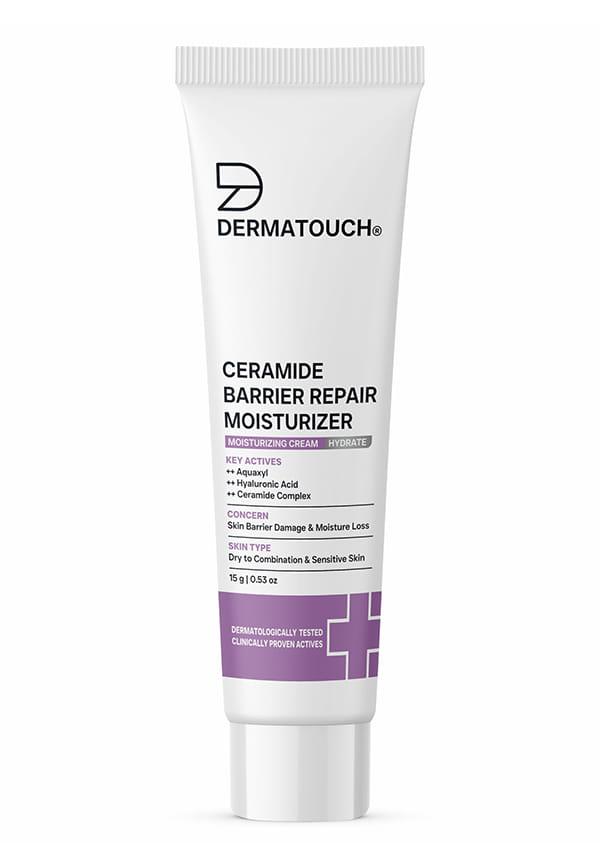
Ceramide Barrier Repair Moisturizer
Skip anything with alcohol, strong fragrances, or essential oils whilst your barrier heals. Avoid retinoids, acids, and exfoliating ingredients until your skin feels comfortable again. Even some natural ingredients like lemon or peppermint oil can be too harsh for compromised skin.
Finding the right sensitive skin moisturizer depends on your specific skin needs. What works for someone with eczema might be too heavy for someone with oily, barrier-damaged skin. Let's break it down by skin type and concern.
For sensitive skin, look for fragrance-free formulas with minimal ingredients. The fewer components, the less chance of irritation. Ingredients like colloidal oatmeal, allantoin, and zinc oxide can provide extra soothing benefits.
You still need moisture, but lightweight gel or lotion formulas work best. Look for non-comedogenic options with niacinamide or hyaluronic acid. Avoid heavy creams that might clog pores whilst your skin is vulnerable.
Eczema cream formulations are often perfect for severely damaged barriers, even if you don't have eczema. These products are designed to be ultra-gentle whilst providing intensive repair. Look for ingredients like ceramides, cholesterol, and fatty acids.
A good rosacea moisturizer focuses on calming inflammation whilst rebuilding the barrier. Ingredients like azelaic acid, green tea extract, and centella asiatica can help reduce redness whilst supporting repair.
For serious dry skin relief, you'll want richer formulations with occlusive ingredients like petrolatum or dimethicone. These create a protective seal whilst barrier-repairing ingredients do their work underneath.
Whilst the right products are crucial, your daily habits play a huge role in skin barrier repair. Sometimes the most effective approach combines gentle skincare with lifestyle changes that support your skin's natural healing process.
Start with your cleansing routine. Switch to a gentle, cream-based cleanser that doesn't foam much. Foaming cleansers often contain sulfates that can further strip your barrier. Lukewarm water is your friend—hot water feels nice but can be too harsh for compromised skin.
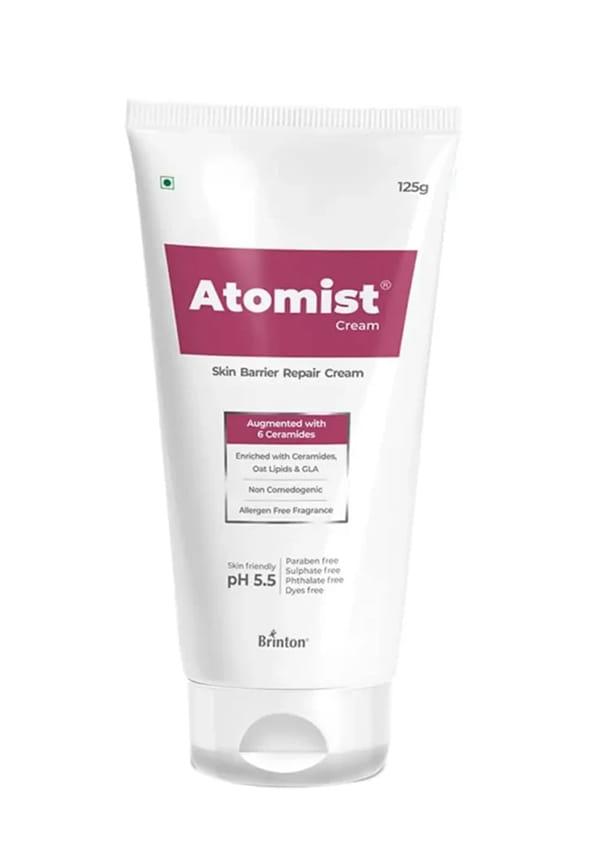
Atomist Skin Barrier Repair Cream
Used for dry skin on toddler
5“Used for dryskin for toddler skin ”
Good moisturizer, instant results
5“good moisturizer instant results i like it.”
Good for Sensitive, Acne-Prone Skin; Improves Barrier
5“so good for sensitive skin also acne prone skin devloped my skin barrier fr”
Some natural oils can actually help with barrier repair. Jojoba oil closely mimics your skin's natural sebum, whilst rosehip oil provides essential fatty acids. Apply a few drops to damp skin before your moisturiser for extra nourishment.
Humidity matters more than you think. Use a humidifier in your bedroom, especially during winter months. Stay hydrated from the inside out—your skin needs water to function properly. Consider your diet too; omega-3 fatty acids from fish or flaxseed can support skin barrier health.
Protect your skin from harsh winds and extreme temperatures. Wear gloves when cleaning or doing dishes. Even small changes like using a silk pillowcase can reduce friction that might irritate healing skin.
Consistency is key when you're trying to heal a compromised barrier. Your routine should be gentle, minimal, and focused on repair rather than active treatments. Here's how to structure your day for maximum healing potential.
Morning routines should focus on protection and gentle hydration. Start with a splash of lukewarm water or a very gentle cleanser if needed. Apply your soothing moisturizer whilst your skin is still slightly damp to lock in moisture. Always finish with SPF—sun damage can slow barrier repair significantly.
Evenings are when the real repair happens. Use your gentle cleanser to remove the day's buildup, then apply a more intensive barrier cream. This is when you can use slightly richer formulations or add a facial oil if your skin tolerates it.
Once or twice a week, consider a hydrating mask with ingredients like honey, oatmeal, or hyaluronic acid. Avoid clay masks or anything that dries down completely—these can be too drying for compromised barriers.
Barrier repair takes time—usually 2-4 weeks for noticeable improvement, and up to 3 months for complete healing. Don't expect overnight results, but you should notice less sensitivity and improved comfort within the first week of consistent care.
The biggest mistake is trying to speed up the process with active ingredients. Resist the urge to add acids or retinoids back too quickly. Also, avoid switching products constantly—give your routine at least 2-3 weeks to show results.
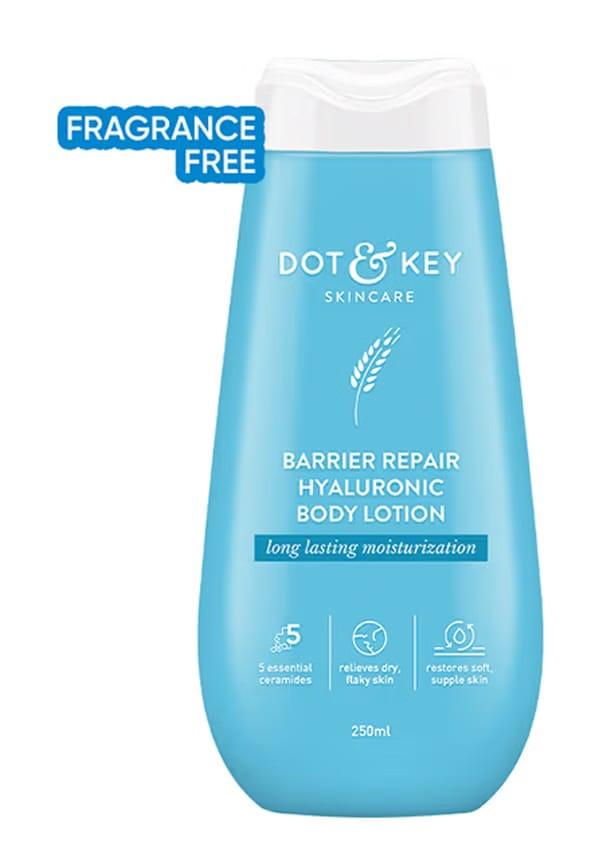
Barrier Repair Hyaluronic Body Lotion
Light and Genuine Product
5“I felt very light after applying this it's genuine product seriously you live it”
Light and Genuine Product
5“I felt very light after applying this it's genuine product seriously you live it”
Light and Genuine Product
5“I felt very light after applying this it's genuine product seriously you live it”
Finding the right products for barrier repair doesn't have to involve expensive full-size commitments. Smytten offers curated trial packs from trusted brands like Cetaphil and Dot & Key, letting you test different moisturizers for compromised skin barrier before investing in full sizes. With over 1,500 brands available and the ability to try up to 8 minis for just ₹249, you can discover what works for your specific skin needs without the guesswork.
The best moisturiser contains ceramides, hyaluronic acid, and niacinamide whilst being fragrance-free and gentle. Look for products specifically designed for sensitive or compromised skin, and avoid anything with alcohol or strong actives.
Apply moisturiser to slightly damp skin to lock in hydration. Use gentle, upward motions and don't rub harshly. Layer a lightweight hydrating serum under a richer cream for extra moisture, and always apply SPF during the day.
Focus on gentle cleansing, consistent moisturising, and avoiding irritants. Use lukewarm water, incorporate natural oils like jojoba, maintain good humidity levels, and give your skin time to heal without active treatments.
Ceramides, cholesterol, fatty acids, hyaluronic acid, niacinamide, and panthenol are top choices. These ingredients either replace what's been lost or support your skin's natural repair processes.
Yes, most barrier damage can be repaired at home with the right products and patience. However, severe cases or persistent issues might need professional guidance from a dermatologist.
Initial improvement usually happens within 1-2 weeks, but complete barrier repair can take 4-12 weeks depending on the severity of damage and consistency of care.
Avoid acids, retinoids, alcohol-based products, harsh scrubs, hot water, and fragranced products. Also skip over-cleansing and resist the urge to try multiple new products at once.
Healing a damaged skin barrier is absolutely doable with patience and the right approach. Focus on gentle, consistent care with barrier-repairing ingredients rather than trying to rush the process with active treatments. Remember that less is often more when your skin is compromised—stick to a simple routine and give your skin time to rebuild its natural defences.
The key is finding products that work for your specific skin type and concerns. Whether you need a lightweight gel for oily skin or a rich cream for severe dryness, the right moisturizers for compromised skin barrier can make all the difference. With Smytten's trial platform, you can explore different formulations from over 1,500 trusted brands without committing to full sizes, making it easier to find your perfect barrier-repairing routine. After all, why settle for maybe when you can try it all and find what truly works for your skin?
