How to Get Sensitive Skin Relief Without Harsh Chemicals


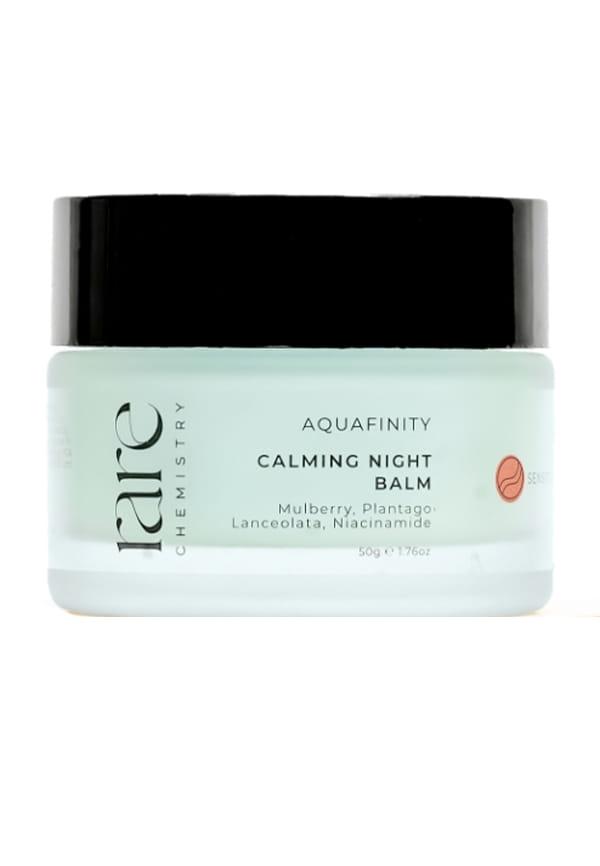
Aquafinity Calming Night Balm
If your skin feels like it's constantly throwing a tantrum—stinging after cleansing, turning red at the slightest provocation, or breaking out from products that work for everyone else—you're not alone. Sensitive skin affects millions, and the irony is that many conventional skincare products designed to "fix" these issues often make them worse with harsh chemicals and synthetic ingredients. The good news? You don't need a medicine cabinet full of aggressive formulations to achieve calm, comfortable skin. Natural, gentle alternatives can provide effective sensitive skin relief without harsh chemicals, working with your skin's natural processes rather than against them. Whether you're dealing with rosacea flare-ups, contact dermatitis, or simply reactive skin that seems to dislike everything, understanding how to choose truly gentle products and ingredients can transform your skincare routine. On platforms like Smytten, you can explore gentle formulations through trial sizes before committing to full-size products, making it easier to find what works for your unique skin needs without the financial risk of purchasing products that might irritate further.
TL;DR
Sensitive skin relief comes from avoiding harsh chemicals like sulfates, synthetic fragrances, and alcohol-based ingredients that disrupt the skin barrier
Natural soothing ingredients like aloe vera, chamomile, and oat extract provide gentle relief without triggering reactions
Building an allergy-friendly skincare routine requires minimal, fragrance-free products with hypoallergenic formulations
DIY natural remedies using kitchen ingredients can provide emergency relief for irritated skin
Professional guidance helps distinguish between temporary sensitivity and underlying skin conditions requiring medical attention
Sensitive skin isn't just about having delicate skin—it's often a sign that your skin barrier has been compromised by harsh ingredients, environmental factors, or underlying conditions. When your skin's protective barrier is weakened, it becomes more permeable to irritants and allergens, leading to inflammation, redness, and discomfort.
Your skin has its own way of telling you when products aren't working. Common signs include immediate stinging or burning sensations upon application, persistent redness that doesn't fade, increased breakouts in areas where you've applied new products, and a tight, uncomfortable feeling that moisturiser doesn't seem to relieve.
Many people notice their skin becoming progressively more reactive over time. What once felt fine now causes irritation, and you find yourself using fewer and fewer products as your tolerance decreases. This progressive sensitivity often indicates that harsh chemicals have been gradually weakening your skin barrier.
Synthetic ingredients can disrupt your skin's natural pH balance and strip away protective lipids. Sulfates, for instance, are excellent at removing dirt and oil—but they're so effective that they also remove the natural oils your skin needs to stay healthy. Similarly, synthetic fragrances can trigger allergic reactions even in people who've never had sensitive skin before.
Natural alternatives work differently. Instead of stripping and disrupting, they support your skin's natural healing processes. Plant-based ingredients often contain compounds that mirror what your skin produces naturally, making them more compatible with your skin's biology.
Reading ingredient lists becomes crucial when you have sensitive skin. Certain chemicals consistently trigger reactions, and learning to spot them can save you from painful trial and error.
Sulfates like sodium lauryl sulfate (SLS) and sodium laureth sulfate (SLES) create that satisfying foam in cleansers, but they're notorious for causing dryness and irritation. These detergents are so harsh they're used in laboratory studies to intentionally irritate skin for testing purposes.
Parabens including methylparaben, propylparaben, and butylparaben can cause allergic reactions and have been linked to hormone disruption. Whilst the research is ongoing, many sensitive skin sufferers find their skin calms down significantly when they eliminate parabens.
Synthetic fragrances are perhaps the biggest culprits for sensitive skin reactions. The term "fragrance" or "parfum" on ingredient lists can represent hundreds of different chemicals, many of which are known allergens. Even "unscented" products may contain masking fragrances.
Alcohol-based ingredients, particularly denatured alcohol, can severely dry and irritate sensitive skin. Whilst some fatty alcohols like cetyl alcohol are actually beneficial, simple alcohols like ethanol should be avoided.
Look for terms like "hypoallergenic," "fragrance-free," and "dermatologist-tested," but remember these aren't regulated terms. More reliable indicators include short ingredient lists, recognisable plant-based ingredients, and certifications from organisations like the National Eczema Association.
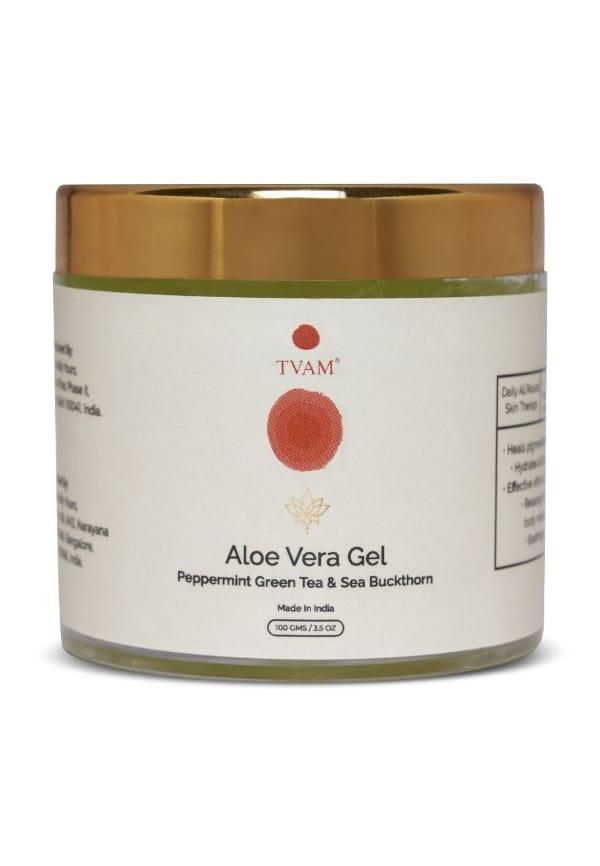
Aloe Vera Gel- Peppermint Green Tea & Sea Buckthorn
Nature provides some of the most effective soothing ingredients for sensitive skin. These plant-based compounds have been used for centuries and are backed by modern research showing their anti-inflammatory and healing properties.
Aloe vera contains compounds called polysaccharides that help repair damaged skin and provide immediate cooling relief. Fresh aloe gel from the plant is ideal, but look for products with high concentrations of aloe vera juice rather than just aloe extract.
Chamomile contains anti-inflammatory compounds like chamazulene and bisabolol that may help calm redness and irritation. Studies suggest chamomile is particularly potent for sensitive skin relief.
Calendula has been used medicinally for wound healing and skin repair. It's gentle enough for baby products but effective enough to soothe adult skin conditions like eczema and dermatitis.
Oat extract contains compounds called avenanthramides that have anti-inflammatory properties. Colloidal oatmeal is particularly effective for creating a protective barrier on sensitive skin.
Shea butter provides deep moisturisation without clogging pores. Its natural anti-inflammatory properties make it excellent for sensitive skin, and it's rare to find someone allergic to pure, unrefined shea butter.
The most effective gentle formulations combine complementary ingredients. Ceramides work with hyaluronic acid to repair and maintain the skin barrier whilst providing hydration. Niacinamide paired with zinc oxide offers gentle protection and anti-inflammatory benefits without irritation.
Jojoba oil combined with vitamin E provides natural moisturisation that closely mimics your skin's natural sebum, making it less likely to cause reactions than synthetic moisturisers.
Creating a routine for sensitive skin means embracing minimalism. The fewer products and ingredients you use, the less likely you are to encounter something that triggers a reaction. Start with the basics and add products slowly.
Morning Routine: Begin with a gentle, cream-based cleanser that doesn't foam excessively. Look for ingredients like glycerin and ceramides rather than sulfates. Follow with a fragrance-free moisturiser containing soothing ingredients like niacinamide or hyaluronic acid. Finish with a mineral sunscreen containing zinc oxide or titanium dioxide—these physical blockers are less likely to cause reactions than chemical sunscreens.
Evening Routine: Double cleansing can be beneficial if done gently. Start with a cleansing oil or balm to remove makeup and sunscreen, then follow with your gentle cream cleanser. Apply your calming facial products for irritation, focusing on ingredients like chamomile or calendula. Finish with a chemical-free moisturiser for sensitive skin that's slightly richer than your morning formula.
Always patch test new products on a small area of skin, preferably behind your ear or on your inner wrist. Wait 24-48 hours to see if any reaction occurs. When introducing new products, add only one at a time and use it for at least a week before adding another product.
If you experience any stinging, burning, increased redness, or breakouts, discontinue use immediately. Sometimes reactions can be delayed, so keep a skincare diary to track what you're using and how your skin responds.
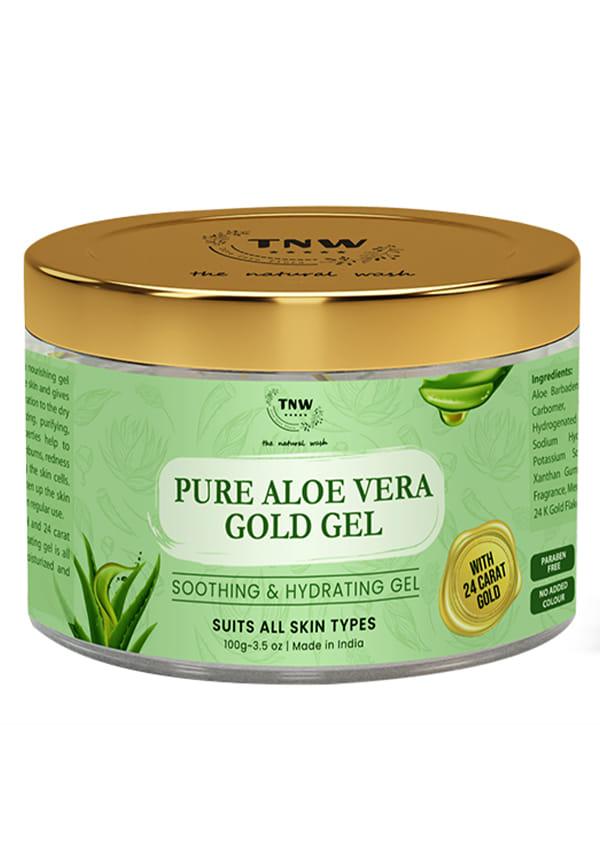
Pure Aloe Vera Gold Gel for Hydrating Skin & Calming Irritation
Sometimes you need immediate relief, and your kitchen might hold the solution. These natural remedies can provide emergency soothing whilst you wait for your skin to calm down.
Raw honey has natural antibacterial and anti-inflammatory properties. Apply a thin layer to clean skin and leave for 10-15 minutes before rinsing with cool water. Manuka honey is particularly effective but regular raw honey works too.
Oatmeal baths can soothe full-body irritation. Grind plain oats into a fine powder and add to lukewarm bath water. Soak for 15-20 minutes, then pat skin dry and apply a gentle moisturiser whilst skin is still damp.
Cool compresses using clean, soft cloths soaked in cool water can provide immediate relief for inflamed areas. Avoid ice-cold water, which can shock sensitive skin.
A simple three-ingredient moisturiser can be made with shea butter, jojoba oil, and a few drops of chamomile essential oil (if tolerated). Melt the shea butter gently, mix in the oil, let it cool slightly, then whip until fluffy.
For gentle exfoliation, mix finely ground oats with honey to create a paste. Gently massage onto damp skin in circular motions, then rinse thoroughly. This provides enzymatic exfoliation without harsh scrubbing.
Dermatologists consistently recommend certain approaches for sensitive skin that differ from general skincare advice. Understanding these professional insights can help you make better product choices.
Minimal ingredient formulations are key—dermatologists often recommend products with fewer than 10 ingredients for sensitive skin. pH-balanced products that match your skin's natural acidity (around 5.5) are less likely to cause irritation than alkaline formulations.
There's an important distinction between non-comedogenic (won't clog pores) and hypoallergenic (less likely to cause allergic reactions). For sensitive skin, hypoallergenic is more important, though ideally, you want both.
If your skin remains irritated despite using gentle products for several weeks, it's time to consult a dermatologist. Persistent redness, severe reactions, or skin that's getting progressively worse may indicate underlying conditions like rosacea, eczema, or contact dermatitis that require medical treatment.
Don't attempt to self-diagnose persistent skin issues. What seems like sensitivity might be a treatable medical condition that responds well to professional treatment.
Shopping for sensitive skin products requires a different approach than general skincare shopping. You're looking for what's NOT in the product as much as what is included.
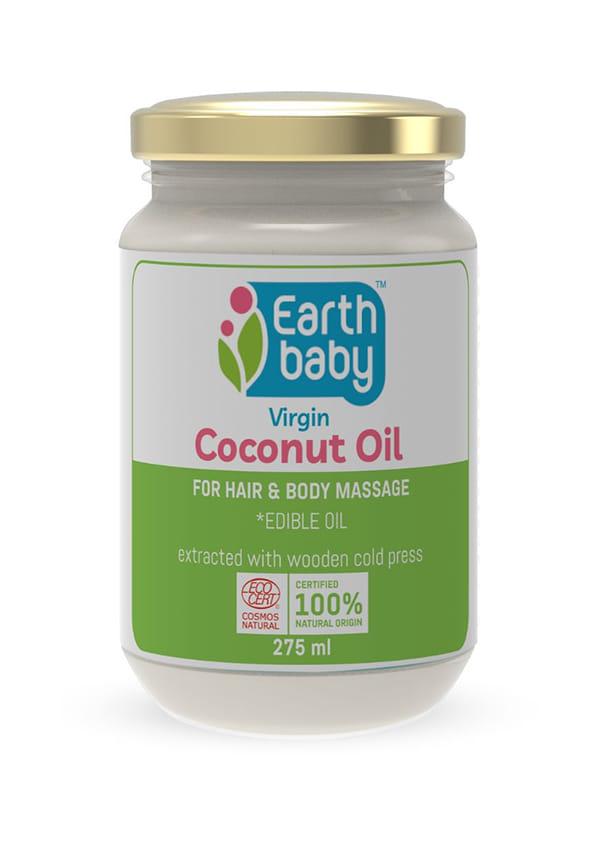
100% Natural origin Virgin Cold-Pressed Coconut Oil
Look for certifications from reputable organisations like COSMOS, Ecocert, or the National Eczema Association. These certifications require products to meet specific standards for gentle formulations.
Price doesn't always indicate quality for sensitive skin products. Some affordable brands focus specifically on gentle formulations and may be more suitable than expensive products with complex ingredient lists.
Cleansers: Cream cleansers are generally gentler than gels or foams. Oil cleansers can be excellent for removing makeup without stripping, whilst micellar waters offer gentle cleansing for quick touch-ups.
Moisturisers: Face moisturisers should be lighter and more carefully formulated than body lotions. Look for ingredients like ceramides, hyaluronic acid, and natural oils rather than synthetic emollients.
Sunscreens: Mineral sunscreens with zinc oxide or titanium dioxide are typically better tolerated than chemical sunscreens. Look for formulations specifically designed for sensitive skin.
Focus on strengthening your skin barrier through gentle, consistent care. Use minimal products with natural ingredients, avoid over-cleansing, and protect your skin from environmental stressors. Consider dietary factors like reducing inflammatory foods and increasing omega-3 fatty acids. Stress management and adequate sleep also play crucial roles in skin health. Platforms like Smytten allow you to try before you buy gentle products before committing to full sizes, reducing the risk of reactions from unsuitable products.
The gentlest approach involves using the fewest products possible with the shortest ingredient lists. Start with a basic routine of gentle cleanser, simple moisturiser, and mineral sunscreen. Avoid all fragrances, essential oils, and active ingredients until your skin stabilises. Focus on barrier repair ingredients like ceramides and gentle hydrators like hyaluronic acid.
Look for products containing aloe vera, chamomile, calendula, and oat extract. Brands that focus specifically on sensitive skin often have the most suitable formulations. Natural doesn't always mean better—some natural ingredients like essential oils can be highly irritating—so choose carefully researched, gentle natural ingredients.
Healing requires patience and consistency. Strip back to the most basic routine possible, eliminate all potential irritants, and give your skin time to recover. This process can take several weeks to months. Focus on gentle cleansing, adequate moisturisation, and sun protection whilst avoiding anything that might further irritate your skin.
Achieving sensitive skin relief without harsh chemicals is entirely possible with the right approach and patience. The key lies in understanding that less is often more—fewer ingredients, gentler formulations, and consistent use of products that support rather than disrupt your skin's natural processes. Natural ingredients like aloe vera, chamomile, and oat extract can provide effective relief whilst being kind to reactive skin.
Building an allergy-friendly skincare routine requires careful product selection, thorough patch testing, and gradual introduction of new items. Remember that what works for others may not work for you, and finding your perfect routine may take time and experimentation.
Most importantly, don't hesitate to seek professional help if your skin doesn't improve with gentle care. Sometimes what appears to be sensitivity is actually an underlying condition that responds well to proper medical treatment.
Finding the right products for sensitive skin doesn't have to be a costly trial-and-error process. Smytten is India's largest product discovery and trial platform, connecting consumers with top lifestyle, beauty, wellness, and grooming brands through curated trial packs India. With 100% authentic brand-verified minis from over 2,400 trusted brands such as Cetaphil, Dot & Key, WishCare, and Bella Vita, you can explore gentle formulations before committing to full-size purchases. Each mini is linked with Trial Points, and users can get up to 10 Trial Points for just ₹279, plus Smytten offers 100% cashback on the purchase of these minis, redeemable for future orders. This makes discovering the perfect sensitive skin routine both affordable and rewarding. With over 28 million users and 100% authentic, brand-verified minis delivered across 90% pincode coverage, Smytten helps you make smarter, more confident choices for your sensitive skin journey. After all, why settle for 'maybe' when you can #TryItAll!
