How to Get Rid of Skin Bumps on Men: Quick Steps

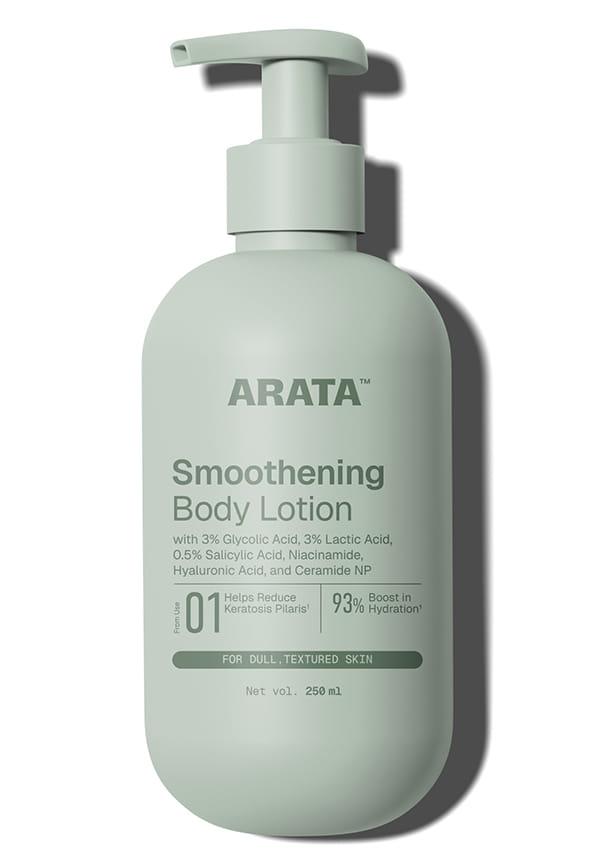
Smoothening Body Lotion | Reduces Bumps, Strawberry Skin and Keratosis Pilaris | With Glycolic, Lactic & Salicylic Acid | Dermatologically Tested | F
Nice Body Lotion
 5
5“nice body lotion I like it very much”
Nice Body Lotion
5“nice body lotion I like it very much”
Nice Body Lotion
5“nice body lotion I like it very much”
Dealing with skin bumps can feel particularly frustrating for men, especially when they appear at the worst possible moments—right before an important meeting or after a fresh shave. Whether you're battling razor bumps from your morning routine, dealing with post-gym breakouts, or noticing mysterious lumps that seem to appear overnight, you're not alone in this struggle. Men's skin faces unique challenges, from thicker skin texture to higher sebum production, making certain types of bumps more common. The good news? There are proven quick steps for skin bumps men can take to address these issues effectively. With the right approach and products—many of which you can trial through platforms like Smytten before committing to full sizes—you can tackle everything from ingrown hairs to hormonal acne. Real talk: understanding what's causing those bumps is half the battle won.
Men commonly experience razor bumps, acne, folliculitis, and keratosis pilaris due to thicker skin and higher oil production
Quick relief involves cooling the area, gentle cleansing, and stopping the irritation source immediately
Different bump types require targeted treatments—salicylic acid for acne, proper shaving technique for razor bumps
Prevention through proper daily skincare routine and lifestyle adjustments works better than reactive treatment
Seek professional help if bumps persist, show signs of infection, or significantly impact your confidence
Before diving into treatment, it's crucial to identify what type of bumps you're dealing with. Men's skin bumps treatment varies significantly depending on the underlying cause, and using the wrong approach can sometimes make things worse.
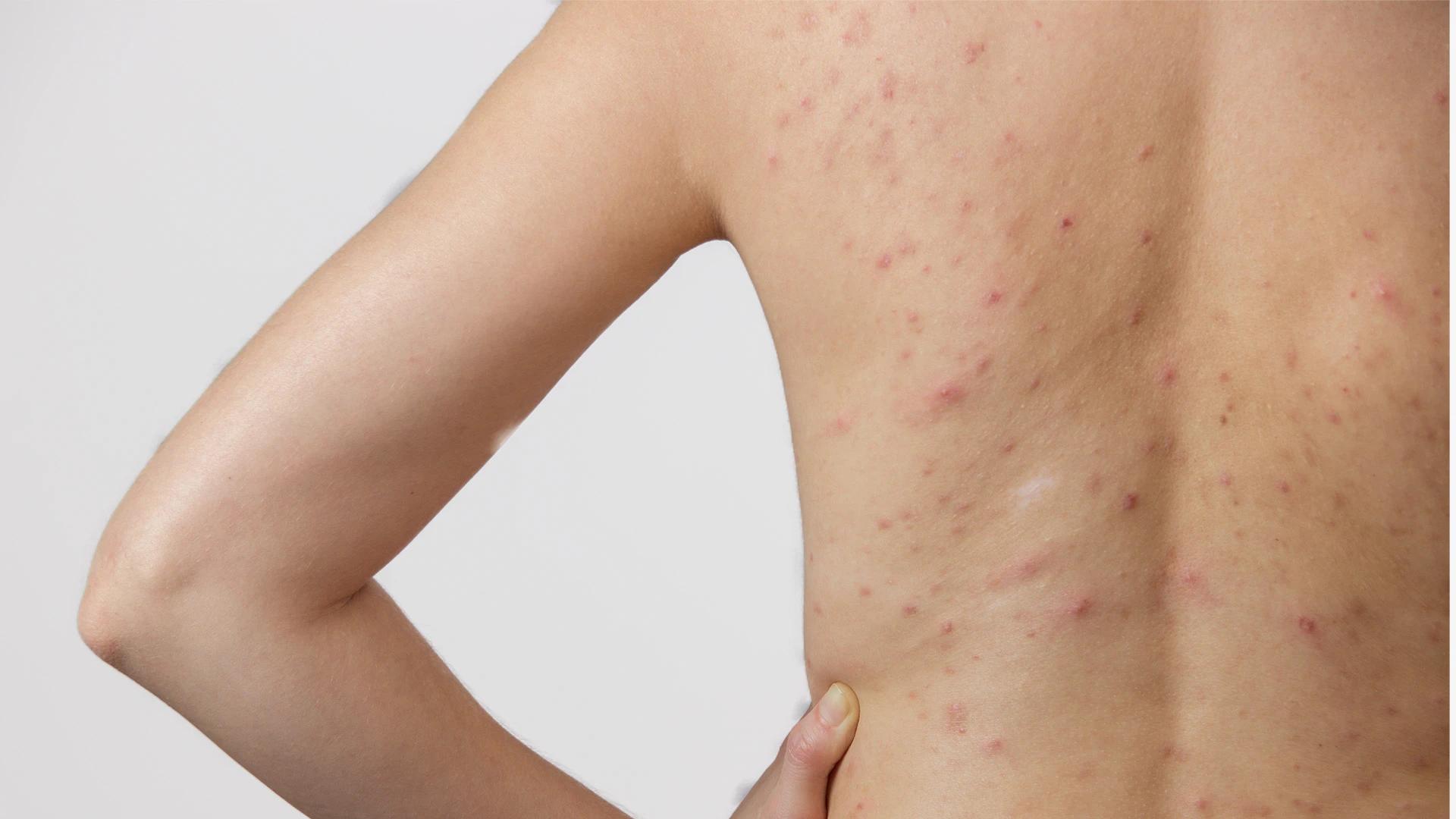
Razor bumps on men are incredibly common, particularly for those with coarse or curly hair. These bumps occur when hair follicles become inflamed after shaving, often because the hair curls back into the skin instead of growing outward. The neck area is especially prone to this issue due to the direction of hair growth and the angle at which most men shave. Ingrown hairs men experience typically appear as small, red, sometimes pus-filled bumps that can be tender to touch.
Acne on men's skin doesn't always follow the same patterns as teenage breakouts. Adult male acne often concentrates along the jawline, neck, and back—areas where sweat and friction from clothing or shaving can exacerbate the problem. Hormonal fluctuations, particularly testosterone levels, play a significant role in sebum production, making men more susceptible to certain types of breakouts throughout their lives.
Skin irritation men face often stems from harsh grooming products, fragrances in aftershaves, or even laundry detergents. Contact dermatitis appears as red, sometimes itchy bumps that can spread across the affected area. Environmental factors like pollution, extreme weather, or workplace chemicals can also trigger these reactions, making identification sometimes tricky.
Keratosis pilaris, often called "chicken skin," creates small, rough bumps typically on the upper arms and thighs. Folliculitis presents as small, infected hair follicles that can occur anywhere on the body but are common in areas prone to friction. Heat rash and sweat-related bumps frequently appear during warmer months or after intense physical activity, particularly in areas where clothing traps moisture.
When bumps appear, your first instinct might be to scrub them away or apply harsh treatments. However, the most effective immediate response involves gentle, targeted action that reduces inflammation without causing further irritation.
Start by applying a cold compress or ice wrapped in a clean cloth to the affected area for 2-3 minutes. This reduces inflammation and provides immediate relief from any burning or itching sensation. Follow with a gentle cleanse using lukewarm water and a mild, fragrance-free cleanser. Pat the area dry—never rub—and apply a thin layer of aloe vera gel or a product containing niacinamide to calm the skin.
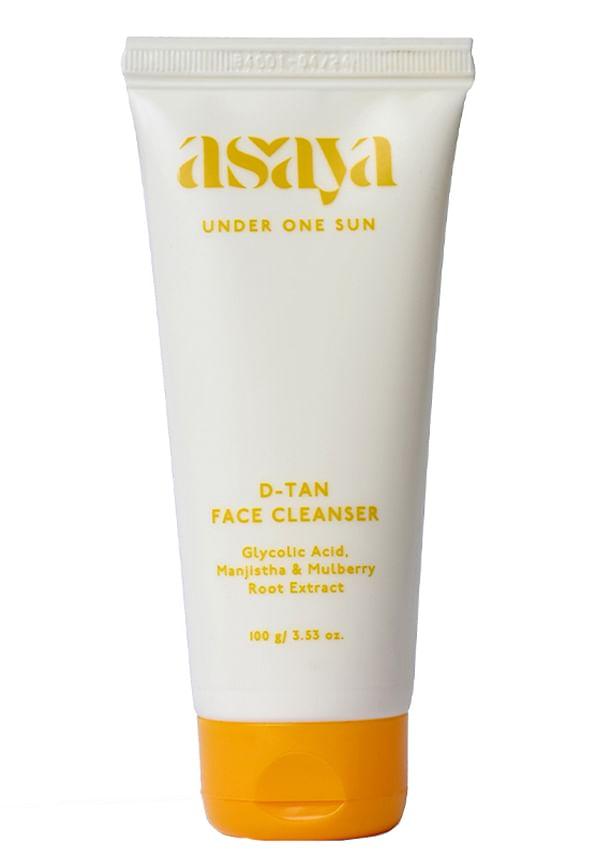
Detan Face Wash, Glycolic Acid, Tan Removal for Men & Women
Positive Product Review
5“very good. It doesn't make your face completely dried. After wash, your face feel smooth and clean.”
Amazing Product
5“Nice product such a amazing one”
Cleaning product use
5“best of cleaning but make sure to clean with full of water or else product stays”
Immediately discontinue use of any new products you've introduced in the past week. This includes aftershaves, new laundry detergents, or grooming products. If you suspect shaving is the culprit, give your skin a break from razors for 24-48 hours if possible. Switch to loose-fitting, breathable clothing to reduce friction and allow your skin to recover.
Light exfoliation can help prevent bumps from worsening, but timing and technique matter. Use a soft washcloth with gentle circular motions, or opt for a chemical exfoliant containing salicylic acid or glycolic acid. For male skin care bumps, exfoliate no more than 2-3 times per week to avoid over-irritation.
Different types of bumps require specific approaches for effective treatment. What works for razor bumps might not be suitable for hormonal acne, so targeted treatment is key to seeing real results.
Prevention starts before you even pick up a razor. Always shave after a warm shower when hair follicles are softened, and use a quality shaving cream or gel—never dry shave. Shave in the direction of hair growth, not against it, even if it means you won't get as close a shave initially. Use a sharp, clean razor and rinse it frequently during shaving. Post-shave, apply a alcohol-free aftershave balm containing ingredients like allantoin or chamomile to soothe the skin.
For active breakouts, salicylic acid works well for blackheads and surface-level bumps, while benzoyl peroxide targets bacteria-causing inflammation. Start with lower concentrations (2.5% benzoyl peroxide or 0.5% salicylic acid) to gauge your skin's tolerance. Apply spot treatments only to affected areas, not your entire face, and always follow with a non-comedogenic moisturiser to prevent over-drying.
For general skin rash men experience, focus on barrier repair and soothing inflammation. Look for products containing ceramides, hyaluronic acid, or centella asiatica. A thin layer of over-the-counter hydrocortisone cream can provide temporary relief for severe itching, but shouldn't be used for more than a few days without consulting a healthcare provider.
Consistency in your skincare routine prevents most bump-related issues before they start. Men's skin health bumps often result from inconsistent care rather than using the wrong products.
Cleanse twice daily with a gentle, pH-balanced cleanser that won't strip your skin's natural oils. Morning cleansing removes overnight oil buildup, while evening cleansing eliminates daily pollutants and sweat. Use lukewarm water—hot water can irritate already sensitive skin and exacerbate bump formation. Spend 30-60 seconds massaging the cleanser into your skin, paying extra attention to areas prone to bumps.
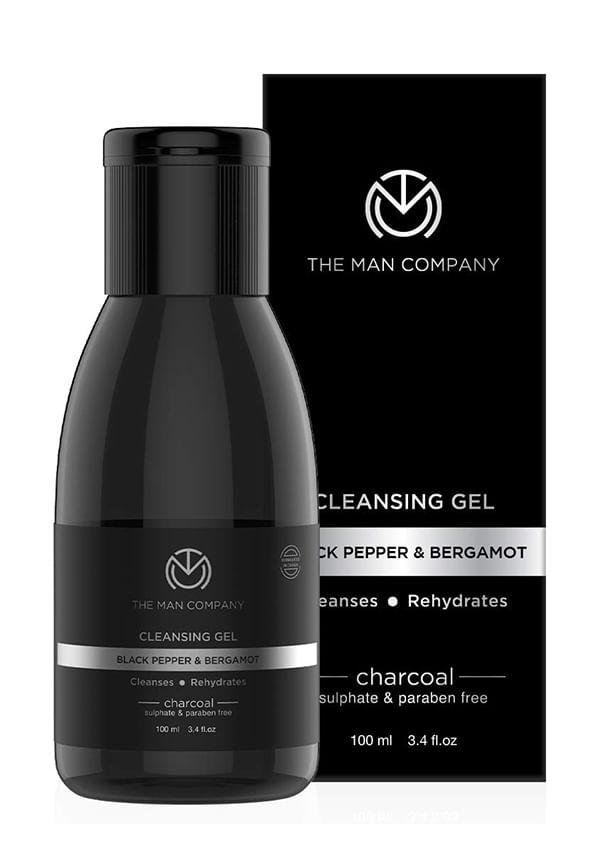
Charcoal Cleaning Gel
Even oily skin needs moisture to maintain its barrier function. Choose non-comedogenic moisturisers that won't clog pores but will keep skin hydrated. During the day, opt for a moisturiser with SPF 30 or higher—sun damage can worsen existing bumps and delay healing. Evening moisturisers can be slightly richer, especially if you're using active ingredients that might cause dryness.
Incorporate a weekly clay mask to deep-clean pores and prevent buildup that leads to bumps. Sanitise any tools you use regularly, including razors, face brushes, or extraction tools. Consider a weekly gentle enzyme exfoliant to remove dead skin cells that can trap hair and cause ingrown hairs men commonly experience.
Your daily habits significantly impact your skin's condition. Small lifestyle adjustments can dramatically reduce the frequency and severity of skin bumps.
Dairy products and high-glycemic foods can trigger inflammatory responses that manifest as skin bumps. While you don't need to eliminate these entirely, notice if your skin reacts poorly after consuming them. Increase your intake of anti-inflammatory foods like fatty fish, leafy greens, and berries. Aim for at least 8 glasses of water daily—proper hydration helps your skin maintain its barrier function and flush out toxins.
Post-workout skincare is crucial for preventing exercise-induced bumps. Shower immediately after exercising to remove sweat and bacteria that can clog pores. If immediate showering isn't possible, use gentle cleansing wipes to remove surface sweat. Choose moisture-wicking fabrics over cotton, which can trap sweat against your skin. Clean your gym equipment before use and avoid touching your face during workouts.
Chronic stress elevates cortisol levels, which can increase oil production and inflammation. Develop stress management techniques like meditation, regular exercise, or hobbies that help you unwind. Aim for 7-9 hours of quality sleep nightly—your skin repairs itself during sleep, and insufficient rest can slow healing of existing bumps and increase susceptibility to new ones.
While many skin bumps respond well to over-the-counter treatments and lifestyle changes, certain situations require professional intervention. Knowing when to escalate your care can prevent minor issues from becoming major problems.
Seek immediate medical attention if bumps become increasingly painful, develop pus or unusual discharge, or are accompanied by fever. Bumps that rapidly increase in size, change colour dramatically, or don't respond to treatment after 2-3 weeks warrant professional evaluation. If bumps significantly impact your confidence or daily activities, don't hesitate to consult a dermatologist—your mental health matters too.
Dermatologists can prescribe stronger topical treatments, oral antibiotics for infected bumps, or recommend in-office procedures like chemical peels or laser therapy. For persistent ingrown hairs, laser hair removal might be a long-term solution. Professional extractions can safely remove stubborn bumps without causing scarring or further inflammation.
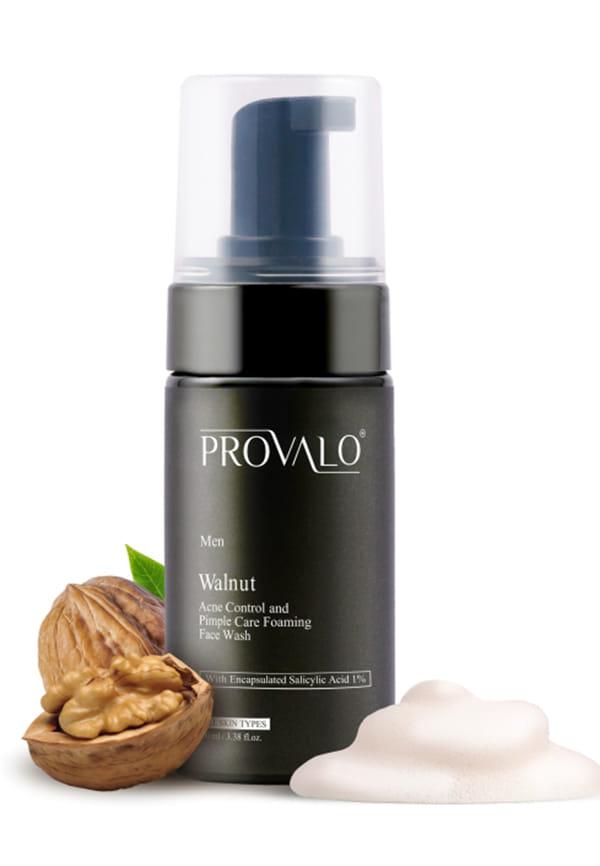
Walnut Acne Control and Pimple Care Foaming Face Wash (Men)
Amazing Product
5“this is a wow product I love it”
Choose a dermatologist who understands men's specific skin concerns and takes your concerns seriously. Prepare for appointments by documenting when bumps appear, what seems to trigger them, and what treatments you've already tried. Regular check-ups can help prevent minor issues from becoming major problems and ensure your skincare routine remains effective as your skin changes with age.
Most treatments show initial improvement within 3-7 days, with significant results visible after 2-3 weeks of consistent use. However, deeper issues like cystic acne or chronic folliculitis may take 6-8 weeks to fully resolve.
Men typically experience more razor-related bumps and tend to have oilier skin, leading to different types of acne patterns. However, the basic treatment principles remain similar across genders.
While many products work for all skin types, men's skin is generally thicker and oilier, so you might need stronger formulations or different active ingredients. It's worth trying products through trial platforms like Smytten to find what works specifically for your skin.
Acne specifically involves clogged pores and bacterial infection, while bumps can result from various causes including irritation, allergic reactions, or ingrown hairs. The treatment approach varies significantly based on the underlying cause.
Consistent proper shaving technique, regular gentle exfoliation, and keeping skin moisturised significantly reduce ingrown hairs. For permanent reduction, consider professional laser hair removal for problem areas.
Men's skin produces more oil and is generally thicker, which can lead to more frequent clogged pores and bumps. However, with proper care, men can achieve clear, healthy skin just as effectively.
Successfully managing skin bumps requires understanding their root cause and responding with targeted treatment rather than generic solutions. The quick steps for skin bumps men can implement—from immediate cooling and gentle cleansing to consistent daily routines—form the foundation of clear skin. Remember that prevention through proper skincare habits, lifestyle adjustments, and stress management often proves more effective than reactive treatments. Most importantly, don't let skin concerns impact your confidence or quality of life. With patience, consistency, and the right approach, clear skin is absolutely achievable. If over-the-counter solutions aren't providing results after several weeks, professional help can offer stronger treatments and personalised guidance for your specific skin needs.
Achieving clear, bump-free skin doesn't have to involve expensive guesswork or settling for products that might not work for your specific concerns. Smytten is India's largest product discovery and trial platform, connecting consumers with top lifestyle, beauty, wellness, and grooming brands through curated trial packs from over 2,400 trusted brands such as Cetaphil, Dot & Key, WishCare, and Bella Vita. This try before you buy approach lets you explore and experience products before committing to full-size purchases, making it perfect for finding the right men's skincare solutions. With up to 10 Trial Points for just ₹279 and 100% cashback on trials redeemable for future orders, you can affordably test different treatments for your specific bump concerns. When you find a product you love through these authentic brand-verified minis, buying the full-size version is just a click away in Smytten's shop. After all, why settle for 'maybe' when you can #TryItAll!
