How to Get Proper Skin Care for Oily Skin in Monsoon


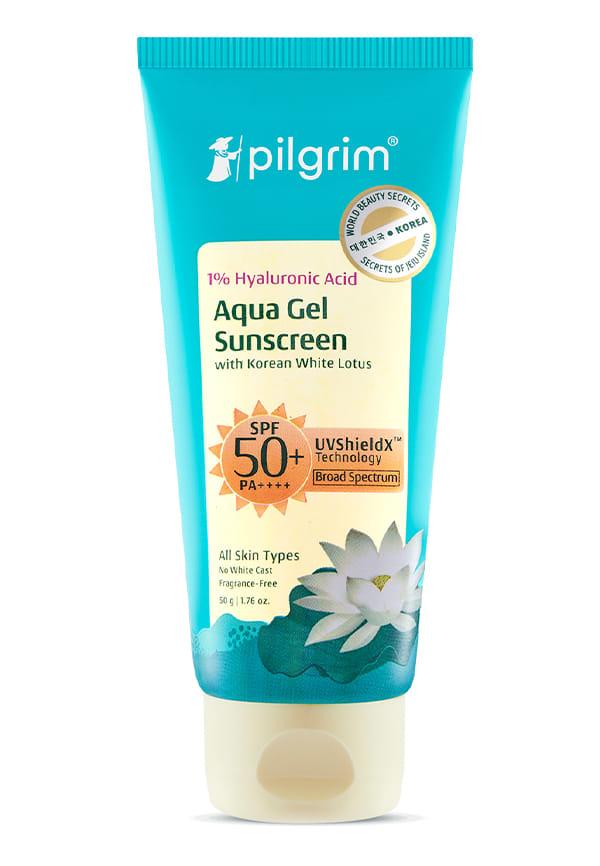
1% Hyaluronic Acid Aqua Sunscreen Gel SPF 50 PA++++
Great Fragrance, No White Cast
 5
5“awesome with very nice fragrance and no white cast”
Best Sunscreen Ever
4“best sunscreen i ever used go for it”
Hydrating Sunscreen
5“Very nice sunscreen keeps my skin hydrated.”
Monsoon season brings relief from scorching summer heat, but for those with oily skin, the increased humidity can feel like a double-edged sword. Your T-zone starts producing more oil than usual, pores appear larger, and that fresh morning glow turns into an unwanted shine by noon. If you've ever wondered why your skincare routine that worked perfectly in winter suddenly feels inadequate during the rainy season, you're not alone. The combination of high humidity, fluctuating temperatures, and increased moisture in the air creates a perfect storm for oily skin concerns. Understanding proper skin care for oily skin in monsoon isn't just about switching products—it's about adapting your entire approach to work with, rather than against, the weather. At Smytten, we've seen countless users discover game-changing products through trial packs that transformed their monsoon skincare routine, proving that the right approach can make all the difference.
Monsoon humidity increases oil production, making oily skin more prone to breakouts and enlarged pores
A proper monsoon routine includes gentle cleansing, lightweight moisturising, and consistent SPF application
Key ingredients like salicylic acid, niacinamide, and tea tree oil help control excess oil without over-drying
Avoid over-cleansing and skipping moisturiser—both mistakes can worsen oiliness during humid weather
Trial-sized products help you find the perfect monsoon routine without committing to full-size purchases
The science behind why oily skin acts up during monsoon is fascinating yet frustrating. When humidity levels rise above 60%, your skin's natural oil production goes into overdrive. This happens because your sebaceous glands interpret the moisture-heavy air as a signal to produce more sebum, thinking your skin needs extra protection.
Your skin contains tiny sensors that detect environmental changes. During monsoon, these sensors pick up increased moisture levels and respond by ramping up oil production. Additionally, the warm, humid air prevents your skin's natural oils from evaporating as quickly as they would in drier conditions. This creates a buildup of sebum on your skin's surface, leading to that persistent greasy feeling that no amount of blotting seems to fix.
Beyond excess oil, monsoon weather brings specific challenges that oily skin types know all too well. Enlarged pores become more noticeable as they fill with a combination of oil, sweat, and environmental pollutants. Breakouts tend to cluster around the T-zone, and that post-gym or post-commute skin congestion feels more intense than usual.
The constant temperature fluctuations between air-conditioned indoor spaces and humid outdoor air confuse your skin's natural regulatory system. Your skin barrier works overtime to maintain balance, often resulting in increased sensitivity alongside the excess oil production. This is why many people notice their skin feeling both oily and irritated during monsoon season.
Creating a morning routine that sets your skin up for success during humid weather requires strategic product selection and timing. The goal is to control oil production without stripping your skin, which would only trigger more sebum production throughout the day.
Start with a gel-based cleanser containing salicylic acid or tea tree oil. These ingredients help dissolve excess oil and prevent pore congestion without over-drying. Look for formulations with 0.5-2% salicylic acid—enough to be effective but gentle enough for daily use. Avoid harsh foaming cleansers that strip your skin, as they'll only encourage more oil production.
A good toner for monsoon should contain niacinamide or witch hazel to minimise pore appearance and control oil production. Apply with a cotton pad or pat gently with clean hands. This step helps remove any remaining impurities and prepares your skin for the next products in your routine.
Never skip moisturiser, even if your skin feels oily. Choose water-based or gel formulations that provide hydration without adding heaviness. Ingredients like hyaluronic acid and glycerin work brilliantly for oily skin in humid weather, drawing moisture from the air while keeping your skin balanced.
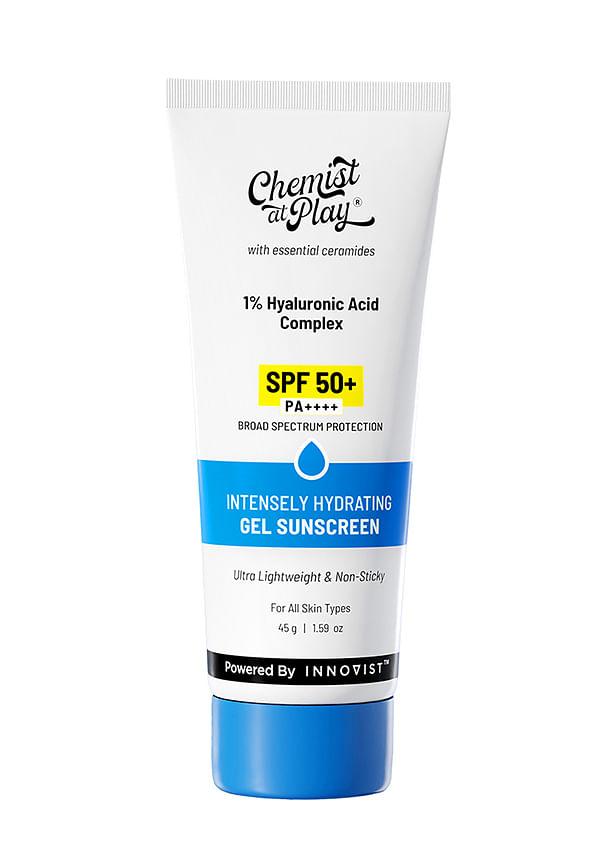
1% Hyaluronic Acid Gel Sunscreen | Intensely Hydrates | SPF 50+
Good product, consistency issues for face
4“good and nice but I use it only on my body due to consistency issues”
Perfect, non-sticky & lightweight
4“it non sticky and it is light weight that every needs, perfect”
Lightweight and Gentle
5“I liked the product 8 on 10 it is very light weight and very gentle”
UV rays penetrate clouds, making SPF non-negotiable during monsoon. Opt for gel-based or fluid sunscreens with broad-spectrum SPF 30 or higher. Modern formulations absorb quickly and won't leave that greasy residue that makes oily skin feel worse.
Managing oily skin during monsoon requires both immediate solutions and long-term strategies. The key is understanding which techniques provide quick relief and which ones help regulate oil production over time.
Salicylic acid remains the gold standard for oily skin, penetrating pores to dissolve oil and prevent congestion. Niacinamide works differently, regulating sebum production at the source. Tea tree oil provides antimicrobial benefits while controlling excess oil, making it particularly useful during humid weather when bacteria thrive.
Blotting papers win for immediate oil removal without disturbing your skincare or makeup underneath. Use them gently—press and lift rather than rubbing. Setting powders work better for prevention, creating a barrier that absorbs oil throughout the day. For best results, use blotting papers first, then dust lightly with powder.
Keep your touch-up routine simple: blot excess oil, mist with a hydrating spray containing niacinamide, and apply a thin layer of gel moisturiser if needed. This prevents the over-drying that often happens when people try to combat oiliness with harsh products throughout the day.
Green tea toners provide antioxidant benefits while controlling oil production. Clay masks once or twice weekly help deep-clean pores without daily irritation. Staying hydrated internally also helps regulate oil production—aim for at least 8 glasses of water daily during monsoon season.
Choosing the right ingredients makes the difference between a routine that works with your skin and one that fights against it. During monsoon, your product selection should focus on oil control, pore refinement, and maintaining your skin barrier.
Salicylic acid excels at preventing blackheads and controlling oil production through gentle exfoliation. Tea tree oil provides antimicrobial benefits and works well for active breakouts. For monsoon skincare, salicylic acid in your cleanser combined with tea tree oil in spot treatments offers comprehensive coverage.
Water-based moisturisers feel lighter and absorb faster, making them ideal for very humid days. Gel moisturisers provide slightly more hydration while still feeling fresh and cooling on the skin. Both work well for oily skin in monsoon—choose based on your skin's specific hydration needs.

SPF 40 Natural Sunscreen with Zinc Oxide, Green Tea & Aloe Vera | Broad Spectrum | No White cast
Niacinamide regulates sebum production and minimises pore appearance, making it perfect for monsoon skincare routines. Vitamin C provides antioxidant protection against environmental damage while brightening skin. Use vitamin C in the morning and niacinamide in the evening for best results.
Look for non-comedogenic, gel-based, or fluid sunscreens with zinc oxide or titanium dioxide. These mineral ingredients provide excellent protection without the heavy feel of chemical sunscreens. Many modern formulations include oil-absorbing ingredients that actually help control shine throughout the day.
Your evening routine should focus on deep cleansing, gentle exfoliation, and overnight repair. This is when your skin does most of its regenerative work, so supporting these natural processes helps maintain balance during challenging weather conditions.
Double cleansing becomes essential during monsoon when your skin accumulates more oil, sweat, and environmental pollutants throughout the day. Start with an oil-based cleanser to dissolve sebum and sunscreen, followed by your regular gel cleanser. This ensures thorough cleansing without over-scrubbing.
Limit exfoliation to 2-3 times weekly during monsoon. Over-exfoliating can irritate skin that's already working hard to maintain balance in humid conditions. Choose gentle chemical exfoliants like salicylic acid over harsh physical scrubs that can damage your skin barrier.
Lightweight serums with niacinamide or hyaluronic acid work well for overnight treatment during monsoon. Avoid heavy creams or oils that might feel suffocating in humid weather. Your skin should feel comfortable and balanced, not tight or greasy, when you wake up.
Clay masks once weekly help draw out impurities and excess oil from pores. Choose kaolin or bentonite clay masks, and always follow with a hydrating toner or serum. This prevents the over-drying that can trigger increased oil production.
Even with the best intentions, certain habits can sabotage your monsoon skincare efforts. Understanding these common mistakes helps you avoid the trial-and-error process that often leads to frustrated, irritated skin.
Washing your face more than twice daily strips your skin's natural protective barrier, triggering increased oil production as your skin tries to compensate. This creates a cycle where your skin feels oilier, so you cleanse more, which makes it produce even more oil. Stick to morning and evening cleansing for best results.
This is perhaps the biggest mistake people with oily skin make during monsoon. Skipping moisturiser doesn't reduce oil production—it actually increases it. Your skin interprets the lack of surface hydration as a signal to produce more sebum. Always use a lightweight, appropriate moisturiser.
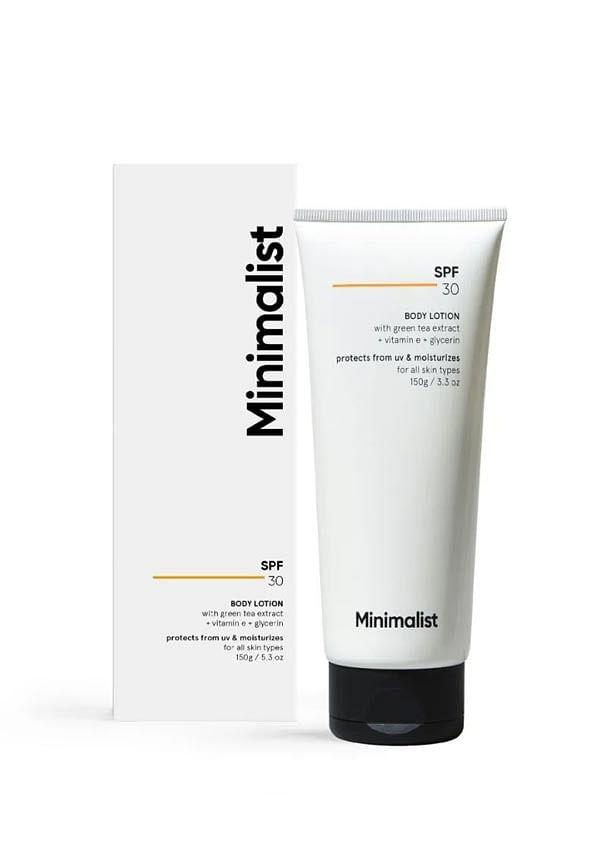
SPF 30 Body Lotion With Vitamin E, Gylcerin & Green Tea Extract
Good Delivery & Experience
5“delivery boy good and my experience is good with good”
Good & Genuine Product
5“very good product thankyou smytten for genuine products”
Excellent Product Quality
5“Good excellent product quality”
Using multiple drying products simultaneously can backfire spectacularly. Combining salicylic acid cleansers with alcohol-based toners and clay masks daily will irritate your skin and increase oil production. Build your routine gradually and give your skin time to adjust to new products.
External skincare only addresses part of the equation. Poor sleep, dehydration, and high-sugar diets can all increase oil production. During monsoon, focus on staying hydrated, getting adequate sleep, and eating foods rich in omega-3 fatty acids to support your skin from within.
Twice daily is optimal—morning and evening. Over-cleansing can trigger more oil production and irritate your skin barrier, which is already working hard during humid weather.
Absolutely yes. Even oily skin needs hydration, especially during monsoon when humidity levels fluctuate. Choose water-based or gel formulations that provide moisture without heaviness.
Look for gel-based cleansers with 0.5-2% salicylic acid or tea tree oil. These ingredients help control oil production and prevent pore congestion without over-drying your skin.
Never skip SPF. UV rays penetrate clouds and can cause damage even on overcast days. Choose lightweight, gel-based formulations that won't feel heavy in humid weather.
Smytten's trial packs let you test different cleansers, moisturisers, and treatments before committing to full sizes. This is especially valuable during monsoon when your skin's needs might change, allowing you to discover what works without waste.
Proper skin care for oily skin in monsoon requires a balanced approach that works with your skin's natural processes rather than against them. The key is understanding that increased humidity triggers more oil production, so your routine should focus on gentle control rather than aggressive stripping. A morning routine with salicylic acid cleanser, lightweight moisturiser, and broad-spectrum SPF sets the foundation for success. Evening care should emphasise thorough but gentle cleansing and overnight repair with ingredients like niacinamide. Remember that consistency matters more than perfection—stick to your routine and give products time to work. Most importantly, never skip moisturiser or SPF, even when your skin feels oily. These steps maintain your skin barrier and prevent the overproduction of oil that comes from dehydrated skin.
Finding the perfect monsoon skincare routine doesn't have to involve expensive mistakes or cupboards full of products that didn't work. Smytten is India's largest product discovery and trial platform, connecting consumers with top lifestyle, beauty, wellness, and grooming brands through curated trial packs. With mini-sized products from over 2,400 trusted brands such as Cetaphil, Dot & Key, WishCare, and Bella Vita, you can explore and experience products before committing to full-size purchases. Each mini is linked with Trial Points, and users can get up to 10 Trial Points for just ₹279, plus Smytten offers 100% cashback on the purchase of these minis, redeemable in the shop section for future orders. This makes discovering your perfect monsoon routine both affordable and rewarding. With over 28 million users and 100 million trial minis delivered across 90% pin code coverage, Smytten helps you make smarter, more confident choices. After all, why settle for 'maybe' when you can #TryItAll and find exactly what your skin needs during monsoon season!
