How to Get Hydrating Face Moisturizer Right

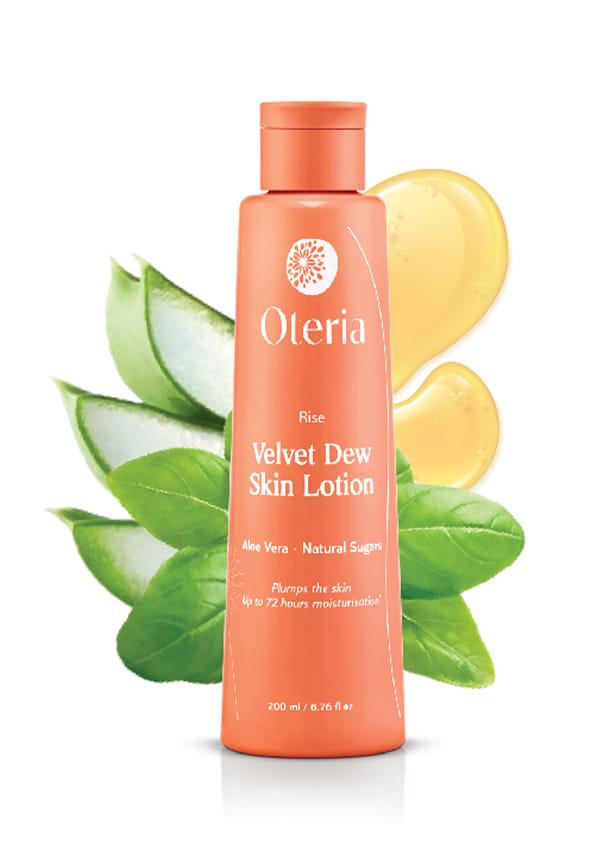
Velvet Dew Skin Lotion
Let's be real—finding the right hydrating face moisturizer can feel like searching for a needle in a haystack. One day your skin feels plump and glowing, the next it's crying out for moisture despite slathering on what you thought was the perfect cream. The truth is, getting your face moisturizer game right isn't just about picking the prettiest jar on the shelf. It's about understanding what your skin actually needs, when it needs it, and how to give it exactly that. Whether you're dealing with dry patches, oily zones, or that tricky combination situation, the right approach to skin hydration can transform your complexion from meh to absolutely radiant. Ready to crack the code on hydrating skincare that actually works?
Before diving into product recommendations, let's talk about what's actually happening beneath the surface. Your skin is basically a complex ecosystem that's constantly working to maintain balance, and hydration plays a starring role in keeping everything functioning smoothly.
Think of your skin barrier as your body's natural bouncer—it decides what gets in and what stays out. When this barrier is healthy, it locks in moisture and keeps irritants at bay. But when it's compromised, water escapes faster than you can say "dehydrated," leaving you with that tight, uncomfortable feeling. Here's what's really happening: your skin contains natural moisturising factors (NMFs) that help retain water. These include amino acids, urea, and lactic acid. When these levels drop, your skin starts sending SOS signals in the form of flakiness, dullness, or even increased oil production.
Not all skin is created equal, and your moisturizer for face needs to match your skin's personality. Dry skin craves rich, occlusive ingredients that create a protective seal. Oily skin might seem like it doesn't need moisture, but it actually requires lightweight hydration to prevent overproduction of sebum. Combination skin is the trickiest—your T-zone might be producing enough oil to fry chips, whilst your cheeks are begging for moisture. Sensitive skin needs gentle, fragrance-free formulas that won't trigger irritation or redness.
Ingredient lists can look like chemistry homework, but knowing which ones actually work can save you from countless disappointing purchases. The best face moisturizer for your skin will contain a mix of humectants, emollients, and occlusives.
Hyaluronic acid is the hydration hero everyone's talking about, and for good reason. This molecule can hold up to 1,000 times its weight in water, making it perfect for plumping up thirsty skin. Look for it in serums or lightweight gels if you have oily skin, or in richer creams if you're dealing with dryness. Ceramides are like the mortar between bricks in your skin barrier. They help seal in moisture and protect against environmental damage. A facial moisturizer with ceramides is particularly brilliant for anyone with compromised or sensitive skin. Glycerin is an old-school ingredient that's stood the test of time. It draws moisture from the environment into your skin, making it perfect for a daily moisturizer that works in most climates. Niacinamide is the multitasker of skincare ingredients. It helps regulate oil production, reduces inflammation, and supports the skin barrier—making it ideal for combination or acne-prone skin.
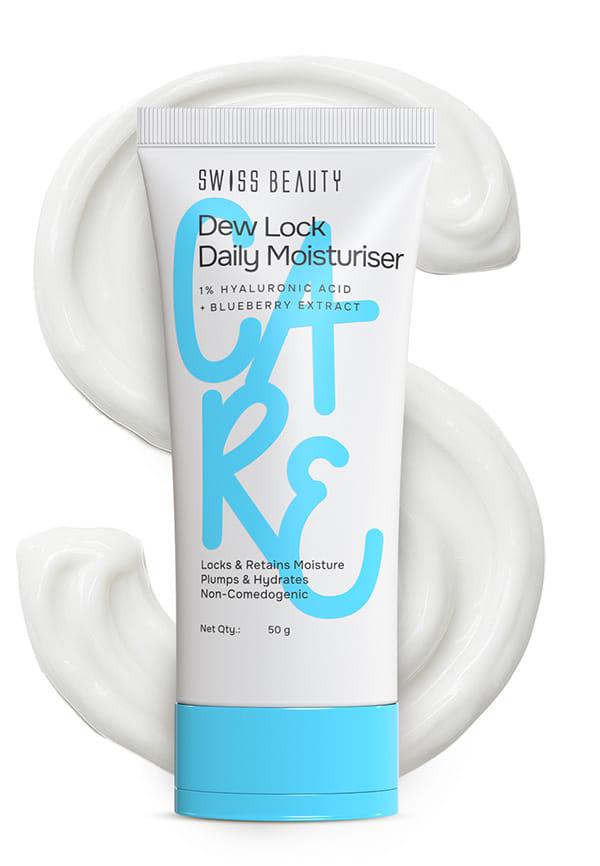
Dew Lock Daily Moisturiser
Good Product, Will Reorder
 4
4“good in use I like it ... onces to try again”
Strong fragrance
5“ok but too much fregrance too much”
Good, needs more fragrance
4“good but a little more fragrance”
Some ingredients can actually work against your hydration goals. Alcohol-based formulas can be drying, especially for sensitive skin types. Heavy fragrances might smell lovely, but they can cause irritation and compromise your skin barrier. Comedogenic ingredients like coconut oil or cocoa butter might clog pores if you're prone to breakouts. Always check labels if you have oily or acne-prone skin.
Texture matters more than you might think. The right formula can make the difference between a hydrating moisturizer that sinks in beautifully and one that sits on top of your skin like a greasy film.
Gel moisturizers are your best friend if you have oily or combination skin. They provide hydration without the heavy feel, and many contain hyaluronic acid for that plumping effect. Perfect for hot, humid weather or if you're layering under makeup. Cream moisturizers are the go-to for dry skin types. They're typically richer in emollients and occlusives, creating a protective barrier that prevents water loss. Look for ingredients like shea butter, ceramides, or squalane. Lotion formulas sit somewhere in the middle—lighter than creams but more substantial than gels. They're brilliant as a daily moisturizer for normal to slightly dry skin types.
If anti-ageing is your priority, look for moisturizers with peptides, retinol, or vitamin C. These ingredients work alongside hydrating components to address multiple concerns at once. Acne-prone skin needs non-comedogenic formulas that won't clog pores. Ingredients like niacinamide and salicylic acid can actually help whilst providing hydration. Sensitive skin requires gentle, fragrance-free formulations. Look for soothing ingredients like aloe vera, chamomile, or colloidal oatmeal.
Even the most expensive face cream won't work if you're not applying it correctly. Proper technique can maximise absorption and effectiveness, giving you better results from whatever product you choose.
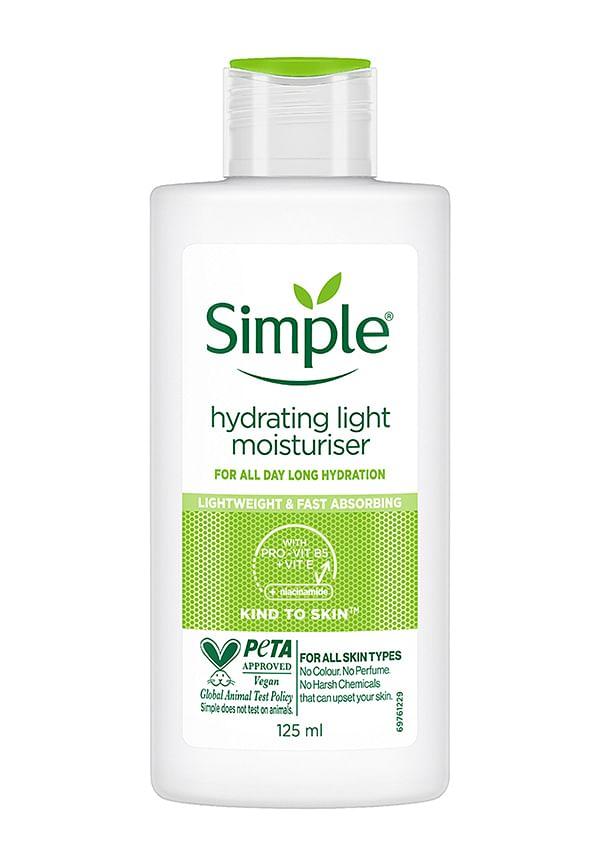
Kind To Skin Hydrating Light Moisturiser
Best Moisturizer for Oily/Combination Skin
5“best moisturizer ever for oily and combination skin plus budget friendly”
Good for Skin
5“i used it before was good for skin”
Good for Skin
5“i used it before was good for skin”
Start with clean, slightly damp skin—this helps lock in extra moisture. Use about a pea-sized amount for your entire face, warming it between your palms before gently pressing into skin. Don't forget your neck and décolletage—they need love too. Timing is everything in skincare. Apply your morning moisturizer for face after serums but before SPF. Evening application should be the last step in your routine, allowing the product to work overnight without interference.
Your AM routine should focus on protection and lightweight hydration. A gel or lotion formula works well under makeup and SPF. Your PM routine is when you can go heavier with rich creams or treatments that repair and regenerate whilst you sleep. Weekly treatments like hydrating masks can give your skin an extra boost. Look for sheet masks with hyaluronic acid or overnight masks that work whilst you catch up on sleep.
Even skincare enthusiasts make mistakes that can sabotage their hydrating skincare efforts. Recognising these common pitfalls can help you get better results from your routine.
Using too much product doesn't equal better results—it can actually prevent proper absorption and waste your precious face moisturizer. Start with less and build up if needed. Timing mistakes are surprisingly common. Applying moisturizer to completely dry skin reduces absorption, whilst waiting too long between skincare steps can reduce effectiveness. Mixing certain ingredients can cause irritation or reduce effectiveness. For example, vitamin C and retinol shouldn't be used together, and some acids can destabilise other active ingredients.
Choosing products based on marketing claims rather than ingredients is a recipe for disappointment. Learn to read labels and understand what your skin actually needs rather than falling for flashy packaging. Ignoring seasonal changes is another common mistake. Your skin's needs shift with weather, humidity, and temperature changes. What works in summer might leave you feeling tight and uncomfortable in winter. With over 1,500 trusted brands available on platforms like Smytten, you can actually try different formulations before committing to full sizes. This approach lets you test how your skin responds to different ingredients and textures without the financial risk of buying products that might not work for you.
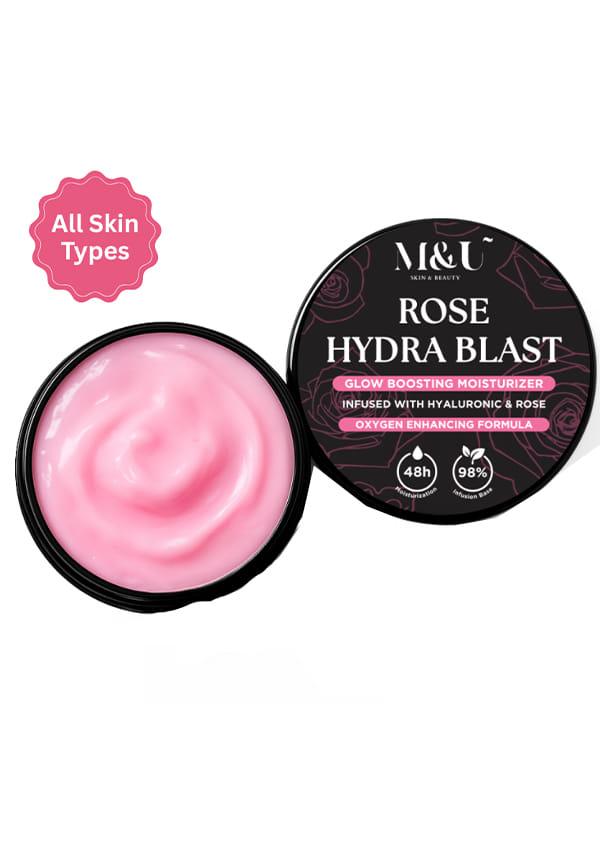
Rose Hydra Blast Moisturizer for glowing and Hydrated skin
A truly hydrating face moisturizer contains a combination of humectants (like hyaluronic acid), emollients (like ceramides), and occlusives (like dimethicone) that work together to attract, retain, and seal in moisture.
Your skin should feel comfortable throughout the day without tightness, flaking, or excess oiliness. You might notice improved texture, reduced fine lines, and a healthy glow after 4-6 weeks of consistent use.
Whilst you can use the same product twice daily, many people benefit from a lighter daily moisturizer in the morning and a richer formula at night when skin goes into repair mode.
Absolutely. Your skin's hydration needs change with humidity, temperature, and environmental factors. A lightweight gel might work perfectly in summer, whilst winter might call for a richer moisturizer for dry skin.
Give any new facial moisturizer at least 4-6 weeks to show results. However, if you experience irritation, breakouts, or worsening dryness, discontinue use immediately.
Not necessarily. Many affordable options contain the same effective ingredients as luxury brands. Focus on finding formulations with proven hydrating ingredients that work for your skin type rather than price point.
Getting your hydrating face moisturizer routine right is about understanding your skin's unique needs and finding products that deliver consistent results. The journey to perfect skin hydration isn't always straightforward, but with the right knowledge and approach, you can build a routine that keeps your complexion healthy and glowing. Remember, what works for your friend might not work for you, and that's completely normal. Your skin is as individual as you are, with its own preferences and requirements. The key is to experiment thoughtfully, pay attention to how your skin responds, and adjust your routine as needed. Smytten makes this experimentation process much easier and more affordable. With trial packs from over 1,500 trusted brands, you can test different face moisturizers and hydrating skincare products without committing to full sizes. This approach lets you discover what truly works for your skin whilst building confidence in your choices. After all, why settle for maybe when you can try it all and find your perfect match?
