How to Get Even Skin Tone in India: A Complete Guide


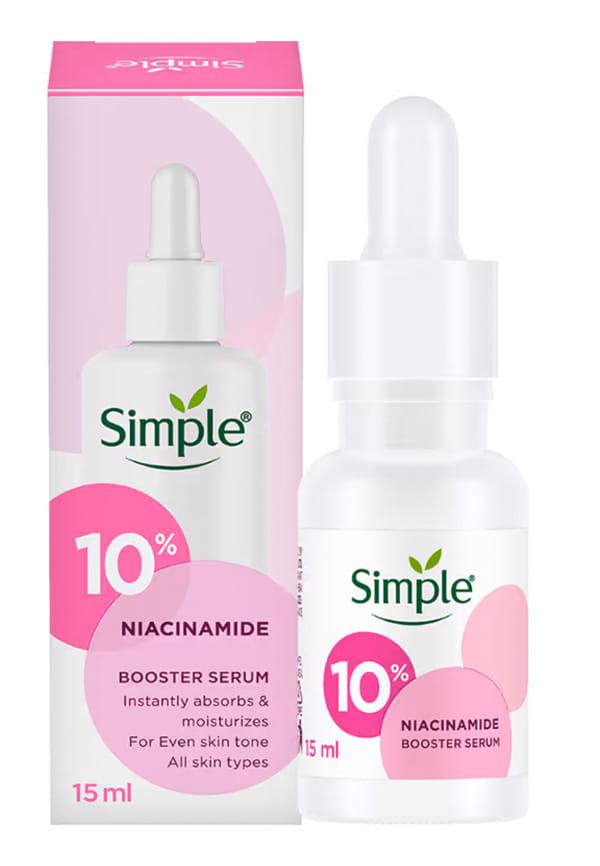
Booster Serum 10% Niacinamide For Even Skin Tone
Getting even skin tone in India isn't just about finding the right products—it's about understanding how our unique climate, genetics, and lifestyle affect our skin. Between the harsh UV rays, pollution, and humidity, Indian skin faces specific challenges that require targeted solutions. Whether you're dealing with dark spots from acne, melasma from hormonal changes, or general skin discoloration, the good news is that achieving radiant, uniform skin is totally doable. Let's dive into everything you need to know about how to get even skin tone in India, from tried-and-tested natural remedies to modern skincare science.
Before jumping into solutions, it's worth understanding why uneven skin texture and pigmentation issues are so common in India. Our skin is constantly battling environmental stressors that can trigger melanin overproduction, leading to those frustrating dark patches and dull complexion.
The Indian climate is pretty intense on our skin. High UV exposure throughout the year means our melanocytes (pigment-producing cells) are working overtime. Add pollution to the mix, and you've got a recipe for skin discoloration. The combination of dust, smoke, and harmful particles can clog pores and create inflammation, which often leads to post-inflammatory hyperpigmentation.
Humidity and heat also play their part. When we sweat more, our skin becomes more prone to bacterial growth and inflammation. Seasonal changes, especially the transition from monsoon to winter, can leave skin looking patchy and uneven.
Indian skin naturally produces more melanin, which is brilliant for sun protection but can also mean we're more prone to hyperpigmentation. Hormonal fluctuations during pregnancy, periods, or stress can trigger melasma—those stubborn brown patches that love to appear on the face.
Your lifestyle choices matter too. Poor sleep, high stress levels, and a diet lacking in antioxidants can all contribute to dull, uneven skin. Even habits like touching your face frequently or not changing pillowcases regularly can worsen skin tone issues.
Creating the best skincare routine for even skin tone doesn't have to be complicated. The key is consistency and using products that work well with Indian skin types. Here's what actually works for skin tone correction.
Start with a gentle cleanser that won't strip your skin's natural oils. Look for ingredients like salicylic acid or glycolic acid if you're dealing with texture issues. Follow up with a vitamin C serum—this powerhouse ingredient helps brighten skin and protect against environmental damage.
Never skip sunscreen. This is non-negotiable if you want even skin tone. Choose a broad-spectrum SPF 30 or higher that works under makeup. Reapply every 2-3 hours, especially if you're outdoors.
Double cleansing is your friend, especially if you wear makeup or live in a polluted city. Start with an oil-based cleanser, then follow with your regular face wash. This ensures all the grime and makeup are properly removed.
Exfoliate 2-3 times a week using either a gentle physical scrub or chemical exfoliants like AHA or BHA. This helps remove dead skin cells and allows your other products to penetrate better. Finish with a good moisturiser to keep your skin barrier healthy.
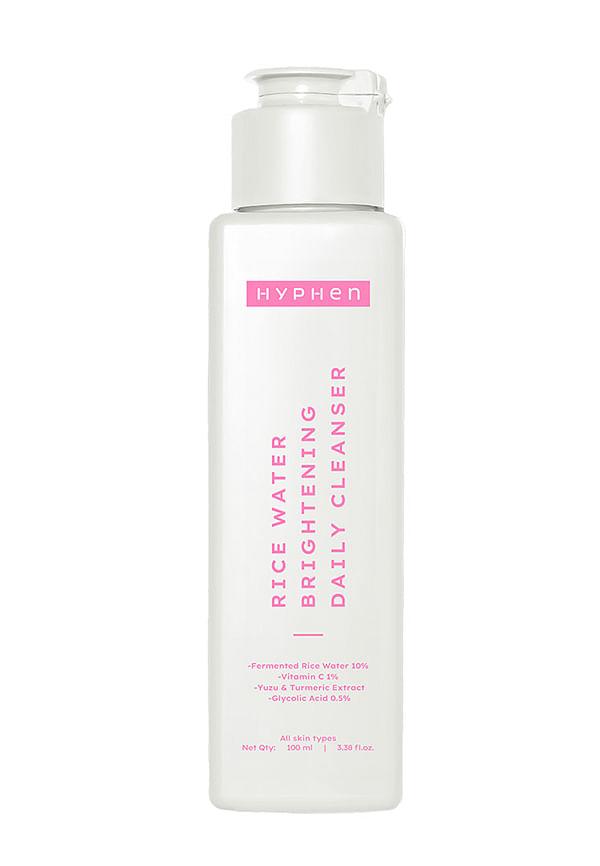
Rice Water Brightening Daily Cleanser | Brightens Skin, Reduces Dark Spots
Sometimes the best solutions are sitting right in your kitchen. These natural remedies for even skin have been used for generations and actually have science backing them up.
Turmeric is probably the most famous Indian skincare ingredient, and for good reason. Mix turmeric powder with milk or yoghurt to create a paste that can help reduce inflammation and brighten skin. Just be careful with the quantity—too much can temporarily stain your skin yellow.
Sandalwood powder mixed with rose water makes an excellent face mask for skin brightening. Sandalwood has anti-inflammatory properties, while rose water helps balance pH and provides gentle hydration.
Neem leaves, either as a paste or neem oil, can help with acne-related pigmentation. Combine with honey for added antibacterial benefits and moisture.
Oatmeal mixed with tomato juice creates a gentle exfoliating mask that can help with uneven skin texture. The lactic acid in tomatoes provides mild chemical exfoliation, while oatmeal soothes irritated skin.
A simple lemon and honey mask can work wonders for pigmentation removal, but use it sparingly. Lemon contains vitamin C and citric acid, which can help lighten dark spots, but it can also make your skin photosensitive.
Fresh aloe vera gel is perfect for soothing inflamed skin and providing hydration without clogging pores. It's especially helpful if you're dealing with post-acne marks.
When home remedies aren't cutting it, professional hyperpigmentation treatment options can provide faster, more dramatic results. Here's what dermatologists in India typically recommend for skin brightening and pigmentation removal.
Chemical peels are quite popular for treating uneven skin tone. Light peels using glycolic acid or lactic acid can be done regularly, while deeper peels with TCA (trichloroacetic acid) provide more dramatic results but require longer downtime.
Microdermabrasion is another option that works well for surface-level pigmentation and texture issues. It's like a more intense version of exfoliation that removes the top layer of dead skin cells.
Laser treatments, including Q-switched lasers and IPL (Intense Pulsed Light), can target specific pigmented areas. These treatments are more expensive but often provide the most dramatic results for stubborn dark spots.
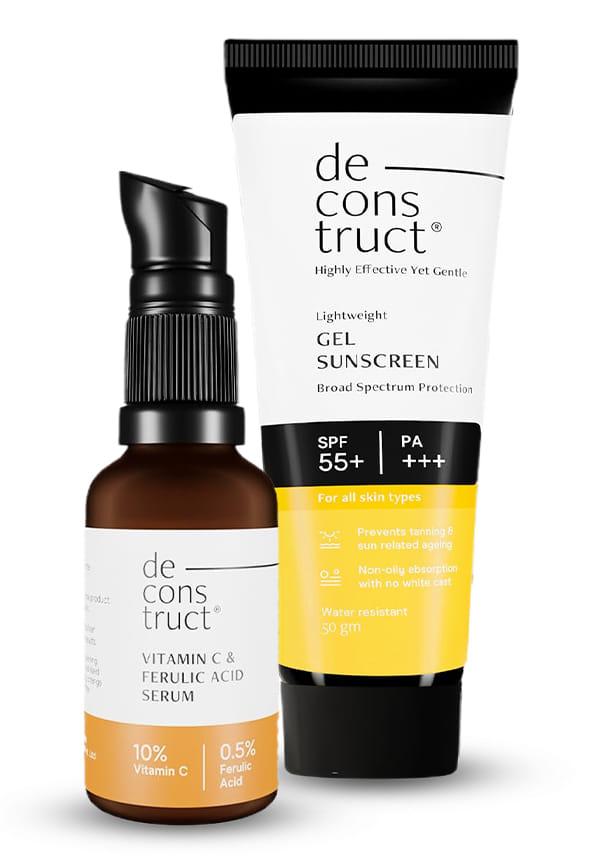
Ultimate Skin Protection & Glow Kit
Always consult with a qualified dermatologist before starting any professional treatment. They can assess your skin type, the severity of pigmentation, and recommend the most suitable option for your budget and lifestyle.
Most treatments require multiple sessions, so factor in both time and cost. Post-treatment care is crucial—you'll need to be extra diligent about sun protection and follow specific aftercare instructions.
Understanding which ingredients actually work for skin tone correction can help you make smarter product choices. Here are the science-backed actives that dermatologists swear by for achieving even skin tone.
Vitamin C is a must-have for anyone serious about skin brightening. It inhibits melanin production, provides antioxidant protection, and helps fade existing dark spots. Look for stable forms like magnesium ascorbyl phosphate or sodium ascorbyl phosphate.
Azelaic acid is brilliant for both acne and pigmentation. It's gentler than other acids, making it suitable for sensitive Indian skin types. It helps normalise skin cell turnover and has anti-inflammatory properties.
Niacinamide (vitamin B3) is excellent for improving skin texture and reducing the appearance of dark spots. It also helps regulate oil production and strengthens the skin barrier.
Retinoids, including retinol and prescription tretinoin, accelerate cell turnover and help fade pigmentation over time. Start slowly to avoid irritation, especially if you have sensitive skin.
Always patch test new products, especially actives. Apply a small amount to your inner arm and wait 24-48 hours to check for reactions. Indian skin can be quite reactive, so it's better to be cautious.
Introduce new actives gradually. Start with using them once or twice a week, then slowly increase frequency as your skin builds tolerance. Never use multiple strong actives at once—this can lead to irritation and worsen pigmentation.
Achieving even skin tone isn't just about what you put on your skin—it's also about how you treat your body overall. These lifestyle tweaks can significantly impact your skin's appearance and health.
Load up on antioxidant-rich foods like berries, green leafy vegetables, and nuts. These help fight free radical damage that can worsen pigmentation. Vitamin C-rich foods like amla, citrus fruits, and bell peppers support your skin's natural repair processes.
Drink plenty of water—aim for at least 8-10 glasses daily. Proper hydration helps your skin maintain its elasticity and supports the natural detoxification process. Green tea is also excellent for its anti-inflammatory properties.
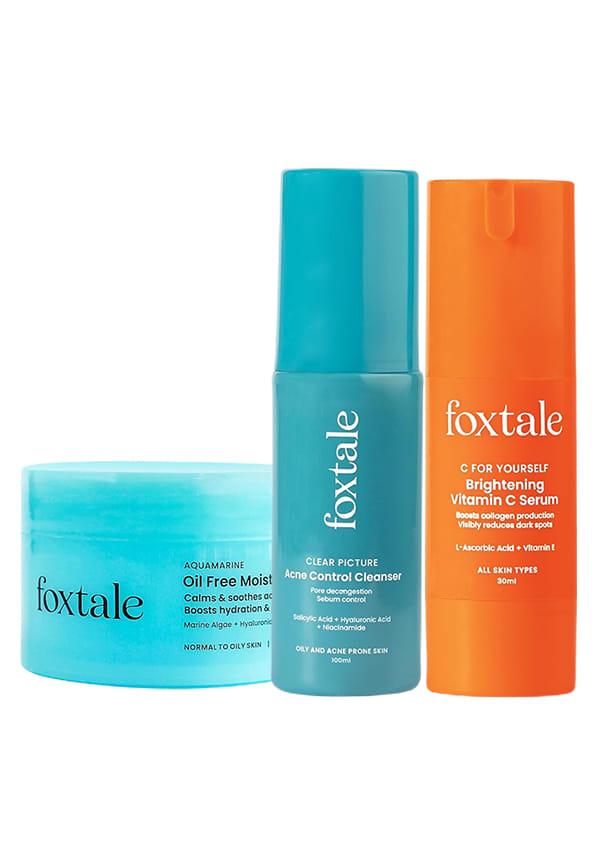
Flawless Skin Favourites
Limit processed foods, excess sugar, and dairy if you notice they trigger breakouts. These can increase inflammation in the body, which often shows up as skin issues.
Quality sleep is when your skin does most of its repair work. Aim for 7-8 hours of good sleep each night. Poor sleep can increase cortisol levels, which can worsen pigmentation and slow down healing.
Find healthy ways to manage stress—whether it's yoga, meditation, or just taking regular walks. Chronic stress can trigger hormonal imbalances that directly impact your skin's appearance.
Regular exercise improves blood circulation, which helps deliver nutrients to your skin cells and remove toxins. Just remember to cleanse your face after sweating to prevent clogged pores.
Most people start seeing improvements in 4-6 weeks with consistent skincare routine. Natural remedies might take 8-12 weeks, while professional treatments can show results in 2-4 weeks. Remember, patience is key—rushing the process often leads to irritation and setbacks.
Stick to products with proven safe ingredients like vitamin C, niacinamide, and azelaic acid. Avoid products containing hydroquinone, mercury, or steroids, which can cause serious side effects. Always buy from reputable brands and consult a dermatologist if you're unsure.
Home remedies work well for mild pigmentation and maintenance, but severe cases often need professional intervention. Combining both approaches usually gives the best results—professional treatments for faster improvement and home care for maintenance.
Sunscreen, hands down. Daily broad-spectrum SPF 30+ protection prevents new pigmentation and stops existing dark spots from getting darker. It's the most cost-effective way to maintain even skin tone long-term.
Take photos in consistent lighting every 2 weeks to track progress. Look for gradual fading of dark spots, improved skin texture, and overall brightness. If you experience irritation, redness, or worsening pigmentation, stop using the product immediately.
Getting even skin tone in India requires a combination of the right products, consistent routine, and realistic expectations. Whether you choose natural remedies, professional treatments, or a mix of both, the key is finding what works for your specific skin type and lifestyle. Remember, achieving radiant skin is a journey, not a destination—and every small step counts.
If you're looking to explore different skincare products without the commitment of full-size purchases, platforms like Smytten make it easier to discover what works for your skin. With curated trial packs from trusted brands like Cetaphil and Dot & Key, you can test various skin tone correction products before investing in full sizes. After all, why settle for 'maybe' when you can try it all and find your perfect match for achieving that coveted even skin tone?
