How to Get a Flawless Complexion with Foundation: Application Tips

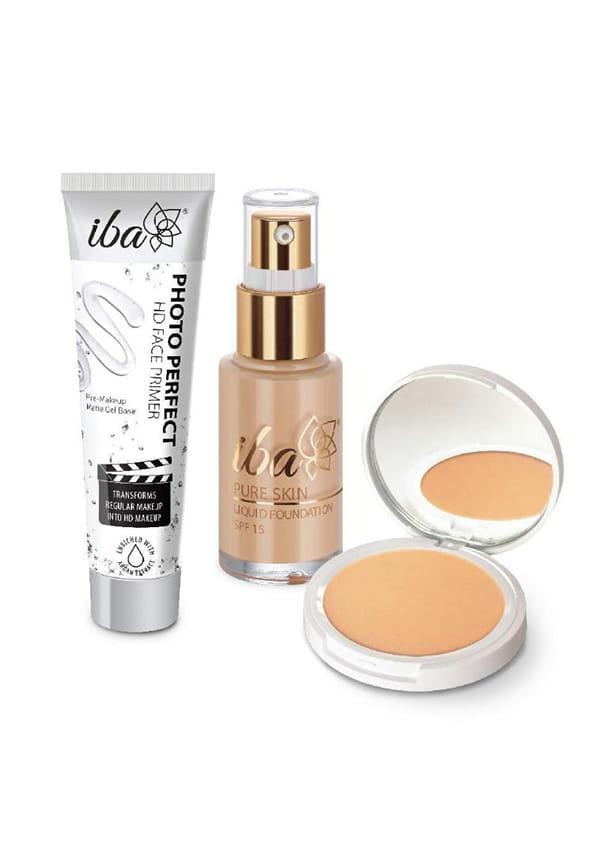
Perfect Base Primer + Foundation + Compact Combo
Loved product quality
 5
5“really love this product and the quality 👍🫶🫶🫶go for it”
Shade too light
5“the shade is light looking horrible”
Excellent Product
5“very good very very nice product”
That moment when you catch your reflection and think "my foundation looks absolutely perfect today" – we've all been there, and we've all wondered how to recreate that magic consistently. The truth is, achieving a flawless complexion with foundation isn't just about the product you choose; it's about mastering the entire process from skincare prep to application technique. Whether you're dealing with uneven skin tone, texture concerns, or simply want that airbrushed finish you see on social media, the secret lies in understanding your skin's needs and applying foundation in a way that enhances rather than masks your natural beauty. At Smytten, we've seen countless users discover their perfect foundation match through trial packs, and the transformation stories never get old. Real talk: flawless foundation application is a skill that improves with practice, the right techniques, and most importantly, products that actually work for your unique skin type.
TL;DR
Proper skincare prep (cleansing, moisturising, priming) creates the foundation for flawless application
Choose foundation formula based on your skin type and desired coverage level
Apply in thin layers using stippling motions with damp tools for seamless blending
Set strategically with powder and setting spray for long-lasting, natural-looking coverage
Common mistakes include wrong shade matching, applying too much product, and skipping primer
Your foundation is only as good as the canvas underneath, and that canvas needs proper preparation. Think of skincare as the invisible foundation that makes everything else possible – when your skin is properly cleansed, hydrated, and primed, even budget-friendly foundations can look expensive.
Start with a gentle cleanser that removes overnight buildup without stripping your skin. For oily skin, a foaming cleanser works brilliantly, while dry skin benefits from cream or oil-based formulas. The key is thorough but gentle cleansing – you want clean skin, not tight or irritated skin.
Weekly exfoliation is your secret weapon for smooth foundation application. Dead skin cells create texture that foundation clings to unevenly, resulting in that patchy, cakey look nobody wants. Use a gentle chemical exfoliant with AHAs or BHAs 2-3 times weekly, or a physical scrub once weekly if your skin tolerates it well.
This step is non-negotiable, even for oily skin. The best foundation for clear skin starts with properly hydrated skin that doesn't feel the need to overproduce oil or flake from dryness. Choose your moisturiser based on your skin type: lightweight, gel-based formulas for oily skin, and richer creams for dry skin.
Wait 5-10 minutes after moisturising before applying primer or foundation. This allows your skincare to absorb properly and prevents your foundation from sliding around or mixing with your moisturiser in an unpleasant way.
Primer creates that smooth, grippy base that helps foundation adhere evenly and last longer. For a foundation for poreless look, choose a pore-filling primer with silicones. If you have dry skin, opt for a hydrating primer, and for oily skin, go for mattifying formulas.
Apply primer in thin layers, focusing on areas where you typically see foundation fade first – usually the T-zone, around the nose, and any textured areas. Don't forget to match your primer base to your foundation base: silicone primers work best with silicone foundations, while water-based primers pair with water-based foundations.
Now comes the main event – applying your foundation in a way that looks like your skin, but better. The goal isn't to create a mask; it's to even out your complexion while maintaining that natural, skin-like finish that makes people wonder if you're even wearing makeup.
The best foundation for clear skin depends entirely on your skin type and lifestyle. Oily skin thrives with matte, oil-free formulas that control shine throughout the day. Dry skin needs hydrating foundations with a natural or dewy finish. Combination skin often does well with satin-finish foundations that balance both concerns.
Coverage levels matter too. Light coverage evens out minor imperfections while letting your natural skin show through. Medium coverage handles most blemishes and discolouration, while full coverage is perfect for special occasions or when you want that flawless, editorial finish.
Here's how to apply foundation naturally: forget everything you've seen about dotting foundation all over your face. Instead, apply a small amount to the back of your hand, then pick up product with your chosen tool. Damp beauty sponges give the most natural finish, dense brushes provide more coverage, and clean fingers work surprisingly well for sheer application.
Use stippling motions rather than rubbing or dragging. Press the foundation into your skin, working in small sections from the centre of your face outward. This technique ensures even distribution and prevents streaking or patchiness.
The biggest mistake? Applying too much product at once. Foundation should be built gradually – you can always add more, but removing excess is much harder. Another common error is not blending the edges properly, which creates obvious makeup lines around your hairline and jawline.
Temperature matters too. Cold tools and products don't blend as seamlessly, so let your foundation come to room temperature before application. And please, don't apply foundation to dirty tools – this leads to streaky application and potential breakouts.
Once you've mastered the basics, these advanced techniques will take your foundation game to the next level. These are the professional secrets that create that coveted airbrushed finish without looking overdone or artificial.
Finding the perfect foundation for even skin tone starts with understanding your undertones. Cool undertones have pink or blue hints, warm undertones lean yellow or golden, and neutral undertones are a balanced mix. Test foundation on your jawline in natural light – the right shade should disappear into your skin.
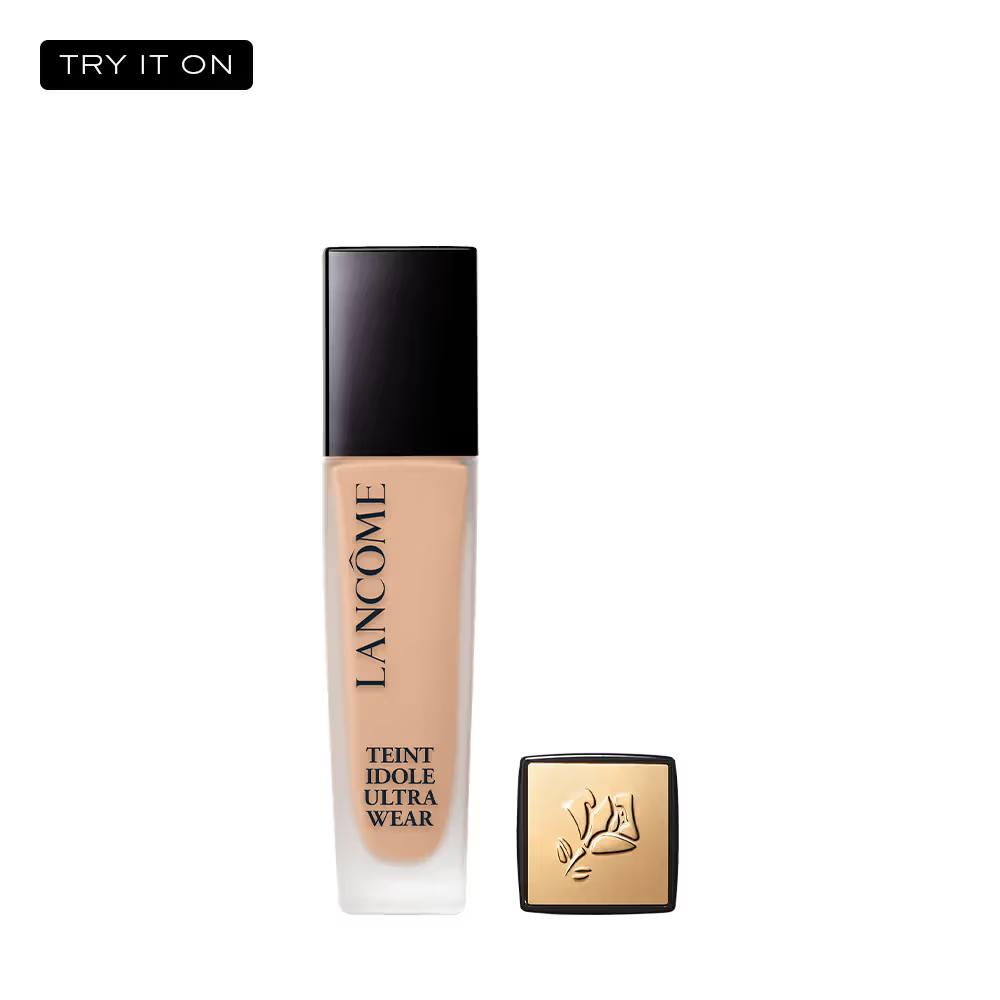
Don't be afraid to mix two shades if you can't find your perfect match. Many people need different shades seasonally, going slightly deeper in summer and lighter in winter. The Lancôme Teint Idole Ultra Wear Foundation offers an impressive shade range with options for various undertones, making it easier to find that perfect match that truly disappears into your skin for up to 24 hours of comfortable wear.
The secret to makeup techniques for smooth skin lies in the thin layer methodology. Apply your first layer focusing on overall evening of skin tone. Let it set for a minute, then assess where you need additional coverage. Build up gradually in areas that need it rather than applying thick coverage everywhere.
For blemishes and dark spots, use a small brush to press foundation into these areas after your base layer. This targeted approach gives you full coverage where needed while maintaining a natural finish everywhere else.
Setting your foundation properly is crucial for longevity. Use a light dusting of translucent powder on oily areas like the T-zone, but avoid over-powdering, which can look cakey. For foundation secrets for flawless finish, try the "baking" technique: apply slightly more powder to areas prone to creasing, let it sit for 5 minutes, then brush away the excess.
Finish with a setting spray held at arm's length, misting evenly across your face. This helps meld all your layers together for a seamless, natural finish that lasts all day.
The right tools can make even an average foundation look amazing, while the wrong tools can make expensive foundation look patchy and uneven. Investing in quality application tools is just as important as choosing the right foundation formula for your skin type.
Beauty sponges are perfect for natural, skin-like finishes. Always use them damp – this prevents the sponge from absorbing too much product and helps with seamless blending. Replace them regularly to avoid bacterial buildup.
Foundation brushes come in various shapes for different techniques. Flat brushes work well for initial application, stippling brushes are excellent for building coverage, and buffing brushes create that airbrushed finish. Dense, synthetic bristles work best with liquid foundations.
For makeup for perfect complexion, layer your products strategically. Apply foundation first, then concealer on top – this prevents you from accidentally wiping away your concealer while blending foundation. If mixing foundations for custom coverage, ensure they have the same base (water or silicone) for proper blending.
Consider your entire face when choosing products. Your foundation, concealer, and powder should all work harmoniously together, not fight each other for space on your skin.
Even with perfect technique, foundation problems can arise. Understanding why these issues occur and how to fix them will save you from makeup meltdowns and help you achieve consistently beautiful results.
Foundation separation usually happens when your skincare and foundation bases don't mix well, or when your skin is too oily or dry. If this happens mid-day, gently blot with a tissue, then press a damp sponge over the area to re-blend.
Prevention is better than cure: ensure your skincare is fully absorbed before foundation application, and use products with compatible bases. If your foundation consistently separates, it might be the wrong formula for your skin type.
Large pores and fine lines can be tricky, but the right technique helps. Use a pore-filling primer and apply foundation with pressing motions rather than rubbing. For dry patches, ensure you're properly moisturised and consider using a hydrating foundation or mixing a drop of facial oil into your foundation.
If your foundation looks too matte or too dewy, you can adjust the finish. Add a drop of facial oil for more glow, or dust with translucent powder for a more matte appearance.
The key is using less product and building coverage gradually. Start with a thin layer, blend thoroughly, then add more only where needed. Use a damp beauty sponge for the most natural finish, and ensure your skincare is properly absorbed before application. Also, choose the right formula for your skin type – oily skin needs matte foundations, while dry skin needs hydrating formulas.
Patchy foundation usually results from incompatible product bases, insufficient blending, or applying too much product at once. Ensure your primer and foundation have compatible bases (both silicone or both water-based), blend in small sections using stippling motions, and build coverage gradually rather than applying thick layers.
Test foundation on your jawline in natural light – the right shade should disappear into your skin. Consider your undertones: cool (pink/blue), warm (yellow/golden), or neutral (balanced). Many people need different shades seasonally, so don't be afraid to mix two shades or try trial sizes through platforms like Smytten before committing to full-size products.
Light coverage evens out minor imperfections while letting your natural skin show through – perfect for everyday wear. Medium coverage handles most blemishes and discolouration while still looking natural. Full coverage provides maximum coverage for special occasions or when you want that flawless, editorial finish, but requires careful application to avoid looking heavy.
Achieving a flawless complexion with foundation is absolutely possible when you understand the fundamentals: proper skincare preparation, choosing the right formula for your skin type, and mastering application techniques that work with your skin rather than against it. Remember that foundation should enhance your natural beauty, not mask it completely.
The most important lesson? Practice makes perfect, and finding your ideal products often requires some experimentation. Don't be discouraged if your first attempts aren't Instagram-worthy – even professional makeup artists had to learn these techniques over time. Focus on building your skills gradually, and don't hesitate to try different formulas and tools until you find what works best for your unique skin.
Mastering foundation application is a journey, not a destination, and having access to trial-sized products makes this journey much more affordable and enjoyable. Smytten is India's largest product discovery and trial platform, connecting consumers with top lifestyle, beauty, wellness, and grooming brands like Swiss Beauty, Colors Queen, and RENEE. At its core, Smytten offers curated trial packs - mini-sized products from over 2,400 trusted brands, letting you explore and experience different foundations before committing to full-size purchases. Each mini is linked with Trial Points, and you can get up to 10 Trial Points for just ₹279, plus Smytten offers 100% cashback on the purchase of these minis, redeemable for future orders. This try before you buy approach means you can experiment with different formulas, shades, and finishes until you find your perfect match, making product discovery both affordable and rewarding. With over 28 million users and 100% authentic, brand-verified minis delivered across 90% pin code coverage, Smytten helps you make smarter, more confident choices about your foundation routine. After all, why settle for 'maybe' when you can #TryItAll!
