How to Gently Exfoliate Sensitive Skin Without Irritation
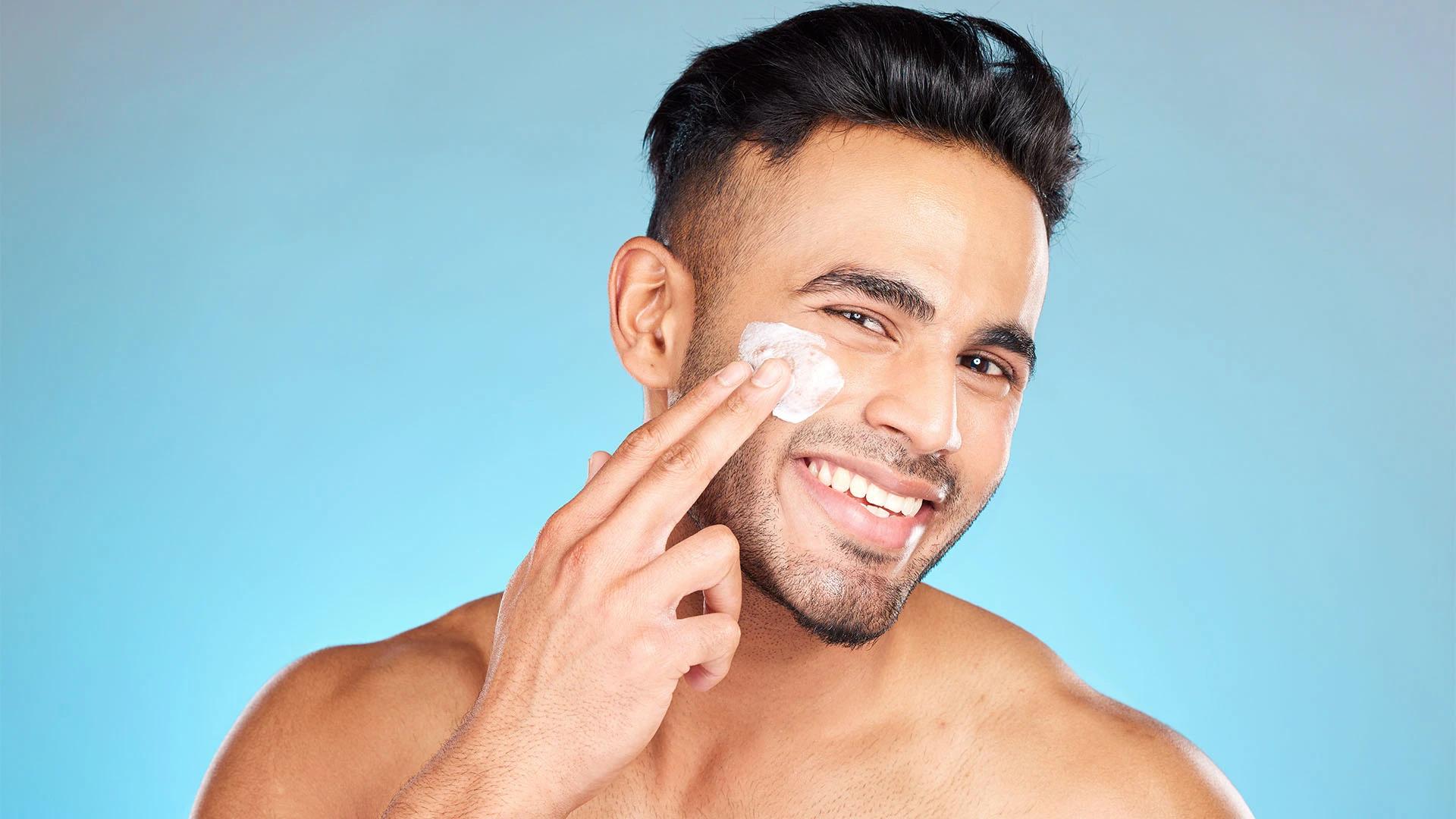

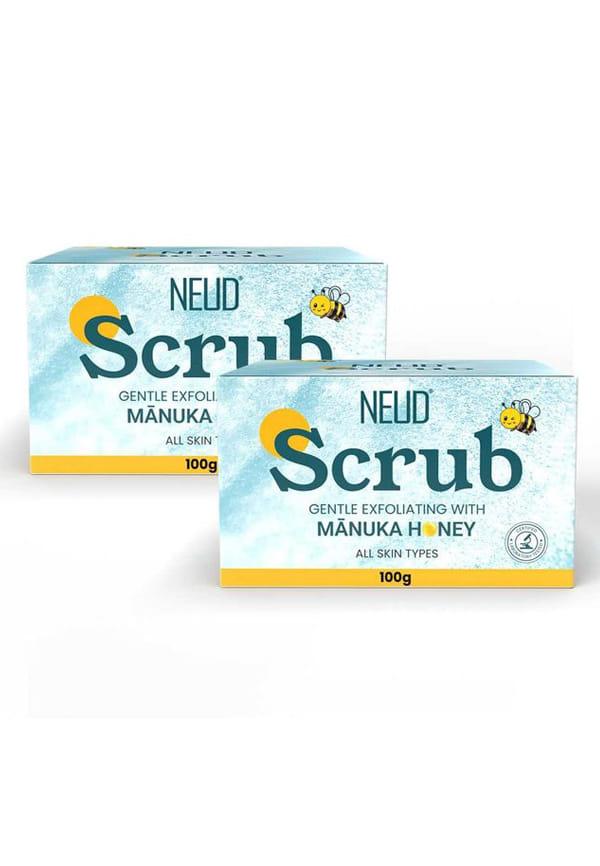
Gentle Exfoliating Scrub with Manuka Honey, Kojic Acid and Alpha Arbutin
If you've ever felt like your skin is caught in a frustrating cycle—too sensitive for traditional scrubs yet desperately needing that fresh, smooth feeling—you're not alone. Sensitive skin doesn't mean you have to skip exfoliation entirely; it just means you need to be smarter about how you approach it. The key lies in understanding that gentle doesn't mean ineffective. Whether you're dealing with redness-prone skin that flares up at the slightest touch or simply want to remove dead skin cells without the aftermath of irritation, there's a world of gentle exfoliation methods waiting to be explored. From chemical exfoliants that work while you sleep to natural enzymes that dissolve dead skin cells, the right approach can leave your skin glowing without the drama. Platforms like Smytten make it easier than ever to trial different gentle exfoliants before committing to full-size products, ensuring you find what works for your unique skin needs.
Sensitive skin can be safely exfoliated using gentle chemical exfoliants like PHAs and lactic acid, or natural enzymes from papaya and pumpkin
Start with once-weekly exfoliation and gradually increase frequency as your skin builds tolerance
Avoid harsh physical scrubs with large particles; opt for rice powder, oat-based formulas, or soft muslin cloths instead
Always follow exfoliation with proper moisturisers and never skip SPF the next day
Watch for warning signs like persistent redness, stinging, or increased sensitivity—these signal you need to scale back
Sensitive skin isn't just about feeling a bit tender after using the wrong product—it's a legitimate skin condition that affects how your skin barrier functions. If you notice burning sensations with new products, persistent redness that takes ages to calm down, or stinging reactions to seemingly innocent ingredients, your skin is telling you it needs a gentler approach.
The science behind why traditional exfoliation fails sensitive skin is quite straightforward. Aggressive scrubbing or high-concentration acids can compromise your already delicate skin barrier, leading to increased water loss, inflammation, and that uncomfortable tight feeling. Your skin barrier is like a protective wall—when it's damaged, everything becomes an irritant.
But here's the thing: gentle exfoliation actually benefits sensitive skin tremendously. When done correctly, it helps remove the buildup of dead skin cells that can make your complexion look dull and prevent your moisturisers from penetrating properly. The key is working with your skin's natural renewal process rather than forcing it.
Understanding your options is crucial when you're dealing with sensitive skin. Each type of exfoliant works differently, and what suits your skin best depends on your specific sensitivities and skin goals.
PHAs (Polyhydroxy Acids) - think of them as AHAs' gentler cousins - are absolute game-changers for sensitive skin. Gluconolactone, the most common PHA, has larger molecules that penetrate more slowly, making it incredibly gentle while still providing effective exfoliation. Unlike AHAs, PHAs also have humectant properties, meaning they actually help your skin retain moisture while they work.
Lactic acid deserves special mention for sensitive skin types. It's derived from milk and has natural hydrating properties that prevent the dryness often associated with chemical exfoliation. Start with concentrations around 5% - though always patch test first as tolerance varies.
Mandelic acid is another gentle option, with the largest molecular size among AHAs. This means it penetrates slowly and is less likely to cause irritation. It's particularly good if you're dealing with both sensitivity and mild acne concerns.
Enzyme exfoliants from papain (papaya) and pumpkin are nature's gentle approach to removing dead skin cells. They work by literally digesting the proteins that hold dead skin cells together, making them perfect for those who can't tolerate acids.
Physical exfoliation isn't completely off-limits for sensitive skin—you just need to choose your tools wisely. Rice powder and oat-based formulations are incredibly gentle, with naturally round particles that won't create micro-tears in your skin.
Soft muslin cloths and konjac sponges offer controlled physical exfoliation. The key is using them with a light touch and plenty of cushioning from your cleanser. Never use them on dry skin.
What to absolutely avoid: apricot pits, walnut shells, and sugar crystals. These have jagged edges that can damage sensitive skin, leading to increased irritation and potential scarring.
DIY enzyme masks using fresh papaya or pineapple can be surprisingly effective for sensitive skin. The natural enzymes work gently to dissolve dead skin cells without the need for scrubbing.
Oatmeal-based gentle scrubs are a time-tested option. Finely ground oats contain saponins that cleanse while the texture provides minimal physical exfoliation. Mix with honey for added soothing benefits.
The oil cleansing method, while not traditional exfoliation, can help remove dead skin cells and congestion through gentle massage. Use oils like jojoba or sweet almond that won't clog pores.
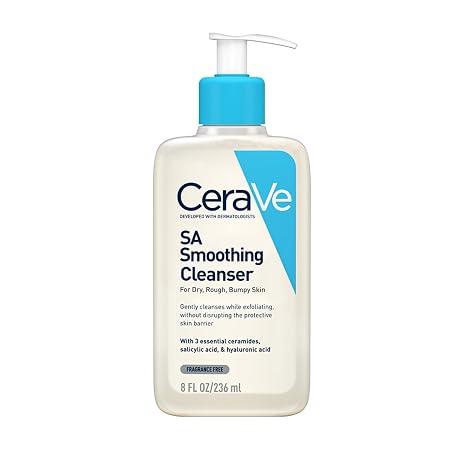
Real talk - the CeraVe SA Smoothing Cleanser is worth adding to your routine if you're starting your gentle exfoliation journey. This dermatologist-developed formula proves that effective exfoliation doesn't have to come at the cost of comfort, making it an excellent starting point for those new to chemical exfoliation. The best exfoliants for sensitive skin often combine salicylic acid with ceramides and hyaluronic acid to gently remove dead skin cells while maintaining the skin barrier.
Multi-acid cleansers with soothing ingredients like niacinamide or panthenol offer excellent value. Look for products that combine low concentrations of acids with barrier-supporting ingredients.
Gentle daily toners with low-concentration acids (under 2%) can provide consistent, mild exfoliation without overwhelming sensitive skin. These are perfect for building tolerance over time.
Affordable enzyme powders that you mix with water offer customisable exfoliation—use less powder for gentler treatment, more for slightly stronger action.
PHA toners for daily use represent the gold standard for sensitive skin exfoliation. They provide consistent results without the irritation potential of stronger acids.
Microfoliant powders with protective ingredients like rice bran and colloidal oatmeal offer gentle physical exfoliation with built-in soothing properties.
Leave-on treatments versus wash-off formulas each have their place. Leave-on treatments provide more consistent results but require careful introduction, while wash-off formulas offer more control over contact time.
For beginners, start with concentrations under 2% for acids and always look for formulations that include soothing ingredients. Ingredient combinations to seek out include niacinamide with acids, ceramides with exfoliants, and hyaluronic acid with any active ingredient.
Consider the formulation type carefully: cleansers offer the shortest contact time and are most forgiving, toners provide consistent daily treatment, and serums deliver the highest concentration of actives.
Building an exfoliation routine for sensitive skin is like training for a marathon—you start slowly and build endurance over time. Rushing the process almost always leads to irritation and setbacks.
Patch testing isn't optional for sensitive skin—it's essential. Apply a small amount of your chosen exfoliant to your inner forearm and wait 24-48 hours to see if any reaction occurs.
Begin with once-weekly application, preferably in the evening when your skin has time to recover overnight. Choose a night when you'll be home the next day, just in case your skin needs extra TLC.
Gradual frequency increase should happen over months, not weeks. If weekly exfoliation goes well for a month, you might try twice weekly. Listen to your skin—if it starts feeling tight or looks red, scale back.
Pre-exfoliation skin preparation involves cleansing with your regular gentle cleanser and ensuring your skin is completely dry before applying chemical exfoliants (damp skin increases penetration and potential irritation).
For physical exfoliation, use circular motions with minimal pressure—let the product do the work. For chemical exfoliants, apply evenly and avoid the eye area completely.
Post-exfoliation care is crucial: follow immediately with a gentle, fragrance-free moisturiser to help repair and protect your skin barrier. This isn't the time to introduce new products.
Extremely sensitive skin should stick to weekly exfoliation, potentially even bi-weekly if you're dealing with conditions like rosacea or eczema. Your skin's comfort should always be the priority.
Moderately sensitive skin can often handle bi-weekly progression after a month of successful weekly treatments. Pay attention to how your skin feels the day after exfoliation.
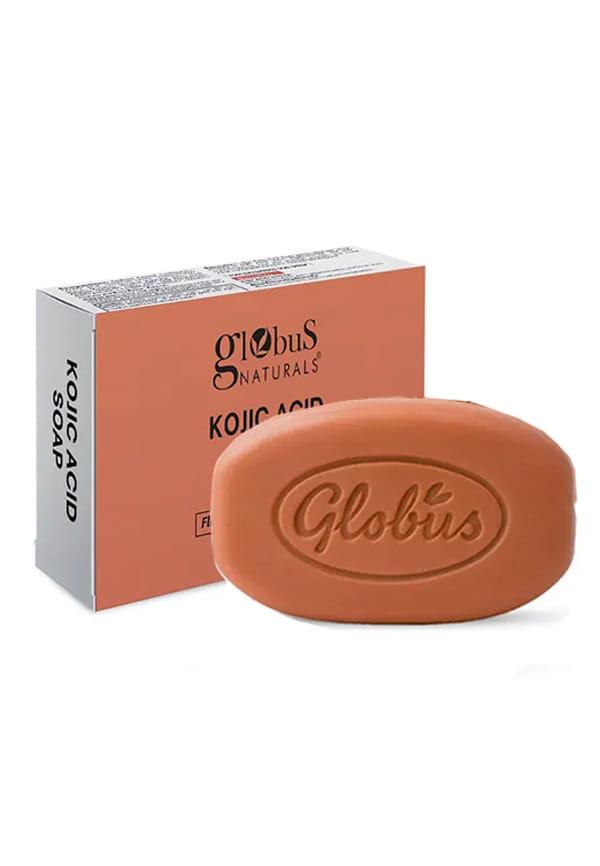
Kojic Acid Skin Brightening Soap
Building tolerance is a slow process that can take 3-6 months. Some people with sensitive skin never progress beyond twice-weekly exfoliation, and that's perfectly fine—consistency matters more than frequency.
Even with the best intentions, it's easy to make mistakes when exfoliating sensitive skin. Recognising these pitfalls early can save you weeks of recovery time.
Over-exfoliation is the most common mistake, and the warning signs are clear: persistent redness, increased sensitivity to products that normally don't bother you, and a feeling that your skin is constantly "raw" or tender.
Ingredient combinations to avoid include using retinol and acids on the same night, mixing different types of acids, or using exfoliants with high-concentration vitamin C. Your skin can only handle so much at once.
Physical scrub mistakes that cause micro-tears include using too much pressure, scrubbing for too long, or using products with irregular, sharp particles. Remember: gentle pressure, short duration, smooth particles only.
Early warning signs of sensitivity reactions include stinging that doesn't subside within a few minutes, redness that persists beyond a few hours, or any burning sensation during application.
To calm irritated skin immediately, rinse with cool water, apply a gentle moisturiser or even plain petroleum jelly, and avoid all active ingredients until your skin recovers completely.
Know when to stop and reassess: if irritation persists beyond 24 hours, if you develop any rash or bumps, or if your skin becomes increasingly sensitive to products you normally tolerate well.
SPF is absolutely non-negotiable after exfoliation because you've removed the top layer of dead skin cells that provide some natural protection. Your fresh skin is more vulnerable to UV damage.
Choose broad-spectrum protection of at least SPF 30, and reapply every two hours if you're spending time outdoors. Mineral sunscreens with zinc oxide or titanium dioxide are often gentler for freshly exfoliated sensitive skin.
For morning routines, wait at least 15-20 minutes after applying any leave-on exfoliant before applying sunscreen to ensure proper absorption and avoid potential interactions.
Not all sensitive skin is the same, and your exfoliation approach should reflect your skin's specific needs and challenges.
Hydrating exfoliant recommendations include lactic acid (which has natural humectant properties) and PHAs that actually help skin retain moisture while exfoliating.
Layer with moisturising ingredients by applying a hydrating serum immediately after exfoliation, followed by a rich moisturiser. Consider using a facial oil as the final step to lock everything in.
Oil-based gentle exfoliation methods, like the oil cleansing method with a soft cloth, can provide mild exfoliation while adding moisture to your skin.
Balancing oil control with gentleness means choosing exfoliants that can address excess sebum without stripping your skin. Salicylic acid in low concentrations (0.5-1%) can be effective if introduced slowly.
BHA considerations for sensitive skin include starting with leave-on treatments only 1-2 times per week and always following with a lightweight, non-comedogenic moisturiser.
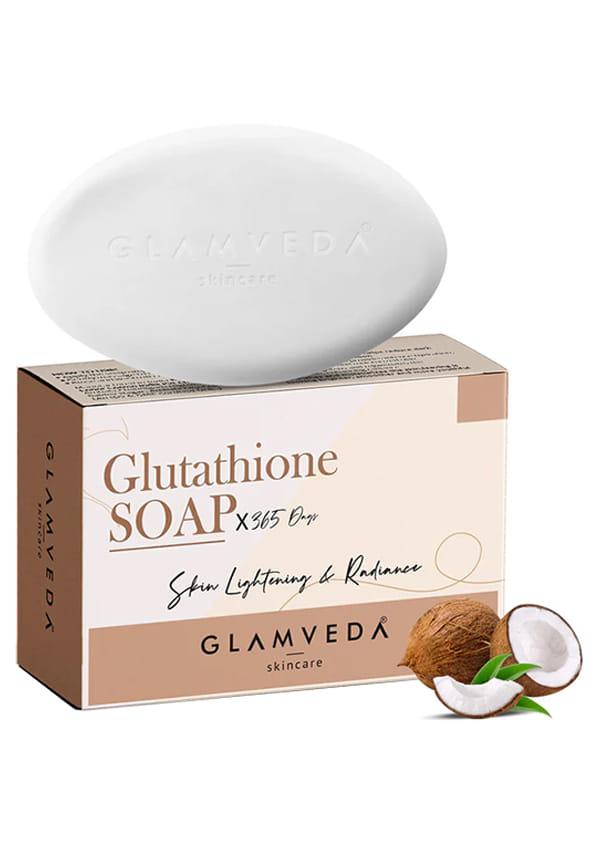
Glutathione Skin Lightening & Whitening Soap with Kojic Acid
Nice Soap, Good Fragrance
 5
5“nice soap and fragrance is too good”
Good Product, Unique Experience
5“Good product for experiencing the difference from other similar products in the market”
Smooth Product, Low Quantity
5“love it , very smooth but low net weight 😍😍😍😍😍😍😍😍😍😍😍 but I love the product”
Avoid over-drying mistakes by never using multiple oil-controlling products on the same day as exfoliation, and always moisturising even if your skin feels oily.
Zone-specific exfoliation strategies might involve using gentler exfoliants on your cheeks and slightly stronger ones on your T-zone, but only after your skin has built tolerance to the gentler option.
Multi-product approaches can work, but introduce them one at a time and space them out properly. You might use a gentle enzyme cleanser daily and a low-concentration acid treatment twice weekly.
Seasonal adjustments are important—your skin might tolerate more exfoliation in humid summer months and need to scale back during dry winter weather.
Start with once weekly and only increase frequency if your skin shows no signs of irritation after a full month. Some people with very sensitive skin find that bi-weekly exfoliation is their sweet spot, and that's perfectly fine. Consistency matters more than frequency.
Yes, but choose them carefully. Enzyme-based options like papaya or pineapple masks are gentler than physical scrubs. Finely ground oatmeal with honey is another safe option. Always patch test first, and avoid anything with large particles or citrus acids which can be irritating.
Enzyme exfoliants are typically the gentlest option, followed by PHAs (polyhydroxy acids) like gluconolactone. These work slowly and have built-in moisturising properties. Start with once-weekly use and always follow with a gentle moisturiser.
Not necessarily. Very gentle physical exfoliation using soft muslin cloths, konjac sponges, or rice powder-based cleansers can work for some sensitive skin types. The key is using minimal pressure and avoiding anything with sharp or irregular particles. When trying products on Smytten, you can test different gentle exfoliants to see what your skin tolerates best.
Warning signs include persistent redness lasting more than a few hours, increased sensitivity to products you normally tolerate, a feeling that your skin is constantly "raw," or any stinging sensation that doesn't subside quickly. If you notice these signs, stop exfoliating immediately and focus on gentle, barrier-repairing skincare until your skin recovers.
Yes, but introduce them separately first. Niacinamide is actually beneficial with exfoliants as it helps calm potential irritation. Start with products that combine gentle exfoliants with soothing ingredients, or use niacinamide on non-exfoliating days initially.
Gentle exfoliation for sensitive skin is absolutely achievable when you approach it with patience and the right products. Start with the mildest options—enzyme exfoliants or PHAs—and build your routine slowly over months, not weeks. Remember that your skin's comfort should always be the priority, and there's no shame in sticking to once-weekly exfoliation if that's what works best for you.
The key to success lies in listening to your skin, choosing products with soothing ingredients alongside the exfoliating actives, and never skipping the moisturiser and SPF that follow. Whether you opt for chemical exfoliants, gentle physical options, or natural enzyme treatments, consistency with a gentle approach will give you better results than aggressive, sporadic exfoliation.
Most importantly, don't let sensitive skin discourage you from pursuing the smooth, glowing complexion you want. With the right approach and products, even the most reactive skin can benefit from regular, gentle exfoliation.
Finding the perfect gentle exfoliant for your sensitive skin doesn't have to involve expensive trial and error with full-size products. Smytten is India's largest product discovery and trial platform, connecting consumers with top lifestyle, beauty, wellness, and grooming brands through curated trial packs. With mini-sized products from over 2,400 trusted brands, you can explore gentle exfoliants from brands like Cetaphil, Dot & Key, and The Derma Co. before committing to full-size purchases. Each mini is linked with Trial Points, and users can get up to 10 Trial Points for just ₹279, plus Smytten offers 100% cashback on these trial purchases, making it both affordable and rewarding to find your perfect gentle exfoliation routine. After all, why settle for 'maybe' when you can try it all and discover what truly works for your sensitive skin?
