How to Fix Dry Skin Barrier: A Simple Guide


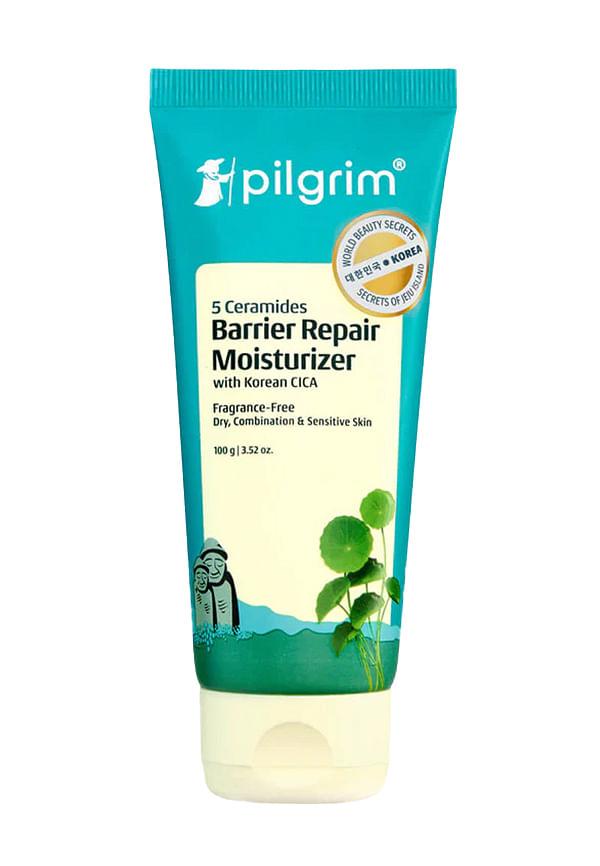
5 Ceramides Barrier Repair Moisturizer with Korean CICA Lightweight & Non-Sticky
Hydrating with Good Smell
 5
5“hydrating moisturizer and good smell”
Hydrating with Good Smell
5“hydrating moisturizer and good smell”
Hydrating with Good Smell
5“hydrating moisturizer and good smell”
That tight, uncomfortable feeling after washing your face? The flakiness that no amount of moisturiser seems to fix? Your skin barrier might be crying out for help. When your skin's protective barrier becomes damaged, it can't hold onto moisture or keep irritants out properly. This leads to persistent dryness, sensitivity, and that frustrating cycle where nothing seems to work. Understanding how to fix dry skin barrier issues isn't just about slapping on more cream—it's about rebuilding your skin's natural defence system from the ground up. Whether you're dealing with overexfoliation damage, environmental stress, or simply want to strengthen your skin's resilience, this guide will walk you through everything you need to know. From spotting the warning signs to choosing the right ingredients, we'll explore practical solutions that actually work. And if you're curious about trying new products safely, platforms like Smytten make it easy to test barrier-repairing formulas before committing to full sizes.
TL;DR
A damaged skin barrier shows up as persistent dryness, flakiness, increased sensitivity, and tight feeling after cleansing
The three-step foundation for repair: pause all actives, cleanse gently, and lock in moisture with ceramide-rich products
Key ingredients for barrier repair include ceramides, hyaluronic acid, niacinamide, and cholesterol
Healing timeline ranges from 2-4 weeks for mild damage to 3-6 months for severe barrier disruption
Prevention involves gentle skincare routines, avoiding overexfoliation, and maintaining consistent moisture levels
Your skin barrier is essentially your body's first line of defence—a protective layer made up of skin cells held together by lipids, ceramides, and natural moisturising factors. Think of it like a brick wall where the skin cells are the bricks and the lipids are the mortar holding everything together. When this barrier is healthy, it keeps water in and irritants out, maintaining that plump, comfortable feeling we all want.
The barrier's main job is preventing transepidermal water loss whilst blocking environmental nasties like pollution, bacteria, and harsh weather from penetrating deeper skin layers. When it's functioning properly, your skin feels soft, looks even, and can handle your usual skincare routine without drama. But when the barrier becomes compromised, everything changes—moisture escapes faster than you can replace it, and your skin becomes reactive to products that never bothered you before.
Recognising the signs of damaged skin barrier is crucial for knowing when to shift your routine into repair mode. Your skin has its own way of telling you when something's not right, and learning to read these signals can save you months of frustration.
Persistent dryness is often the first red flag. We're talking about that type of dryness that doesn't budge even after applying your usual moisturiser. Your skin might feel tight, especially after cleansing, and you might notice flaky patches that seem to appear overnight. This happens because your compromised barrier can't hold onto moisture effectively.
Increased sensitivity is another telltale sign. Products you've used for ages suddenly start stinging or causing redness. Your skin might react to ingredients that never bothered you before, like fragrance or even gentle actives. This heightened sensitivity occurs because your barrier isn't providing adequate protection against potential irritants.
You might also notice unusual breakouts in areas where you don't typically get spots. When your barrier is damaged, bacteria can penetrate more easily, leading to inflammation and breakouts in unexpected places. The skin might also appear dull or uneven, lacking that healthy glow that comes with proper barrier function.
Understanding what damages your skin barrier helps prevent future issues and guides your repair strategy. Overexfoliation skin barrier damage is incredibly common, especially with the popularity of chemical exfoliants like AHAs and BHAs. Using these actives too frequently or in concentrations that are too strong can strip away the protective lipid layer faster than your skin can rebuild it.
Environmental factors play a massive role too. Cold weather, low humidity, air conditioning, and central heating all work to pull moisture from your skin. Even something as simple as long, hot showers can disrupt your barrier by washing away natural oils. Urban pollution adds another layer of stress, with free radicals breaking down the protective lipid matrix over time.
Aggressive skincare routines are another major culprit. Layering multiple actives, using harsh cleansers, or switching products too frequently can overwhelm your skin's natural repair mechanisms. Sometimes the desire to achieve perfect skin quickly leads to routines that are too intense for your barrier to handle.
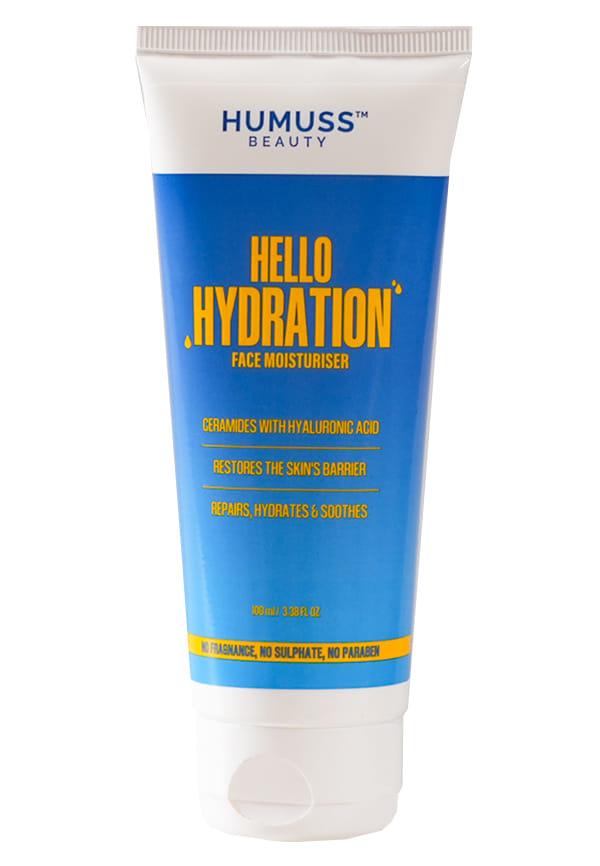
Hello Hydration' Barrier Repair Ceramides & Hyaluronic Acid Face Moisturiser
When you're dealing with barrier damage, simplicity is your best friend. The three-step foundation focuses on stopping further damage whilst giving your skin the basic support it needs to heal naturally.
This might feel counterintuitive, especially if you're used to a multi-step routine with various actives. However, temporarily halting retinoids, AHAs, BHAs, and even vitamin C gives your skin a chance to recover without constant irritation. Think of it as letting a wound heal before putting it under stress again.
Switch to a non-foaming, hydrating cleanser that won't strip your skin further. Avoid hot water—lukewarm is much kinder to compromised barriers. Pat your skin dry instead of rubbing, and consider cleansing only once a day if your skin feels particularly sensitive.
Focus on products with barrier-repairing ingredients like ceramides, cholesterol, and fatty acids. Apply your moisturiser to slightly damp skin to help lock in that extra hydration. Don't be afraid to layer—a hydrating serum under a richer cream can provide the intensive moisture your barrier needs to rebuild.
Not all skincare ingredients are created equal when it comes to barrier repair. Knowing which ones actually help can save you time and money whilst speeding up your recovery process.
Ceramides for skin barrier repair are absolute game-changers. These lipid molecules are naturally found in your skin and make up about 50% of your barrier's composition. When you apply ceramides topically, you're essentially giving your skin the building blocks it needs to repair itself. Look for products containing ceramide NP, AP, or EOP for the most effective results.
Hyaluronic acid is brilliant for drawing moisture into the skin and keeping it there. It can hold up to 1,000 times its weight in water, making it perfect for plumping up dehydrated skin. Use it on damp skin and follow with a moisturiser to prevent it from pulling moisture from deeper skin layers.
Niacinamide works beautifully for barrier repair because it helps increase ceramide production whilst reducing inflammation. It's gentle enough for sensitive skin and can actually help strengthen your barrier over time. Start with a 5% concentration if you're new to this ingredient.
Cholesterol and fatty acids work alongside ceramides to restore the lipid matrix. These ingredients help fill in the gaps between skin cells, creating a more effective barrier against water loss and environmental damage.
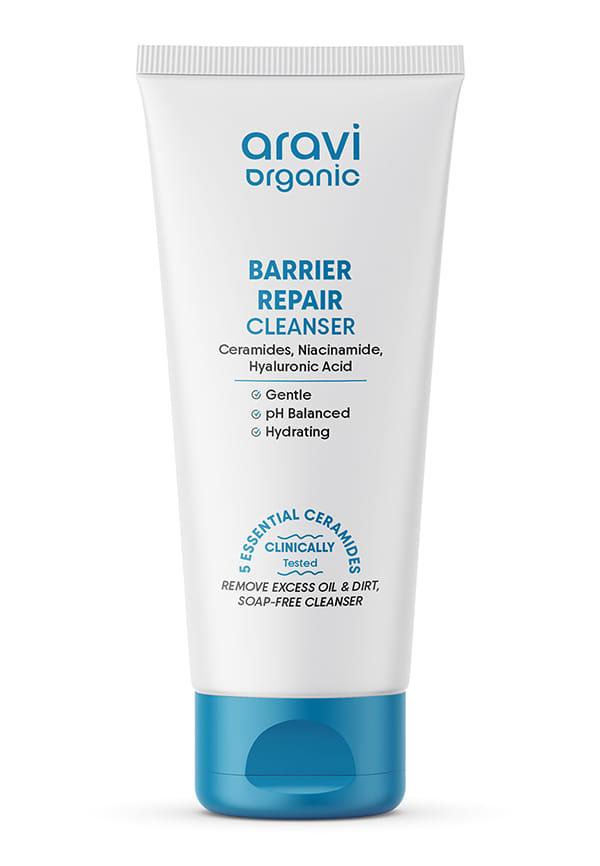
Hydrating Barrier Repair Face Wash - With Ceramide & Niacinamide
Sometimes the gentlest approach involves ingredients you might already have at home. Natural barrier repair methods can be incredibly soothing for irritated skin whilst supporting your barrier's healing process.
Oatmeal treatments are wonderfully anti-inflammatory and can help calm irritated skin. Grind plain oats into a fine powder and mix with water to create a gentle paste. Apply for 10-15 minutes before rinsing with cool water. The beta-glucan in oats helps soothe inflammation whilst providing a protective film on the skin's surface.
Raw honey has antimicrobial and healing properties that can support barrier repair. Apply a thin layer of raw, unprocessed honey to clean skin and leave for 15-20 minutes. The natural humectant properties help draw moisture to the skin whilst the antimicrobial effects can help prevent secondary infections in compromised barriers.
Environmental modifications are just as important as topical treatments. Using a humidifier in your bedroom can help maintain optimal moisture levels, especially during winter months. Aim for humidity levels between 40-60% for optimal skin comfort.
Understanding the healing timeline helps set realistic expectations and prevents you from switching products too quickly when you don't see immediate results. Barrier repair is a gradual process that requires patience and consistency.
Weeks 1-2 mark the initial healing phase. You might notice that your skin feels less tight after cleansing and that flakiness begins to reduce. Some people see improvements within just a few days, especially if the damage was mild and caught early.
Weeks 3-4 typically bring more noticeable improvements. Your skin should feel more comfortable throughout the day, and you might notice that your moisturiser seems to absorb better rather than sitting on the surface. Sensitivity to products should start decreasing during this phase.
Weeks 4-8 represent significant barrier restoration for most people. Your skin should feel plump and comfortable, with minimal flaking or tightness. This is often when people feel confident enough to slowly reintroduce gentle actives if desired.
For severe damage, particularly from aggressive treatments or medical procedures, complete recovery can take 3-6 months. Factors like age, overall health, environmental conditions, and consistency with your repair routine all influence healing speed.
The timeline varies depending on the severity of damage and your skin's natural healing ability. Mild damage from temporary overexfoliation might heal in 2-4 weeks with consistent gentle care. Moderate damage typically takes 4-8 weeks, whilst severe barrier disruption can require 3-6 months of dedicated repair work. Consistency with your routine and avoiding further irritation are key to faster healing.
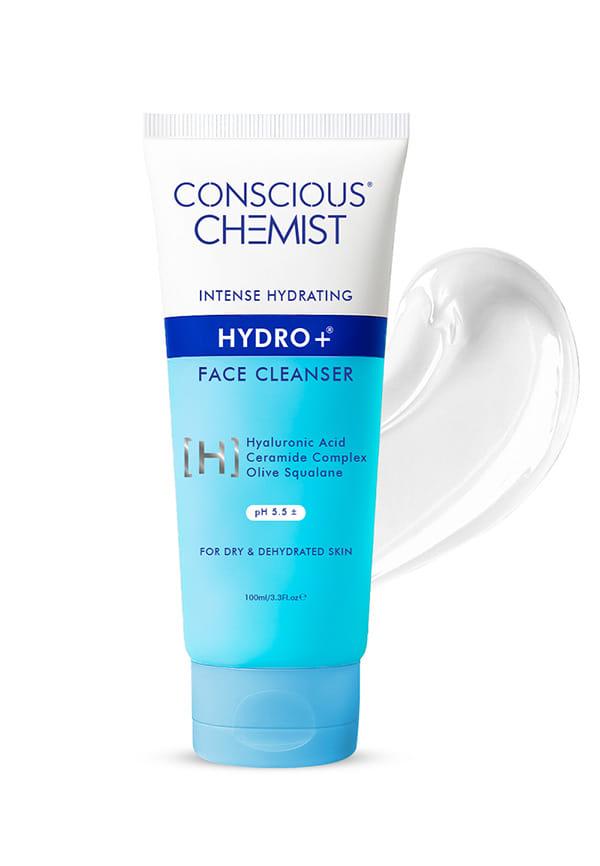
Gentle Hydrating Cleanser For Dry Skin with Hyaluronic Acid and Ceramides
Wonderful Product, Instant Difference
5“it's a wonderful product with first wash I see a difference.”
Hydrating & Effective
5“Hydrating very effective to use.”
Very Good Product
5“It is very good product. I will buy full product of this.”
Unfortunately, true barrier repair can't happen overnight, though you might notice some immediate comfort from intensive moisturising treatments. Your skin needs time to rebuild the complex lipid matrix that forms your protective barrier. However, you can provide immediate relief by using occlusive ingredients like petrolatum or ceramide-rich creams that help prevent further water loss whilst your skin heals.
Look for creams containing ceramides, cholesterol, fatty acids, and niacinamide. Dermatologist-recommended options often include brands like CeraVe, Vanicream, and La Roche-Posay. However, the best cream for you depends on your skin type and the severity of damage. If you're unsure about which products to try, platforms like Smytten offer trial sizes so you can test barrier-repairing formulas before investing in full-size products.
It's generally best to pause all actives during the initial repair phase. Once your barrier has significantly improved (usually after 4-6 weeks), you can slowly reintroduce actives one at a time. Start with the lowest concentration and frequency, gradually building up as your skin tolerates them. Always maintain your barrier-supporting routine alongside any actives.
Avoid harsh cleansers, hot water, physical scrubs, and all active ingredients initially. Skip products with high concentrations of alcohol, fragrance, or essential oils. Also avoid the temptation to try multiple new products at once—stick to a simple routine until your barrier has healed.
Fixing a damaged skin barrier requires patience, consistency, and a simplified approach to skincare. The most effective strategy involves stopping all potentially irritating products, focusing on gentle cleansing, and providing intensive moisture with barrier-repairing ingredients like ceramides and niacinamide.
Remember that healing takes time—anywhere from a few weeks for mild damage to several months for severe disruption. The key is maintaining a consistent routine whilst avoiding the temptation to add new products or actives before your barrier has fully recovered. Natural methods like oatmeal treatments and environmental modifications can provide additional support during the healing process.
Prevention is always better than cure, so once your barrier is healthy again, focus on maintaining it with gentle products and avoiding overexfoliation. Your skin will thank you for the patience and care you've invested in its recovery.
Restoring your skin barrier might feel like a slow process, but the results are worth the patience. A healthy barrier is the foundation of all good skincare—without it, even the most expensive products won't deliver their promised benefits. As you rebuild your skin's natural protection, remember that consistency matters more than complexity. Sometimes the simplest routines yield the most dramatic improvements. When you're ready to explore new barrier-repairing products, Smytten's trial packs let you test formulas from trusted brands before committing to full sizes. With over 28 million users discovering their perfect skincare matches through affordable trials, you can find what works for your unique skin needs without the guesswork. After all, why settle for maybe when you can try before you buy and find products that truly support your skin's healing journey?
