How to Find the Best Sunscreen for Your Skin Type

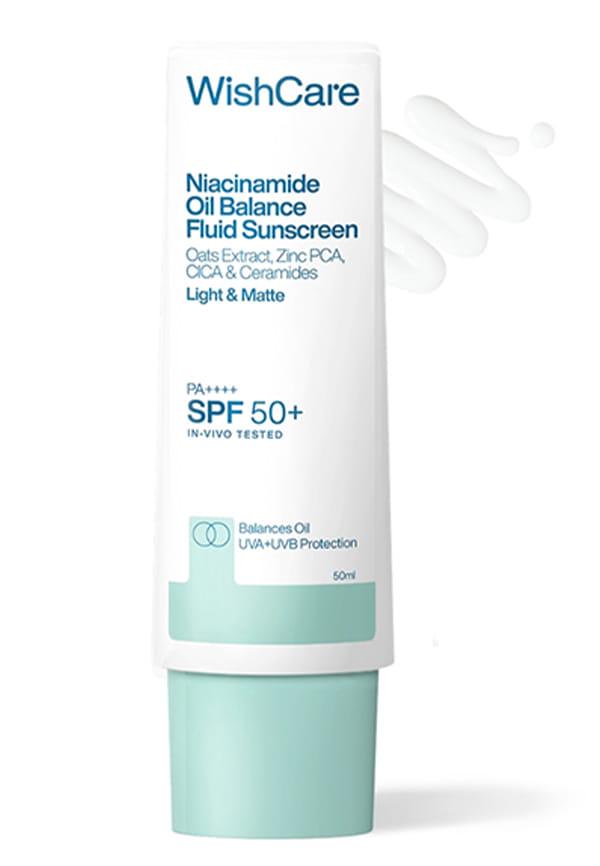
Niacinamide Oil Balance Sunscreen SPF 50 PA++++ - In-Vivo Tested
Easy Application & Smooth Texture
 4
4“it glides easy when I apply it smooth texture”
Superb, Lightweight Sunscreen
5“superb sunscreen with light weight”
Excellent Sunscreen with Application Tip
5“Its a very good Sunscreen... will give a glow in yoir face.... but wait for a few minutes after applying the moisturizer...then you can apply the Sunscreen. Otherwise your face will get oily... Makes your skin fresh and plump.... just go for it... 🤌🏼💗”
Finding the perfect sunscreen feels like searching for a needle in a haystack, doesn't it? With endless options promising the best sun protection, it's easy to get overwhelmed. But here's the thing—the right sunscreen isn't just about the highest SPF number on the shelf. It's about understanding your skin's unique needs and matching them with the right formula. Whether you're dealing with oily skin that turns into a grease slick by noon, sensitive skin that reacts to everything, or you simply want foolproof daily protection, this sunscreen guide will help you navigate the maze. Let's break down how to find the best sunscreen that actually works for you, not against you.
Before diving into specific products, let's get the fundamentals sorted. Think of this as your sunscreen 101—the knowledge that'll make you a smarter shopper and better protect your skin in the long run.
The term "broad-spectrum" isn't just marketing fluff—it's your guarantee that a sunscreen protects against both UVA and UVB rays. UVB rays cause those painful sunburns, whilst UVA rays are the sneaky ones that penetrate deeper, causing premature ageing and long-term skin damage.
SPF ratings can be confusing, but here's the real talk: SPF 30 blocks about 97% of UVB rays, SPF 50 blocks 98%, and SPF 70 blocks 99%. The difference isn't as dramatic as the numbers suggest. For most people, SPF 30-50 provides excellent protection when applied properly.
Water resistance matters if you're swimming or sweating, but remember—no sunscreen is truly "waterproof." Water-resistant formulas maintain their SPF for either 40 or 80 minutes in water. The PA rating system (those plus signs you see) indicates UVA protection levels, with PA++++ being the highest.
Chemical sunscreens work by absorbing UV rays and converting them to heat, whilst mineral sunscreens create a physical barrier that reflects rays away from your skin. Chemical formulas tend to be lighter and blend seamlessly, making them great for daily wear under makeup.
Mineral sunscreens, containing zinc oxide or titanium dioxide, are gentler on sensitive skin and provide immediate protection upon application. They can leave a slight white cast, though newer formulations have significantly improved this issue. Hybrid formulations combine both types, offering the benefits of each whilst minimising drawbacks.
Your skin type should be the starting point for any sunscreen selection. What works brilliantly for your friend might turn your face into an oil slick or cause irritation. Let's match your skin's needs with the right formula.
If your skin tends to get shiny by midday, look for oil-free and non-comedogenic formulations. These won't clog your pores or add extra grease to your complexion. Gel-based textures often work better than heavy creams for oily skin types.
Mattifying ingredients like silica or niacinamide can help control shine throughout the day. When applying to acne-prone areas, use gentle patting motions rather than rubbing, which can irritate existing breakouts.
Sensitive skin needs extra TLC, and mineral sunscreens are often your safest bet. Physical filters like zinc oxide and titanium dioxide are less likely to cause reactions compared to chemical filters.
Always choose fragrance-free and hypoallergenic formulas. Avoid ingredients like oxybenzone, octinoxate, and added fragrances if your skin is particularly reactive. Before committing to a full-size product, patch test on a small area of skin for 24-48 hours.
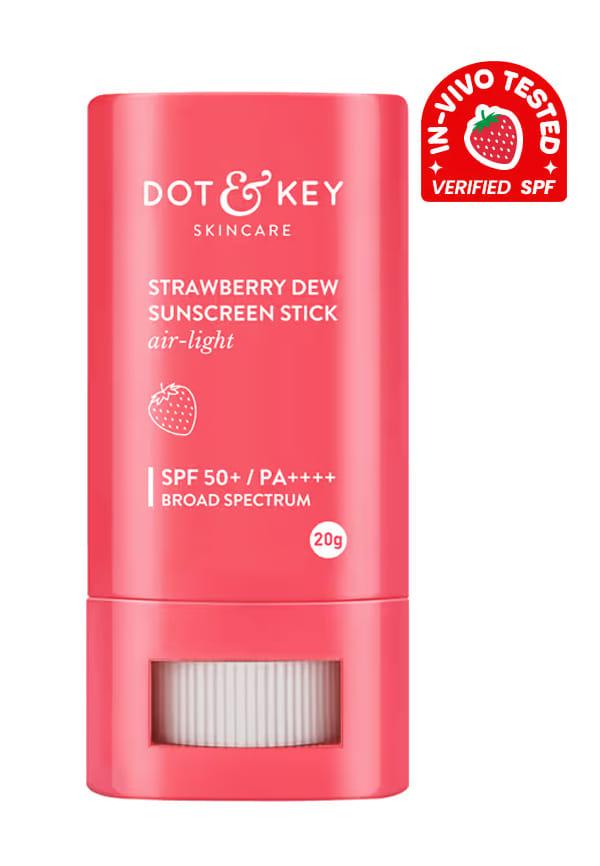
Strawberry Dew Sunscreen Stick Spf 50
Lightweight and Easy to Wear
4“this is lightweight and easy to wear the stick. you don't have to durty your hands to wear it”
Lightweight and Easy to Wear
4“this is lightweight and easy to wear the stick. you don't have to durty your hands to wear it”
Portable with Shiny, Non-Oily Finish
4“easy to carry gives an after shiny but not oily at all”
Dry skin benefits from sunscreens with built-in moisturising ingredients. Look for formulas containing hyaluronic acid, ceramides, or glycerin. Cream-based formulations typically provide more hydration than gels or sprays.
You can layer sunscreen over your regular moisturiser, but many modern formulas are hydrating enough to replace your morning moisturiser entirely. During winter months, dry skin needs extra attention—don't skip sun protection just because it's cold outside.
Facial sunscreens are formulated differently because the skin on your face is more delicate and visible. They're typically lighter, less greasy, and designed to work well under makeup.
Look for makeup-friendly options that won't pill or interfere with your foundation. Don't forget about the delicate eye area—some sunscreens are specifically formulated to be gentle enough for this sensitive zone. Your scalp and lips need protection too, especially if you spend lots of time outdoors.
Understanding sunscreen ingredients helps you make informed choices and avoid formulas that might not work for your skin. Let's decode the science behind effective sun protection.
Zinc oxide is the gold standard for broad-spectrum protection. It's photostable (doesn't break down in sunlight) and suitable for sensitive skin. Titanium dioxide offers excellent UVB protection and is incredibly gentle, making it perfect for children and reactive skin types.
Chemical filters like avobenzone provide excellent UVA protection, whilst octinoxate handles UVB rays effectively. Newer chemical filters like bemotrizinol offer superior photostability and broader protection. Many modern formulas combine multiple filters for comprehensive coverage.
Beyond UV protection, many sunscreens include bonus ingredients that benefit your skin. Antioxidants like vitamin C and vitamin E help neutralise free radicals caused by sun exposure.
Moisturising components such as hyaluronic acid and ceramides keep skin hydrated, whilst some formulas include anti-ageing ingredients like peptides or retinol derivatives. These multitasking products can simplify your morning routine whilst providing comprehensive skin protection.
Choosing the right SPF isn't just about picking the highest number available. It's about understanding what different levels offer and matching them to your lifestyle and sun exposure needs.
The protection difference between SPF levels is smaller than most people think. SPF 30 blocks 97% of UVB rays, SPF 50 blocks 98%, and SPF 70 blocks 99%. That extra 1-2% protection comes with a significantly higher price tag and often thicker, harder-to-apply formulas.
For daily use, SPF 30-50 is perfectly adequate when applied correctly. Higher SPF levels make sense if you're spending extended time outdoors, have very fair skin, or are in high-UV environments. Remember, proper application and reapplication matter more than chasing the highest SPF number.
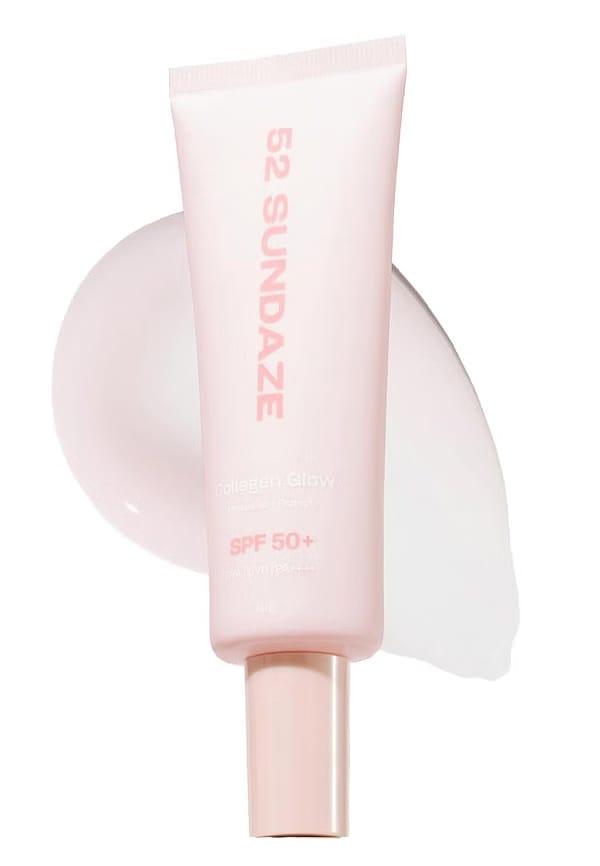
SPF 50 Collagen Glow Sunscreen Cream PA++++
Nice, but not for going out
5“nice but not the best for going out”
Sundaze Sunscreen: Everything is Perfect!
5“Sundaze has one of the best sunscreen ever. Texture, the soft pink color, the packaging, the tube EVERYTHING IS PERFECT.”
Nice Sun Protection & Easy Glide
4“nice sun protection and easy glide non sticky”
Beach days and water activities require water-resistant formulas that maintain their protection for 40-80 minutes in water. City dwellers might want sunscreens with anti-pollution benefits to protect against environmental stressors.
High-altitude environments and snowy conditions increase UV exposure due to reflection, requiring higher SPF levels. Tropical climates with intense year-round sun call for robust, sweat-resistant formulations that won't budge in humidity.
Even the best sunscreen won't protect you if it's not applied correctly. Let's cover the application techniques that ensure you're getting the protection you paid for.
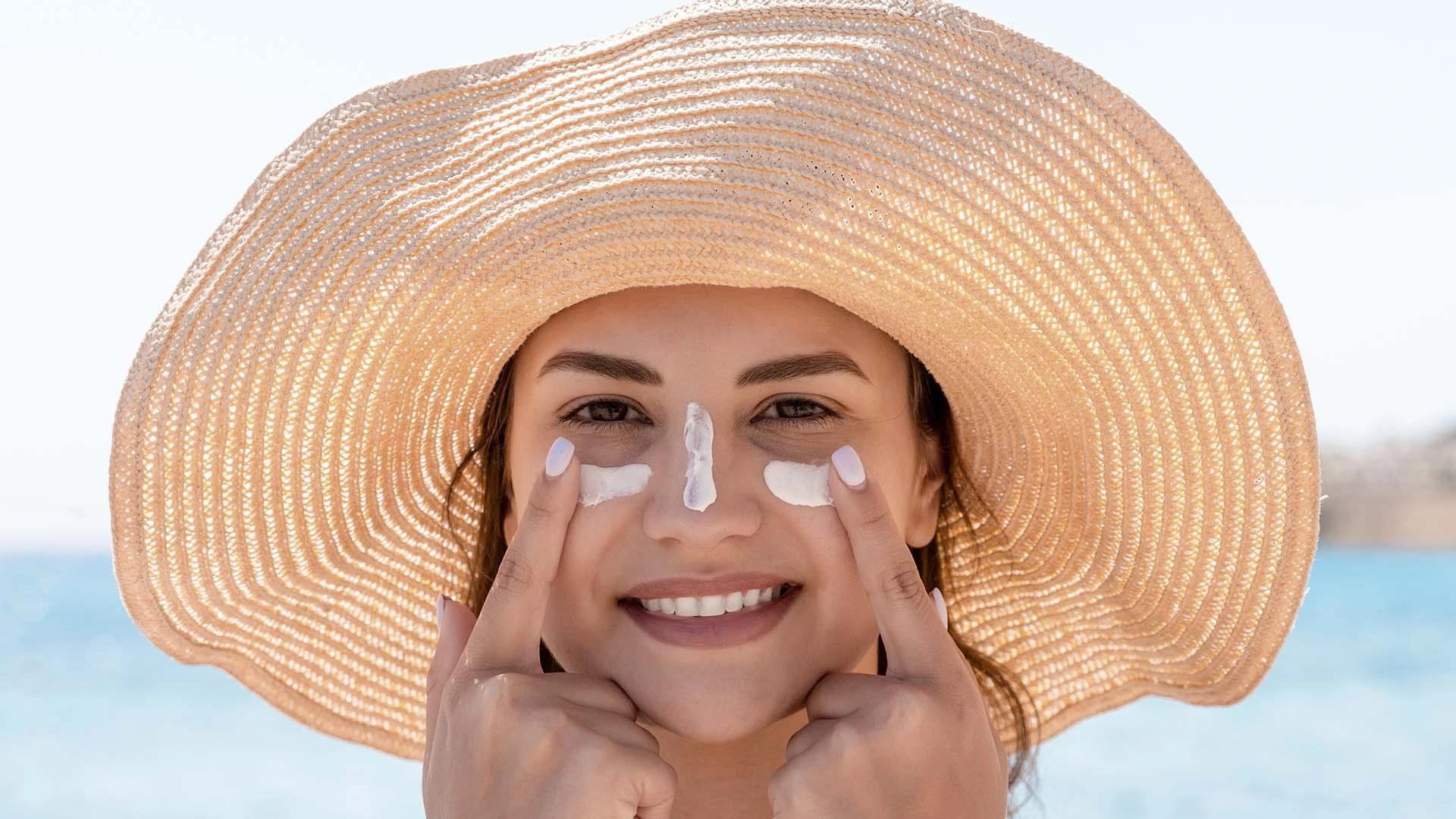
The "two-finger rule" works well for facial application—squeeze sunscreen along two fingers and apply to your face and neck. For your body, you need about one ounce (a shot glass worth) to cover all exposed areas adequately.
Apply sunscreen 15-30 minutes before sun exposure to allow proper absorption. Reapply every two hours, or immediately after swimming, sweating, or towelling off. When wearing makeup, consider powder sunscreens or setting sprays with SPF for easy reapplication.
Make sunscreen application as automatic as brushing your teeth. Apply it every morning, regardless of the weather or your plans. UV rays penetrate clouds and windows, so indoor workers still need protection.
Year-round protection is crucial—snow reflects up to 80% of UV rays, and winter sun can be just as damaging. Building consistent habits now prevents premature ageing and reduces skin cancer risk later in life.
Even with the best intentions, it's easy to make mistakes that compromise your sun protection. Let's identify these pitfalls and learn how to avoid them.
The biggest mistake? Not using enough product. Most people apply only 25-50% of the recommended amount, drastically reducing protection. Don't forget commonly missed spots like ears, feet, the back of your neck, and between your toes.
Timing matters too—applying sunscreen as you're walking out the door doesn't give it time to absorb properly. During long sun exposure, set phone reminders for reapplication every two hours.
Expired sunscreen loses effectiveness, so check those dates regularly. Using the wrong formulation for your skin type can lead to breakouts or irritation, making you less likely to use it consistently.
Don't assume expensive means better—some affordable options provide excellent protection. Focus on the active ingredients and SPF level rather than fancy packaging or celebrity endorsements.
This is where platforms like Smytten become invaluable for discovering your perfect sunscreen match. With trial packs from trusted brands like Cetaphil and Dot & Key, you can test different formulations before committing to full-size products. It's a smart way to find what works for your skin without the guesswork or waste.
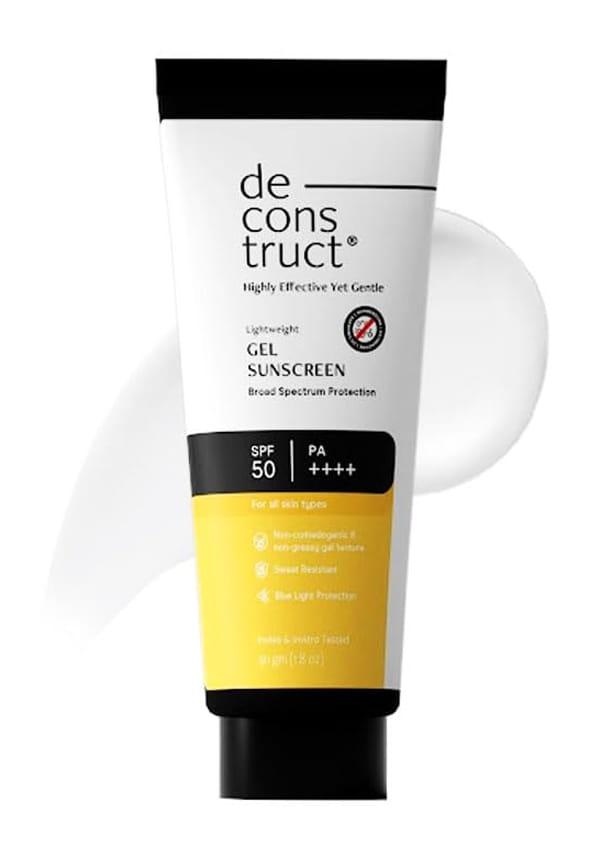
Lightweight Gel Sunscreen- SPF 50+ and PA+++
Gel vs. Cream Consistency
4“it says it's gel sunscreen but it's cream...tho the consistency is matte”
Good Product for Skin
4“this was a good product for skin”
Good Product for Skin
4“this was a good product for skin”
Look for sunscreens that blend well without leaving a white cast. Tinted formulas or those specifically designed for deeper skin tones work brilliantly. Mineral sunscreens have improved significantly and many now offer invisible protection for all skin tones.
Prioritise your primary concern first. If you have oily, sensitive skin, start with oil-free, mineral formulations. Many modern sunscreens address multiple concerns—look for non-comedogenic, fragrance-free options with added benefits like antioxidants.
PA++++ offers the highest level of UVA protection available. If you're spending extended time outdoors or have concerns about premature ageing, PA++++ is worth the investment. For daily use, PA+++ provides excellent protection.
SPF 30-50 is perfect for daily use when applied properly. SPF 70 can be beneficial if you have very fair skin, are on certain medications that increase photosensitivity, or spend lots of time outdoors.
You can, but facial sunscreens are formulated to be lighter and less likely to cause breakouts. If you're using a body sunscreen on your face, choose one that's non-comedogenic and suitable for sensitive skin.
Proper application should leave no visible sunburn or tanning after sun exposure. If you're burning despite using sunscreen, you might not be applying enough, reapplying frequently enough, or the formula might be expired.
The terms are often used interchangeably, but traditionally "sunblock" referred to physical/mineral formulas that block rays, whilst "sunscreen" referred to chemical formulas that absorb rays. Modern products often combine both technologies.
Most sunscreens last 2-3 years unopened, but check the expiry date. Once opened, use within 12 months for optimal effectiveness. If the texture, smell, or colour changes, it's time for a new bottle.
Finding the best sunscreen for your skin type doesn't have to be overwhelming. Start with understanding your skin's specific needs, then match them with the right formulation and SPF level. Remember, the best sunscreen is the one you'll actually use consistently.
Don't be afraid to try different options until you find your perfect match. With Smytten's extensive range of trial packs from over 1,500 trusted brands, you can explore various sunscreen formulations without the commitment of full-size purchases. From gentle mineral options to lightweight chemical formulas, there's something for every skin type and concern.
The platform's Trial Points system makes it incredibly affordable to test multiple products—get up to 8 minis for just ₹249, with 100% cashback redeemable for future orders. When you find that perfect sunscreen that doesn't pill under makeup, doesn't break you out, and actually feels good to wear, buying the full-size version is just a click away. After all, why settle for maybe when you can try it all and find exactly what works for you?
