How to Fade Post-Acne Dark Marks Effectively

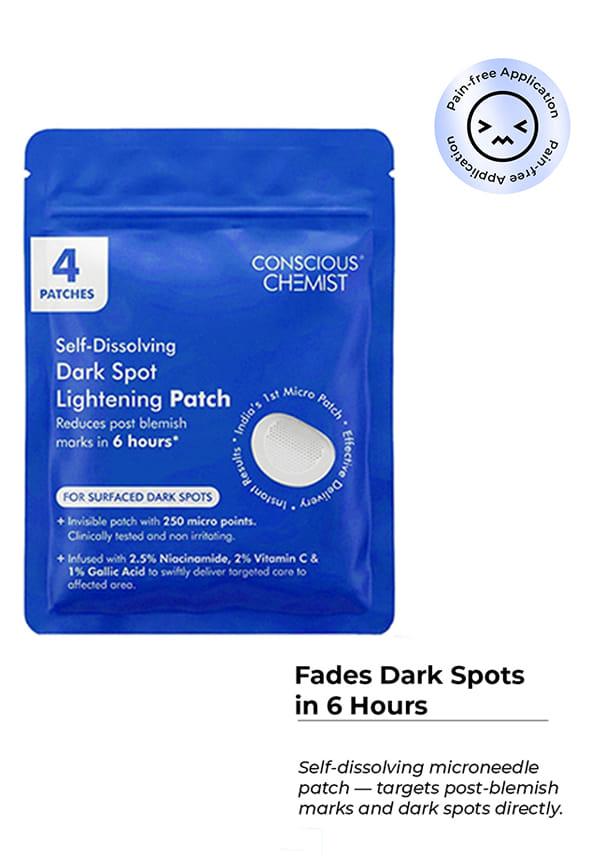
Self-Dissolving dark Spot Lightening Patch
You know that moment when your skin finally clears up, but you're left staring at dark spots where your breakouts used to be? Those stubborn marks can feel like a cruel reminder of battles already fought. If you're dealing with post-acne dark marks, you're definitely not alone — and more importantly, these marks don't have to be permanent. Understanding how to properly address hyperpigmentation after pimples can make all the difference between months of frustration and a clear, even complexion. The good news? With the right approach and a bit of patience, you can effectively fade post acne scars and get back to feeling confident in your skin.
Before diving into treatments, it's crucial to understand exactly what you're working with. Post-inflammatory hyperpigmentation (PIH) — those flat, dark spots left behind after breakouts — is completely different from true acne scars. PIH occurs when your skin produces excess melanin in response to inflammation from a pimple. Think of it as your skin's overenthusiastic healing response. True acne scars, on the other hand, involve changes to your skin's texture — think ice pick marks, rolling scars, or raised keloid scars. These require different treatment approaches entirely. If you're dealing with flat, discoloured patches that are darker than your natural skin tone, you're likely looking at PIH, which responds brilliantly to the right skincare for dark spots. Certain skin tones are more prone to developing skin discoloration from acne. People with medium to deeper skin tones often experience more noticeable PIH because their skin naturally produces more melanin. This isn't a disadvantage — it just means being more strategic about prevention and treatment. Here's the reality check: without intervention, these marks can take anywhere from 6 to 24 months to fade naturally. That's a long time to wait when effective treatments can significantly speed up the process.
To effectively treat acne marks, you need to understand what's happening beneath the surface. When a pimple forms, your skin's inflammatory response triggers melanocytes (pigment-producing cells) to go into overdrive. These cells pump out melanin, which gets deposited in the upper layers of your skin, creating those persistent dark spots. The key to fading these marks lies in either speeding up skin cell turnover (so the pigmented cells shed faster) or inhibiting melanin production altogether. This is where evidence-based ingredients come into play — and why some treatments work dramatically faster than others. Retinoids work by accelerating cellular turnover, essentially helping your skin shed those pigmented cells more quickly. Vitamin C acts as both an antioxidant and a melanin inhibitor, whilst niacinamide reduces inflammation and helps prevent new dark spots from forming. Alpha hydroxy acids (AHAs) like glycolic acid work by gently exfoliating the surface layer of skin, revealing brighter skin underneath. Realistic expectations are crucial here. Most topical treatments show noticeable results within 8-12 weeks of consistent use, with significant improvement typically seen around the 4-6 month mark. Professional treatments can accelerate this timeline, but there's no legitimate overnight solution for post-acne dark marks.
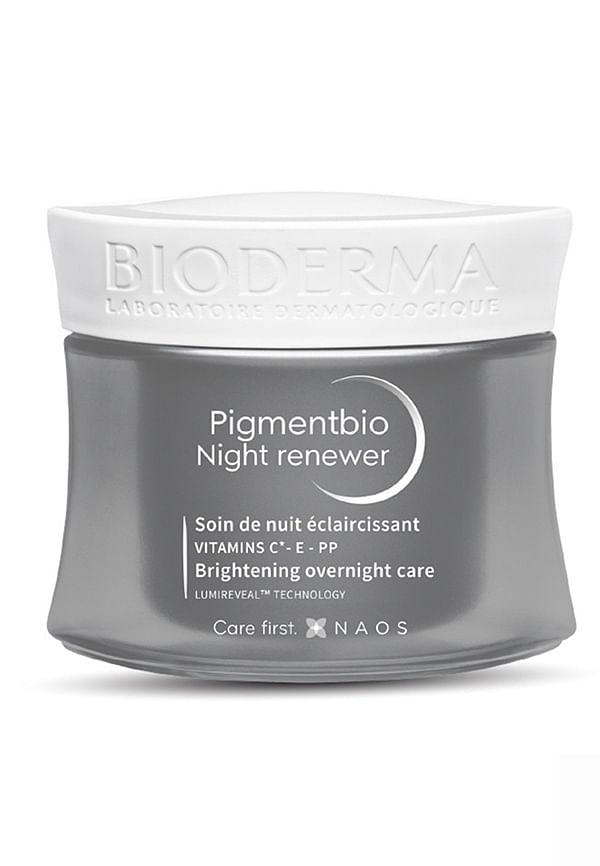
Pigmentbio Night Renewer Brightening Overnight Cream for Dark Spots, Sensitive Skin
When it comes to acne dark spot treatment, certain ingredients have robust clinical backing. Retinol and retinoids are absolute powerhouses for accelerating skin renewal. Start with a low concentration (0.25% or 0.5%) and gradually increase as your skin builds tolerance. Apply retinol in the evening, always followed by a good moisturiser. Vitamin C deserves a permanent spot in your morning routine. L-ascorbic acid is the most potent form, though it can be irritating for sensitive skin. Magnesium ascorbyl phosphate or sodium ascorbyl phosphate are gentler alternatives that still deliver results. Look for concentrations between 10-20% for optimal efficacy. Niacinamide is brilliantly versatile — it reduces inflammation, regulates oil production, and helps fade dark spots without irritation. It plays well with other ingredients and is suitable for all skin types. A 5-10% concentration is typically effective. Azelaic acid offers dual benefits: it helps prevent new breakouts whilst simultaneously fading existing marks. It's particularly effective for those dealing with both active acne and PIH. Over-the-counter formulations typically contain 10% azelaic acid, whilst prescription versions can go up to 20%.
When topical treatments aren't moving fast enough, professional interventions can significantly accelerate your results. Chemical peels are among the most effective options for reducing post inflammatory hyperpigmentation. Glycolic acid peels, salicylic acid peels, and combination peels can dramatically improve skin texture and tone. Light peels require minimal downtime and can be done monthly, whilst medium-depth peels offer more dramatic results but require 7-10 days of healing time. The key is working with a qualified professional who can assess your skin type and choose the appropriate peel strength. Microneedling works by creating controlled micro-injuries that stimulate collagen production and enhance product absorption. When combined with vitamin C or growth factor serums, it can be particularly effective for stubborn marks. Most people see results after 3-4 sessions spaced 4-6 weeks apart. Laser treatments like IPL (Intense Pulsed Light) and fractional lasers target pigment specifically, breaking it down so your body can naturally eliminate it. These treatments are highly effective but require careful consideration of your skin tone — some lasers can actually worsen hyperpigmentation in deeper skin tones. Costs vary significantly by location and provider, but expect to invest ₹3,000-₹8,000 per chemical peel session, ₹5,000-₹15,000 per microneedling session, and ₹8,000-₹25,000 per laser treatment. Most people need 3-6 sessions for optimal results.
Building an effective routine to clear dark spots from acne requires strategic layering and consistent application. Your morning routine should focus on protection and antioxidants. Start with a gentle cleanser that won't strip your skin's barrier — look for ingredients like ceramides or hyaluronic acid. Apply your vitamin C serum on clean, dry skin, followed by a lightweight moisturiser suitable for your skin type. The final step — and this cannot be emphasised enough — is broad-spectrum SPF 30 or higher. Sun exposure can darken existing marks and create new ones, essentially undoing all your hard work. Evening routines are where the real magic happens. Double cleansing ensures you're removing all traces of sunscreen and daily grime. Apply your treatment products (retinol, azelaic acid, or prescription treatments) to clean skin, then follow with a nourishing moisturiser to prevent irritation. Ingredient compatibility matters enormously. Avoid using retinol with vitamin C or AHAs in the same routine, as this can cause irritation. Instead, alternate nights or use vitamin C in the morning and retinol at night. Niacinamide plays well with almost everything and can be used twice daily.
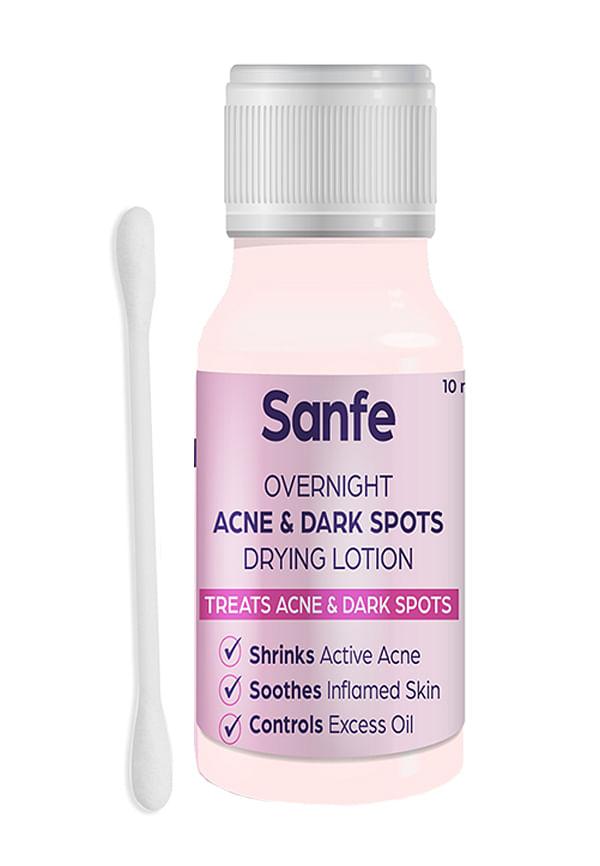
Overnight Acne & Dark Spots Drying Lotion
Preventing new hyperpigmentation after pimples is just as important as treating existing marks. The golden rule? Never pick at active breakouts. This seems obvious, but the temptation is real when you're dealing with a stubborn spot. Picking increases inflammation and significantly raises your risk of developing PIH. Treat active acne gently but effectively. Harsh scrubbing or over-drying treatments can actually worsen inflammation and increase your likelihood of developing dark spots. Instead, focus on gentle, consistent care with proven acne-fighting ingredients like salicylic acid or benzoyl peroxide. Building and maintaining your skin barrier is crucial for optimal healing. A compromised barrier leads to increased inflammation and slower recovery from breakouts. Incorporate barrier-supporting ingredients like ceramides, fatty acids, and cholesterol into your routine. Sun protection deserves its own mention again because it's that important. UV exposure not only darkens existing marks but can also trigger new pigmentation. Make SPF application as automatic as brushing your teeth — your future self will thank you.
The timeline varies significantly based on your treatment approach and skin type. With consistent topical treatment, you'll typically see initial improvement within 6-8 weeks, with significant fading occurring over 3-6 months. Professional treatments can accelerate this timeline, with some people seeing dramatic improvement in 2-3 months. Deeper, more established marks may take 6-12 months to fully fade.
True acne scars (textural changes) are more challenging to address than PIH and may not be completely removable, though they can be significantly improved. Post-inflammatory hyperpigmentation, however, can often be completely resolved with proper treatment and patience. The key is realistic expectations and consistent care.
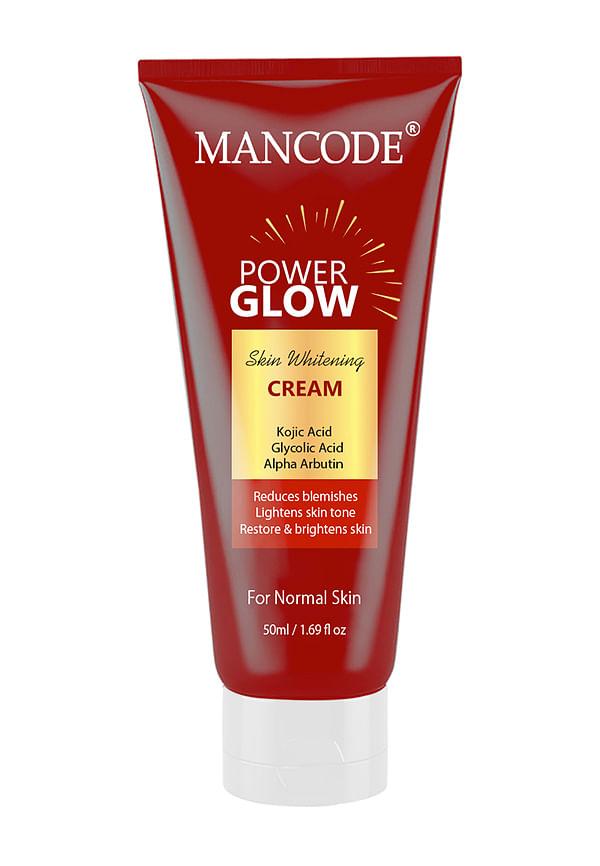
Power Glow Skin Whitening Cream Reduces Dark Spots
Yes, PIH will eventually fade on its own as your skin naturally sheds pigmented cells. However, this process can take 6-24 months without intervention. Treatment can reduce this timeline to 3-6 months whilst also preventing new marks from forming.
Deeper skin tones require more careful ingredient selection and treatment approaches. Some treatments that work well for lighter skin can actually worsen hyperpigmentation in darker skin tones. Hydroquinone, for example, should be used with extreme caution in deeper skin tones. Gentler alternatives like kojic acid, arbutin, or vitamin C are often safer choices.
Dealing with post-acne dark marks can feel overwhelming, but remember that these marks are treatable and temporary. The key is understanding your skin's needs, choosing evidence-based treatments, and maintaining consistency in your approach. Whether you opt for gentle topical treatments or decide to invest in professional procedures, patience and sun protection will be your best allies. Your skin's journey is unique, and what works for others might need tweaking for your specific needs. Don't be afraid to start with gentler options and gradually increase intensity as your skin adapts. With over 28 million users discovering products that work for their unique skin concerns, platforms like Smytten make it easier to explore different treatments and find what truly works for you. If you're curious about trying new products but hesitant to commit to full sizes, exploring minis can be a smart way to test different approaches before investing in your complete routine. Remember, achieving clear, even-toned skin is absolutely possible — it just takes the right combination of knowledge, products, and patience. Your skin has an incredible capacity to heal and renew itself, and with the right support, those stubborn marks will become nothing more than a memory.
