How to Fade Acne Marks with Vitamin C Serum
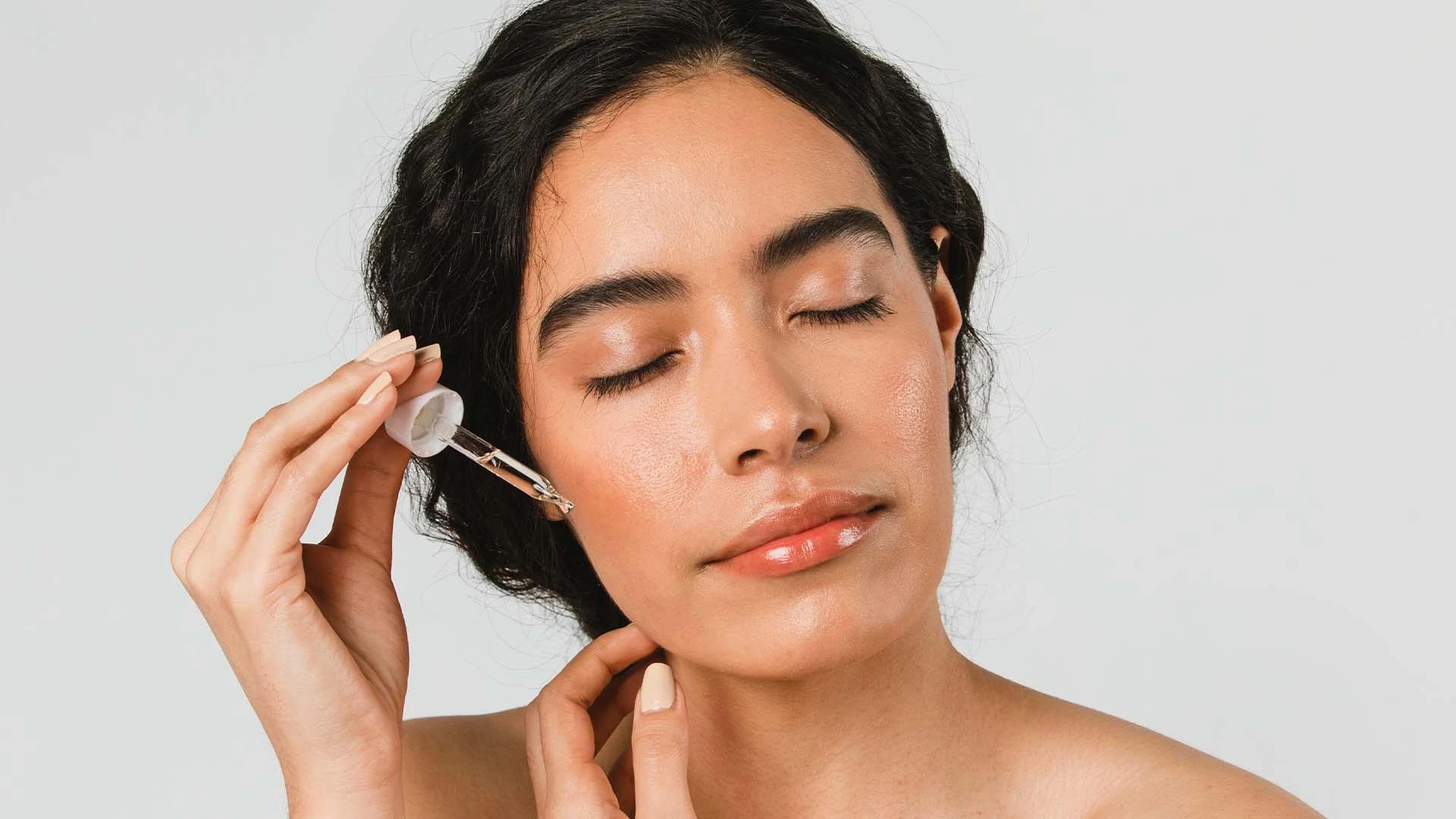

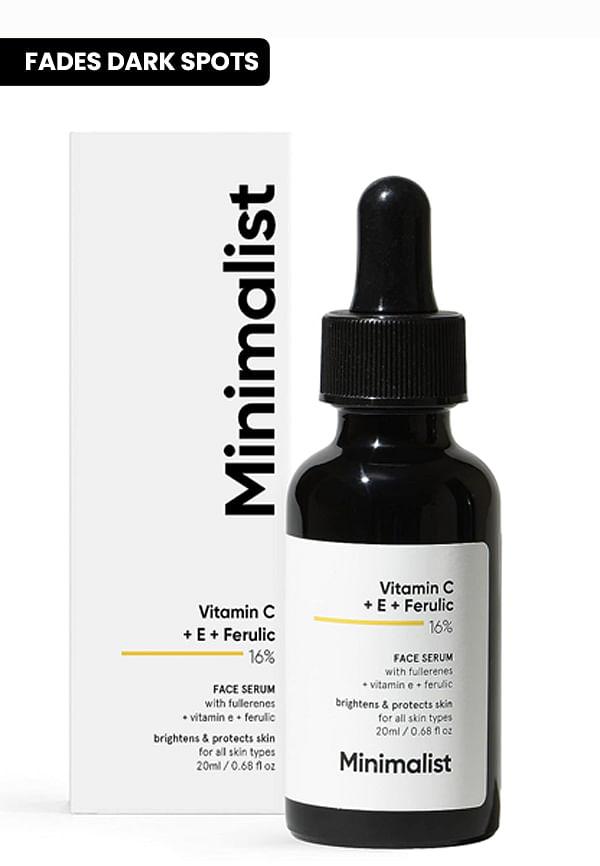
16% Vitamin C Face Serum (Advanced) With Vit E
Let's be real—dealing with acne marks can feel like a never-ending cycle. Just when you think your skin is clearing up, those stubborn dark spots stick around like unwanted guests. But here's the thing: vitamin C for acne marks fading isn't just skincare hype. This powerhouse ingredient has serious science backing its ability to brighten, heal, and transform your skin. Whether you're dealing with fresh marks or ones that have overstayed their welcome, understanding how to use vitamin C properly can be your ticket to clearer, more even skin. Ready to discover what actually works?
Before diving into solutions, it's crucial to know what you're actually dealing with. Not all post-acne issues are the same, and vitamin C serum for acne scars works differently depending on what type of marks you have.
These are the flat, discoloured patches that appear after a breakout heals. PIH happens when your skin produces excess melanin in response to inflammation from acne. Think of it as your skin's overprotective response—it's trying to shield the area but ends up creating those frustrating dark marks instead.
Vitamin C for dark spots is particularly brilliant here because it directly targets the melanin production process. These marks are purely pigmentation issues, not structural damage, which makes them much more responsive to topical treatments.
True acne scars involve actual tissue damage and come in different forms. Ice pick scars are deep and narrow, boxcar scars are wider with defined edges, and rolling scars create a wavy texture. There are also raised scars like hypertrophic and keloid types.
Here's where we need to set realistic expectations: whilst vitamin C benefits for skin include collagen support that can improve texture over time, it won't dramatically change deep structural scars. For those, you'd need professional treatments like chemical peels or laser therapy.
Understanding how vitamin C actually works helps you use it more effectively. This isn't just about slapping on any serum and hoping for the best—there's proper science behind why this ingredient is so effective for acne scar treatment at the pigmentation level.
Vitamin C works by inhibiting tyrosinase, the enzyme responsible for melanin production. Think of tyrosinase as the factory manager for pigment production—when vitamin C blocks it, less melanin gets made. This means existing dark spots gradually fade whilst new ones are prevented from forming.
The antioxidant properties also protect against free radical damage that can worsen hyperpigmentation. It's like having a protective shield whilst the repair work happens underneath.
Beyond pigmentation, vitamin C for skin brightening works through collagen stimulation. Vitamin C is essential for collagen synthesis, helping your skin repair and regenerate more effectively. This process can improve overall skin texture and help with minor textural irregularities from acne.
The increased cell turnover also means healthier skin cells replace damaged ones more quickly, contributing to that overall glow everyone's after.
Studies consistently show vitamin C's effectiveness for hyperpigmentation. Research indicates that consistent use of topical vitamin c for acne can reduce dark spots by 60-80% over 8-12 weeks. The key word here is consistent—sporadic use won't give you the results you're looking for.
Compared to other brightening ingredients like hydroquinone or kojic acid, vitamin C offers similar efficacy with better long-term skin health benefits and fewer side effects.
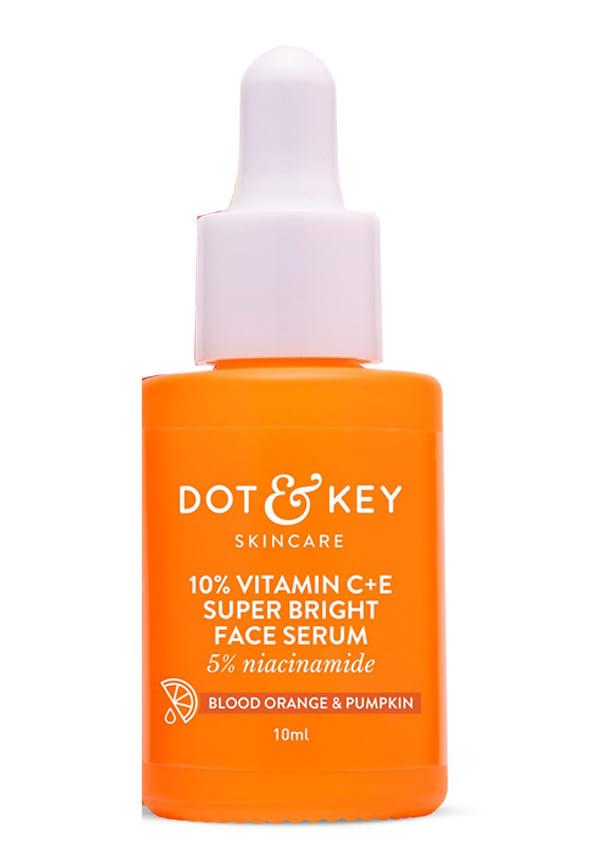
10% Vitamin C+E, 5% Niacinamide Face Serum For Glowing Skin
Not all vitamin C is created equal, and choosing the right type can make or break your results. The market is flooded with options, but understanding the differences helps you pick what's actually worth your money.
This is pure vitamin C in its most potent form. Best vitamin c for hyperpigmentation often contains L-ascorbic acid because it has the most research backing its effectiveness. Concentrations between 10-20% are optimal—anything higher isn't necessarily better and might cause irritation.
The downside? It's notoriously unstable and can oxidise quickly when exposed to light, air, or heat. Look for dark glass bottles and store them properly to maintain potency.
If your skin is sensitive or you're new to vitamin C, derivatives might be your best friend. Magnesium ascorbyl phosphate is gentler and more stable, making it perfect for daily use without irritation. Sodium ascorbyl phosphate offers similar benefits with added antimicrobial properties—bonus points for acne-prone skin.
Ascorbyl glucoside is another stable option that converts to vitamin C once absorbed. These derivatives work more slowly but are much more forgiving for sensitive skin types.
Serums are typically the most effective delivery method for vitamin c serum for face application. They have smaller molecules that penetrate better than creams. However, if you have very sensitive skin, a cream formulation might be gentler.
Pay attention to pH levels—vitamin C works best in slightly acidic formulations (pH 3.5-4). Also, look for complementary ingredients like vitamin E and ferulic acid, which stabilise vitamin C and boost its effectiveness.
Knowing how to fade acne marks with vitamin C isn't just about having the right product—it's about using it correctly. The application method, timing, and routine integration all matter for getting results.
Most experts recommend using vitamin C in the morning because of its antioxidant protection against environmental damage. Start with a gentle cleanser to prep your skin, then apply vitamin C to clean, dry skin before moisturiser and SPF.
If you're using other active ingredients like retinoids, consider alternating days or using vitamin C in the morning and retinoids at night. Your skin needs time to adjust, especially when building a comprehensive vitamin c skincare routine.
Less is more with vitamin C serums. A few drops are usually enough for your entire face—using too much won't speed up results and might cause irritation. Gently pat the serum into your skin rather than rubbing vigorously.
Focus on areas with marks, but don't neglect the rest of your face. Even application helps prevent uneven results and ensures overall skin health.
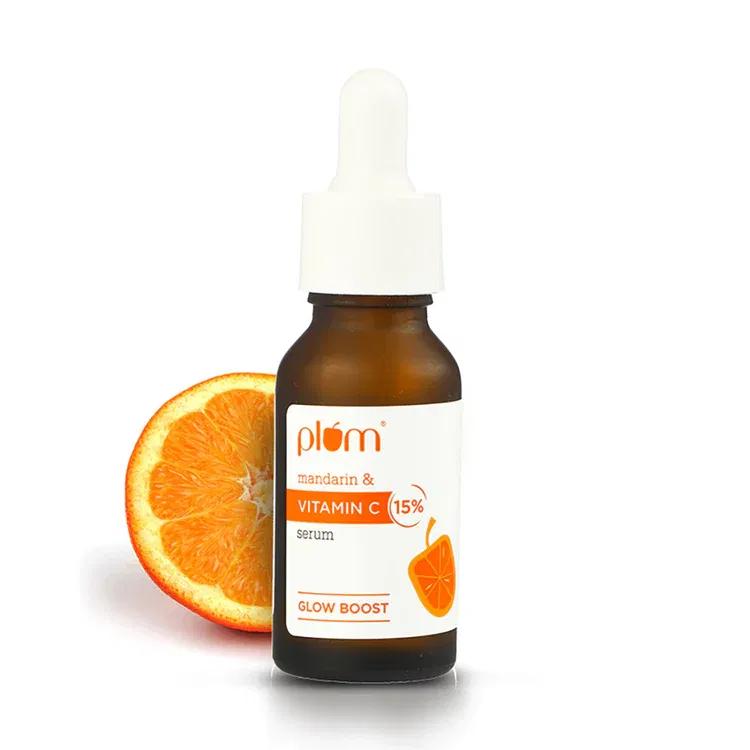
15% Vitamin C Face Serum with Mandarin
Vitamin C plays well with most ingredients, but there are some combinations to approach carefully. Niacinamide and vitamin C can be used together despite old myths about incompatibility—just introduce them gradually.
With retinoids, start slowly and monitor your skin's response. Some people can use both daily, whilst others need to alternate. Listen to your skin and adjust accordingly.
Managing expectations is crucial when starting any skincare treatment. Understanding the realistic timeline for vitamin C for acne marks fading helps you stay consistent and avoid giving up too early.
In the first 2-3 weeks, you'll likely notice improved skin brightness and a more even complexion overall. This is the antioxidant effects kicking in, even before significant mark fading occurs.
Weeks 4-6 are when visible mark lightening typically begins. Dark spots start looking less intense, and newer marks may fade more quickly than older ones.
The 8-12 week mark is where you'll see the most dramatic results. This is when consistent use really pays off, and stubborn marks finally start surrendering to your routine.
Your skin type plays a huge role in how quickly you see results. Oily skin often responds faster due to better product penetration, whilst dry or sensitive skin might take longer but still gets there eventually.
The age and severity of marks also matter. Fresh marks from recent breakouts typically fade faster than marks that have been hanging around for months or years.
Sun protection is non-negotiable when using vitamin C for hyperpigmentation. UV exposure can darken existing marks and create new ones, essentially undoing your progress. Daily SPF 30 or higher is essential.
Gentle skincare practices also support your vitamin C treatment. Avoid harsh scrubbing or picking at active breakouts, which can create new marks to deal with later.
Even the best ingredients can backfire if used incorrectly. Understanding common pitfalls helps you avoid setbacks and get the results you're after more efficiently.
Starting with too high a concentration is a classic mistake. Your skin needs time to build tolerance, so begin with lower concentrations and gradually increase if needed. Patch testing on a small area first can save you from widespread irritation.
Signs of overuse include redness, stinging, or increased sensitivity. If this happens, scale back frequency or concentration until your skin adjusts.
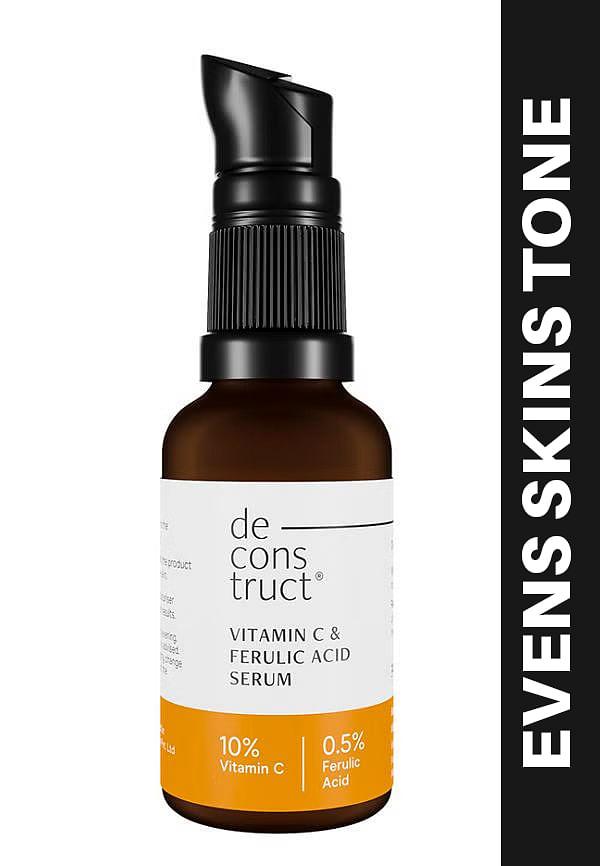
Vitamin C & Ferulic Acid Serum
Not all vitamin C products are worth your money. Avoid serums that are already brown or orange—this indicates oxidation and reduced effectiveness. Clear or very light yellow is what you want to see.
Extremely cheap vitamin C products often use ineffective forms or concentrations. Whilst you don't need to break the bank, quality formulations do cost more to produce.
If you're not seeing results after 8-10 weeks of consistent use, consider whether you're using an effective concentration, storing the product properly, or if other factors like sun exposure are interfering.
Sometimes switching to a different form of vitamin C or adding complementary ingredients can make the difference. Don't give up too quickly—skin transformation takes time.
This is where platforms like Smytten become invaluable for your skincare journey. Instead of committing to full-size products that might not work for your skin, you can try curated trial packs from trusted brands. With access to over 1,500 brands including skincare favourites like Cetaphil and Dot & Key, you can experiment with different vitamin C formulations to find your perfect match. Getting up to 8 minis for just ₹249 with 100% cashback makes it affordable to test multiple options without the usual trial-and-error expense.
Vitamin C is most effective for post-inflammatory hyperpigmentation (dark marks) rather than true structural acne scars. It can significantly fade discolouration and improve skin texture, but deep scars typically require professional treatments like chemical peels or laser therapy for dramatic improvement.
With consistent daily use, you may notice improved skin brightness within 2-3 weeks. Visible fading of acne marks typically begins around 4-6 weeks, with significant results appearing after 8-12 weeks of regular application.
Morning application is generally recommended because vitamin C provides antioxidant protection against environmental damage throughout the day. However, if you experience sensitivity, evening use can be just as effective for fading marks.
Yes, vitamin C can be combined with most acne treatments. It pairs well with niacinamide and can be alternated with retinoids. Start slowly when combining actives and monitor your skin's response to avoid irritation.
For beginners, start with 10-15% L-ascorbic acid or stable derivatives. Experienced users can use up to 20% concentrations. Higher percentages aren't necessarily better—consistency and proper formulation matter more than concentration alone.
Common reasons include using an oxidised product, insufficient concentration, inconsistent application, or unrealistic expectations for structural scars. Ensure you're using a stable, well-formulated product consistently for at least 8-10 weeks before evaluating results.
Vitamin C for acne marks fading is one of the most scientifically-backed approaches to achieving clearer, more even skin. The key is understanding what type of marks you're dealing with, choosing the right formulation, and maintaining consistency in your routine. Remember that post-inflammatory hyperpigmentation responds much better to vitamin C than structural scars, so set realistic expectations from the start.
The journey to fading acne marks isn't always straightforward, and what works for your friend might not work for you. This is where Smytten's approach to product discovery becomes a game-changer. With over 25 million users and 100 million trial minis delivered, the platform understands that finding the right skincare products shouldn't involve expensive guesswork. Whether you're exploring vitamin C serums from established brands or discovering new formulations, having the option to try before committing to full sizes makes building an effective routine both affordable and smart.
Your skin deserves products that actually work, not just ones that promise results. With consistent use of the right vitamin C formulation, proper sun protection, and patience for the process, those stubborn acne marks can become a thing of the past. After all, why settle for maybe when you can find what actually works for your unique skin?
