How to Effectively Treat Whiteheads with Salicylic Acid
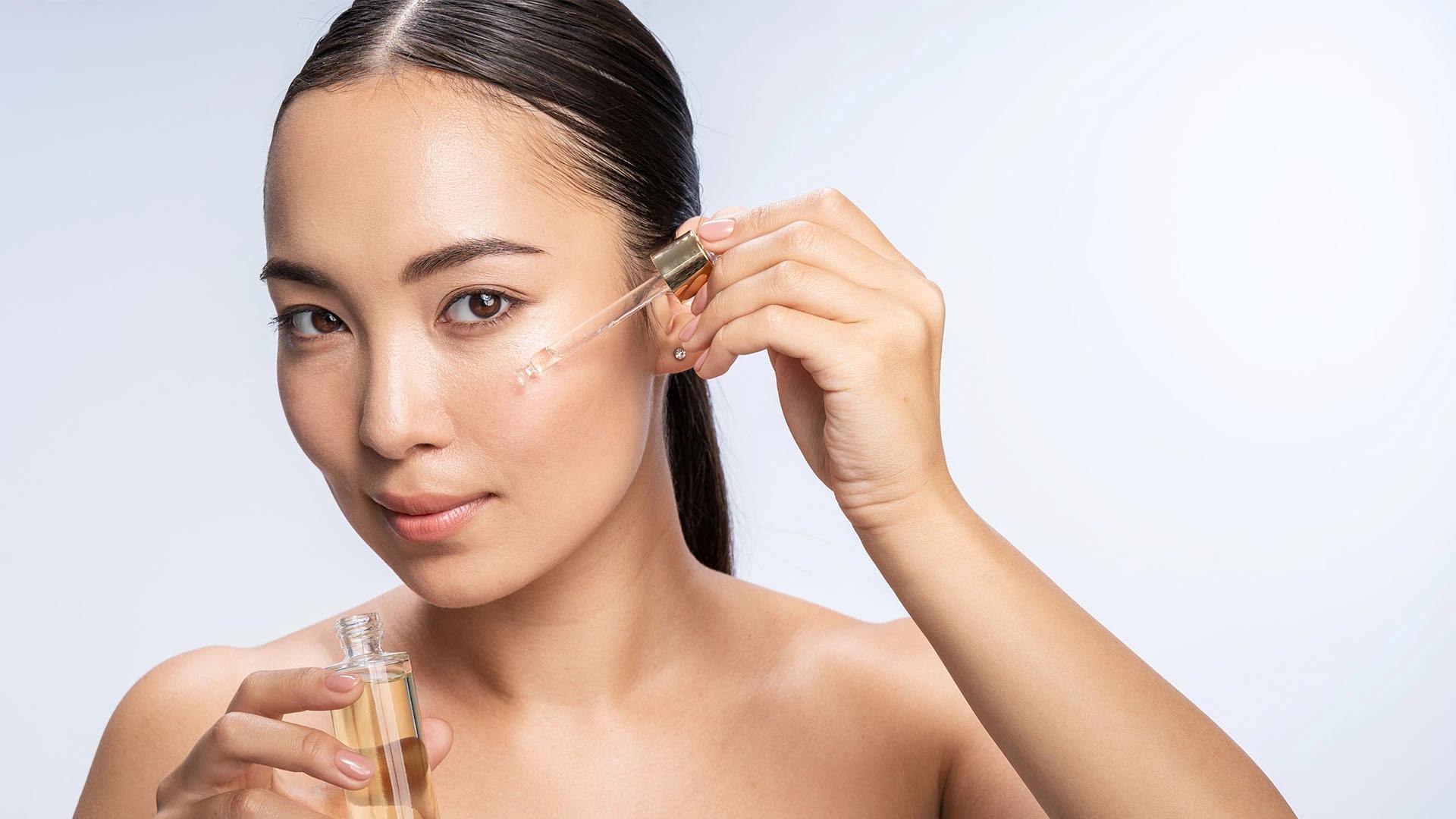

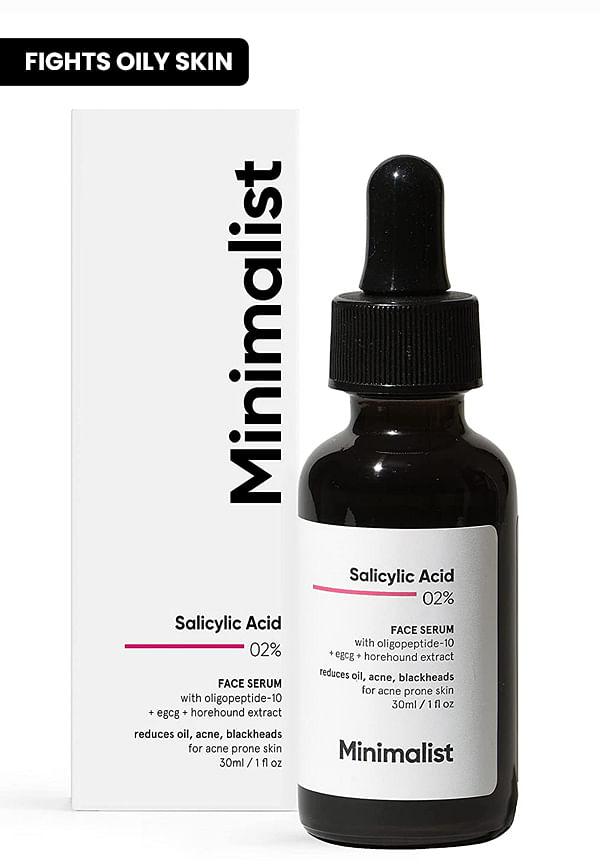
2% Salicylic Acid Serum For Acne, Blackheads & Open Pores
Love this product
 5
5“absolutely love this . It is my 3rd bottle I purchased . And it actually worth to buying it again and again”
Good & Effective Product
5“This product is quiet good, it sticks ro it's relevance ”
Good for acne
5“I'm using it from past 1 month it's too good for acne”
Those tiny white bumps on your face might seem harmless, but whiteheads can be proper stubborn when it comes to skincare woes. Unlike their blackhead cousins, these closed comedones sit under the skin's surface, making them trickier to tackle. But here's the thing—salicylic acid for whiteheads treatment has become the go-to solution that actually works. This beta hydroxy acid doesn't just sit on your skin's surface; it dives deep into pores to clear out the gunk that's causing those pesky bumps. Let's break down everything you need to know about using salicylic acid to get your skin back on track.
Real talk—whiteheads are basically your pores having a bit of a meltdown. They form when dead skin cells, excess oil, and bacteria get trapped inside a pore that's completely closed off from the surface. Unlike blackheads, which are open to air and turn dark, whiteheads stay sealed under a thin layer of skin, keeping that white or yellowish appearance.
Several factors contribute to whitehead formation, and understanding them helps you tackle the problem at its root:
Excess sebum production: Your oil glands working overtime
Dead skin cell buildup: When your skin doesn't shed properly
Hormonal fluctuations: Particularly during periods, pregnancy, or stress
Genetics: Some people are just more prone to clogged pores
Heavy skincare products: Comedogenic ingredients that block pores
While both are types of comedones, they're quite different beasts. Blackheads are open comedones where the pore opening allows air to reach the trapped material, causing oxidation and that dark colour. Whiteheads, on the other hand, are closed comedones where the pore remains sealed, keeping the contents white or flesh-toned. This makes whiteheads harder to extract and often more persistent than blackheads.
When it comes to acne treatment, salicylic acid stands out because it's oil-soluble. This means it can penetrate through the sebum in your pores—something water-soluble ingredients simply can't do effectively. It's like having a key that actually fits the lock.
This beta hydroxy acid (BHA) works through a process called keratolysis—basically, it helps dissolve the bonds between dead skin cells. For pore cleansing, this is brilliant because it can reach inside the pore and break down the mixture of oil and dead skin that's causing the blockage. It's also anti-inflammatory, which helps reduce the redness and irritation that often comes with whiteheads.
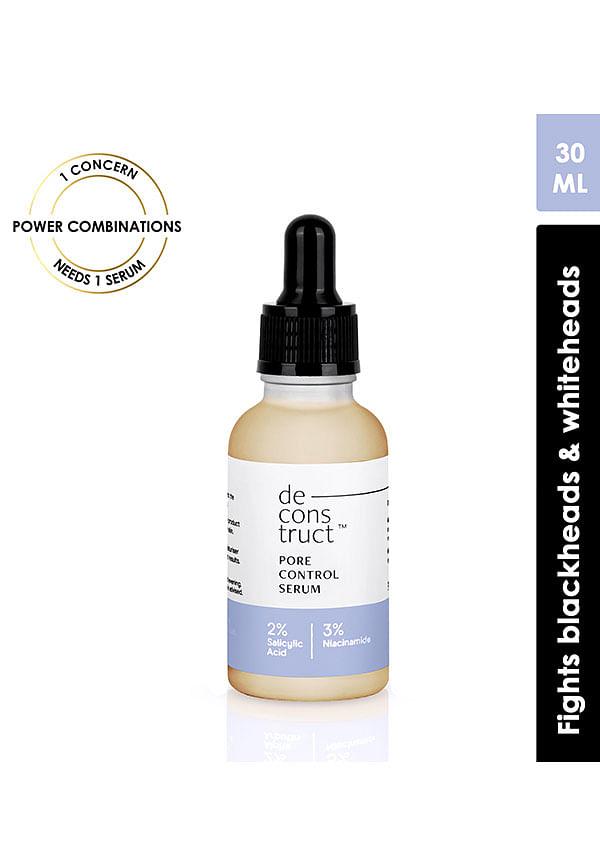
Pore Control Serum Salicylic Acid + Niacinamide Anti Acne Face Serum
Minimizes Small Pores
4“It helps in minimising pores but not effective on too large pores”
Good Product, Love It
5“good product.....love it......”
Loved Product & Fast Delivery
5“loved the product n delivery was too fast”
The perks don't stop at whitehead removal:
Prevents future breakouts: Regular use keeps pores clear
Reduces oil production: Helps regulate sebum over time
Improves skin texture: Exfoliating for whiteheads also smooths overall skin
Minimises pore appearance: Clean pores look smaller
Anti-inflammatory action: Calms existing breakouts
Getting started with salicylic acid doesn't have to be complicated, but doing it right makes all the difference. The key is starting slow and building up your skin's tolerance while choosing the right products for your specific needs.
Not all salicylic acid products are created equal. For beginners, 0.5% to 1% is usually the sweet spot. If you've got sensitive skin, start with 0.5%. Those with oilier, more resilient skin might handle 2% formulations better. The best cleanser for whiteheads often contains around 1% salicylic acid, which provides effective treatment without being too harsh for daily use.
Here's where most people go wrong—they either use too much or apply it incorrectly. Start with clean, dry skin. Apply a thin layer of your salicylic acid product, avoiding the eye area. If you're using a cleanser, massage gently for 30 seconds before rinsing. For leave-on treatments, let it absorb completely before applying other products.
A proper routine makes all the difference:
Morning: Gentle cleanser, salicylic acid treatment (if tolerated), moisturiser, SPF
Evening: Double cleanse if wearing makeup, salicylic acid product, hydrating serum, night moisturiser
Start frequency: Every other day, then build up to daily use
While salicylic acid is brilliant, it's worth knowing how it stacks up against other popular treatments. Each ingredient has its strengths, and sometimes combining them (carefully) can give even better results.
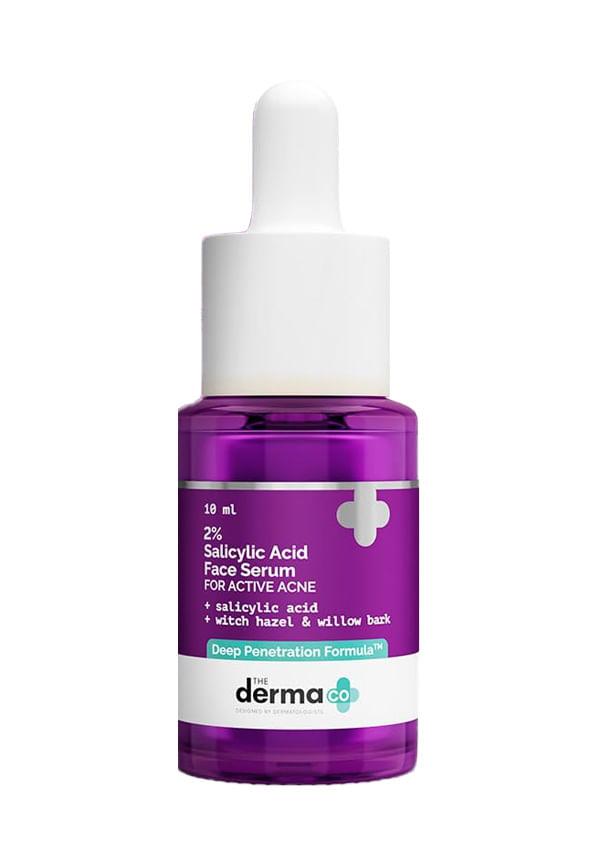
2% Salicylic Acid Serum with Witch Hazel & Willow Bark
Fast Delivery & Good Quality
5“the packaging and deliver time is owsome delivererd this product only in 2 days nad quality is very good”
Good for black patches
4“this is good product to clean black patches”
Very Good Product, Instant Results
5“very good product gives you a instant results”
Benzoyl peroxide works differently—it's antibacterial and helps kill the bacteria that contribute to acne. While salicylic acid focuses on unclogging pores, benzoyl peroxide tackles the bacterial aspect. For stubborn whiteheads, some people find success using both, but never at the same time. Use salicylic acid in the morning and benzoyl peroxide at night, or alternate days.
Retinoids like adapalene can be incredibly effective for whiteheads by speeding up cell turnover. Niacinamide helps regulate oil production and reduces inflammation. AHAs like glycolic acid work on the surface level but can complement salicylic acid's deeper action. The key is not to overwhelm your skin by using everything at once.
Let's be honest about expectations—skincare isn't magic, and results take time. Understanding the timeline helps you stick with the routine when you're not seeing immediate changes.
Week 1-2: You might experience some dryness or mild irritation as your skin adjusts. Some people notice a slight "purging" where existing whiteheads come to the surface faster. Week 3-4: Your skin should start adapting, with less irritation and the first signs of improvement. Existing whiteheads may start looking smaller or less inflamed.
Month 2-3: This is when you'll likely see the most dramatic improvements. New whiteheads should be forming less frequently, and your overall skin texture should look smoother. Month 3-6: With consistent use, many people find their skin reaches a new baseline where whiteheads are rare rather than a constant concern.
Salicylic acid is generally well-tolerated, but it's still an active ingredient that can cause issues if you're not careful. Knowing what to watch for helps you adjust your routine before problems get serious.
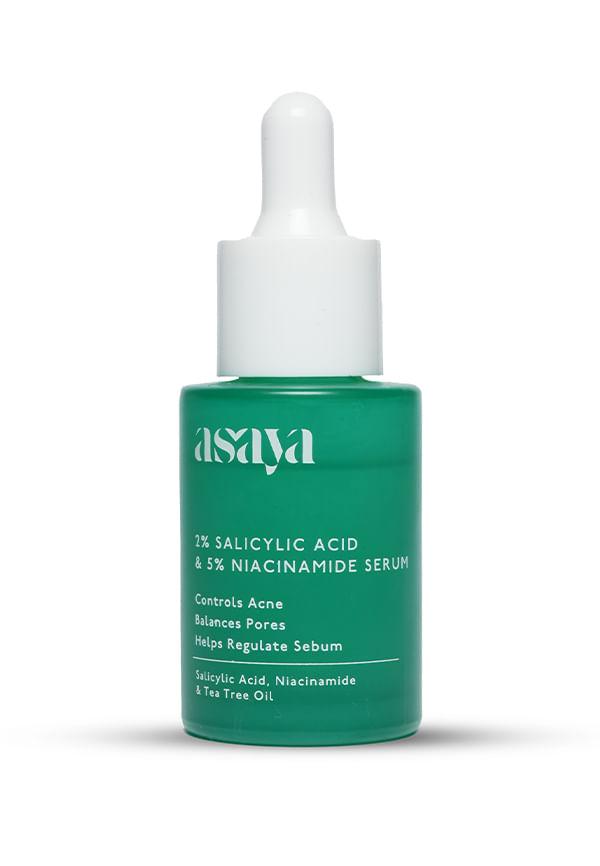
2% Salicylic Acid & 5% Niacinamide Face Serum
Effective for acne-prone skin
4“this serum is very effective for my acne prone skin”
Effective for acne-prone skin
4“this serum is very effective for my acne prone skin”
Good Product
5“it's a good product loved it...”
Dryness and peeling are the most common issues, especially when starting out. If this happens, reduce frequency and amp up your moisturiser game. Increased sun sensitivity is another biggie—SPF becomes non-negotiable. Some people experience initial breakouts as the acid brings existing clogs to the surface faster than usual.
If you're pregnant or breastfeeding, check with your healthcare provider first. People with aspirin allergies should avoid salicylic acid entirely. If you have very sensitive skin conditions like rosacea or eczema, this might not be the right choice for you.
Finding the right salicylic acid for whiteheads treatment often involves some trial and error. That's where platforms like Smytten come in handy—with curated trial packs from trusted brands like Cetaphil and Dot & Key, you can test different formulations before committing to full-size products. Getting up to 8 minis for just ₹249 means you can explore various salicylic acid products without the financial risk of buying full sizes that might not work for your skin.
Salicylic acid doesn't instantly remove whiteheads, but it dissolves the material inside them over time. Most people see existing whiteheads shrink within 1-2 weeks of consistent use, while prevention of new ones takes about 4-6 weeks to become noticeable.
While salicylic acid is excellent for long-term treatment, the fastest results often come from combining it with proper cleansing and avoiding pore-clogging products. Professional extractions can provide immediate results, but they should be done by a qualified aesthetician to avoid scarring.
Salicylic acid is generally considered the gold standard for whiteheads because it's oil-soluble and can penetrate pores effectively. AHAs like glycolic acid work on the surface level, while retinoids speed up cell turnover. For most people, salicylic acid provides the best balance of effectiveness and tolerability.
Both can be effective, but leave-on treatments like serums typically provide better results because they have more contact time with your skin. Cleansers are gentler and better for beginners or those with sensitive skin. You can also use both—a salicylic acid cleanser followed by a lower-concentration serum.
Treating whiteheads with salicylic acid isn't about quick fixes—it's about consistent, patient skincare that actually works. The key is starting slowly, choosing the right concentration for your skin type, and giving it time to work its magic. Remember that everyone's skin is different, so what works brilliantly for your mate might need tweaking for you.
With over 25 million users discovering their perfect skincare matches, Smytten understands that finding the right products shouldn't involve guesswork or expensive mistakes. Whether you're exploring salicylic acid treatments from established brands or trying new formulations, the platform's trial-first approach means you can discover what works for your unique skin without the commitment. After all, why settle for 'maybe this will work' when you can try it all and find what actually does?
