How to Effectively Treat Sun Spots for Women

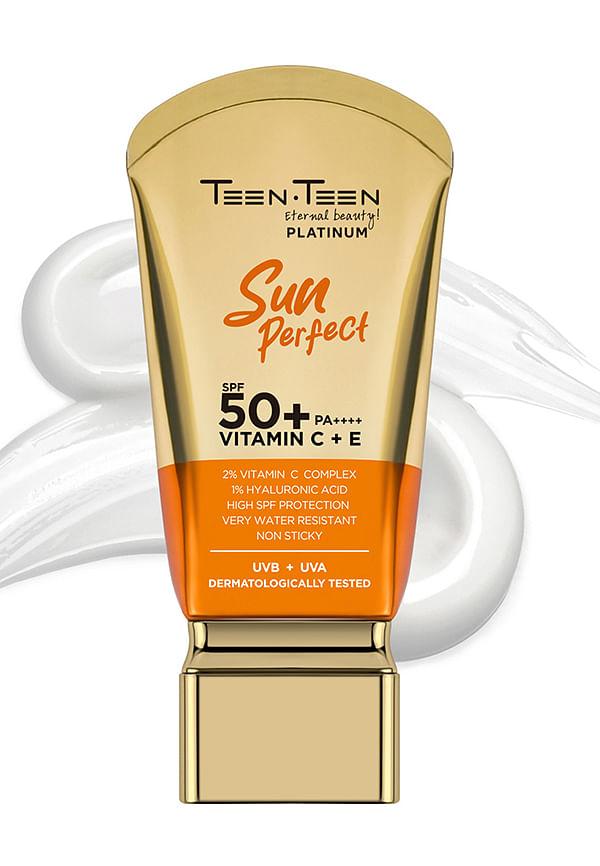
Sun Perfect Sunscreen
Living in India's sunny climate means dealing with intense UV rays year-round, and if you're noticing dark patches or spots on your face, you're definitely not alone. Sun spots are one of the most common skincare concerns for women, especially those in high-sun areas where UV exposure is constant. These stubborn marks can make your skin look uneven and aged, but here's the good news—effective sun spot treatment for women in high-sun areas is totally achievable with the right approach. Whether you're dealing with fresh spots or ones that have been hanging around for years, there are proven methods to help you get back to clear, radiant skin.
Sun spots, also called age spots or solar lentigines, are flat, brown or black spots that appear on areas frequently exposed to the sun. They're basically your skin's way of trying to protect itself from UV damage by producing extra melanin. But let's be real—they're not exactly the glow we're going for.
Not all dark spots are created equal, and knowing what you're treating makes a huge difference:
Age spots are the classic flat, brown patches that show up on your face, hands, and shoulders. These are pure sun damage and respond well to most treatments.
Melasma creates larger, symmetrical patches, often triggered by hormones during pregnancy or from birth control. This one's trickier and needs specific melasma treatment approaches.
Post-inflammatory hyperpigmentation happens after acne, cuts, or other skin injuries. These spots can be darker and more stubborn than regular sun spots.
Here's something that might surprise you—women are actually more prone to developing sun spots than men. Hormonal changes during pregnancy, menstruation, and menopause can trigger extra melanin production. Add birth control pills to the mix, and your skin becomes even more sensitive to UV damage.
In high-sun areas like coastal cities or places with high altitude, the UV intensity is amplified. Water, sand, and concrete reflect UV rays back at your skin, creating a double-dose effect that makes hyperpigmentation treatment even more crucial.
When you're serious about getting rid of stubborn spots, professional treatments can deliver faster, more dramatic results than at-home options. Here's what dermatologists recommend for effective sun spot removal.
Chemical peels use acids to remove the top layers of damaged skin, revealing fresh, even-toned skin underneath. Light peels with glycolic or lactic acid work well for surface-level spots, while deeper peels with TCA can tackle more stubborn pigmentation.
You'll typically need 3-6 sessions spaced a few weeks apart. Expect some peeling and redness for about a week after each treatment.
Laser therapy is brilliant for age spot removal because it can target specific spots without affecting surrounding skin. Q-switched lasers break up melanin deposits, which your body then naturally eliminates over the following weeks.
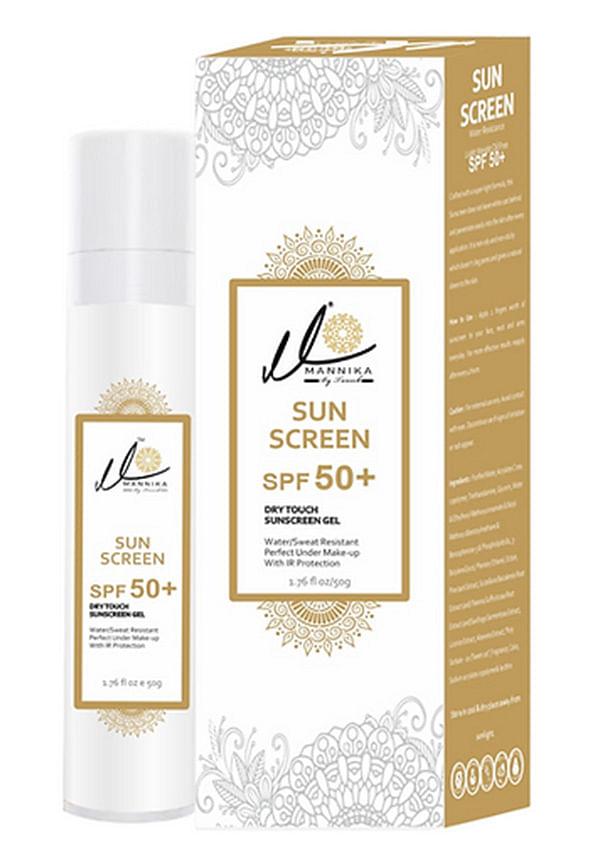
Sunscreen Spf 50+ With Aloe Vera Extract
Great Texture, Makeup Compatible
 4
4“love the texture. can be use under makeup”
No White Cast
5“doesn't leave white cast which is actually good”
Great Sunscreen & Delivery
5“sunscreen to good on time delivery”
Most people see significant improvement after 2-4 sessions. The spots might initially look darker before they start fading—totally normal and part of the healing process.
Intense Pulsed Light (IPL) treatments work like a gentler version of laser therapy. They're particularly good for treating multiple spots at once and can help with overall uneven skin tone correction.
Professional treatments are amazing, but consistent at-home care is where the magic really happens. The right dark spot corrector routine can prevent new spots while fading existing ones.
When shopping for products, these ingredients have serious science backing them up:
Vitamin C serums are your best friend for prevention and treatment. Look for L-ascorbic acid or magnesium ascorbyl phosphate in concentrations of 10-20%. A good skin brightening serum with vitamin C can fade spots while protecting against new damage.
Retinoids speed up cell turnover, helping spotted skin shed faster while encouraging fresh, even-toned skin to surface. Start with retinyl palmitate or retinol, then work up to prescription tretinoin if needed.
Hydroquinone is considered the gold standard for spot treatment, but it's strong stuff. Use it under dermatologist guidance and never for more than a few months at a time.
Kojic acid and arbutin are gentler alternatives that work by inhibiting melanin production. They're perfect for sensitive skin or long-term maintenance.
Morning routine should focus on protection and gentle brightening. Start with a vitamin C serum, follow with moisturiser, then apply broad-spectrum SPF 30 or higher.
Evening is when you bring out the big guns. After cleansing, apply your treatment products—retinoids, hydroquinone, or other spot-targeting ingredients. Always follow with a good moisturiser to prevent irritation.
The best sun damage repair strategy is preventing new damage while treating existing spots. In high-sun areas, this means being extra vigilant about protection.
Your sunscreen needs to work overtime in sunny climates. Look for broad-spectrum protection with at least SPF 30, but SPF 50 is better for daily wear. Zinc oxide and titanium dioxide provide the most reliable protection.
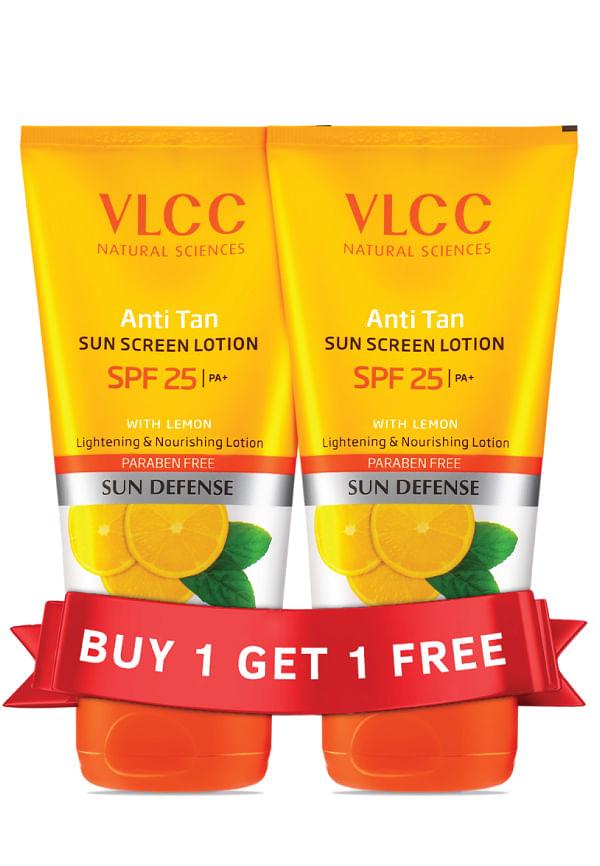
Anti Tan Sun Screen Lotion - SPF 25 PA+ Buy One Get One
Lightweight and Amazing Feel
5“light weight feel like a amazing”
Nice, useful product
5“Nice product must try. very useful.”
Great Product & Delivery
5“it is a nice product fantastic delivery”
Reapply every two hours, or more often if you're sweating or swimming. This isn't negotiable if you want your spot treatments to work.
Time your outdoor activities for early morning or late afternoon when UV rays are less intense. Seek shade whenever possible, and invest in a wide-brimmed hat and UV-protective clothing.
Antioxidant-rich foods like berries, leafy greens, and green tea can provide internal protection against UV damage. Some people also benefit from oral antioxidant supplements, though food sources are always best.
If you prefer gentler methods or have sensitive skin, natural ingredients can still deliver results for pigmentation reduction. They work more slowly than clinical treatments, but they're much less likely to cause irritation.
Niacinamide (vitamin B3) is incredibly gentle yet effective for evening out skin tone. It works by preventing melanin transfer to skin cells and has anti-inflammatory benefits too.
Liquorice root extract contains glabridin, which naturally inhibits melanin production. It's particularly good for sensitive skin that can't tolerate stronger ingredients.
Alpha arbutin, derived from bearberry plants, works similarly to hydroquinone but much more gently. It's a great option for long-term maintenance.
Gentle exfoliation with lactic acid (found in yoghurt) or fruit enzymes can help speed up cell turnover naturally. Just remember that consistency matters more than intensity with natural treatments.
Vitamin E oil can help with healing and may prevent new spots from forming, though it won't fade existing ones quickly.
Let's set realistic expectations because patience is key with any spot treatment. Most people start seeing improvements around 6-8 weeks with consistent use of effective products.
Weeks 1-2: You might not see much change, but your skin is starting to respond. Some people experience mild irritation as skin adjusts to new products.
Weeks 3-6: Spots may start looking lighter, and overall skin tone begins to even out. This is when you'll really start noticing the difference.
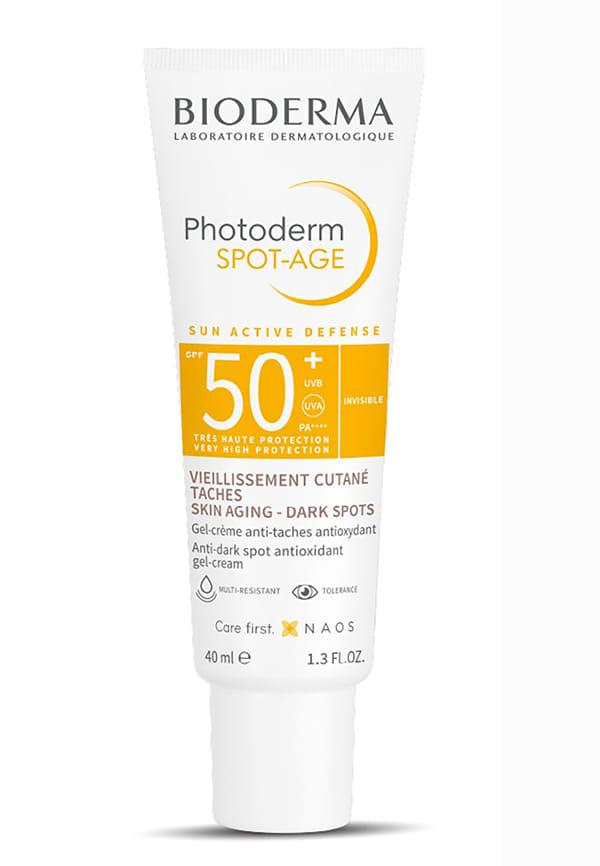
Photoderm Spot Age SPF 50+ Reduces Spots And Wrinkles Antioxidant Boosted Suncare
Weeks 8-12: Significant improvement should be visible. Lighter spots may be completely gone, while deeper ones continue fading.
The key is consistency. Missing days or switching products too frequently will slow your progress significantly.
Newer spots respond faster than old ones. Spots that have been there for years need more patience and possibly stronger treatments.
Your skin type matters too. Oily skin often responds faster to treatments, while dry or sensitive skin may need gentler, slower approaches.
When it comes to finding the right products for your sun spot treatment for women in high-sun areas, trial and error used to be expensive and frustrating. That's where Smytten comes in as a game-changer. As India's largest product discovery platform, Smytten lets you try mini versions of over 1,500 trusted skincare brands before committing to full sizes. You can explore different dark spot correctors, skin brightening serums, and sun damage repair products from brands like Cetaphil and Dot & Key without the risk of wasting money on products that don't work for your skin.
Most people start seeing improvements around 6-8 weeks with consistent daily use. Lighter, newer spots may fade in 4-6 weeks, while deeper, older spots can take 3-6 months or longer to significantly improve.
Age spots are typically small, round, and caused purely by sun damage. Melasma creates larger, symmetrical patches often triggered by hormonal changes during pregnancy or from birth control. Melasma is trickier to treat and often requires specific approaches.
Absolutely! Consistent broad-spectrum SPF 30+ sunscreen, protective clothing, seeking shade during peak hours (10am-4pm), and antioxidant-rich skincare can significantly prevent new spots from forming.
Not necessarily. Some affordable ingredients like vitamin C, niacinamide, and retinol are incredibly effective. The key is consistency and choosing products with proven ingredients rather than focusing on price alone.
Avoid harsh scrubs, lemon juice, and other DIY acids that can cause irritation. Be cautious with hydroquinone (use under guidance), and always patch test new products. Avoid mixing certain actives like retinoids with AHAs/BHAs initially.
Treating sun spots effectively requires a combination of the right products, consistent routine, and realistic expectations. Whether you choose professional treatments or focus on at-home care, the most important factor is sticking with your routine and protecting your skin from further damage.
Remember that everyone's skin responds differently, so what works for your friend might not be your perfect match. With Smytten's trial approach, you can discover what truly works for your unique skin needs without the guesswork. The platform's 100% cashback on trial minis makes it affordable to experiment with different approaches until you find your perfect sun spot treatment routine. After all, why settle for maybe when you can try it all and find what actually works for your skin?
