How to Effectively Remove Body Pigmentation Safely

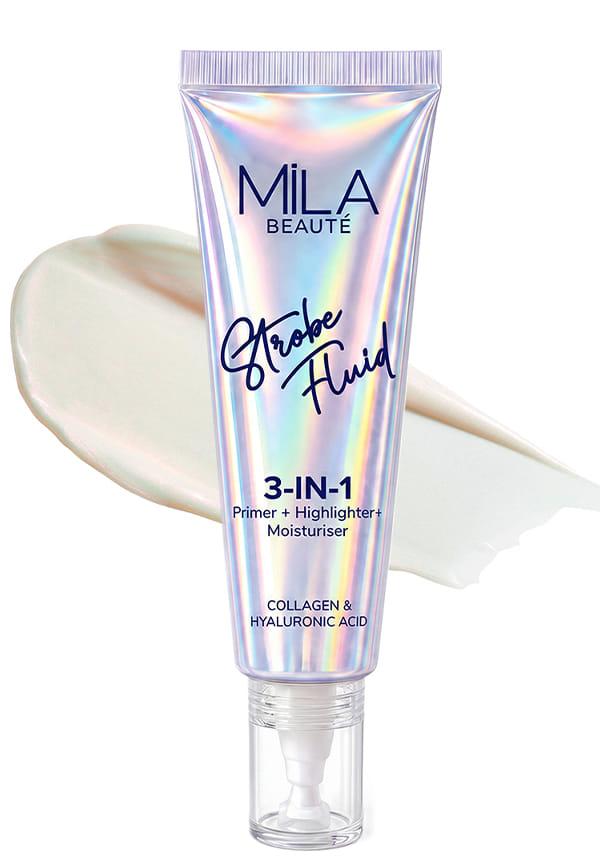
Super Skin Strobe Fluid
Impressive Super Strobe
 5
5“must buy an impressive super strobe 😍 love it 😍”
Impressive Super Strobe
5“must buy an impressive super strobe 😍 love it 😍”
Impressive Super Strobe
5“must buy an impressive super strobe 😍 love it 😍”
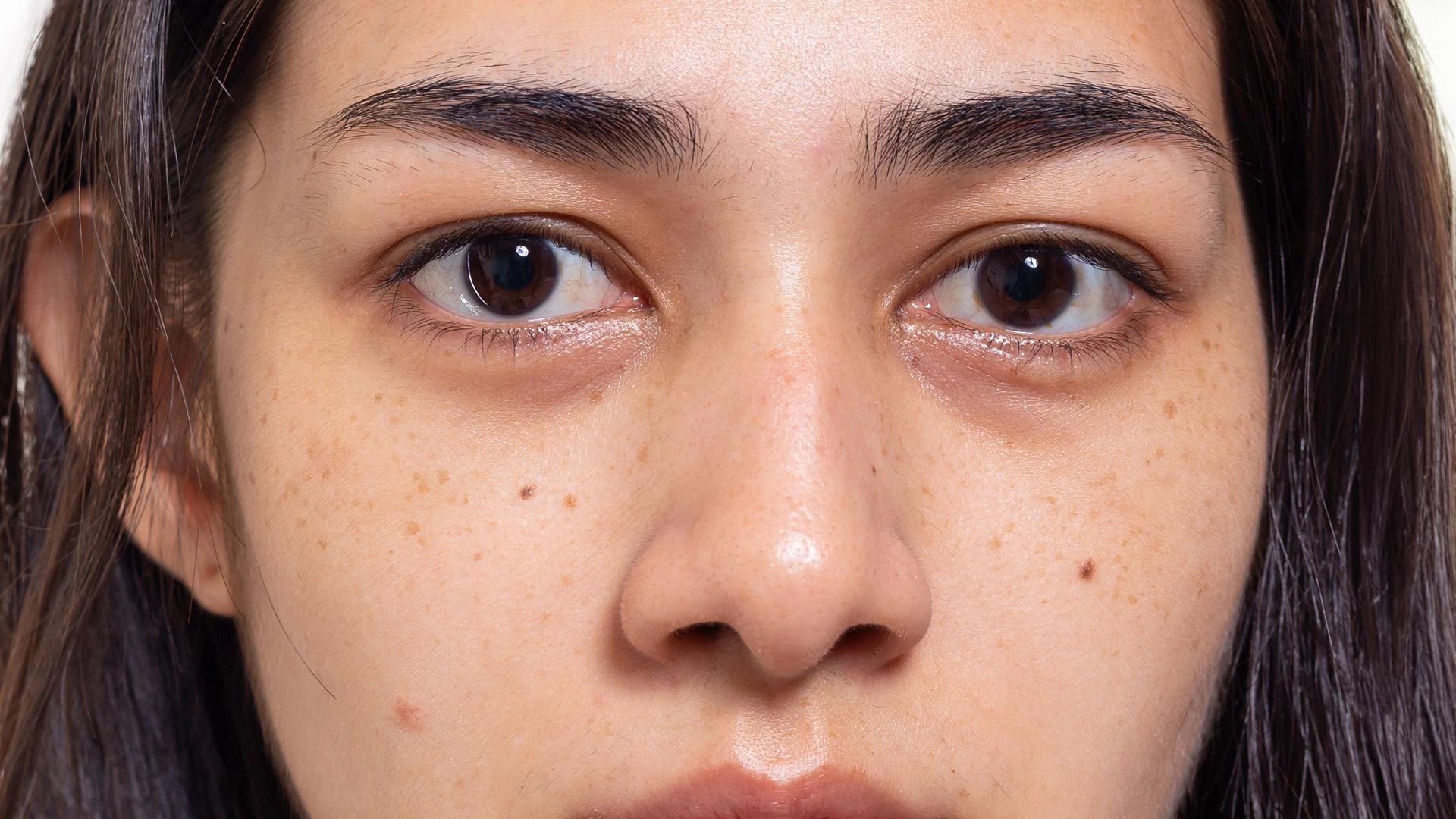
Dealing with body pigmentation can feel like a never-ending battle, especially when you're trying to figure out what actually works versus what's just marketing hype. Whether you're dealing with dark spots from old acne, sun damage from those beach holidays, or stubborn patches that seem to have appeared out of nowhere, you're definitely not alone in this struggle. The good news? There are proven methods for body pigmentation removal that can help you achieve more even skin tone safely. Let's dive into what actually works, what to avoid, and how to approach skin discoloration treatment without damaging your skin in the process.
Before jumping into treatments, it's worth understanding what you're actually dealing with. Body pigmentation occurs when your skin produces too much melanin in certain areas, leading to those frustrating dark patches or spots. Unlike facial pigmentation, body pigmentation often covers larger areas and can be trickier to treat because the skin on your body is generally thicker and less sensitive than your face.
The main culprits behind body pigmentation are usually pretty straightforward. Sun exposure tops the list – those UV rays trigger your skin to produce extra melanin as protection, but sometimes it goes overboard and creates uneven patches. Friction from tight clothing, bra straps, or even repeated rubbing can also cause darkening, especially in areas like underarms, inner thighs, or where waistbands sit. Post-inflammatory hyperpigmentation correction is another biggie. When your skin heals from acne, cuts, or any kind of irritation, it sometimes leaves behind dark marks as a "memory" of the trauma. Hormonal changes, certain medications, and even genetics can play a role in how prone you are to developing these stubborn spots.
Not all dark spots are created equal, and knowing what type you're dealing with helps determine the best approach. Age spots and sun spots are usually flat, brown patches that appear on areas that get the most sun exposure – think shoulders, arms, and chest. Melasma can occasionally appear on the body, creating larger, symmetrical patches that are often hormone-related. Post-inflammatory hyperpigmentation shows up after your skin has been irritated or injured, whilst drug-induced pigmentation can occur from certain medications. Each type responds differently to treatments, so getting a proper assessment is key to choosing the right approach for pigment reduction.
When it comes to serious pigmentation treatment, professional options often deliver the most dramatic results. The key is finding treatments that are both effective and safe for your specific skin type and pigmentation concerns.
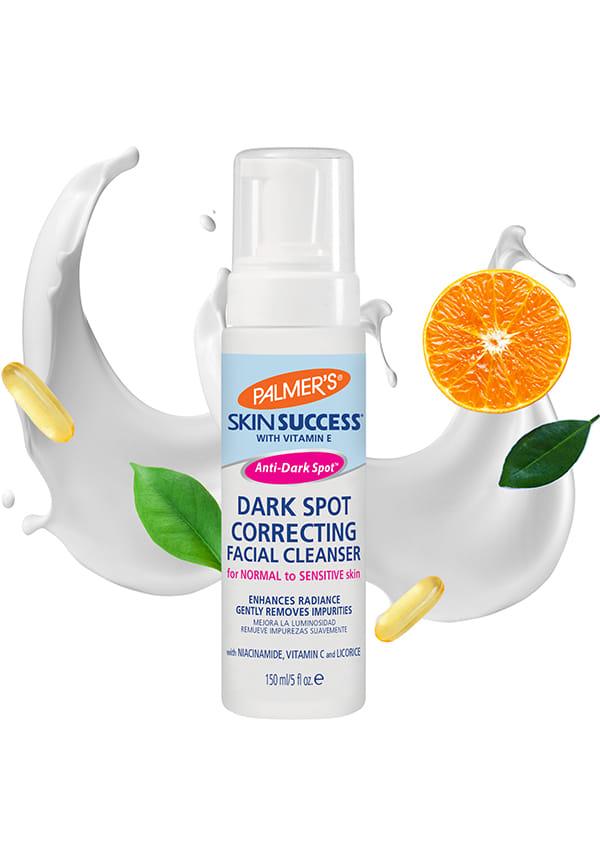
Skin Success Palmer’s Skin Success Dark Spot Correcting Facial Cleanser
Mixed Review: Dry Skin Face Wash
5“This is a good face wash for dry skin. But does jothing foe spots”
Laser treatments have come a long way in recent years, and they're often the gold standard for stubborn body pigmentation. IPL (Intense Pulsed Light) therapy works by targeting the melanin in dark spots, breaking it up so your body can naturally eliminate it. Q-switched lasers are particularly effective for deeper pigmentation, whilst fractional lasers help improve overall skin texture and tone. Most people need multiple sessions spaced several weeks apart, and you'll typically start seeing results after the second or third treatment. The downtime is usually minimal, though you might experience some redness and peeling as your skin heals.
Chemical peels work by removing the top layers of pigmented skin, revealing fresher, more even-toned skin underneath. For body use, glycolic acid peels are popular because they penetrate well and are effective for surface-level pigmentation. TCA peels go deeper and can tackle more stubborn discolouration, though they require more downtime. The strength of peels used professionally is much higher than what you can get for home use, which means faster results but also more potential for irritation if not done properly. Your dermatologist will assess your skin type and pigmentation depth to determine the best approach.
Microdermabrasion physically removes the top layer of skin using tiny crystals or a diamond-tipped wand. It's gentler than chemical peels but still effective for surface pigmentation. When combined with brightening serums or other treatments, it can enhance the overall results of your skin discoloration treatment plan. Microneedling is another option that creates tiny channels in the skin, allowing brightening products to penetrate deeper whilst stimulating natural collagen production. It's particularly effective when combined with vitamin C or other antioxidant serums.
Whilst professional treatments often work faster, there are definitely effective at-home options for body pigmentation removal. The key is patience and consistency – these methods take longer to show results, but they're generally gentler and more budget-friendly.
Hydroquinone remains the gold standard for skin lightening, though it should be used carefully and ideally under dermatologist guidance. It works by inhibiting the enzyme that produces melanin, effectively slowing down pigment production in treated areas. Over-the-counter versions are typically 2% concentration, whilst prescription versions can go higher. Kojic acid is a gentler alternative that's derived from fungi and works similarly to hydroquinone but with less risk of irritation. Arbutin, vitamin C, and niacinamide are other excellent options that can help with melanin reduction whilst providing additional skin benefits like antioxidant protection and improved texture.
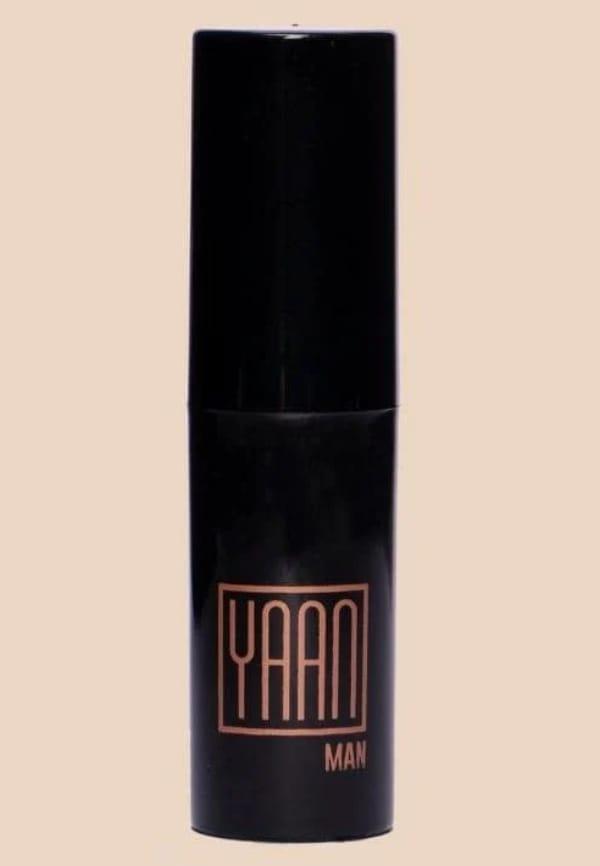
Perfection Stick-Dark
Retinoids speed up cell turnover, helping to shed pigmented skin cells faster whilst preventing new pigmentation from forming. Body skin can typically tolerate stronger concentrations than facial skin, but it's still important to start slowly and build up tolerance. Alpha hydroxy acids like glycolic and lactic acid work by gently dissolving the bonds between dead skin cells, revealing brighter skin underneath. They're particularly effective when used consistently over time and can help other lightening ingredients penetrate better.
Whilst natural remedies are gentler, it's important to have realistic expectations about their effectiveness. Green tea extract, aloe vera, and vitamin E can provide antioxidant benefits and support overall skin health, but they're unlikely to dramatically lighten existing pigmentation on their own. Some people find success with ingredients like licorice extract or mulberry extract, which have mild lightening properties. The key with natural approaches is consistency and patience – results, if they occur, will be gradual and subtle.
With so many products claiming to tackle dark spot removal and blemish removal, it can be overwhelming to know where to start. The most effective approach is often combining multiple ingredients that work in different ways. Look for products that contain proven lightening agents like hydroquinone, kojic acid, or arbutin, combined with exfoliating ingredients like glycolic acid or retinoids. Vitamin C is always a good addition for its antioxidant properties and ability to inhibit melanin production. When trying new products, especially for body pigmentation removal, always patch test first. Body skin might be less sensitive than facial skin, but everyone's tolerance is different. Start with lower concentrations and gradually work up to stronger formulations as your skin adapts. This is where platforms like Smytten become incredibly valuable. Instead of committing to full-size products that might not work for your specific pigmentation concerns, you can try mini versions first. With over 1,500 trusted brands including skincare specialists like Cetaphil and Dot & Key, you can experiment with different approaches to find what works best for your skin without the financial risk.
The most effective pigmentation treatment is prevention. Once you've addressed existing pigmentation, protecting your skin from future damage is crucial for maintaining results. Sun protection is absolutely non-negotiable. Use broad-spectrum SPF 30 or higher daily, even on cloudy days, and reapply every two hours when you're outdoors. Don't forget often-missed areas like the back of your neck, tops of your feet, and along your hairline. Avoid friction and irritation where possible. Choose breathable fabrics, ensure proper fit for undergarments, and be gentle when towelling dry after showers. If you're prone to ingrown hairs or folliculitis, address these issues promptly to prevent post-inflammatory hyperpigmentation. Maintaining a consistent skincare routine with gentle exfoliation and moisturising helps keep your skin healthy and better able to repair itself. When your skin barrier is strong, it's less likely to develop pigmentation issues in response to minor irritations.
Whilst many pigmentation issues can be managed at home, there are times when professional intervention is necessary. If you notice any changes in existing pigmentation – such as irregular borders, multiple colours within one spot, or rapid growth – see a dermatologist immediately as these could be signs of skin cancer. Pigmentation that doesn't respond to consistent at-home treatment after several months might need professional assessment. A dermatologist can determine whether you're dealing with surface-level pigmentation or deeper issues that require stronger treatments. Severe or widespread pigmentation, especially if it appeared suddenly, warrants professional evaluation to rule out underlying medical conditions or medication side effects that might be contributing to the problem.
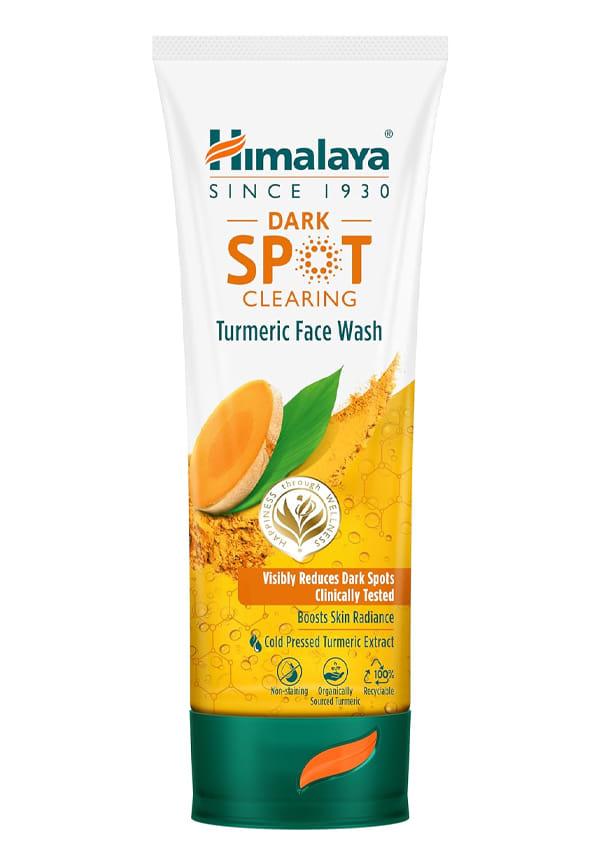
Dark Spot Correcting Turmeric Face Wash
Good Dark Spot Face Wash
5“dark spot correcting turmeric face wash is good”
Effective Face Wash
5“Nice face wash... it's working 😊”
Loved it, works well, worth money
4“Really loved this product, it works well and feels worth the money.””
Results vary depending on the type and depth of pigmentation, as well as the treatment method used. At-home treatments typically take 8-12 weeks of consistent use to show noticeable improvement, whilst professional treatments might show results after 2-4 sessions. Patience is key – rushing the process often leads to irritation and potentially worse pigmentation.
Yes, pigmentation can return, especially if the underlying causes aren't addressed. Sun exposure, hormonal changes, friction, and skin irritation can all trigger new pigmentation. This is why prevention strategies and maintenance treatments are so important for long-term success.
Combining certain ingredients can be effective, but it also increases the risk of irritation. It's generally safe to use vitamin C in the morning and retinoids at night, or to alternate between different acids. However, avoid using multiple strong lightening agents simultaneously without professional guidance.
Natural remedies can provide mild benefits and support overall skin health, but they're unlikely to dramatically lighten existing pigmentation on their own. They work best as part of a comprehensive approach that includes proven lightening ingredients and sun protection.
Body skin is generally thicker and less sensitive than facial skin, which means it can often tolerate stronger concentrations of active ingredients. However, body pigmentation often covers larger areas and may take longer to treat. The principles are similar, but the approach might be more intensive.
Effective body pigmentation removal requires a combination of the right products, realistic expectations, and patience. Whether you choose professional treatments, at-home methods, or a combination of both, consistency is key to achieving and maintaining results. Remember that everyone's skin responds differently to treatments, and what works brilliantly for your friend might not be the best approach for you. This is why being able to try products before committing to full sizes is so valuable. Smytten's trial platform lets you explore different skin brightening and pigmentation treatments from trusted brands without the guesswork, helping you build a routine that actually works for your specific needs. The most important thing is to be patient with the process and prioritise skin health over quick fixes. With the right approach and consistent care, achieving more even, radiant skin is definitely possible. Focus on gentle, proven methods, protect your skin from future damage, and don't hesitate to seek professional guidance when needed.
