How to Create a DIY Soothing Face Mask at Home
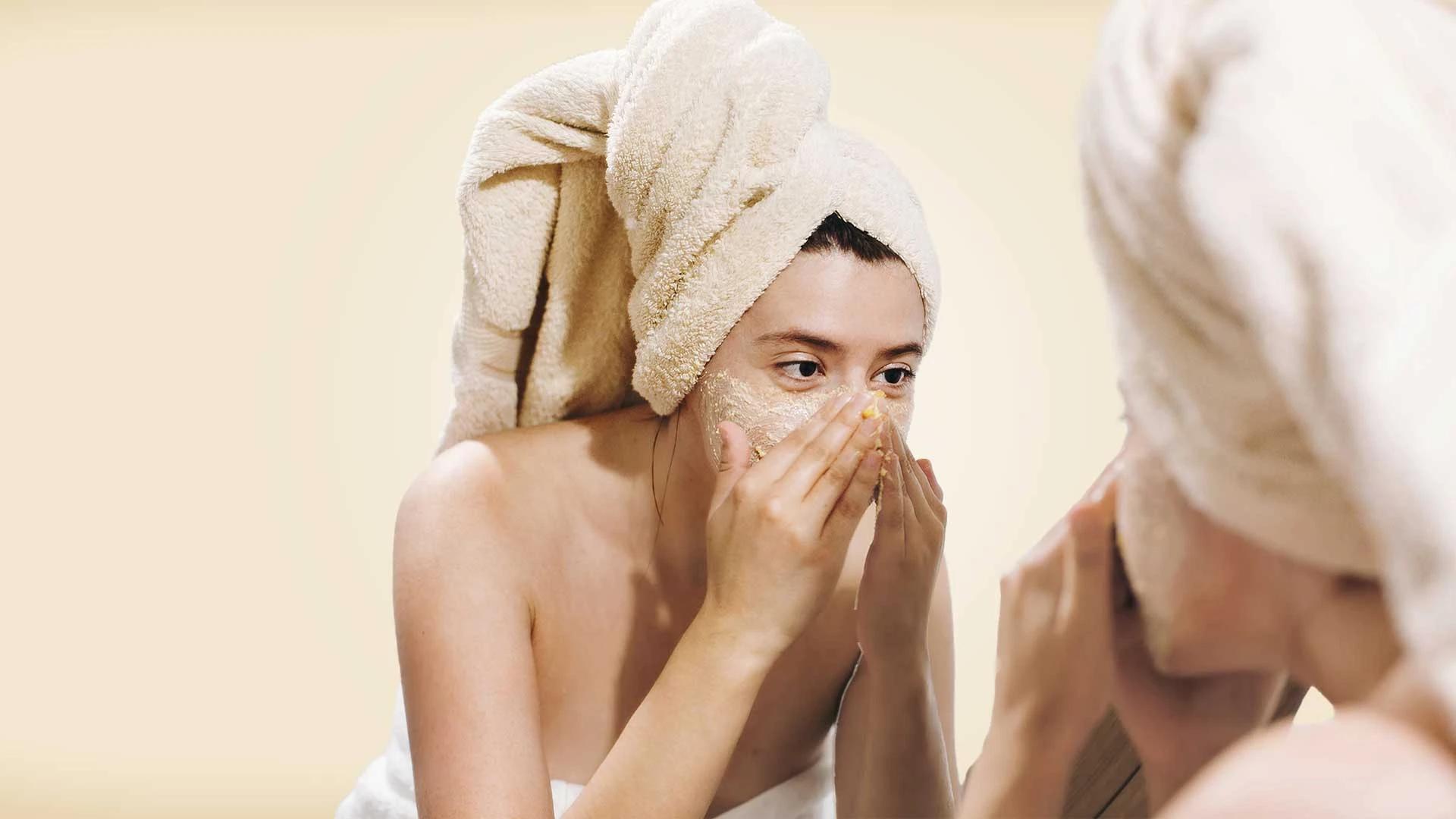

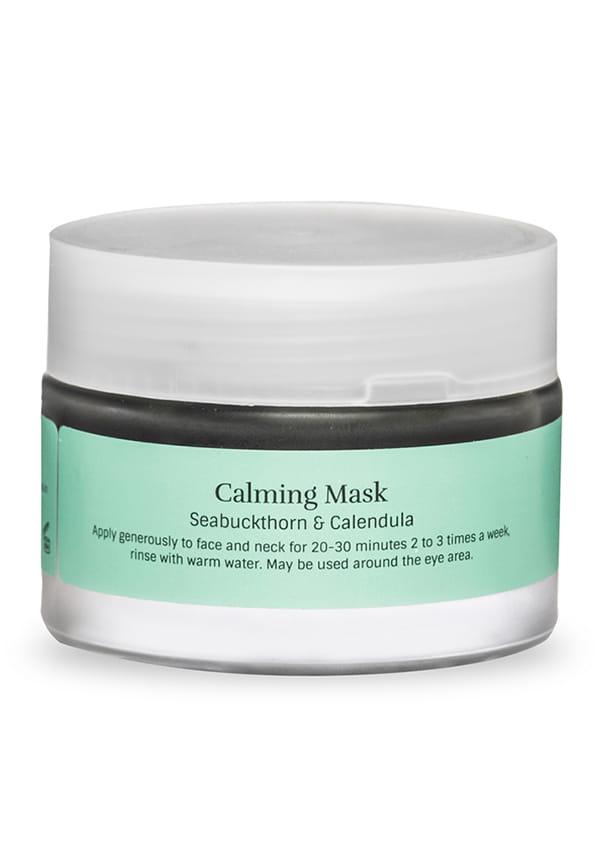
Calming Mask
Let's be real—your skincare routine doesn't have to break the bank or involve a chemistry degree to decode ingredient lists. Sometimes the best solutions are sitting right in your kitchen cupboard. A DIY soothing face mask can be just as effective as those fancy store-bought options, minus the harsh chemicals and hefty price tags. Whether you're dealing with sensitive skin that reacts to everything or just want to pamper yourself with something natural, creating your own homemade face mask is easier than you think. Plus, you know exactly what's going on your face—no mystery ingredients, no worries.
Here's the thing about commercial face masks—they're often loaded with preservatives, synthetic fragrances, and other additives that can irritate sensitive skin. When you make your own natural face mask, you're in complete control of what touches your face.
Natural ingredients are gentle powerhouses. They work with your skin, not against it. Oatmeal naturally soothes inflammation, honey acts as a gentle antibacterial agent, and cucumber provides instant cooling relief. The best part? These ingredients are fresh, potent, and free from the synthetic nasties that can trigger breakouts or redness. You can also customise your face mask recipes based on what your skin needs that day. Feeling dry? Add some avocado. Dealing with redness? Reach for chamomile tea. It's like having a personalised skincare lab in your kitchen.
Many store-bought masks contain sulfates, parabens, and artificial fragrances that can leave sensitive skin feeling worse than before. Alcohol-based formulations might promise quick results but often strip your skin of its natural moisture barrier. If you've ever used a face mask for sensitive skin only to end up with more irritation, you know exactly what we're talking about.
Building the perfect skin calming mask starts with choosing the right base ingredients. Think of these as your skincare superheroes—each one brings something special to the table.
Oatmeal is your go-to for gentle exfoliation and anti-inflammatory benefits. It's perfect for sensitive skin because it removes dead skin cells without being harsh. Honey is nature's moisturiser—it draws moisture to your skin while fighting bacteria. Raw honey works best, but any pure honey will do. Yogurt contains lactic acid, which gently renews your skin without the irritation that stronger acids can cause. Aloe vera is the ultimate cooling agent—perfect for sunburned or irritated skin. Fresh aloe from the plant is ideal, but pure aloe gel works too.
Cucumber is brilliant for creating a hydrating face mask—it's mostly water and has natural cooling properties. Chamomile tea (cooled, obviously) makes an excellent anti-inflammatory mask base. Green tea provides antioxidant protection, while avocado delivers deep moisturising benefits for parched skin. Turmeric might stain your fingers yellow, but it's worth it for its anti-inflammatory properties. Just use a tiny pinch to avoid turning your face golden.
Face Cream & Peel off Mask for Bright, Even-Toned Skin
Ready to get mixing? These DIY beauty recipes are tried and tested for different skin concerns. Start with the gentlest options if you have sensitive skin.
Oatmeal Honey Mask is perfect as a redness reducing mask. Mix 2 tablespoons of finely ground oats with 1 tablespoon of honey and a splash of warm water. Apply for 15 minutes, then rinse with lukewarm water. Chamomile Aloe Vera Mask combines 2 tablespoons of aloe vera gel with 2 tablespoons of cooled chamomile tea. This one's incredibly gentle and perfect for inflamed skin. Cucumber Yogurt Cooling Mask blends half a cucumber (pureed) with 2 tablespoons of plain yogurt. It's like a cool drink for your face.
Avocado Honey Hydrating Mask mashes half a ripe avocado with 1 tablespoon of honey. This creates an incredibly nourishing mask that leaves skin soft and supple. Banana Oat Moisturising Mask combines half a mashed banana with 1 tablespoon of ground oats and a teaspoon of honey. Bananas are packed with vitamins and natural oils. Coconut Oil Rose Water Mask mixes 1 tablespoon of melted coconut oil with 2 tablespoons of rose water and a tablespoon of oats for texture.
Green Tea Clay Balancing Mask uses 2 tablespoons of bentonite clay mixed with cooled green tea instead of water. This balances oily and dry areas without over-drying. Turmeric Milk Brightening Mask combines a pinch of turmeric with 2 tablespoons of milk and 1 tablespoon of honey. Be careful with turmeric—a little goes a long way. Papaya Enzyme Gentle Mask mashes 2 tablespoons of ripe papaya with 1 tablespoon of honey. Papaya contains natural enzymes that gently exfoliate.
Applying your soothing skincare mask properly makes all the difference between a mediocre experience and a spa-worthy treatment at home.
Start with a clean face—use your regular cleanser to remove makeup and daily grime. If you want to go the extra mile, hold a warm, damp towel over your face for a few minutes to open your pores. This helps your skin absorb all the goodness from your mask. Always do a patch test first, especially if you're trying a new ingredient. Apply a small amount to your inner wrist and wait 24 hours to check for reactions.
Apply your mask evenly using clean fingers or a brush, avoiding the delicate eye and lip areas. You want a layer thick enough to feel substantial but not so thick that it's dripping off your face. Think of it like spreading icing on a cake—even and smooth. Most masks work best when applied in upward strokes, following the natural contours of your face.
Seed Smoothie Overnight Face Sleeping Mask
Most DIY masks work their magic in 10-20 minutes. Don't leave them on longer thinking you'll get better results—you might end up with irritated skin instead. When it's time to remove your mask, use lukewarm water and gentle circular motions. Pat your face dry and follow up with your usual moisturiser.
The beauty of making your own masks is that you can tweak them based on what your skin needs right now. Feeling extra dry today? Add more honey. Dealing with redness? Reach for the aloe vera.
For redness and inflammation, stick to cooling ingredients like cucumber, aloe vera, and chamomile. These work as natural anti-inflammatory agents without causing further irritation. If dryness is your main concern, focus on hydrating and nourishing ingredients like avocado, honey, and yogurt. These create a moisture barrier that helps your skin retain hydration long after you've removed the mask. For sensitive skin, less is more. Stick to single-ingredient masks or simple two-ingredient combinations until you know what your skin likes.
Summer calls for cooling masks with cucumber and aloe vera to combat heat and humidity. Winter demands richer, more nourishing formulas with avocado and honey to fight the drying effects of cold weather and indoor heating. Spring and autumn are perfect for gentle renewal masks with ingredients like yogurt and oatmeal that help your skin transition between seasons.
While DIY masks are generally safe, there are a few things to keep in mind to ensure your skincare experiments don't backfire.
Always use fresh ingredients and make your masks in small batches. Unlike commercial products, homemade masks don't contain preservatives, so they don't last long. Use them immediately or store them in the fridge for a maximum of 2-3 days. Be cautious with acidic ingredients like lemon juice or vinegar—they can cause photosensitivity or irritation. If you have allergies to certain foods, avoid using them on your face too.
Don't overdo it with frequency—2-3 times a week is plenty for most people. More isn't always better, and over-masking can actually irritate your skin. Avoid leaving masks on too long, especially clay-based ones that can over-dry your skin. And never use ingredients that are past their prime—if you wouldn't eat it, don't put it on your face.
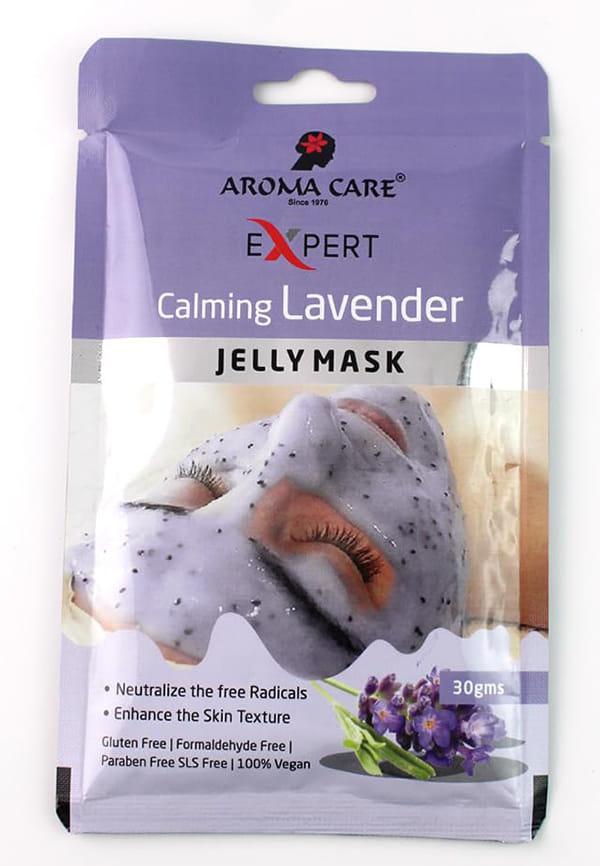
Calming Lavender Jelly Mask
Two to three times a week is ideal for most skin types. If you have sensitive skin, start with once a week and see how your skin responds.
Avoid citrus fruits, raw garlic, cinnamon, and anything with strong essential oils. Stick to gentle ingredients like oatmeal, honey, and aloe vera.
Fresh masks should be used immediately. If you need to store them, keep them in the fridge for no more than 2-3 days.
Yes, but only for a short time. Store in an airtight container in the fridge and use within 2-3 days. Always smell and check the texture before using stored masks.
Evening is ideal because your skin repairs itself overnight. Plus, you won't have to worry about sun exposure after using certain ingredients.
Remove the mask immediately if you experience burning, excessive redness, or itching. Rinse with cool water and apply a gentle moisturiser.
Creating your own DIY soothing face mask is one of the most rewarding ways to care for your skin. You're not just saving money—you're also giving your skin exactly what it needs without any harsh additives or mystery ingredients. Start with simple, gentle recipes and gradually experiment as you learn what your skin loves. While DIY masks are fantastic for regular skincare maintenance, sometimes you might want to explore what professional skincare brands have to offer. That's where platforms like Smytten come in handy. With over 1,500 trusted brands including Cetaphil, Dot & Key, and Love, Beauty & Planet, you can try mini-sized products before committing to full sizes. Getting up to 8 minis for just ₹249 with 100% cashback makes it easy to discover new favourites alongside your homemade creations. Whether you're mixing up oatmeal masks in your kitchen or exploring the latest skincare innovations, the key is finding what works for your unique skin. After all, why settle for 'maybe' when you can try it all?
