How to Control Summer Acne on Oily Skin Naturally


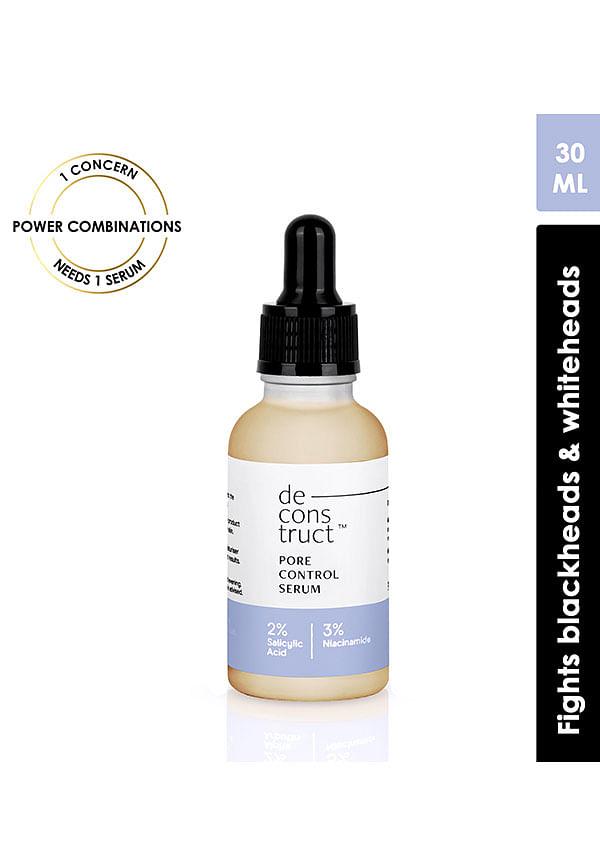
Pore Control Serum Salicylic Acid + Niacinamide Anti Acne Face Serum
Summer's here, and if you've got oily skin, you know the drill. The heat cranks up, humidity soars, and suddenly your face feels like it's producing enough oil to power a small engine. Add summer acne to the mix, and you're dealing with a proper skincare nightmare. But here's the thing—you don't need to resign yourself to breakouts just because the temperature's rising. Understanding how summer acne oily skin works and having the right natural strategies can completely change your game. Let's dive into why your skin goes haywire in the heat and, more importantly, how to get it back under control without harsh chemicals or expensive treatments.
Real talk—summer and oily skin are not best mates. When temperatures rise, your sebaceous glands go into overdrive, producing even more oil than usual. This isn't just annoying; it's the perfect storm for acne prevention challenges. Heat and humidity create a sticky situation (literally). Your skin produces more sebum to protect itself from environmental stressors, but all that extra oil mixes with sweat, dead skin cells, and daily grime. The result? Clogged pores that turn into those stubborn summer breakouts you're probably dealing with right now. UV damage plays a sneaky role too. While a bit of sun might initially dry out existing spots, prolonged exposure actually thickens your skin and disrupts your natural barrier. This means your pores get more congested, and your skin struggles to shed dead cells properly. Plus, many people skip moisturiser thinking their oily skin doesn't need it—big mistake that actually triggers more oil production. Hormonal fluctuations during warmer months don't help either. Heat stress can mess with your cortisol levels, which directly impacts your skin's oil production. It's like your body's playing a cruel joke—the hotter it gets, the oilier your skin becomes, and the more likely you are to break out.
Building a solid summer skincare routine isn't about using a million products—it's about using the right ones consistently. Your oily skin care approach needs to balance oil control with proper hydration, which sounds contradictory but absolutely works. Your morning routine should be quick but effective. Start with a gentle cleanser that removes overnight oil buildup without stripping your skin. Follow with a lightweight, water-based moisturiser (yes, even oily skin needs moisture), and finish with a broad-spectrum sunscreen. The key is choosing products that work together rather than fighting each other. Evening routines can be more intensive since your skin repairs itself overnight. Double cleansing becomes your best friend—first with an oil-based cleanser to remove sunscreen and makeup, then with your regular cleanser to deep-clean pores. This is when you can introduce treatment products like salicylic acid or natural alternatives.
Not all facial cleansers are created equal, especially when you're dealing with summer breakouts. Look for non-comedogenic products with ingredients like salicylic acid, which gently exfoliates inside your pores, or benzoyl peroxide for its antibacterial properties. Natural options work brilliantly too. Tea tree oil-based cleansers offer antimicrobial benefits without over-drying, while clay-based formulas absorb excess oil without disrupting your skin barrier. The trick is finding the right pH balance—aim for cleansers around 5.5 pH to maintain your skin's natural protective acid mantle.
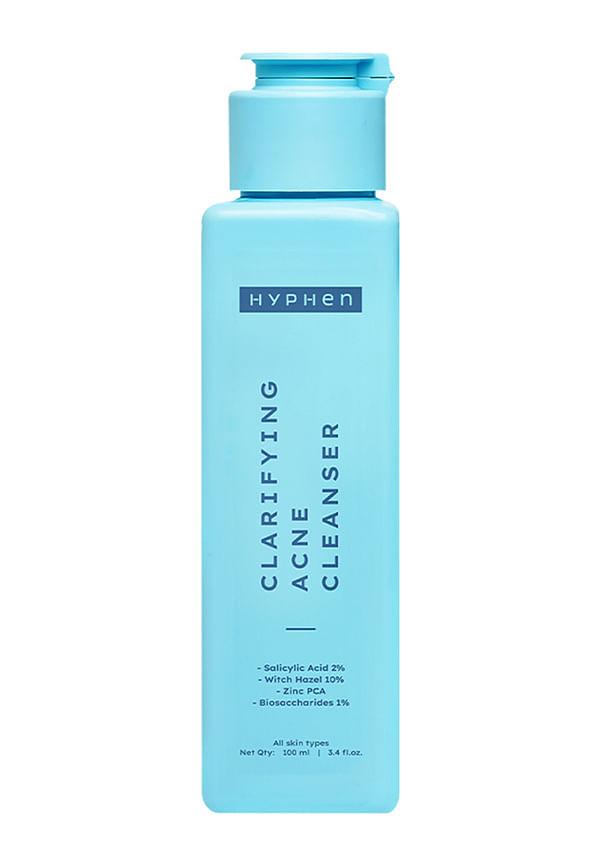
Clarifying Acne Cleanser with Salicylic Acid 2% | Anti-Acne Face Wash
Let's get into the good stuff—natural acne treatment methods that don't require a prescription or break the bank. These approaches focus on blemish control through gentle, consistent care rather than aggressive intervention. Tea tree oil deserves its reputation as a natural acne fighter. It's got antimicrobial properties that rival benzoyl peroxide but with less irritation. Always dilute it (5-10% concentration max) and patch test first. Green tea works as both a toner and mask ingredient—its antioxidants reduce inflammation while gently controlling oil production. Honey and clay masks are your weekend warriors. Raw honey has natural antibacterial properties and helps heal existing breakouts, while clay masks (bentonite or kaolin) draw out impurities without over-drying. Mix them together for a powerhouse treatment that tackles multiple skin concerns at once. Diet plays a bigger role than you might think. Anti-inflammatory foods like fatty fish, leafy greens, and berries help calm skin from the inside out. Staying properly hydrated—aim for at least 8 glasses of water daily—helps your body flush out toxins that could contribute to breakouts. Lifestyle tweaks matter too. Quality sleep gives your skin time to repair and regenerate. Stress management through meditation, yoga, or whatever works for you helps keep cortisol levels stable. Even your workout routine affects your skin—just make sure to cleanse immediately after sweating to prevent pore congestion.
Here's where many people with oily skin go wrong—they skip moisturiser thinking it'll make them oilier. Actually, dehydrated skin produces more oil to compensate, creating a vicious cycle. Proper skin hydration is crucial for pore minimizing and overall skin health. Hyaluronic acid is your hydration hero. It holds up to 1000 times its weight in water but feels weightless on skin. Look for serums or lightweight moisturisers with this ingredient—they'll plump your skin without adding grease. The difference between hydrating and moisturising matters. Hydrating products add water to your skin, while moisturising products seal it in. Oily skin typically needs more hydration and lighter moisturising. Think water-based serums followed by gel moisturisers rather than heavy creams. Signs you're properly hydrated include skin that feels supple (not tight), minimal flaking, and a natural glow without excess shine. If your skin feels tight after cleansing or looks dull despite being oily, you need more hydration in your routine.
Finding the right sunscreen for oily skin feels impossible sometimes, but it's absolutely essential for preventing both sun damage and acne scarring. The key is choosing formulas specifically designed for your skin type. Mineral sunscreens with zinc oxide or titanium dioxide work brilliantly for acne-prone skin. They sit on top of your skin rather than absorbing into it, providing physical protection without clogging pores. Many modern formulas are lightweight and blend seamlessly without that chalky finish. Chemical sunscreens can work too, but avoid ones with oils or heavy emollients. Look for gel-based or water-resistant formulas that dry to a matte finish. Ingredients like avobenzone and octinoxate are generally well-tolerated by oily, acne-prone skin. Reapplication is crucial but tricky with makeup. Powder sunscreens or setting sprays with SPF can help maintain protection throughout the day. Remember, even on cloudy days, UV rays penetrate and can worsen acne scarring.
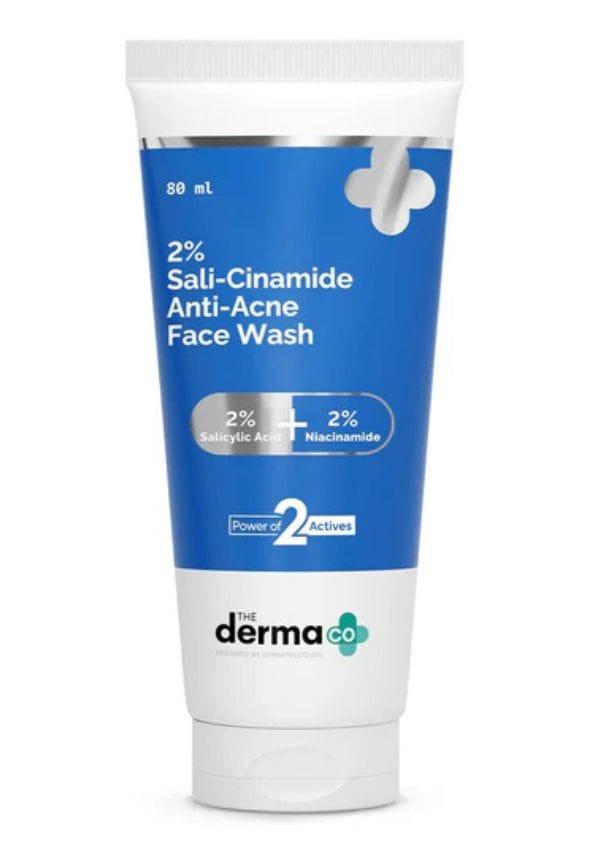
2% Sali Cinamide Anti Acne Face Wash
Large pores are often more noticeable in summer due to increased oil production and heat-induced swelling. Pore minimizing techniques focus on keeping them clear and reducing their appearance rather than actually shrinking them (which isn't possible). Niacinamide is a game-changer for pore appearance. This form of vitamin B3 regulates oil production, reduces inflammation, and improves skin texture. Start with a 5% concentration and gradually increase if your skin tolerates it well. Clay masks remain one of the most effective natural pore treatments. Use them 1-2 times weekly to draw out impurities and temporarily tighten pore appearance. Follow with a hydrating toner to prevent over-drying. Ice therapy might sound basic, but it works. Gently massaging an ice cube wrapped in a thin cloth over clean skin for 30 seconds can temporarily tighten pores and reduce inflammation. It's particularly effective before applying makeup for a smoother base. With platforms like Smytten, you can try different non-comedogenic products and pore-minimizing treatments without committing to full sizes. This trial approach helps you find what works for your specific skin needs without wasting money on products that might not suit you.
Most natural treatments show initial improvements within 2-4 weeks of consistent use. However, significant changes typically take 6-8 weeks since your skin needs time to complete its natural renewal cycle.
Yes, but with extra caution. Retinoids increase sun sensitivity, so diligent sunscreen use is non-negotiable. Start with lower concentrations and use them only at night, gradually building tolerance.
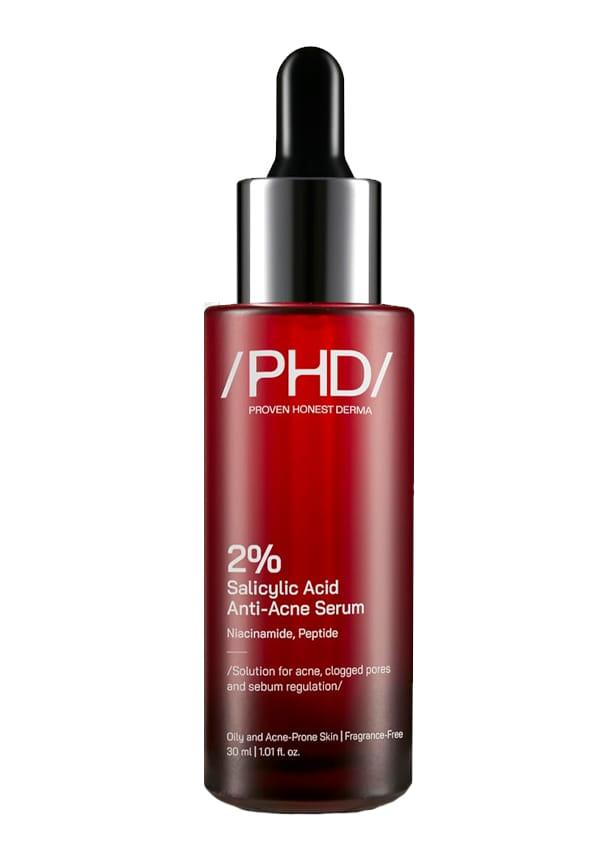
2% Salicylic Acid Anti-Acne Serum
Oily skin produces excess sebum all over, while combination skin is oily in the T-zone but normal or dry elsewhere. Combination skin needs targeted treatment—oil control where needed, hydration where it's lacking.
2-3 times per week maximum. Over-exfoliation can irritate skin and trigger more oil production. Chemical exfoliants like salicylic acid are gentler than physical scrubs for daily use.
For mild to moderate acne, natural treatments can be very effective. Severe acne typically requires professional intervention, but natural methods work excellently as complementary treatments.
Avoid heavy oils, thick creams, and pore-clogging ingredients like coconut oil or petroleum-based products. Also skip alcohol-heavy toners that can over-dry and trigger rebound oil production.
Controlling summer acne oily skin naturally isn't about using harsh treatments or complicated routines. It's about understanding your skin's needs and responding with gentle, consistent care. The combination of proper cleansing, adequate hydration, sun protection, and targeted natural treatments creates the foundation for clearer skin. Remember, what works for your friend might not work for you—skin is incredibly individual. That's where trial-sized products become invaluable. Smytten's approach to product discovery means you can experiment with different brands and formulations without the financial risk of full-size purchases. With over 1,500 trusted brands including skincare favourites like Cetaphil and Dot & Key, you can build a personalised routine that actually works for your skin. The platform's trial packs let you test everything from gentle cleansers to targeted treatments, helping you make informed decisions about what deserves a permanent spot in your skincare arsenal. After all, why settle for maybe when you can try it all and find your perfect summer skincare routine?
