How to Control Acne: Men's Skincare Steps for Clearer Skin
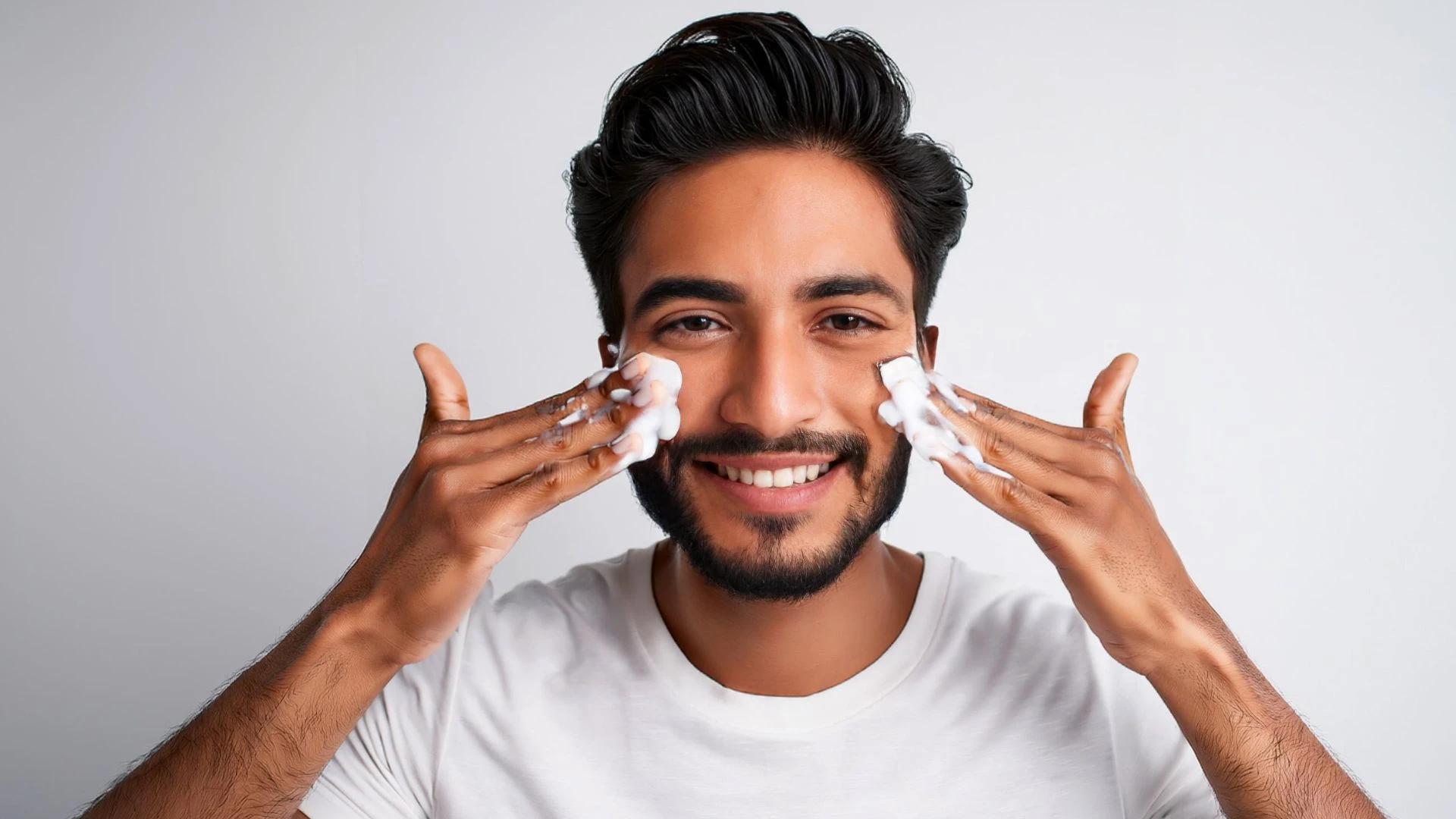


That post-gym mirror moment when you notice another breakout forming, or the frustration of dealing with persistent acne that seems immune to whatever you've tried so far. If you're tired of feeling like your skin is working against you, you're not alone. Many men struggle with acne well into their twenties, thirties, and beyond, often because they're either using the wrong products or skipping skincare altogether. The good news? Acne control for men doesn't require a complicated routine—just the right steps, consistent habits, and products that actually work for your skin type.
Men's skin operates differently from women's, and understanding these differences is crucial for effective acne treatment. Testosterone levels in men are significantly higher, which means increased sebum production and larger pores. This creates the perfect environment for acne-prone skin to thrive, especially when combined with daily habits like shaving, sweating more during workouts, or simply touching the face throughout the day.
The thickness of male skin—about 25% thicker than female skin—means that products need to penetrate deeper to be effective. This is why gentle, women-focused skincare often falls short for men dealing with persistent breakouts. Additionally, men are more likely to experience oily skin throughout their lives, not just during teenage years, making consistent care essential rather than optional.
Shaving adds another layer of complexity to men's skincare routines. The daily friction can irritate existing acne, spread bacteria across the face, and create micro-cuts that become infected. Many men unknowingly make their acne worse by using dull razors, skipping pre-shave preparation, or applying harsh aftershaves that strip the skin's natural barrier.
Building an effective men's skincare routine doesn't mean copying what works for others—it means understanding what your skin needs and being consistent with products that deliver results. The foundation of any successful routine lies in four key steps that address the root causes of acne while maintaining your skin's health.
The cornerstone of any acne treatment for men starts with proper cleansing. Your men's face wash for acne should contain active ingredients like salicylic acid or benzoyl peroxide that penetrate pores and eliminate acne-causing bacteria. The Garnier Men Anti-Pimple Face Wash offers a targeted approach with its anti-bacterial formula that helps reduce pimples while being gentle enough for daily use, making it an excellent choice for men who need effective cleansing without over-drying their skin. Cleanse twice daily—morning and evening—using lukewarm water and gentle circular motions for about 30 seconds.
After cleansing, apply a targeted treatment containing BHA (salicylic acid) or retinoids. These ingredients work by exfoliating inside the pores, preventing new breakouts from forming while treating existing ones. Start with lower concentrations—2% salicylic acid or 0.25% retinol—and gradually increase as your skin builds tolerance.
Even oily, acne-prone skin needs hydration. Choose oil-free, non-comedogenic moisturisers that won't clog pores. Look for ingredients like niacinamide, which helps regulate oil production and reduces inflammation, or hyaluronic acid for hydration without heaviness.
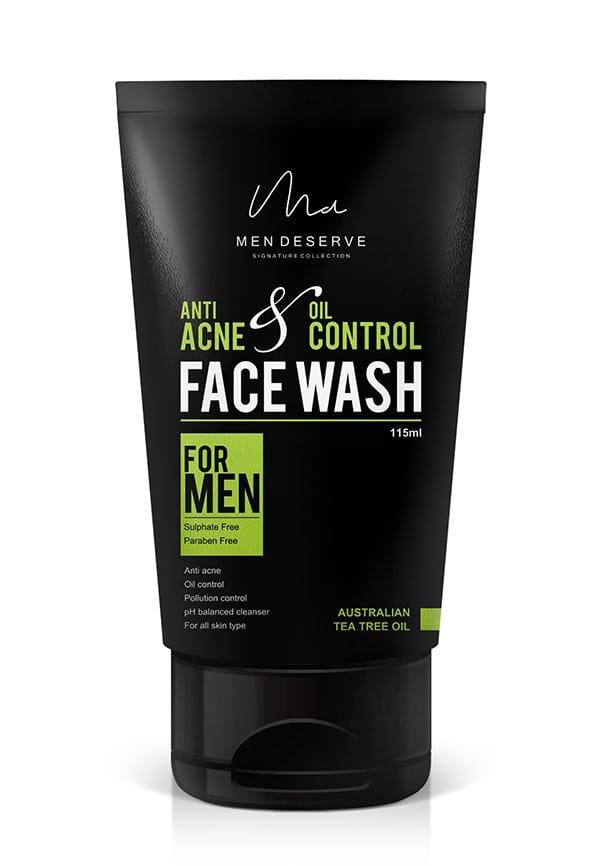
Anti Acne And Oil Control Face Wash
SPF isn't optional—it's essential for preventing post-inflammatory hyperpigmentation (those dark marks left behind after acne heals). Choose broad-spectrum SPF 30 or higher in lightweight, non-comedogenic formulas specifically designed for acne-prone skin.
Understanding which ingredients actually work for acne control helps you make informed decisions rather than falling for marketing claims. The most effective acne products for men contain proven active ingredients that target different aspects of acne formation.
Salicylic acid cleansers work best for blackheads and mild to moderate acne, as they can penetrate oil-filled pores and exfoliate from within. Benzoyl peroxide cleansers are more effective against inflammatory acne and cystic breakouts because they kill acne-causing bacteria. For sensitive skin, consider glycolic acid or gentle lactic acid formulations.
Retinoids remain the gold standard for acne treatment, promoting cell turnover and preventing clogged pores. Niacinamide serums help control oil production while reducing inflammation and redness. Azelaic acid works particularly well for men dealing with both acne and razor bumps, as it has anti-inflammatory and antibacterial properties.
Look for gel-based or water-based moisturisers containing ceramides for barrier repair, zinc oxide for oil control, or peptides for skin healing. Avoid heavy creams or anything containing coconut oil, which can be comedogenic for acne-prone skin.
Once you've established a basic routine, these advanced strategies can help you achieve clearer skin faster and maintain long-term results. Acne prevention goes beyond just the products you use—it's about creating an environment where your skin can heal and stay healthy.
Chemical exfoliation with AHA or BHA products 2-3 times per week helps prevent dead skin cells from clogging pores. Physical exfoliation should be minimal and gentle—harsh scrubbing can actually worsen acne by spreading bacteria and causing micro-tears in the skin.
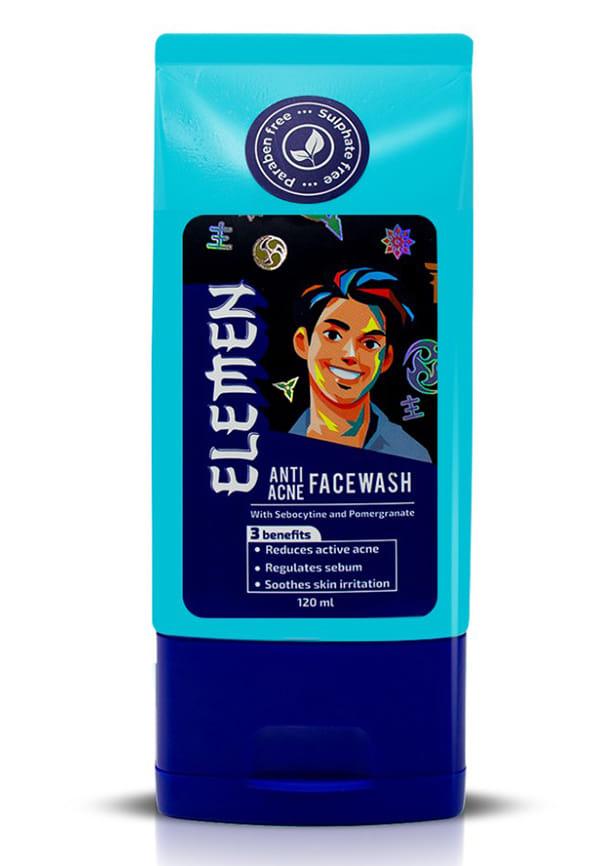
Anti Acne Face Wash
For active breakouts, apply spot treatments containing benzoyl peroxide or salicylic acid directly to blemishes. Ice can help reduce inflammation of large, painful spots, while hydrocolloid patches can draw out pus and protect the area from further irritation.
Your diet, stress levels, and sleep quality all affect your skin's ability to heal and regenerate. High-glycemic foods and dairy can trigger breakouts in some men, while chronic stress increases cortisol production, leading to more oil and inflammation. Aim for 7-9 hours of quality sleep and manage stress through exercise, meditation, or other healthy outlets.
Use a sharp, clean razor and shave in the direction of hair growth to minimise irritation. Apply a gentle shaving cream or gel, and follow up with an alcohol-free aftershave or moisturiser. Consider electric razors if traditional shaving consistently irritates your acne.
Even with the best intentions, many men unknowingly sabotage their skincare efforts through common mistakes that can actually make acne worse. Recognising and avoiding these pitfalls is just as important as using the right products.
Over-cleansing is one of the biggest culprits—washing your face more than twice daily or using harsh scrubs strips your skin's natural oils, causing it to produce even more sebum in response. This creates a cycle where your skin becomes both dry and oily, leading to more breakouts and irritation.
Another common mistake is switching products too frequently. Acne treatments typically take 6-12 weeks to show significant results, but many men give up after just a few weeks and try something new. This constant switching prevents your skin from adjusting and can cause additional irritation from introducing new ingredients too quickly.
Touching your face throughout the day transfers bacteria, oil, and dirt from your hands directly to your pores. This includes leaning on your hands, using your phone against your face, or picking at existing breakouts—all habits that can worsen acne and lead to scarring.
While a consistent men's skincare routine can manage most acne cases, some situations require professional intervention. Understanding when to see a dermatologist can save you time, prevent scarring, and get you clearer skin faster.
If you've been following a proper routine for 3-4 months without significant improvement, or if you're dealing with painful, cystic acne that leaves dark marks or scars, it's time to consult a professional. Dermatologists can prescribe stronger treatments like prescription retinoids, antibiotics, or hormonal therapies that aren't available over-the-counter.
Professional treatments like chemical peels, extractions, or light therapy can complement your home routine and provide faster results for stubborn acne. Many dermatologists also offer guidance on product selection and can help you avoid ingredients that might be irritating your specific skin type.
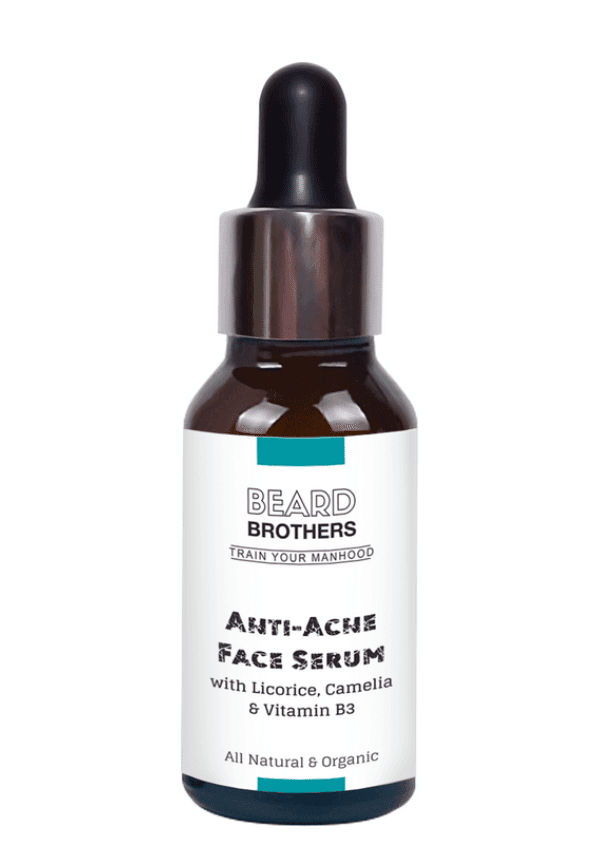
Anti-acne Face Serum for Men - for Clearing Acne, Breakout, Remove Pimple and Repair Skin
Don't wait until acne severely impacts your confidence or daily life. Early intervention often leads to better outcomes and can prevent the emotional toll that persistent acne can take on your self-esteem and professional relationships.
A good men's skincare routine for acne includes four essential steps: cleansing with a salicylic acid or benzoyl peroxide face wash twice daily, applying a targeted treatment with BHA or retinoids, moisturising with an oil-free formula, and using broad-spectrum SPF during the day. Consistency is more important than complexity—stick to this routine for at least 6-8 weeks to see results.
Most men start seeing initial improvements in 4-6 weeks, with significant results appearing after 8-12 weeks of consistent use. Acne treatment requires patience—your skin needs time to adjust to new products and complete its natural renewal cycle. Don't give up if you don't see immediate results.
While many acne-fighting ingredients work for both men and women, men often need stronger concentrations due to thicker skin and higher oil production. Men's skincare products are typically formulated to penetrate deeper and address the specific challenges of male skin, including shaving-related irritation.
Twice daily—morning and evening—is optimal for most men with acne-prone skin. Over-cleansing can strip your skin's natural barrier and trigger increased oil production. If you work out or get particularly sweaty, you can rinse with plain water, but save the cleanser for your regular morning and evening routine.
Your morning routine should focus on protection—cleansing, light treatment, moisturiser, and SPF. Evening routines can include stronger treatments like retinoids or higher concentrations of acids, followed by more intensive moisturising. Your skin repairs itself overnight, making evening the ideal time for active ingredients.
Achieving clearer skin isn't about finding the perfect product—it's about understanding your skin's needs and building consistent habits that support long-term health. The most effective men's skincare routine is one you can stick to daily, using products with proven ingredients that address your specific concerns.
Remember that acne control is a journey, not a destination. Your skin will change with age, seasons, stress levels, and lifestyle factors, so be prepared to adjust your routine accordingly. What works in your twenties might need tweaking in your thirties, and that's completely normal.
The key is starting with the basics—proper cleansing, targeted treatment, moisturising, and sun protection—and building from there. Don't try to fix everything at once or fall for products promising overnight miracles. Consistent, gentle care with effective ingredients will always outperform aggressive, sporadic treatments.
If you're curious about trying new products but hesitant to commit to full sizes, platforms like Smytten let you explore minis from trusted brands before making larger investments. With over 28 million users discovering products through trial sizes, it's a smart way to test what works for your skin without the financial commitment. After all, finding the right skincare routine is personal—what works for your mate might not work for you, and that's perfectly fine.
