How to Combat Sweat & Shine in Humid Climates

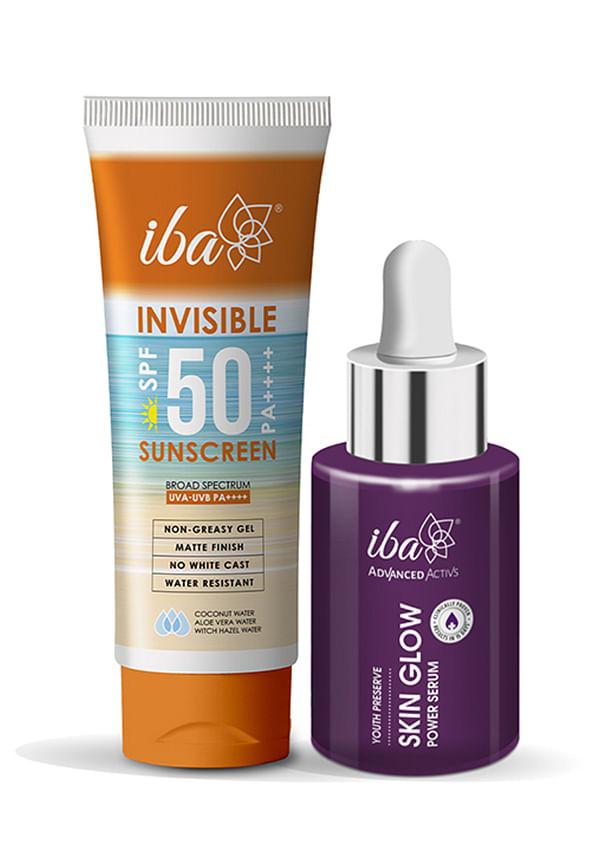
Summer Special Serum + Sunscreen Combo
Let's be real—humid weather is basically your skin's worst enemy. One minute you're looking fresh, the next you're a shiny, sweaty mess wondering where your makeup went. If you've ever stepped outside in Mumbai's monsoon or Chennai's summer heat only to watch your carefully applied foundation slide right off, you're not alone. The good news? There's actually a science to creating sweating-proof skincare for women in humid places, and once you crack the code, you'll never have to worry about that dreaded midday meltdown again. From choosing the right products to mastering application techniques, we're about to dive into everything you need to know about staying fresh and shine-free, no matter how sticky the weather gets.
Here's what's actually happening when humidity hits: your skin's natural barrier gets confused. In high humidity, the air is already packed with moisture, so your skin can't release its own moisture as efficiently. This creates a perfect storm where your pores work overtime, pumping out excess oil to compensate. Meanwhile, that sticky air acts like a magnet for dirt, pollution, and bacteria—basically everything you don't want sitting on your face.
The science bit is pretty fascinating, actually. When humidity levels spike above 60%, your skin's natural exfoliation process slows down. Dead skin cells start hanging around longer than they should, mixing with all that extra oil to create the perfect recipe for clogged pores and breakouts. Add heat to the mix, and your blood vessels dilate, making you sweat more and creating an even stickier situation.
Traditional skincare routines often fall flat in these conditions because they're designed for temperate climates. That rich night cream that works wonders in winter? It's basically asking for trouble when the humidity hits. Your usual foundation might be perfect for air-conditioned offices but turns into a slippery mess the moment you step outside.
Building a solid humidity-proof skincare routine starts with understanding what your skin actually needs in these challenging conditions. Think lightweight, breathable, and oil-controlling—basically the opposite of everything you'd use in dry winter weather.
Your oil-free moisturiser is going to be your best friend in humid weather. Look for gel-based or water-based formulas that sink in quickly without leaving any residue. Ingredients like hyaluronic acid and glycerin are brilliant because they hydrate without adding weight or grease.
Non-comedogenic products are absolutely non-negotiable when you're dealing with humidity. These formulas are specifically designed not to block your pores, which is crucial when your skin is already working overtime. Check labels for this magic word—it's your guarantee that the product won't contribute to breakouts.
Ditch the heavy creams and embrace lightweight serums instead. Niacinamide serums are particularly brilliant for controlling oil production, while vitamin C serums can help protect against environmental damage. The key is layering thin, fast-absorbing products rather than slapping on one thick layer.
Your SPF needs to work harder in humid conditions. Look for zinc oxide-based formulas that won't break down with sweat, and consider powder sunscreens for easy reapplication throughout the day.
Creating a summer skincare routine that actually works means thinking about timing, layering, and product selection differently. Your skin's needs change dramatically between morning and evening, especially in humid climates.
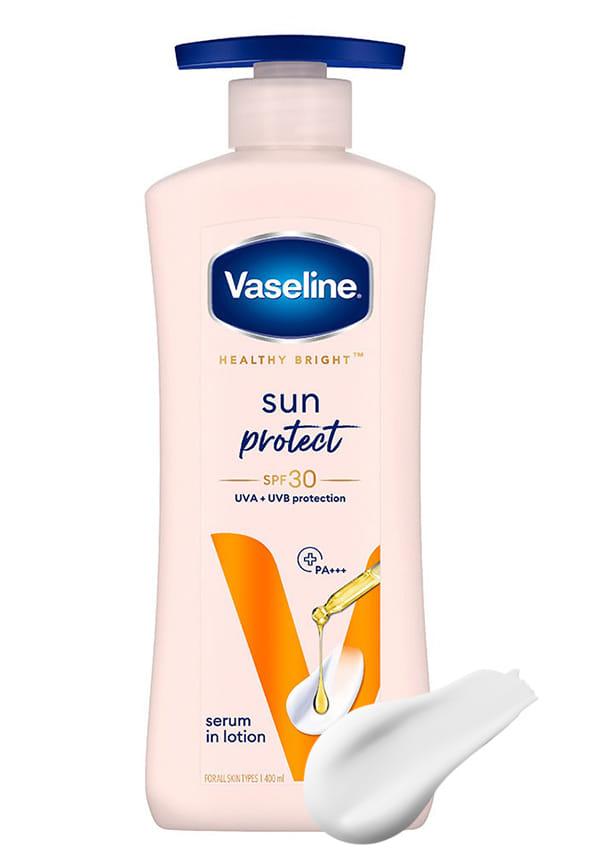
Sun + Pollution Protection SPF 30 Body Lotion
Lovely Everyday Moisturizer
 5
5“Lovely moisturizer for everyday use”
Good Product, Good Offer
5“very good size offer is so goos I got litel bit old package but overall product is so goos”
Lotion good, lacks fragrance
4“I like this body lotion, but it doesn’t have much fragrance like the Vaseline Brightening Body Lotion. I prefer the brightening one more because it has a very nice smell. I wish that fragrance and sun protection came together in one product.”
Start with a gentle, foaming cleanser to remove overnight oil buildup. Follow with a lightweight toner containing salicylic acid to prep your pores, then apply your niacinamide serum for oil control. Finish with an oil-free moisturiser and broad-spectrum SPF. The whole routine should feel weightless on your skin.
Evening is when you can be slightly more indulgent. Double cleanse to remove sunscreen and pollution, use a gentle exfoliating toner, and apply a lightweight retinol or AHA treatment. Seal it all in with a gel-based night moisturiser that won't feel heavy on sticky nights.
Once or twice a week, treat your skin to a clay mask or enzyme exfoliant. These help deep-clean pores and remove the buildup that humid weather loves to create. Just don't overdo it—your skin still needs its natural protective barrier.
Skincare for hot weather means being flexible with your routine. On particularly humid days, you might skip certain steps or switch to even lighter formulations. Listen to your skin and adjust accordingly.
Now for the fun part—making your makeup stay put when the weather's working against you. Sweat-resistant makeup isn't just about buying the right products; it's about mastering the application techniques that make everything stick.
Your mattifying primer is basically insurance for your makeup. Apply it in thin layers, focusing on your T-zone and any areas where you tend to get oily. Let it set for a full minute before applying foundation—this step is crucial for longevity.
Long-lasting foundation in humid weather is all about the right formula and application method. Look for oil-free, transfer-resistant formulas and apply them with a damp beauty sponge for the most natural, long-wearing finish. Build coverage gradually rather than applying one thick layer.
Waterproof cosmetics are your safety net when humidity strikes. Invest in a good waterproof mascara and eyeliner, and consider using a lip stain under your lipstick for extra staying power.
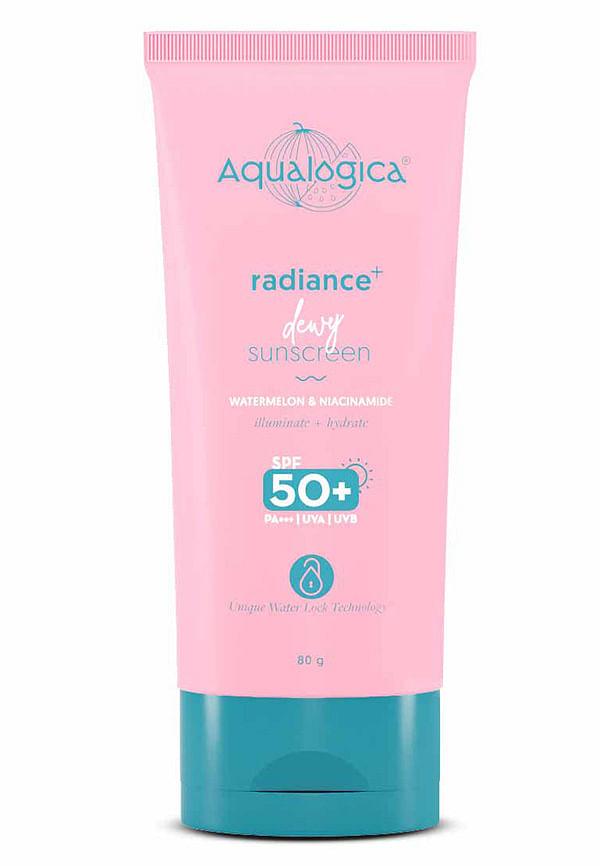
Radiance+ Dewy Sunscreen
Great for Indian Skin
5“light weight, no white cast and great for indian skin”
Blends Easily, Light Feel
5“Easily blend with skin and no oily feeling or heavyness, skin feels light after application Totally loved it”
Blends Easily, Light Feel
5“Easily blend with skin and no oily feeling or heavyness, skin feels light after application Totally loved it”
Best setting sprays can make or break your humid-weather makeup game. Look for alcohol-based formulas that dry quickly and create a protective barrier over your makeup. Apply in a fine mist and let it dry completely before heading out.
Even with the perfect routine, humid weather will test your limits. Here's how to stay ahead of the shine game with some pro-level strategies that actually work in real-world conditions.
Master the art of blotting without ruining your base. Use blotting papers or a clean tissue to gently press (not rub) oily areas. Follow up with a light dusting of translucent powder to reset your makeup.
Keep a small touch-up kit with blotting papers, powder, and a travel-size setting spray. The key is addressing shine before it becomes a full meltdown. A quick blot and powder refresh can extend your makeup for hours.
Think about your day ahead. Air-conditioned spaces, outdoor activities, and commuting all affect how your skin behaves. Adjust your routine based on where you'll be spending most of your time.
Small changes make a big difference. Stay hydrated, avoid touching your face, and consider your hair products—they can migrate to your face and cause breakouts in humid weather.
Let's talk about the mistakes that are actually sabotaging your efforts. These are the things that seem logical but end up making humid-weather skin problems so much worse.
Over-cleansing and stripping your skin barrier is probably the biggest mistake. When your skin feels oily, the instinct is to wash it more, but this actually triggers even more oil production. Stick to cleansing twice daily with a gentle formula.
Using wrong product textures for the climate is another common trap. That thick moisturiser that works in winter will suffocate your skin in humidity. Similarly, powder foundations might seem logical for oily skin, but they often look cakey in humid conditions.
Skipping hydration in humid weather because the air feels moist is a mistake many people make. Your skin still needs moisture; it just needs the right kind. Lightweight, water-based hydration is key.
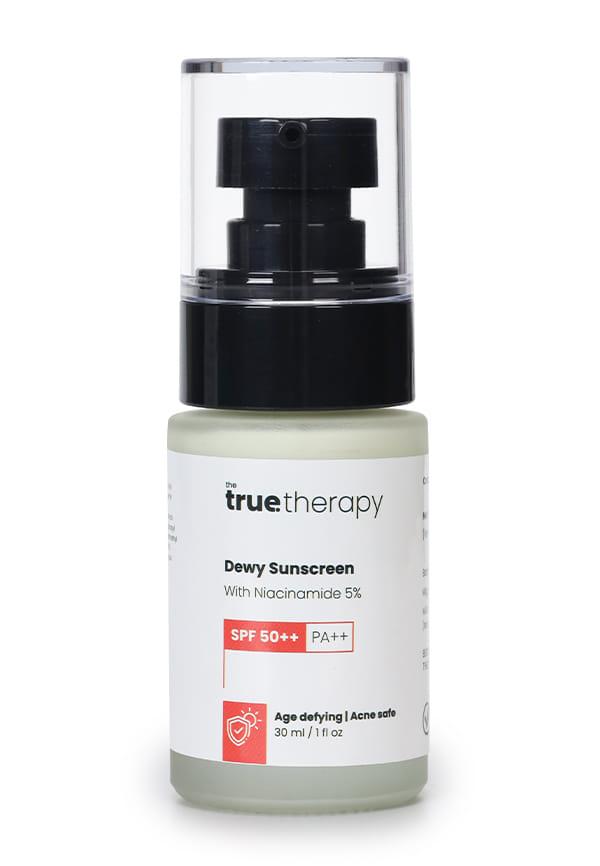
Dewy Sunscreen
Layering incompatible products can create a sticky mess that attracts dirt and breaks down faster. Oil-based and water-based products don't always play nicely together, especially in humid conditions.
The best approach combines oil-free, non-comedogenic products with lightweight textures. Focus on gel-based moisturisers, niacinamide serums for oil control, and zinc oxide sunscreens that won't break down with sweat.
Start with a mattifying primer, use oil-free, long-lasting formulas, and finish with a setting spray. Apply products in thin layers and let each one set completely before adding the next.
Look for oil-free, transfer-resistant formulas with good staying power. Water-based foundations often perform better than oil-based ones in humid conditions.
Absolutely. Even though the air feels moist, your skin still needs hydration. Oil-free formulas provide moisture without adding to the greasiness that humidity already creates.
Once in the morning after applying makeup should be sufficient if you're using a good formula. For touch-ups, focus on blotting and powdering rather than reapplying setting spray.
Avoid heavy oils, thick creams, and overly emollient ingredients that can feel suffocating. Also, be cautious with too many active ingredients that might irritate skin that's already stressed by humidity.
Mastering sweating-proof skincare for women in humid places isn't about fighting your skin—it's about working with it. The right combination of lightweight, breathable products and smart application techniques can keep you looking fresh all day, even when the weather's working against you.
Remember, finding your perfect humidity-proof routine might take some experimenting. What works for your friend might not work for you, and that's totally normal. This is where platforms like Smytten become invaluable—you can try mini versions of different products before committing to full sizes. With over 1,500 trusted brands available in trial sizes, you can test everything from oil-free moisturisers to long-lasting foundations without the risk of wasting money on products that don't suit your skin.
The beauty of trial packs is that you can experiment with different combinations and techniques until you find your perfect humid-weather routine. Whether you're testing a new mattifying primer or trying out waterproof cosmetics, having access to minis means you can build your ideal routine gradually and confidently. After all, why settle for maybe when you can try it all and find what actually works for your skin in your climate?
