How to Clear Fungal Acne for Men: A Step-by-Step Guide


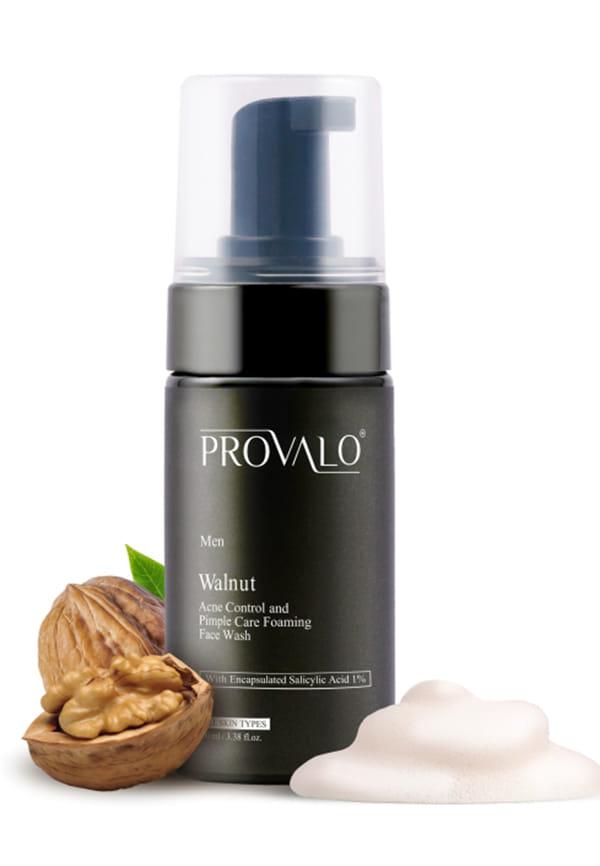
Walnut Acne Control and Pimple Care Foaming Face Wash (Men)
Amazing Product
 5
5“this is a wow product I love it”
Those persistent, itchy bumps on your face, chest, or back might not be regular acne at all. If you've been battling what seems like stubborn breakouts that don't respond to traditional acne treatments, you could be dealing with fungal acne—technically called malassezia folliculitis. This condition is particularly common among men due to factors like increased sweating, frequent gym sessions, and hormonal influences. Unlike bacterial acne, fungal acne requires a completely different approach to treatment, and understanding this distinction is crucial for effective clearing. The good news? Once you know what you're dealing with, fungal acne can be successfully managed with the right antifungal treatments and skincare routine. Whether you're experiencing breakouts on your face from post-workout sessions or dealing with chest and back bumps that seem to worsen in humid weather, this guide will walk you through everything you need to know. From identifying the telltale signs to implementing a targeted treatment plan, we'll cover the most effective strategies for clearing fungal acne. And if you're looking to trial different antifungal products before committing to full sizes, platforms like Smytten make it easier to test what works best for your skin without the financial commitment.
Fungal acne (malassezia folliculitis) appears as uniform, itchy bumps and requires antifungal treatments, not traditional acne products
Men are more susceptible due to increased sweating, tight clothing, frequent shaving, and hormonal factors
Effective treatment includes antifungal cleansers, topical treatments like ketoconazole, and sometimes oral medications
A consistent skincare routine with fungal acne-safe products is essential for prevention and maintenance
Results typically show within 2-4 weeks with proper antifungal treatment protocols
Fungal acne isn't actually acne at all—it's an overgrowth of malassezia yeast that naturally lives on your skin. When conditions are right (think warm, humid, and sweaty), this yeast multiplies rapidly, leading to inflamed hair follicles that create those characteristic bumps. Men are particularly prone to this condition because of several biological and lifestyle factors that create the perfect environment for yeast overgrowth.
Unlike bacterial acne, fungal acne appears as uniform, small bumps that are typically the same size and shape. These bumps are often itchy—a telltale sign that distinguishes them from regular acne. They commonly appear in clusters on areas where you sweat most: the forehead, chest, shoulders, and back.
Several factors make men more likely to develop malassezia folliculitis. Higher testosterone levels increase oil production, creating an ideal feeding ground for yeast. Regular gym sessions and sports activities mean more sweating and friction from tight clothing. Additionally, frequent shaving can irritate hair follicles, making them more susceptible to yeast overgrowth.
Understanding what triggers fungal acne is crucial for both treatment and prevention. The malassezia yeast thrives in specific conditions, and men's lifestyles often create the perfect storm for these conditions to develop. Recognising these triggers helps you make informed choices about your daily habits and skincare routine.
Excessive sweating is the biggest culprit, especially when combined with occlusive clothing or gear that traps moisture against the skin. Think gym clothes, sports equipment, or even tight work shirts during summer months. The yeast feeds on the oils and dead skin cells that accumulate in these warm, moist environments.
Regular workouts create multiple risk factors simultaneously. You're sweating more, wearing tight athletic wear, and often using shared gym equipment. Post-workout showers might seem like they'd help, but if you're using the wrong products or not cleansing thoroughly enough, you might be making the problem worse. Frequent shaving also creates micro-injuries that can become infected with yeast, particularly around the jawline and neck.
Proper diagnosis is essential because treating fungal acne with traditional acne products can actually make it worse. Many conventional acne treatments contain ingredients that feed the malassezia yeast, leading to more breakouts rather than fewer. Learning to identify the key differences can save you months of frustration and ineffective treatments.
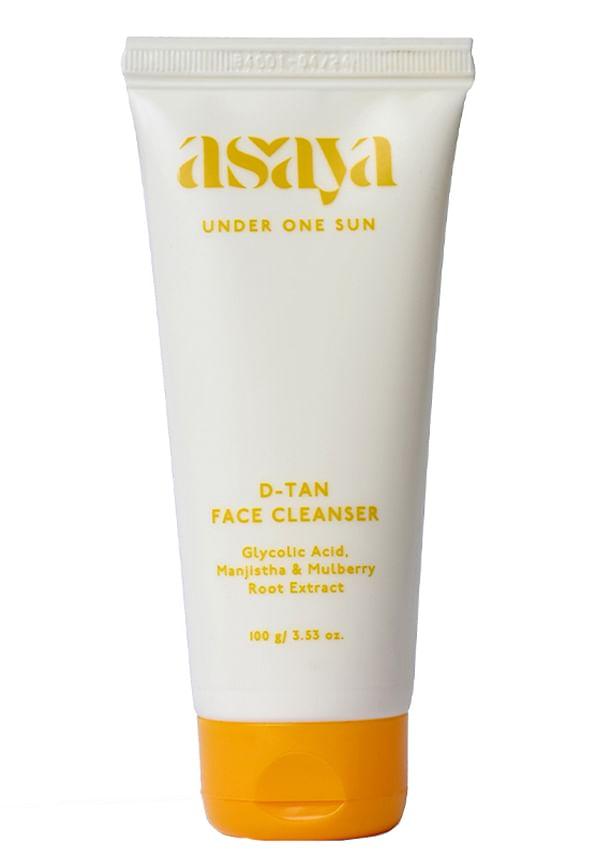
Detan Face Wash, Glycolic Acid, Tan Removal for Men & Women
Positive Product Review
5“very good. It doesn't make your face completely dried. After wash, your face feel smooth and clean.”
Amazing Product
5“Nice product such a amazing one”
Cleaning product use
5“best of cleaning but make sure to clean with full of water or else product stays”
Start by examining the appearance and behaviour of your breakouts. Fungal acne typically presents as small, uniform bumps that are roughly the same size. They're often itchy, especially when you're sweating or in warm environments. The bumps tend to appear in clusters rather than as isolated spots, and they're most common on the forehead, chest, shoulders, and upper back.
If you've been treating what you think is acne for several weeks without improvement, or if the bumps are itchy and uniform in appearance, it's worth consulting a professional. A dermatologist can perform a simple test to confirm whether you're dealing with fungal or bacterial issues, ensuring you get the right treatment from the start.
Effective fungal acne treatment requires antifungal ingredients that specifically target malassezia yeast. Unlike bacterial acne treatments that focus on reducing oil production or killing bacteria, antifungal treatments work by disrupting the yeast's ability to grow and multiply. The key is choosing the right concentration and delivery method for your specific needs.
Ketoconazole is one of the most effective topical antifungals for treating malassezia folliculitis. Available in various concentrations, it can be found in specialised shampoos, creams, and gels. Selenium sulfide, commonly found in dandruff shampoos, is another powerful option that can be used on both face and body.
Zinc pyrithione offers a gentler approach and is particularly useful for maintenance once the initial outbreak is under control. These ingredients work by disrupting the yeast cell membrane, effectively stopping the overgrowth that causes the bumps and irritation.
For severe or persistent cases, oral antifungals like fluconazole may be necessary. These medications work systemically to reduce yeast levels throughout the body, providing faster and more comprehensive results than topical treatments alone. However, they require prescription and monitoring by a healthcare provider.
Creating an effective skincare routine for fungal acne means choosing products that won't feed the yeast while actively working to control its growth. This requires a different approach than traditional acne routines, focusing on antifungal ingredients and avoiding common triggers. Consistency is crucial—sporadic treatment often leads to recurring outbreaks.
Start with a gentle antifungal cleanser containing ketoconazole or zinc pyrithione. These ingredients help maintain the antifungal environment on your skin throughout the day. Follow with a lightweight, fungal acne-safe moisturiser that won't clog pores or feed yeast growth.
Sunscreen is essential, but choose mineral formulations with zinc oxide or titanium dioxide rather than chemical sunscreens that might contain yeast-feeding ingredients. Look for non-comedogenic formulas specifically designed for acne-prone skin.
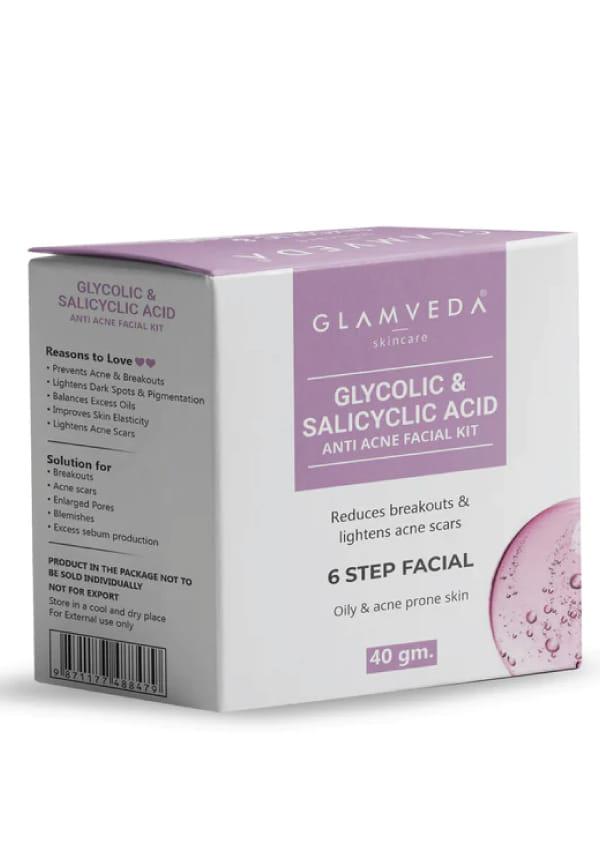
Glycolic Acid & 2% ww Salicylic Acid Anti Acne Facial kit
Good, Clear, and Refreshing
5“so gooodddd clear and refreshing”
Good, Clear, and Refreshing
5“so gooodddd clear and refreshing”
Positive Product Experience
5“nice product nice package nice fragrance”
Your evening routine should focus on thorough cleansing and treatment application. If you've been to the gym or sweated during the day, consider a double cleanse to ensure all sweat, oil, and environmental pollutants are removed. Apply your antifungal treatment to clean, dry skin for maximum effectiveness.
For body breakouts, antifungal body washes containing selenium sulfide or ketoconazole are highly effective. Use these 2-3 times per week, allowing the product to sit on the skin for a few minutes before rinsing. On non-treatment days, use a gentle, fungal acne-safe body wash to maintain cleanliness without over-drying.
Different areas of the body may require slightly different approaches due to varying skin thickness, hair density, and exposure to triggers. Understanding these nuances helps you tailor your treatment for maximum effectiveness in each area. The key is maintaining consistency while adapting techniques to suit each location's specific needs.
Facial skin is more sensitive, so start with lower concentrations of antifungal ingredients and gradually increase as tolerated. If you shave regularly, consider switching to a single-blade razor and using an antifungal shaving cream to reduce irritation and prevent yeast from entering micro-cuts.
These areas can handle stronger concentrations of antifungal ingredients. Focus on post-workout hygiene—shower immediately after exercising and change out of sweaty clothes as quickly as possible. Choose breathable fabrics like cotton or moisture-wicking materials that don't trap sweat against the skin.
While prescription and over-the-counter antifungals are typically most effective, several natural ingredients have shown promise in managing fungal acne. These remedies can complement your main treatment routine or serve as maintenance options once the condition is under control. However, it's important to approach natural treatments with realistic expectations and proper safety precautions.
Tea tree oil has natural antifungal properties that may help control malassezia yeast. Always dilute it properly—a 5-10% concentration is typically safe for most skin types. Apply to affected areas once daily, starting with a small test area to check for sensitivity.
The acidic nature of apple cider vinegar creates an environment that's hostile to yeast growth. Dilute it with water (1:3 ratio) and use as a toner on affected areas. This can be particularly effective for body breakouts but may be too harsh for facial use.
Diet may play a role in fungal acne management. Some people find that reducing sugar and refined carbohydrates helps control yeast overgrowth. Staying hydrated and maintaining good overall health supports your skin's natural ability to fight off infections.
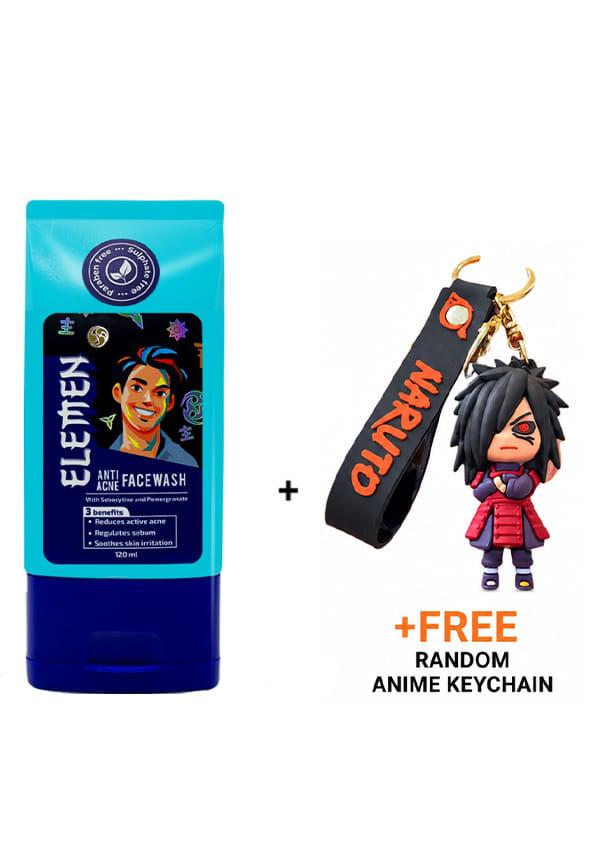
Anti Acne Face Wash
Oral antifungal medications like fluconazole are the fastest treatment options, typically showing results within 1-2 weeks when prescribed by a dermatologist. Topical treatments like ketoconazole can also be effective but may take 2-4 weeks to show significant improvement.
With proper antifungal treatment, men typically see improvement in 2-4 weeks, with complete clearing in 6-8 weeks. The timeline depends on the severity of the condition and consistency with treatment protocols.
Yes, through consistent antifungal skincare routines, proper hygiene after workouts, and avoiding known triggers like tight, sweaty clothing. Many men find that using antifungal products 1-2 times per week helps prevent recurrence.
No, fungal acne cannot be spread from person to person, including through close contact or sharing items. The malassezia yeast naturally exists on everyone's skin—it only becomes problematic when conditions allow overgrowth.
Fungal acne appears as uniform small bumps that are itchy, while regular acne varies in size and is typically not itchy. Fungal acne also tends to worsen with traditional acne treatments, whereas bacterial acne usually improves with conventional therapies.
Absolutely! Smytten's trial packs let you test different antifungal cleansers and treatments before committing to full-size purchases. This is particularly helpful for finding products that work well with your skin type and don't cause irritation.
Clearing fungal acne requires a targeted approach that's fundamentally different from treating bacterial acne. The key is identifying the condition correctly and using antifungal treatments consistently. Men face unique challenges due to increased sweating, hormonal factors, and lifestyle habits, but these same factors can be managed with the right strategies. Focus on antifungal ingredients like ketoconazole, selenium sulfide, and zinc pyrithione, while avoiding products that feed yeast growth. Consistency in your routine, proper post-workout hygiene, and choosing the right clothing fabrics all play crucial roles in both treatment and prevention. Remember that results take time—typically 2-4 weeks for noticeable improvement and 6-8 weeks for complete clearing. If over-the-counter treatments aren't effective after 4-6 weeks of consistent use, consult a dermatologist for stronger prescription options.
Managing fungal acne successfully often involves some trial and error to find the right combination of products and routines that work for your specific skin type and lifestyle. This is where Smytten's approach to product discovery becomes particularly valuable. As India's largest product discovery and trial platform, Smytten connects you with over 2,400 trusted brands including skincare specialists like Cetaphil, WishCare, and other dermatologist-recommended options. You can explore antifungal cleansers, treatments, and maintenance products through curated trial packs before committing to full-size purchases. With up to 10 Trial Points for just ₹279 and 100% cashback on trial purchases, you can affordably test different antifungal formulations to find what works best for your skin. The platform's 90% pin code coverage ensures that whether you're in a tier 1 or tier 2 city, you can access authentic, brand-verified products for your fungal acne treatment journey. After all, why settle for guessing which products might work when you can try them all and make confident choices for clearer, healthier skin?
