How to Cleanse Without Stripping Natural Oils for Healthy Skin


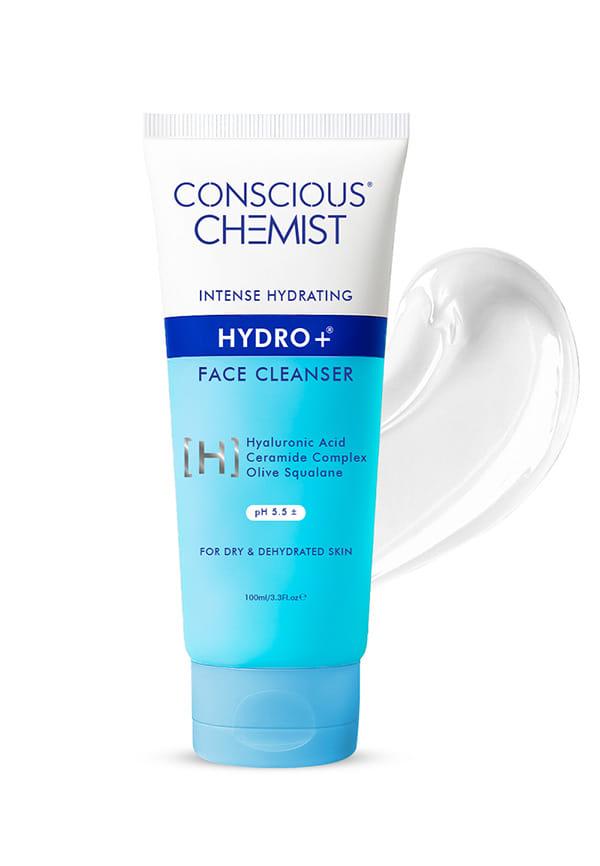
Gentle Hydrating Cleanser For Dry Skin with Hyaluronic Acid and Ceramides
Loved the Fresh, Hydrating Feel
 4
4“my skin loved it , feels fresh and hydrating”
Loved the Fresh, Hydrating Feel
4“my skin loved it , feels fresh and hydrating”
Good cleansing and hydrating
4“Good cleansing and hydrates after wash”
That tight, squeaky-clean feeling after washing your face? It's not the glow-up you think it is. When your skin feels stripped and taut post-cleanse, you've likely disrupted your natural oil balance—the very thing that keeps your complexion healthy, hydrated, and protected. Learning how to cleanse without stripping natural oils isn't just about avoiding dryness; it's about preserving your skin barrier, maintaining optimal pH levels, and supporting your skin's innate ability to stay balanced. Whether you're dealing with post-gym congestion, AC-induced dryness, or simply want to upgrade your daily routine, gentle facial cleansing techniques can transform how your skin looks and feels. The good news? You don't need to sacrifice thorough cleansing for gentleness. With the right approach, products, and techniques—many of which you can explore through platforms like Smytten's curated trial packs—you can achieve that fresh, clean feeling whilst keeping your skin's natural protective barrier intact.
TL;DR
Over-cleansing strips your skin's natural oils, leading to dryness, irritation, and compromised barrier function
Gentle cleansing methods like oil cleansing and pH-balanced cleansers preserve your skin's protective acid mantle
The key is choosing non-stripping face wash formulas with hydrating ingredients and avoiding harsh surfactants
Building a mild cleansing routine involves proper technique, temperature control, and immediate post-cleanse hydration
Different skin types require tailored approaches to maintain natural oil retention whilst achieving thorough cleansing
Your skin's natural oils aren't the enemy—they're actually your first line of defence. When you use harsh cleansers that strip these protective oils, you're essentially removing your skin's built-in security system. This disruption can lead to a cascade of issues: increased sensitivity, premature ageing, and ironically, even more oil production as your skin tries to compensate for what's been lost.
The telltale signs of over-cleansing are more obvious than you might think. That immediate tightness after washing, persistent dryness despite moisturising, increased breakouts (especially around your T-zone), and skin that feels rough or looks dull are all red flags. Your skin might also become more reactive to products it previously tolerated well, or you might notice that your usual moisturiser no longer seems sufficient.
Many popular cleansers contain harsh surfactants like sodium lauryl sulphate (SLS) that create that satisfying foam but strip away both dirt and essential lipids. These ingredients disrupt your skin's pH balance, which should ideally sit between 4.5 and 5.5, with a range up to 6.5 being less optimal. When this acid mantle is compromised, harmful bacteria can proliferate whilst beneficial microorganisms struggle to survive, leading to inflammation and breakouts.
Your skin produces sebum—a complex mixture of triglycerides, wax esters, and squalene—for very good reasons. This natural oil blend doesn't just moisturise; it creates a protective barrier against environmental aggressors, helps maintain optimal pH levels, and even has antimicrobial properties. Understanding this process is crucial for preserving skin barrier health.
Different skin types have varying sebum production patterns, which means your cleansing approach should be tailored accordingly. Oily skin produces more sebum but still needs gentle treatment to avoid triggering overproduction. Dry skin produces less natural oil and requires extra care to preserve what little it makes. Combination skin presents the challenge of managing different zones with varying needs, whilst sensitive skin often reacts poorly to any disruption of its delicate balance.
The science behind natural oil retention reveals why pH balanced skincare matters so much. Your skin's acid mantle—that slightly acidic film on your skin's surface—is maintained partly by sebum and partly by natural moisturising factors. When cleansers are too alkaline (above pH 7), they disrupt this balance, making your skin more susceptible to irritation, infection, and moisture loss.
The world of gentle facial cleansing offers several effective approaches that clean thoroughly without compromising your skin's natural defences. From oil cleansing to balancing skin cleanser formulas, each method has its place in a thoughtful skincare routine.
Oil cleansing works on the principle that like dissolves like—oil-based cleansers effectively remove makeup, sunscreen, and excess sebum without stripping your skin's natural moisture. The technique involves massaging cleansing oil onto dry skin for 60-90 seconds, then emulsifying with warm water before rinsing clean.
The 4-2-4 method takes this further: spend 4 minutes massaging oil into your skin, 2 minutes gently steaming with a warm cloth, and 4 minutes rinsing with lukewarm water. This extended process allows the oil to thoroughly dissolve impurities whilst the gentle massage stimulates circulation.
For those who prefer traditional cleansing, cream and balm cleansers offer excellent alternatives to foaming formulas. These hydrating cleanser options contain moisturising ingredients like ceramides, glycerin, and hyaluronic acid that clean whilst supporting your skin barrier.
Low-pH cleansers (around 5.5) work in harmony with your skin's natural acidity, making them ideal skin-friendly face wash options. Micellar water provides another gentle alternative, using tiny oil molecules suspended in water to lift away impurities without harsh rubbing or rinsing.
Creating an effective mild cleansing routine requires more than just choosing the right product—it's about technique, timing, and follow-up care. The goal is thorough cleansing that respects your skin's natural processes whilst addressing your specific concerns.
Your morning routine should focus on removing overnight oil production and preparing your skin for the day ahead. A single, gentle cleanse is usually sufficient unless you've applied heavy night treatments. Evening cleansing, however, needs to address makeup, sunscreen, pollution, and the day's accumulation of oil and debris.
Water temperature plays a crucial role in natural oil retention. Lukewarm water (around body temperature) effectively cleanses without shocking your skin or stripping oils. Hot water might feel relaxing, but it can disrupt your skin barrier and trigger inflammation, whilst cold water may not effectively remove oil-based products.
The moments immediately after cleansing are critical for maintaining skin hydration. Apply your toner or essence whilst your skin is still slightly damp to help lock in moisture. This technique, known as the "wet skin method," enhances product absorption and prevents that tight feeling that signals moisture loss.
Layer your products from thinnest to thickest consistency, allowing each to absorb before applying the next. This approach ensures your skin receives maximum benefit from each product whilst maintaining the protective barrier you've worked to preserve during cleansing.
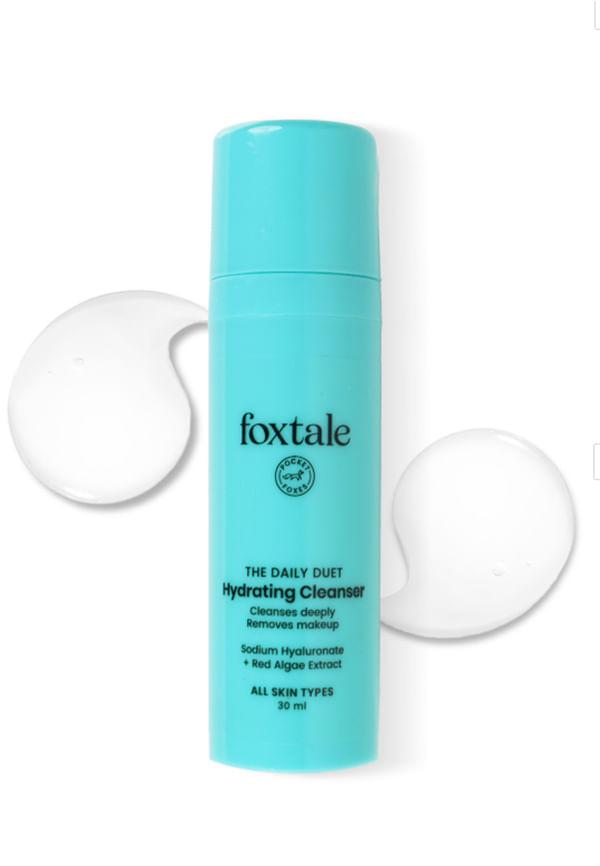
Hydrating Face Wash with Hyaluronic Acid
Good for Daily Use
5“this cleanse is good for daily use. clean soft and smooth skin.”
Good for Daily Use
5“this cleanse is good for daily use. clean soft and smooth skin.”
Good for Daily Use
5“this cleanse is good for daily use. clean soft and smooth skin.”
Navigating the world of cleansers can feel overwhelming, but understanding key ingredients and formulations makes the process much simpler. The best non-stripping face wash options contain gentle surfactants, hydrating ingredients, and maintain an appropriate pH level.
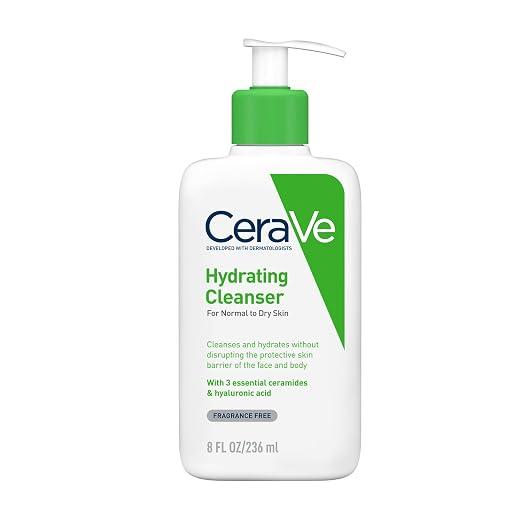
Look for cleansers containing ceramides, which help restore and maintain your skin barrier, or niacinamide, which regulates oil production whilst providing anti-inflammatory benefits. Hyaluronic acid and glycerin are excellent humectants that draw moisture to your skin, whilst ingredients like squalane and natural oils provide additional nourishment. For those seeking a reliable option, the CeraVe Hydrating Cleanser For Normal To Dry Skin exemplifies these principles perfectly, combining ceramides with hyaluronic acid in a gentle, non-foaming formula that cleanses without disrupting the skin barrier. You can discover and try out similar gentle cleansers through Smytten's trial platform, allowing you to test products before committing to a full purchase.
Conversely, avoid cleansers containing harsh sulphates (SLS, SLES), alcohol denat (especially high on the ingredient list), and strong fragrances or essential oils if you have sensitive skin. Alkaline soaps and cleansers with pH levels above 7 should also be avoided as they disrupt your skin's natural acidity.
Reading labels becomes easier when you understand that ingredients are listed in order of concentration. If harsh surfactants appear in the first five ingredients, it's likely too stripping for daily use. Look for terms like "gentle," "hydrating," "pH-balanced," or "for sensitive skin" as indicators of milder formulations.
Even with the best intentions, you might encounter challenges when transitioning to gentler cleansing methods. Understanding how to address these issues helps you stay committed to preserving skin barrier health whilst achieving your skincare goals.
If oil cleansing initially causes breakouts, don't panic—this "purging" phase often occurs as your skin adjusts to the new routine. Ensure you're thoroughly emulsifying and rinsing the oil, and consider switching to a lighter oil blend. Jojoba, grapeseed, or squalane-based cleansers tend to be less comedogenic than heavier options like coconut oil.
Seasonal changes require routine adjustments to maintain optimal cleansing without stripping natural oils. Summer's increased humidity and oil production might call for slightly more thorough cleansing, whilst winter's dry air demands extra gentleness and immediate post-cleanse hydration. Hard water can also interfere with cleanser effectiveness, leaving residue that makes your skin feel tight or look dull.
Pay attention to your skin's feedback and adjust accordingly. If your usual gentle cleanser suddenly feels insufficient, you might need to address other factors like stress, hormonal changes, or new products in your routine rather than switching to harsher cleansing methods.
Use lukewarm water, gentle surfactant-free or low-pH cleansers, and avoid over-cleansing. Massage your cleanser gently for 30-60 seconds, rinse thoroughly but gently, and immediately follow with hydrating products whilst your skin is still damp. Limit cleansing to twice daily maximum, and consider oil cleansing or micellar water for particularly sensitive skin.
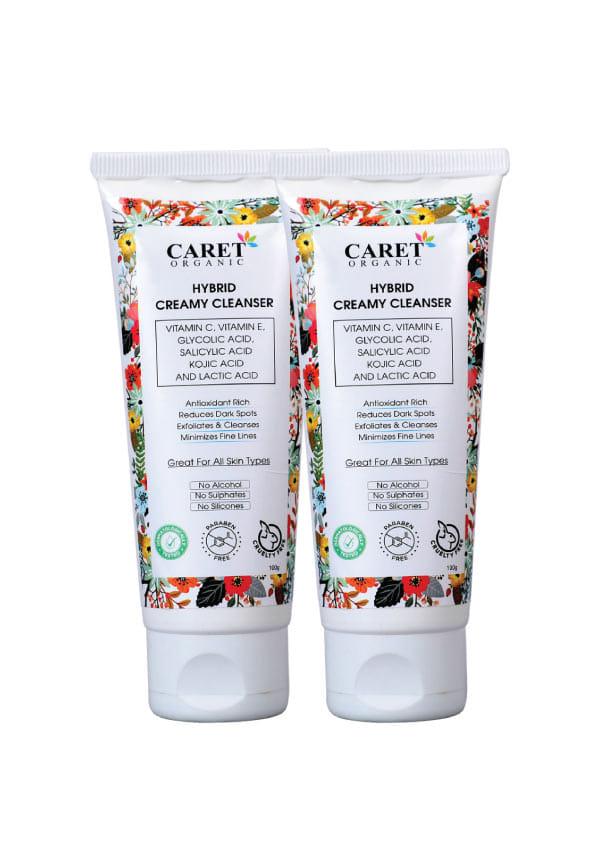
Hybrid Creamy Cleanser Face Wash With Vitamin C, E, Glycolic Acid, Salicylic, Kojic Acid - No Sulphate, Paraben, Alcohol Or Silicone
Good for Sensitive Skin
5“This cleanser is good for sensitive skin”
The 4-2-4 method is an oil cleansing technique: spend 4 minutes massaging cleansing oil into dry skin, 2 minutes gently steaming with a warm, damp cloth, and 4 minutes rinsing with lukewarm water. This extended process ensures thorough removal of makeup, sunscreen, and impurities whilst maintaining skin hydration.
Yes, single oil cleansing can be sufficient, especially for morning routines or when you haven't worn makeup or sunscreen. However, evening routines often benefit from double cleansing—oil cleanser first to remove makeup and sunscreen, followed by a gentle water-based cleanser to remove any remaining residue and oil.
Most people benefit from cleansing twice daily—once in the morning and once in the evening. However, if you have very dry or sensitive skin, you might only need to cleanse with product once daily (evening) and simply rinse with water in the morning. Listen to your skin and adjust frequency based on how it responds.
Hydrating cleansers contain moisturising ingredients like ceramides, hyaluronic acid, or glycerin that help maintain skin moisture during the cleansing process. Regular cleansers, particularly foaming ones, often focus solely on removing dirt and oil without replacing moisture, which can lead to that tight, stripped feeling. Available on Smytten, you can trial various hydrating cleansers to find what works best for your skin type.
Learning how to cleanse without stripping natural oils is fundamental to maintaining healthy, balanced skin. The key lies in understanding that effective cleansing doesn't require harsh ingredients or that squeaky-clean feeling—in fact, these are often signs that you've gone too far. Gentle facial cleansing techniques, whether through oil cleansing, pH-balanced cleansers, or hydrating formulas, can thoroughly clean your skin whilst preserving its natural protective barrier.
Remember that your skin's needs may change with seasons, hormones, and life circumstances, so stay flexible with your approach whilst maintaining the core principles of gentle cleansing. The investment in preserving your skin barrier pays dividends in the form of healthier, more resilient skin that ages gracefully and responds better to other skincare treatments.
Finding the perfect cleansing routine is a journey of discovery, and Smytten makes this exploration both affordable and risk-free. As India's largest product discovery and trial platform, Smytten connects you with over 2,400 trusted brands including gentle cleansing options. Through curated trial packs, you can experiment with different non-stripping face wash formulas, oil cleansers, and hydrating options without committing to full-size purchases. With up to 10 Trial Points for just ₹279 and 100% cashback on trial purchases redeemable for future orders, you can truly try it all until you find your perfect match. The platform's 90% pin code coverage ensures that whether you're in a bustling metro or a smaller city, you can access authentic, brand-verified minis that let you test how different products work with your unique skin needs. After all, why settle for 'maybe' when you can discover exactly what works for your skin through trial before you buy?
