How to Cleanse Dry Skin Without Feeling Tight: A Gentle Guide
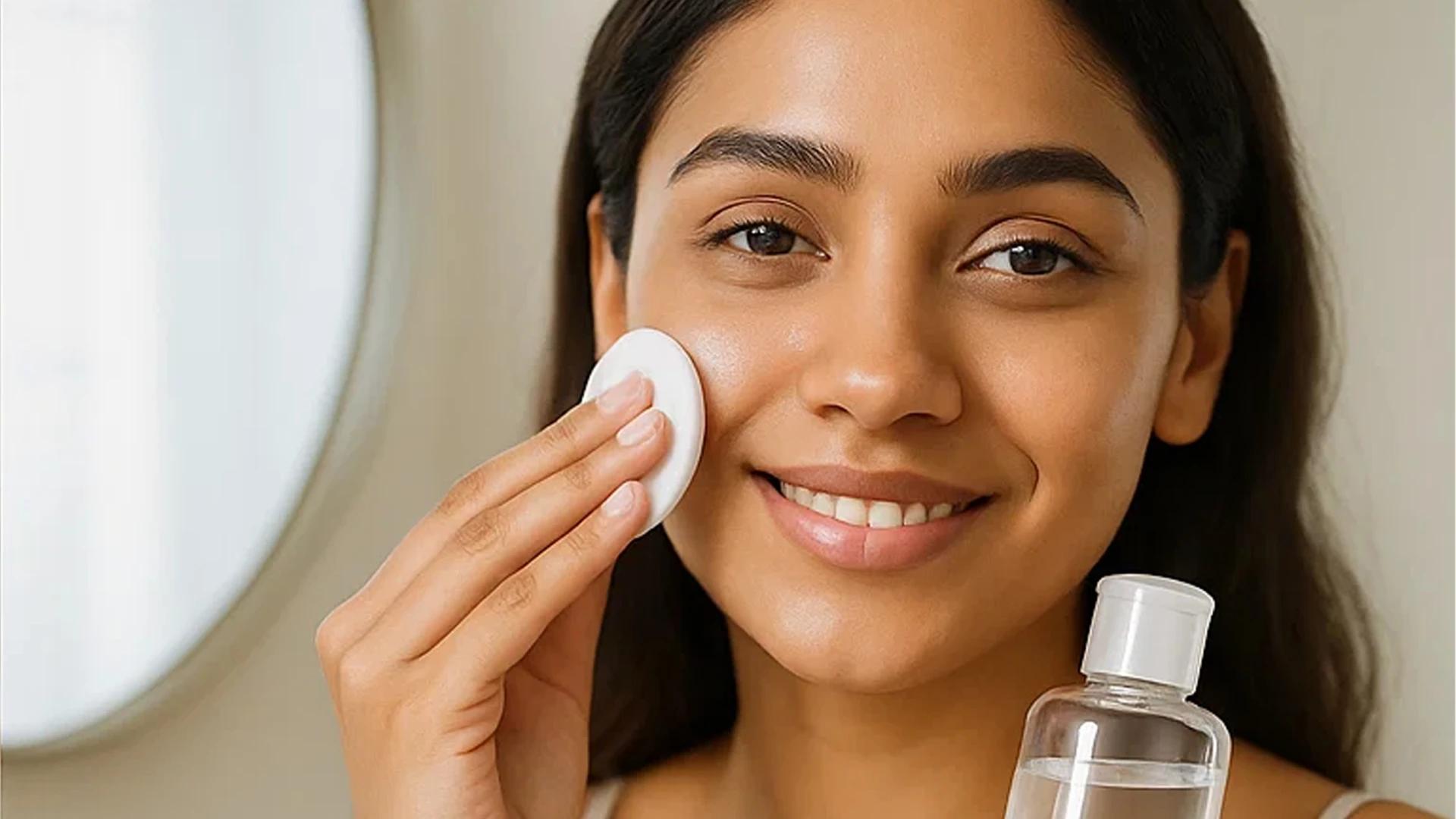

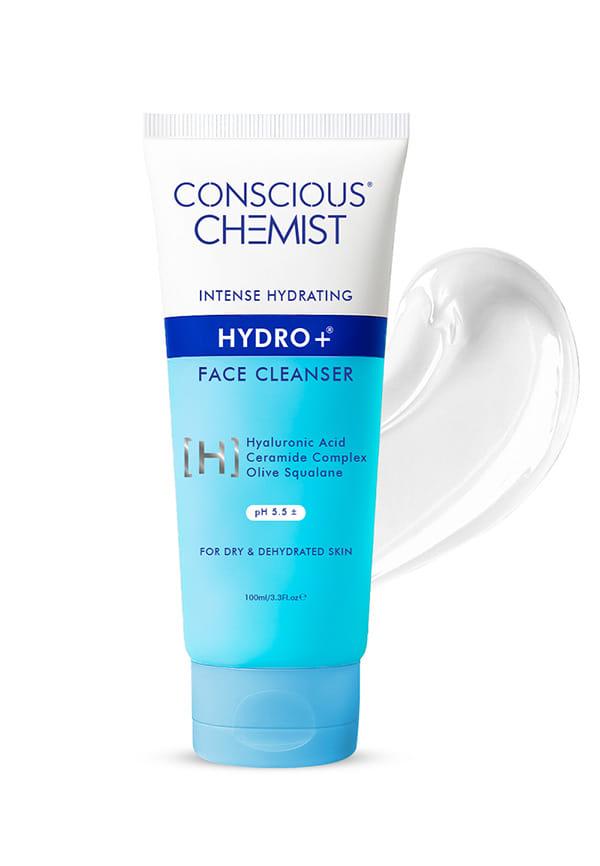
Gentle Hydrating Cleanser For Dry Skin with Hyaluronic Acid and Ceramides
Loved the Fresh, Hydrating Feel
 4
4“my skin loved it , feels fresh and hydrating”
Loved the Fresh, Hydrating Feel
4“my skin loved it , feels fresh and hydrating”
Good cleansing and hydrating
4“Good cleansing and hydrates after wash”
That tight, almost squeaky feeling after washing your face isn't a sign of cleanliness—it's actually your skin crying out for help. If you've been dealing with dry skin that feels uncomfortably tight after cleansing, you're not alone. Many people with dry skin types struggle to find that sweet spot where their skin feels clean but not stripped. The good news? Learning how to cleanse dry skin without feeling tight is absolutely achievable with the right approach and products. Whether you're dealing with seasonal dryness, dehydration from air conditioning, or naturally dry skin that's always been sensitive to harsh cleansers, understanding gentle cleansing techniques can transform your daily routine. You can explore gentle cleansers with these ingredients through Smytten's trial packs to find your perfect match without committing to full sizes. At Smytten, we've seen countless users discover their perfect gentle cleanser through trial packs, allowing them to test products before committing to full sizes—because finding the right cleanser for dry skin shouldn't involve expensive guesswork.
TL;DR
Tight skin after cleansing indicates your cleanser is too harsh and stripping natural oils from your skin barrier
Look for hydrating face wash for dry skin and non-stripping cleansers with ingredients like ceramides, hyaluronic acid, and glycerin whilst avoiding sulfates and alcohol
Use lukewarm water, limit cleansing to 30-60 seconds, and always moisturise within three minutes of cleansing
Cream and oil cleansers work best for dry skin, whilst micellar water offers a gentle no-rinse alternative
Post-cleansing care with immediate hydration is crucial for maintaining comfortable, healthy-feeling skin
When your skin feels tight after washing, it's essentially sending you a distress signal. This uncomfortable sensation occurs when your cleanser disrupts your skin's natural moisture barrier, stripping away essential lipids and natural oils that keep your skin hydrated and protected.
Your skin barrier is made up of ceramides, cholesterol, and fatty acids that work together like mortar between bricks. When harsh cleansers containing sulfates or high pH formulations come into contact with this delicate barrier, they can dissolve these protective lipids faster than your skin can replace them. This leads to trans-epidermal water loss—essentially, moisture escaping from your skin at an accelerated rate.
The pH of your cleanser plays a crucial role too. Healthy skin has a slightly acidic pH, typically between 4.5-6.5, but many traditional soaps and harsh cleansers have a pH of 9 or higher. This alkaline environment can disrupt your skin's acid mantle, leading to irritation, dryness, and that telltale tight feeling. Temperature matters as well—hot water might feel soothing, but it actually strips your skin more aggressively than lukewarm water.
Signs your current cleanser is too harsh include immediate tightness after washing, flaking or peeling skin, increased sensitivity, redness, or the need to apply moisturiser immediately to feel comfortable. If any of these sound familiar, it's time to reassess your cleansing routine.
The key to avoiding that tight, uncomfortable feeling lies in choosing cleansers with hydrating and barrier-supporting ingredients. Think of your ideal cleanser as a product that cleans whilst simultaneously nourishing your skin. Naturally integrate more secondary keywords like 'hydrating face wash dry skin', 'non-stripping cleanser', and 'moisturizing cleanser routine' in paragraphs 3-6 of main sections.
Hyaluronic acid, glycerin, and ceramides are your best friends when it comes to maintaining moisture during cleansing. Hyaluronic acid can hold up to 1,000 times its weight in water, helping your skin retain moisture even as you cleanse. Glycerin acts as a humectant, drawing moisture from the environment to your skin, whilst ceramides help restore and maintain your skin barrier.
Not all cleansing agents are created equal. Look for mild surfactants like cocamidopropyl betaine or sodium cocoyl isethionate instead of harsh sulfates like sodium lauryl sulfate (SLS). These gentler alternatives clean effectively without stripping your skin's natural oils.
Niacinamide helps strengthen your skin barrier whilst reducing inflammation. Panthenol (pro-vitamin B5) provides soothing hydration, and squalane mimics your skin's natural sebum to provide lightweight moisture. These ingredients work together to support your skin's natural protective functions.
Ingredients to avoid include alcohol (especially denatured alcohol), synthetic fragrances, and harsh sulfates. These can exacerbate dryness and sensitivity, leaving your skin feeling tighter than before you started.
Creating a gentle cleansing routine isn't just about the products you use—it's about how and when you use them. The goal is to remove impurities whilst preserving your skin's natural moisture and protective barrier.
Many people with dry skin benefit from skipping cleanser in the morning altogether. If your skin feels comfortable, a splash of lukewarm water followed by your morning skincare routine can be sufficient. Your skin produces beneficial oils overnight that don't necessarily need to be washed away.
If you do prefer to cleanse in the morning, opt for a very gentle cream cleanser or micellar water. Apply with light, circular motions for no more than 30 seconds, then rinse with lukewarm water.
Evening is when your skin needs a more thorough cleanse to remove makeup, sunscreen, and daily pollutants. The double cleansing method works beautifully for dry skin when done gently. Start with an oil cleanser to dissolve makeup and sunscreen—oils are excellent at breaking down other oils without stripping your skin.
Follow with a hydrating second cleanser to remove any remaining impurities. This two-step process ensures thorough cleansing whilst maintaining your skin's moisture levels. Remember, the entire process should take no more than two minutes total.
Different cleanser formulations offer varying benefits for dry skin types. Understanding these differences can help you choose the most suitable option for your specific needs.
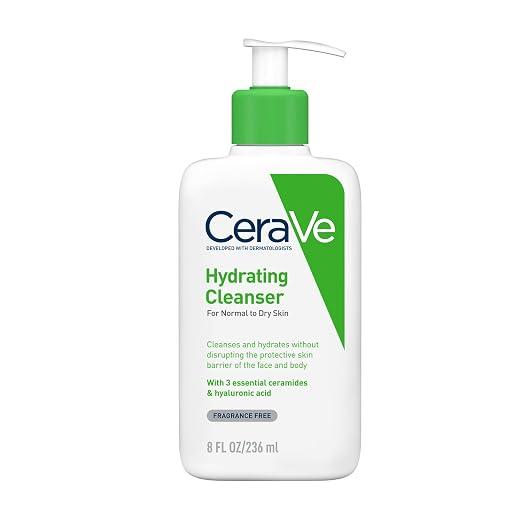
Cream cleansers are often the gold standard for dry skin. They typically contain nourishing oils and emollients that cleanse whilst providing moisture. The CeraVe Hydrating Cleanser For Normal To Dry Skin exemplifies this approach perfectly, combining essential ceramides (ceramides 1, 3, 6-II) with hyaluronic acid to cleanse without compromising the skin barrier. This type of cleanser leaves skin feeling soft and comfortable rather than tight or stripped.
Oil cleansers work on the principle that like dissolves like—oils effectively remove oil-based impurities without disrupting your skin's natural lipid barrier. When massaged onto dry skin and then emulsified with water, they transform into a milky texture that rinses away cleanly. This method is particularly effective for removing stubborn makeup and sunscreen.
For those days when your skin feels particularly sensitive or when you're travelling, micellar water offers a gentle no-rinse option. The micelles (tiny oil molecules) attract dirt and makeup without requiring harsh rubbing or rinsing, making it an excellent choice for very dry or reactive skin.
The technique you use to cleanse is just as important as the products you choose. Proper application can make the difference between skin that feels comfortable and skin that feels tight and irritated.
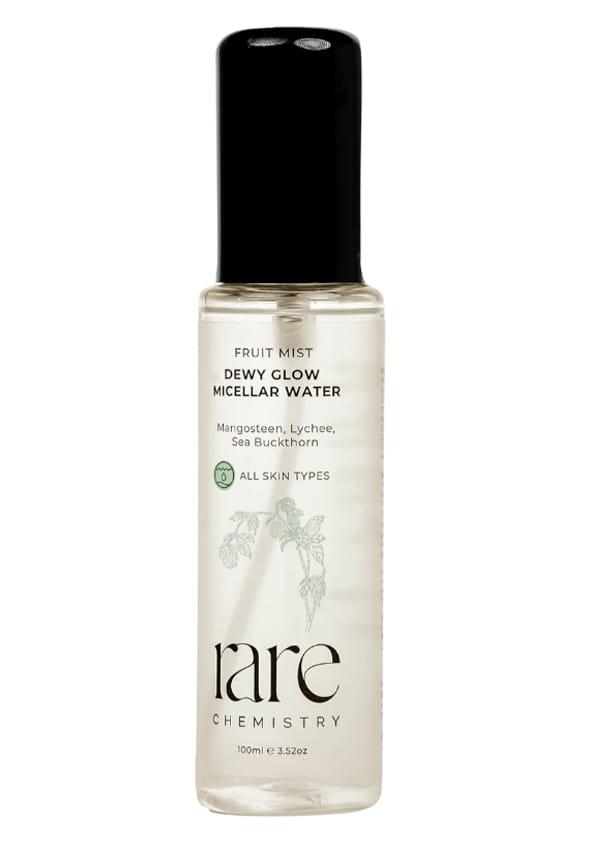
Fruit Mist Dewy Glow Micellar Water
Pre-cleanse preparation: If you're wearing makeup or sunscreen, start with an oil cleanser or micellar water to gently dissolve these products. This prevents you from having to scrub or use excessive pressure with your main cleanser.
Water temperature control: Use lukewarm water throughout your routine. Water that's too hot strips your skin's natural oils more aggressively, whilst cold water doesn't effectively remove impurities or help your cleanser work properly.
Gentle application method: Apply your cleanser with light, circular motions using your fingertips. Avoid scrubbing or using excessive pressure. The entire cleansing process should take 30-60 seconds maximum—any longer risks over-cleansing.
Proper rinsing technique: Rinse thoroughly with lukewarm water, ensuring no cleanser residue remains. Leftover product can cause irritation and clog pores.
Pat-dry method: Gently pat your skin dry with a clean, soft towel. Never rub or drag the towel across your skin, as this can cause micro-tears and irritation.
Immediate moisturising: Apply your moisturiser within three minutes of cleansing whilst your skin is still slightly damp. This helps lock in moisture and prevents that tight feeling from developing.
What you do immediately after cleansing is crucial for maintaining comfortable, hydrated skin. The post-cleansing window is when your skin is most vulnerable to moisture loss.
Consider applying a hydrating toner or essence first—these products help restore your skin's pH balance whilst providing an extra layer of hydration. Look for alcohol-free formulations with ingredients like hyaluronic acid or glycerin.
Serum layering can provide additional moisture for very dry skin. Hyaluronic acid serums work particularly well when applied to damp skin, as they can draw moisture from the water on your skin's surface. Follow with a nourishing moisturiser that contains ceramides, peptides, or natural oils.
For overnight intensive repair, consider using a slightly richer moisturiser or adding a facial oil to your evening routine. Your skin does most of its repair work whilst you sleep, so providing extra nourishment during this time can help restore your skin barrier.
Environmental factors also play a role in how your skin feels after cleansing. In dry climates or during winter months, you might need to adjust your routine by using richer products or adding a humidifier to your bedroom to maintain optimal moisture levels.
Even with the best intentions, it's easy to fall into habits that can exacerbate dryness and tightness. Being aware of these common pitfalls can help you maintain healthier, more comfortable skin.
Over-cleansing is perhaps the most common mistake. Cleansing more than twice daily or for longer than necessary can strip your skin's natural protective oils. If your skin feels tight, try reducing your cleansing frequency or switching to a gentler formula.
Hot water damage might feel relaxing, but it's one of the quickest ways to dehydrate your skin. Stick to lukewarm water for both cleansing and rinsing to preserve your skin's natural moisture barrier.
Harsh scrubbing with washcloths, brushes, or excessive pressure can damage your skin barrier and worsen dryness. Your fingertips provide adequate cleansing action when used with the right products.
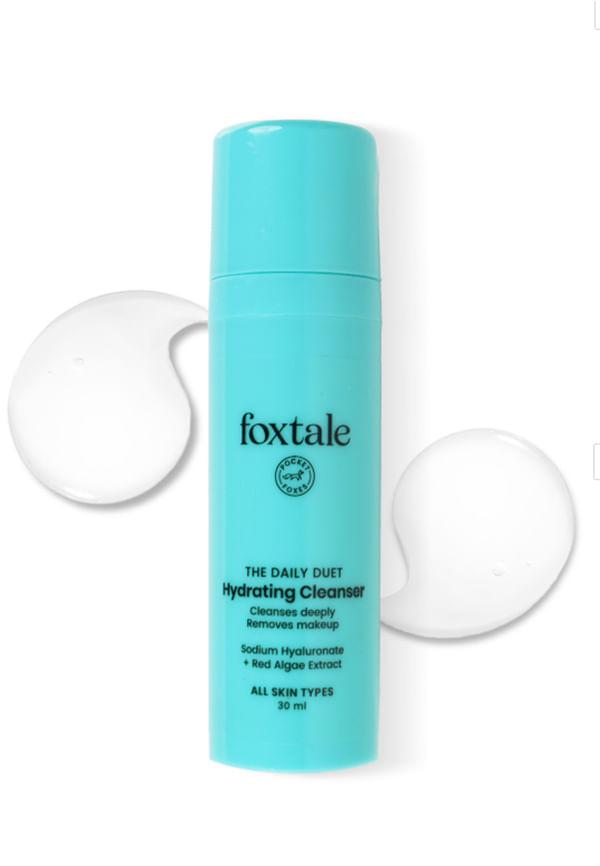
Hydrating Face Wash with Hyaluronic Acid
Good for Daily Use
5“this cleanse is good for daily use. clean soft and smooth skin.”
Good for Daily Use
5“this cleanse is good for daily use. clean soft and smooth skin.”
Good for Daily Use
5“this cleanse is good for daily use. clean soft and smooth skin.”
Wrong product selection often stems from choosing cleansers based on skin concerns other than dryness. If you have dry skin, prioritise hydrating formulations over products targeting oil control or deep pore cleansing.
Skipping immediate moisturising allows moisture to evaporate from your skin, leading to that tight feeling. Make moisturising the immediate next step after cleansing, ideally within three minutes.
Remember that your skin's needs can change seasonally. What works in summer might not provide enough moisture in winter, so be prepared to adjust your routine as needed.
Tight skin is a sign that your moisture barrier has been compromised, causing increased water loss from the skin's surface. This creates a sensation of tightness as your skin literally contracts slightly due to dehydration. It's your skin's way of signalling that it needs more moisture and gentler treatment.
With proper care, dry skin can significantly improve over time. Your skin barrier can repair itself within 2-4 weeks when given the right support through gentle cleansing and adequate moisturising. However, if dryness persists despite proper skincare, it may indicate an underlying condition that requires professional attention.
Gentle exfoliation with a soft washcloth or mild chemical exfoliant (like lactic acid) can help remove flaky skin. However, avoid aggressive scrubbing or over-exfoliating, which can worsen dryness. Focus on hydration first—sometimes what appears to be dry skin is actually dehydrated skin that needs moisture rather than removal.
How to cleanse dry skin without feeling tight naturally? If your current cleanser consistently leaves your skin feeling tight, it's time to switch to a gentler formula. Look for cream or oil-based cleansers with hydrating ingredients, and consider whether you might be cleansing too frequently or with water that's too hot. You can explore different gentle cleansers through Smytten's trial packs to find one that works for your skin without the commitment of purchasing full sizes.
Learning how to cleanse dry skin without feeling tight is about understanding your skin's needs and choosing products that support rather than strip your natural moisture barrier. The tight sensation after cleansing isn't normal—it's a sign that your current routine needs adjustment.
Focus on gentle, hydrating cleansers with ingredients like ceramides, hyaluronic acid, and glycerin whilst avoiding harsh sulfates and alcohol. Your cleansing technique matters just as much as your product choice: use lukewarm water, limit cleansing time to 30-60 seconds, and always follow up with immediate moisturisation.
Remember that consistency is key. It may take a few weeks for your skin barrier to fully recover from harsh cleansing practices, so be patient and gentle with your skin during this transition period. The goal is clean, comfortable skin that feels soft and hydrated rather than tight and stripped.
Finding the perfect gentle cleanser for your dry skin doesn't have to involve expensive trial and error. Smytten is India's largest product discovery and trial platform, connecting consumers with top lifestyle, beauty, wellness, and grooming brands through curated trial packs. With mini-sized products from over 2,400 trusted brands, you can explore gentle cleansers before committing to full-size purchases. Each mini is linked with Trial Points, and users can get up to 10 Trial Points for just ₹279, plus Smytten offers 100% cashback on trial purchases, making product discovery both affordable and rewarding. When you find a cleanser that leaves your skin feeling comfortable and hydrated, buying the full-size version is just a click away. With over 28 million users and 100% authentic, directly sourced products available across 90% pin code coverage, Smytten helps you make smarter, more confident skincare choices. After all, why settle for tight, uncomfortable skin when you can try it all and find your perfect gentle cleanser?
