Skincare
•06 min read

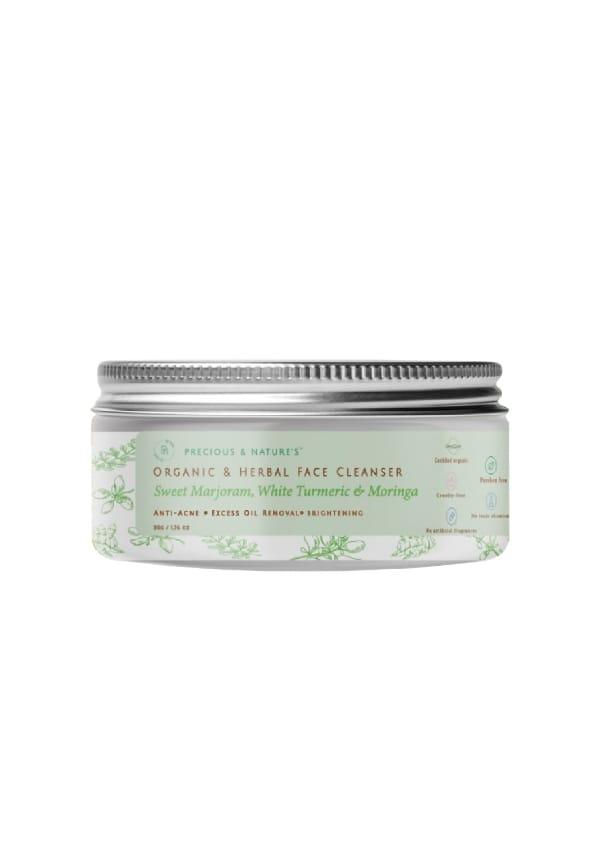
Organic and Herbal Face Cleanser
The natural skincare revolution is here, and honestly, it's about time. More people are ditching harsh chemicals for gentler, plant-based alternatives that actually work with your skin instead of against it. But here's the thing—just because a product screams "natural" on the label doesn't mean it's automatically safe or effective. The beauty industry loves throwing around buzzwords like organic skincare and clean beauty brands, but what do they actually mean? Let's cut through the marketing fluff and figure out how to choose top natural skincare products that won't leave your skin worse off than when you started. Trust us, your skin will thank you for doing the homework.
Real talk—the term "natural" in skincare is basically the Wild West. There's no strict legal definition, which means brands can slap it on pretty much anything. But don't worry, we've got your back. The key is knowing what to look for beyond the fancy packaging and feel-good marketing.
Let's break this down because these terms get thrown around like confetti, but they're not all the same thing. Organic skincare typically means the ingredients were grown without synthetic pesticides or fertilisers—look for USDA Organic certification to be sure. Natural usually refers to ingredients derived from plants, minerals, or other naturally occurring substances, but it's not regulated. Clean beauty brands focus on formulations free from potentially harmful ingredients, though what counts as "harmful" varies by brand.
Your best bet? Look for third-party certifications like EWG Verified, COSMOS Organic, or Soil Association. These actually mean something because independent organisations have done the legwork to verify claims.
Plant based skincare isn't just a trend—it's backed by solid science. Take vitamin C from kakadu plum, which packs more antioxidant power than synthetic versions. Or bakuchiol, a plant-derived retinol alternative that gives you anti-ageing benefits without the irritation. These skincare ingredients prove that nature knows what it's doing.
Carrier oils like jojoba, rosehip, and argan are also worth obsessing over. They're packed with fatty acids and vitamins that actually nourish your skin barrier instead of just sitting on top.
Here's where things get tricky. Just because something comes from a plant doesn't automatically make it gentle or safe. Some natural ingredients can be more irritating than their synthetic counterparts. The key is knowing what to avoid and how to spot greenwashing from a mile away.
Even non toxic skincare brands sometimes sneak in questionable ingredients. Watch out for synthetic fragrances (even in "natural" products), parabens, sulfates, and formaldehyde-releasing preservatives. Essential oils, while natural, can be major irritants—especially citrus oils that make your skin photosensitive.
Greenwashing is everywhere, so don't fall for vague terms like "naturally derived" or "plant-inspired." If a brand can't clearly list what's in their products or where ingredients come from, that's a red flag.
If you've got sensitive skin, choosing sensitive skin products requires extra care. Natural doesn't always mean gentle—poison ivy is natural, but you wouldn't put it on your face, right? Always patch test new products on your inner arm for 24-48 hours before going all in.
Look for products with shorter ingredient lists and avoid common irritants like essential oils, alcohol, and high concentrations of acids. Hypoallergenic labels help, but they're not foolproof.
Creating the best skincare routine with natural products isn't rocket science, but it does require some strategy. The good news? You don't need 12 steps and a chemistry degree to get glowing skin. Sometimes less really is more.
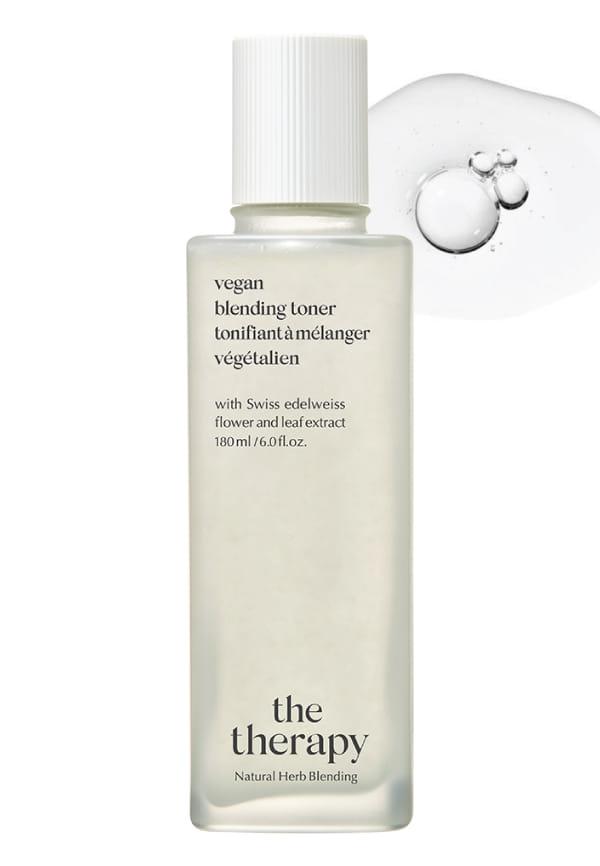
The Therapy Vegan Blending Toner, Organic & vegan toner
Keep it simple with the basics: cleanse, treat, moisturise, and protect. Morning routines should focus on protection (hello, SPF), while evenings are for treatment and repair. This foundation works whether you're using natural beauty products or conventional ones.
Start with a gentle cleanser that won't strip your skin, add a treatment serum for your specific concerns, follow with a moisturiser that suits your skin type, and never skip SPF during the day. It's that straightforward.
Acne-prone skin loves salicylic acid from willow bark and tea tree oil (in small concentrations). Ageing skin benefits from vitamin C serums and plant-based retinol alternatives. Dry skin craves rich oils and ceramides, while combination skin needs lightweight, balancing formulas.
The trick is layering products from thinnest to thickest consistency and giving each layer time to absorb before adding the next.
Not all natural beauty products are created equal, and you don't need to replace everything at once. Start with the products that touch your skin most often and work your way up from there. Smart shopping means focusing on the essentials first.
Your cleanser and moisturiser are non-negotiables—these are the products you use twice daily, so they have the biggest impact. Look for gentle, pH-balanced cleansers and moisturisers with ingredients like hyaluronic acid, ceramides, or plant oils.
SPF is absolutely crucial, though finding natural sunscreens that don't leave you looking like a ghost can be challenging. Zinc oxide and titanium dioxide are your friends here—they're mineral-based and effective.
Eco friendly skincare goes beyond just the formula—packaging matters too. Look for brands using recycled materials, refillable containers, or minimal packaging. Some companies even offer take-back programmes for empty containers.
Concentrated formulas and solid products (like cleansing bars) often have lower environmental impact than their liquid counterparts. Plus, they're usually more travel-friendly.
If you care about animal welfare, cruelty free skincare is probably non-negotiable. But navigating the certifications and claims can be confusing. Some brands claim to be cruelty-free but still sell in countries where animal testing is required by law.
Leaping Bunny is the gold standard for cruelty-free certification—they have the strictest standards and actually monitor compliance. PETA's list is also reliable, though their criteria are slightly different. Always check if a brand sells in mainland China, where animal testing is often mandatory for imported cosmetics.
Don't just take a brand's word for it—look for official certification logos and do a quick search to verify their claims.
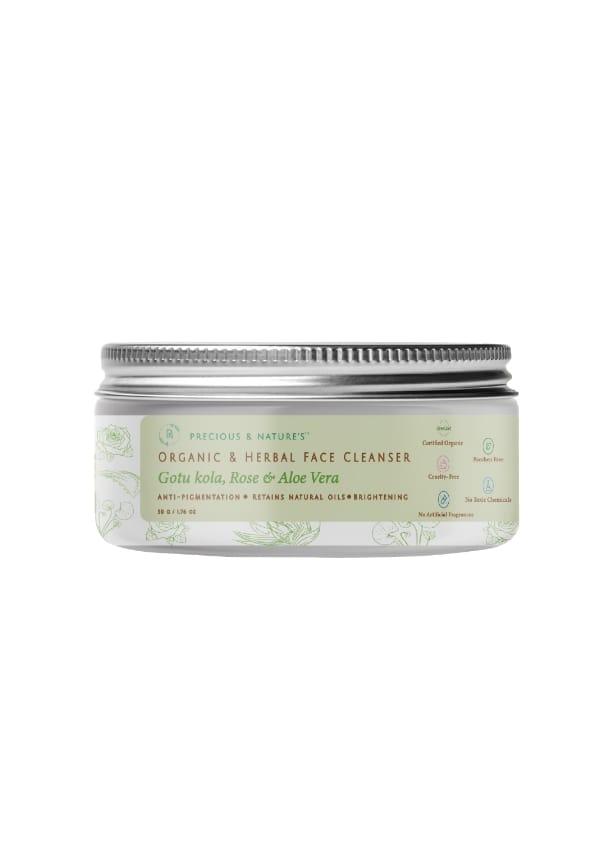
Organic and Herbal Face Cleanser
Expensive doesn't always mean better, especially in natural skincare. Some luxury brands charge premium prices for fancy packaging and marketing rather than superior ingredients. Focus on the ingredient list and concentration rather than the price tag.
That said, quality natural ingredients can be costly to source and process, so don't expect miracle products for ₹50. Find the sweet spot between quality and affordability—your skin and wallet will both be happy.
This is where platforms like Smytten become your best friend. With over 1,500 trusted brands including clean beauty favourites like Love, Beauty & Planet, you can try mini-sized versions of products before committing to full sizes. Getting up to 8 minis for just ₹249 means you can experiment with different natural formulations without the financial risk.
Most natural skincare products take 4-6 weeks to show noticeable results, similar to conventional products. Your skin needs time to adjust and regenerate, so patience is key.
Absolutely. Natural ingredients can be just as allergenic as synthetic ones—sometimes more so. Essential oils, plant extracts, and even natural preservatives can trigger reactions in sensitive individuals.
Not necessarily. Price often reflects packaging, marketing, and brand positioning rather than ingredient quality. Focus on the ingredient list and concentrations rather than the price tag.
Switch gradually, one product at a time. Start with your cleanser, then moisturiser, and work your way through your routine. This helps you identify any products that don't work for your skin.
Natural products typically have shorter shelf lives than conventional ones due to fewer preservatives. Most last 6-12 months once opened. Look for products with natural preservatives and store them properly.
Yes, many natural ingredients are excellent for acne-prone skin. Tea tree oil, willow bark extract, and green tea are all effective natural acne fighters when used in proper concentrations.
Choosing top natural skincare products doesn't have to be overwhelming once you know what to look for. Focus on certified organic ingredients, avoid greenwashing tactics, and remember that natural doesn't automatically mean gentle or effective. The best approach is to research ingredients, patch test everything, and build your routine gradually.
With Smytten's trial platform, you can explore natural skincare options from over 1,500 brands without the commitment of full-size purchases. The platform's 100% cashback system on trial minis makes it easier than ever to discover your perfect natural skincare routine. Whether you're looking for plant-based alternatives or cruelty-free options, having access to mini versions lets you test what works for your unique skin before investing in full sizes. After all, why settle for maybe when you can try it all and find exactly what your skin loves?
