
Skincare
•08 min read

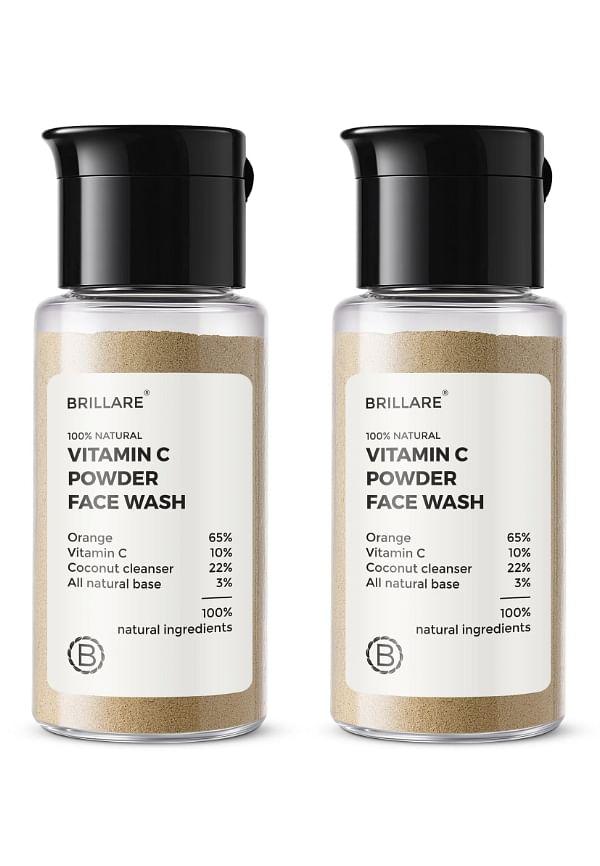
Brillare Vitamin C Powder Face Wash (30g) Combo For Bright, Radiant Skin
Let's be real—vitamin C is everywhere in skincare right now, but choosing between vitamin C in water vs oil formulations can feel like solving a chemistry puzzle. One promises maximum potency whilst the other offers gentle stability. The truth is, both have their place in your skincare routine, but knowing which one suits your skin type and lifestyle makes all the difference. Whether you're dealing with stubborn dark spots or just want that healthy glow, understanding these formulations will help you make the smartest choice for your skin.
The world of vitamin C serum options can feel overwhelming, but it all comes down to one key factor: how the vitamin C molecule is structured and delivered to your skin. Think of it like choosing between a sports car and a steady SUV—both get you where you need to go, but the journey feels completely different.
Pure ascorbic acid skincare products are naturally water-loving molecules that dissolve easily in aqueous solutions. This means they can penetrate your skin quickly, delivering immediate vitamin C benefits for skin like brightening and antioxidant protection. Water-based formulations typically work best at a pH between 2.5-3.5, which is quite acidic—hence why some people experience tingling when they first try them.
Oil soluble vitamin c derivatives, on the other hand, are chemically modified versions that play nicely with oils and lipids. These formulations work differently because they need to be converted back into active vitamin C once they're absorbed into your skin. It's like having a time-release capsule that slowly delivers the goods.
Water soluble vitamin c forms include L-ascorbic acid (the gold standard), sodium ascorbyl phosphate, and magnesium ascorbyl phosphate. These are your heavy hitters for immediate results but require more careful handling and storage.
The vitamin c ester family includes ascorbyl palmitate and ascorbyl tetraisopalmitate—these oil-loving versions are much more stable but work at a gentler pace. Think of them as the marathon runners of the vitamin C world, providing steady benefits over time rather than an immediate sprint.
Water-based formulations are the overachievers of the vitamin C world. They're potent, fast-acting, and have decades of research backing their effectiveness. But like any high-performer, they come with their own set of requirements and quirks.
The biggest win with water-based serums is their ability to deliver high concentrations—some formulations pack up to 20% L-ascorbic acid. This means faster vitamin c absorption skin penetration and quicker visible results, especially for vitamin c skin brightening goals.
These formulations are also typically more budget-friendly and widely available. You'll find them from high-street brands to luxury lines, making them accessible for most skincare enthusiasts. The research backing water-based vitamin C is extensive, so you know you're working with proven science.
Here's where things get tricky—water-based vitamin C serums are notorious for their diva-like behaviour. They oxidise easily (you'll notice them turning brown), especially when exposed to light, air, or heat. This oxidation doesn't just affect the colour; it reduces the serum's effectiveness too.
The low pH required for stability can also cause irritation, especially for sensitive skin types. Some users experience redness, stinging, or peeling when they first introduce these products. Storage becomes crucial—think cool, dark places, and definitely not your bathroom cabinet if it gets steamy.
Water-based formulations work brilliantly for oily and combination skin types who can handle the higher acidity levels. If you're someone who loves seeing quick results and doesn't mind being particular about storage, these might be your kind of pick.
They're also perfect for those targeting specific concerns like hyperpigmentation or dullness, where you want maximum potency. Just be prepared to replace your serum every few months and store it properly.
If water-based vitamin C serums are the sports cars, oil-based formulations are the reliable family vehicles. They might not give you that immediate rush, but they'll serve you well over the long haul without much fuss.
The standout feature of oil-based formulations is their stability. These vitamin c derivative products can sit on your shelf for months without turning brown or losing potency. They're also significantly gentler on sensitive skin, making them perfect for those who've had bad experiences with traditional vitamin C serums.
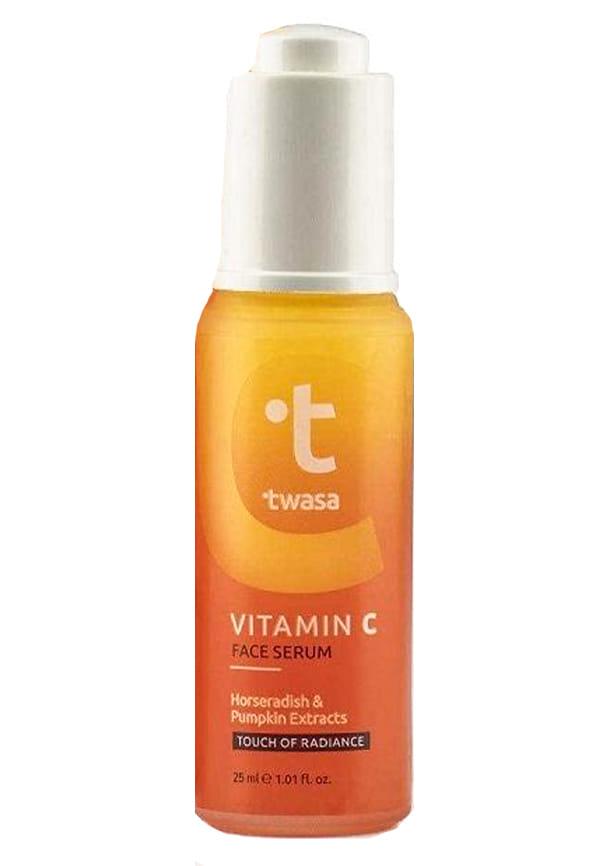
Vitamin C Face Serum For Glowing Skin With Hyaluronic Acid
Oil-based formulations also play beautifully with other oils in your routine. If you're someone who loves facial oils or has dry skin that craves moisture, these formulations integrate seamlessly without pilling or feeling heavy.
Ascorbyl palmitate is probably the most common oil-soluble form you'll encounter. It's created by combining ascorbic acid with palmitic acid, creating a stable molecule that can penetrate oil-loving skin barriers. While some people worry about potential irritation, most vitamin c derivative forms are much gentler than pure ascorbic acid.
These derivatives work by slowly converting back to active vitamin C once they're absorbed into your skin. It's like having a slow-release system that provides steady antioxidant protection throughout the day.
If you have dry, sensitive, or mature skin, oil-based formulations might just become your new fave. They're also brilliant for anyone living in humid climates where water-based serums tend to oxidise quickly.
These formulations are perfect for people who want the benefits of vitamin C without the fuss of special storage requirements or potential irritation. They're also great for those who prefer simpler routines or travel frequently.
The million-rupee question: which formulation actually works better? The answer isn't straightforward because it depends on what you're trying to achieve and how your skin responds to different approaches.
Water-based serums typically show faster initial results because they penetrate quickly and deliver high concentrations directly to your skin cells. You might notice brighter skin within a few weeks of consistent use.
Oil-based formulations work more slowly but provide sustained benefits over time. Think of it as the difference between a quick energy drink and a nutritious meal—both have their place, but the effects feel different.
For targeting dark spots and achieving that coveted vitamin c skin brightening effect, water-based formulations often edge ahead due to their higher potency and faster penetration. However, for overall skin health and anti-ageing benefits, both formulations can be equally effective when used consistently.
If you're dealing with acne-prone skin, water-based serums might be preferable as they're less likely to clog pores. However, if your skin is sensitive or compromised, the gentler oil-based options could be the better choice for long-term use.
Choosing the right vitamin C formulation is like finding the perfect pair of jeans—it's all about what fits your specific needs and lifestyle. Let's break down the decision-making process to help you find your match.
For oily and acne-prone skin, water-based serums are typically the way to go. Their lightweight texture won't add extra oil to your skin, and the higher potency can help with post-acne marks and overall skin clarity.
If you have dry or mature skin, oil-based formulations might be worth obsessing over. They provide moisture alongside vitamin C benefits, making them perfect for skin that needs extra nourishment. The gentler nature also means less risk of irritation on already sensitive mature skin.
Sensitive skin types should definitely lean towards oil-based or gentler water-based derivatives. Start with lower concentrations and always patch test before committing to a full routine.
Consider your daily routine and environment when making your choice. If you live in a hot, humid climate, oil-based formulations might be more practical since they're less likely to oxidise quickly. If you travel frequently, the stability of oil-based options makes them more convenient.
Budget is another factor—water-based serums often need replacing more frequently due to oxidation, whilst oil-based options tend to last longer, potentially offering better value over time.
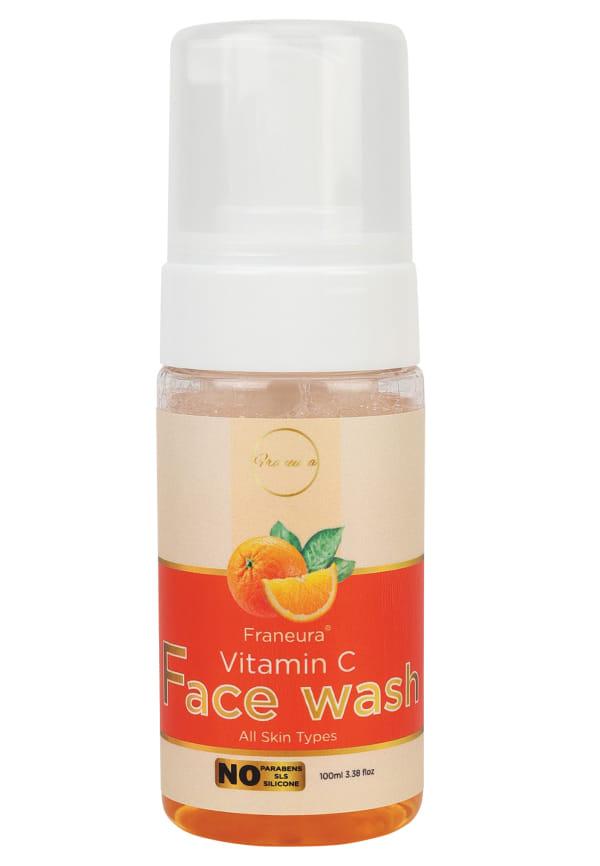
Vitamin C Foaming Face Wash - Brighten & Even Skin Tone
Getting the most out of your chosen vitamin C formulation isn't just about picking the right type—it's about using it correctly. The application method can make or break your results, regardless of which formulation you choose.
For water-based serums, timing is everything. Apply them to clean, dry skin in the morning, allowing them to absorb completely before layering other products. The key is to use them consistently and store them properly to maintain potency.
Oil-based formulations are more forgiving with timing and can often be used morning or evening. They mix beautifully with facial oils or can be applied on their own. The slower absorption means you have more flexibility in your routine.
One of the biggest mistakes people make is mixing vitamin C with certain actives like retinol or strong acids at the same time. Space these out—use vitamin C in the morning and retinol at night, or alternate days if you're using both.
Storage mistakes can also sabotage your results. Keep water-based serums in cool, dark places (some people even refrigerate them), whilst oil-based formulations are more forgiving but still benefit from consistent temperatures.
When exploring different vitamin C options, platforms like Smytten make it easier to try various formulations without committing to full-size products. With curated trial packs from trusted brands, you can discover which best vitamin c for face works for your specific skin needs before making a larger investment.
Liquid vitamin C serums generally offer faster absorption and higher bioavailability compared to powder or cream formulations. Water-based serums show peak effectiveness within 2 hours of application, making them ideal for quick results.
The best vitamin c for face depends entirely on your skin type. Water-based L-ascorbic acid works brilliantly for maximum potency and oily skin, whilst oil-soluble derivatives like ascorbyl palmitate are gentler options for sensitive or dry skin types.
Pure vitamin C (ascorbic acid) is naturally water soluble vitamin c, but chemically modified derivatives can be made oil-soluble for enhanced stability and gentler skin application. Both forms can be effective when formulated properly.
Check for colour changes—browning indicates oxidation in water-based formulations. Also watch for rancid odours or texture changes. Water-based serums typically last 3-6 months once opened, whilst oil-based formulations remain stable for longer periods.
Absolutely! Opt for oil-based formulations or gentler vitamin c derivative options like magnesium ascorbyl phosphate. Start with lower concentrations and always patch test before incorporating into your full routine.
Most dermatologists recommend morning application for antioxidant protection throughout the day. However, oil-based formulations are gentle enough for evening use if that fits your routine better. Always follow with SPF during the day.
Choosing between vitamin C in water vs oil formulations doesn't have to feel overwhelming once you understand your skin's needs and lifestyle preferences. Water-based options deliver potent, fast-acting results perfect for oily skin and specific concerns like hyperpigmentation. Oil-based formulations offer gentle, stable benefits that work brilliantly for sensitive or dry skin types.
The key is matching the formulation to your skin type, routine, and goals. Remember that consistency matters more than perfection—a gentler vitamin C used daily will outperform a potent one used sporadically due to irritation. Whether you choose the immediate gratification of water-based serums or the steady reliability of oil-based options, both can deliver the vitamin c benefits for skin you're after.
With Smytten's extensive range of skincare trial packs from over 1,500 trusted brands, you can explore different vitamin C formulations without the commitment of full-size purchases. This approach lets you discover what truly works for your skin, ensuring you never have to settle for 'maybe' when you can find your perfect match. After all, why guess when you can try it all and make confident choices for your skincare routine?
