How to Choose the Right Skin Whitening Soap for Tan Removal

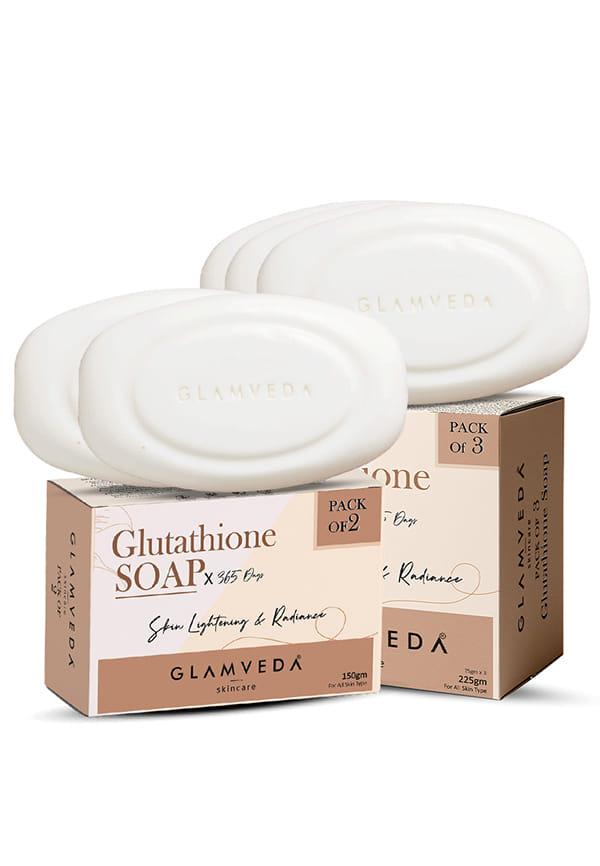
Glutathione Skin Lightening & Whitening Soap with Kojic Acid
That stubborn tan from your beach holiday or daily commute isn't budging with your regular soap, is it? You're not alone in wondering how to choose the right skin whitening soap for tan removal. With countless options promising miraculous results, finding the best soap for tan removal can feel overwhelming. The truth is, not all soaps are created equal when it comes to tackling sun-induced pigmentation. Your skin deserves a thoughtful approach that considers your skin type, the ingredients that actually work, and realistic expectations for results.
Your skin's natural response to UV exposure involves melanin production - essentially your body's way of protecting deeper skin layers from damage. When melanocytes (pigment-producing cells) go into overdrive, they create that bronzed look we call a tan. But here's what's interesting: while some tanning fades naturally as skin cells turnover, stubborn patches often linger because melanin has settled deeper into the skin layers. Regular soaps simply cleanse surface dirt and oil, but they lack the active ingredients needed for effective tan removal. Skin lightening soap for dark skin works differently - these formulations contain specific compounds that either inhibit melanin production or accelerate the natural exfoliation process. Think of it as giving your skin the tools it needs to reset its pigmentation levels. The timeline for visible results varies significantly based on how deep the tan has set and your skin's natural renewal rate. Surface-level tanning from a weekend at the beach might respond within 2-3 weeks, whilst deeper, accumulated pigmentation from months of sun exposure could take 6-8 weeks of consistent use to show meaningful improvement.
When you're scanning ingredient lists, certain compounds have proven track records for addressing pigmentation concerns. Understanding what to look for helps you make informed choices rather than falling for marketing claims.
Kojic acid stands out as one of the most researched ingredients for melanin inhibition. Derived from fungi used in sake production, it works by blocking tyrosinase - the enzyme responsible for melanin formation. Many users notice gradual lightening within 4-6 weeks of consistent use. Glycolic acid, an alpha hydroxy acid (AHA), accelerates cell turnover by gently dissolving the bonds between dead skin cells. This reveals fresher, less pigmented skin underneath whilst encouraging the natural exfoliation process. It's particularly effective for surface-level tanning. Vitamin C brings antioxidant properties to the mix, helping to neutralise free radicals that can worsen pigmentation. L-ascorbic acid and its stable derivatives like magnesium ascorbyl phosphate work to brighten existing dark spots whilst preventing new ones from forming. Arbutin, extracted from bearberry plants, offers a gentler approach to melanin inhibition. It's particularly suitable for sensitive skin types who might find kojic acid too intense. Natural papaya enzymes provide mild exfoliation, helping to slough away pigmented skin cells without harsh scrubbing.
Effective tan removal shouldn't come at the cost of skin hydration. Look for soaps that include glycerin for moisture retention, coconut oil for nourishment, and shea butter for barrier protection. These ingredients ensure your skin stays supple and healthy throughout the lightening process.
Your skin type significantly influences which soap for tanned skin will work best for you. What works brilliantly for your friend might cause irritation or insufficient results for your particular skin needs.
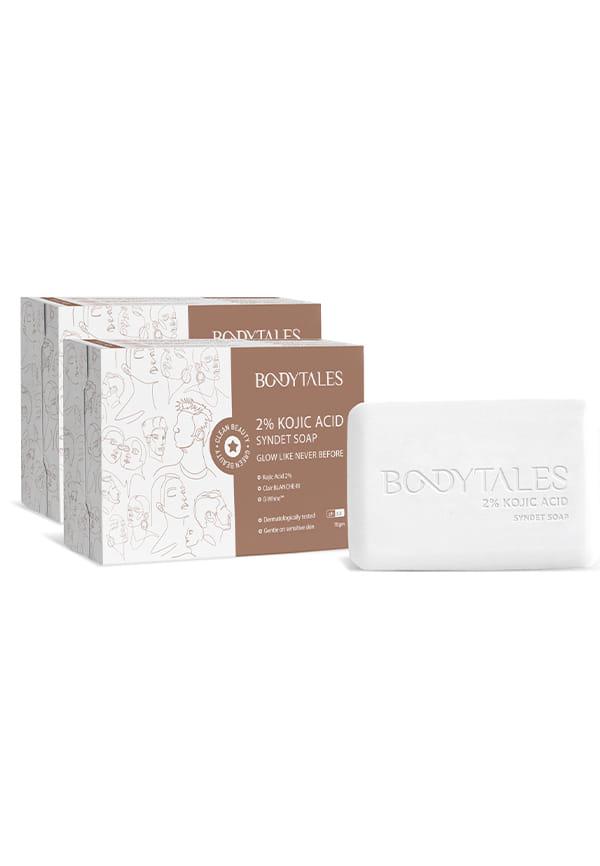
2% Kojic Acid Soap with Glutathione For Pigmentation & Sun Damage
Darker skin tones often have more active melanocytes, which means both increased sensitivity to certain ingredients and potentially longer timelines for visible results. Look for formulations with lower concentrations of active ingredients - perhaps 1-2% kojic acid rather than higher percentages. The key is consistency rather than intensity. Moisturising components become even more crucial for darker skin, as dryness can actually trigger increased pigmentation. Ingredients like ceramides and hyaluronic acid help maintain the skin barrier whilst active ingredients work on pigmentation concerns.
Natural skin whitening soap options often suit sensitive skin better than chemical-heavy formulations. Ingredients like rice bran, oatmeal, and turmeric provide gentle lightening effects without the irritation potential of stronger acids. Always patch test new products on a small area of skin before full application. Start with alternate-day use and gradually increase frequency as your skin builds tolerance.
Oily skin types can often tolerate stronger formulations, but balance remains important. Look for skin brightening soap that includes oil-controlling ingredients like salicylic acid alongside lightening compounds. This addresses both concerns without over-drying the skin.
Having the right product is only half the battle - proper application technique maximises results whilst minimising irritation risks.
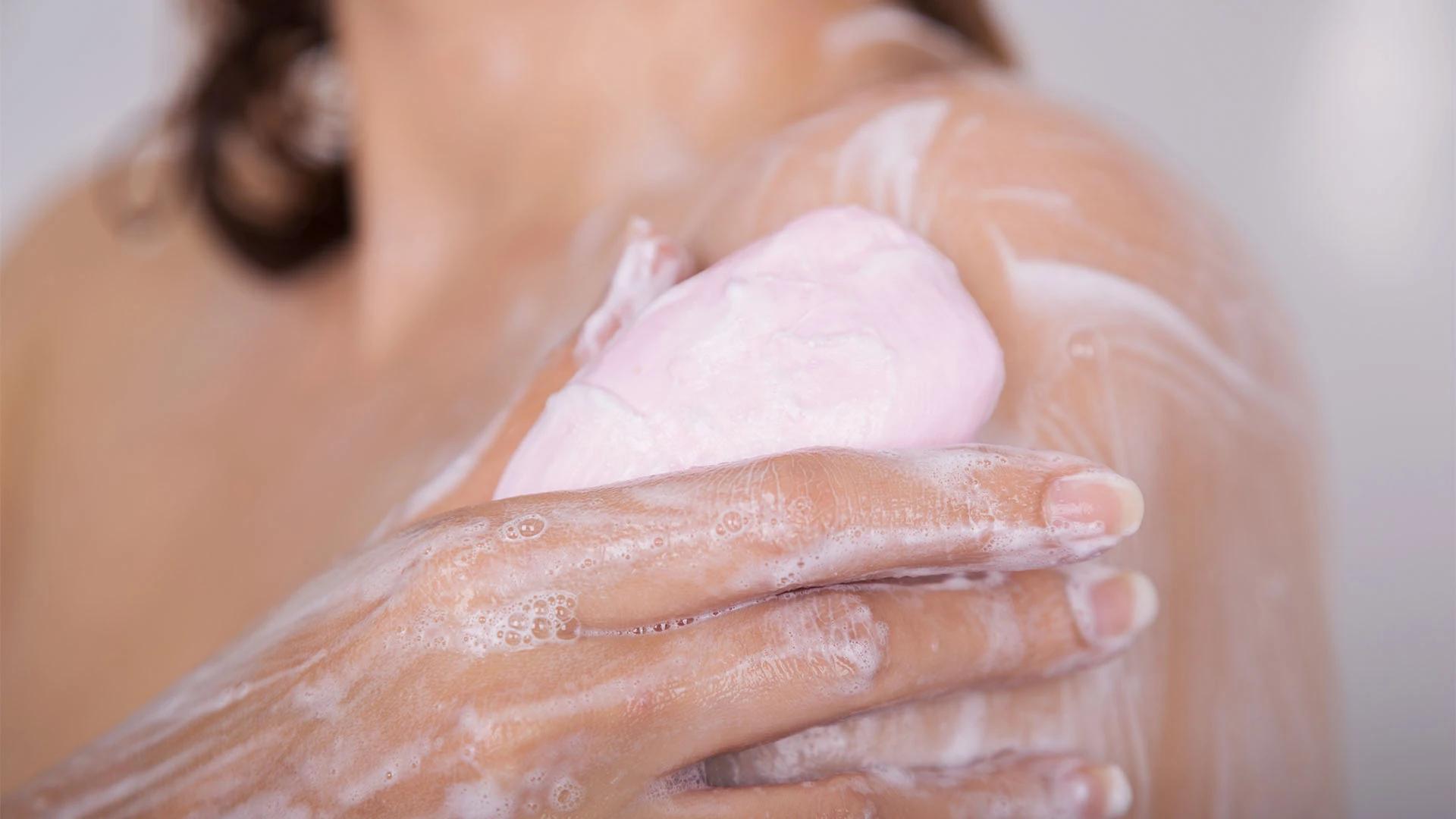
Start with clean, damp skin and work the soap into a rich lather. Allow the lather to sit on tanned areas for 1-2 minutes before rinsing - this contact time lets active ingredients penetrate effectively. For body application, focus on areas with the most stubborn tanning: shoulders, arms, and legs typically need extra attention. Frequency matters more than intensity. Daily use of a gentler formulation typically yields better results than sporadic use of a stronger product. Your skin responds better to consistent, mild encouragement rather than aggressive treatment.
Facial skin is thinner and more sensitive than body skin, so skin whitening products for face should be gentler formulations. If you're using the same soap for both face and body, reduce contact time on facial areas or dilute the lather with water. For body application, pay attention to areas that tan unevenly - elbows, knees, and ankles often hold pigmentation longer. These areas might benefit from gentle exfoliation with a soft cloth before soap application.
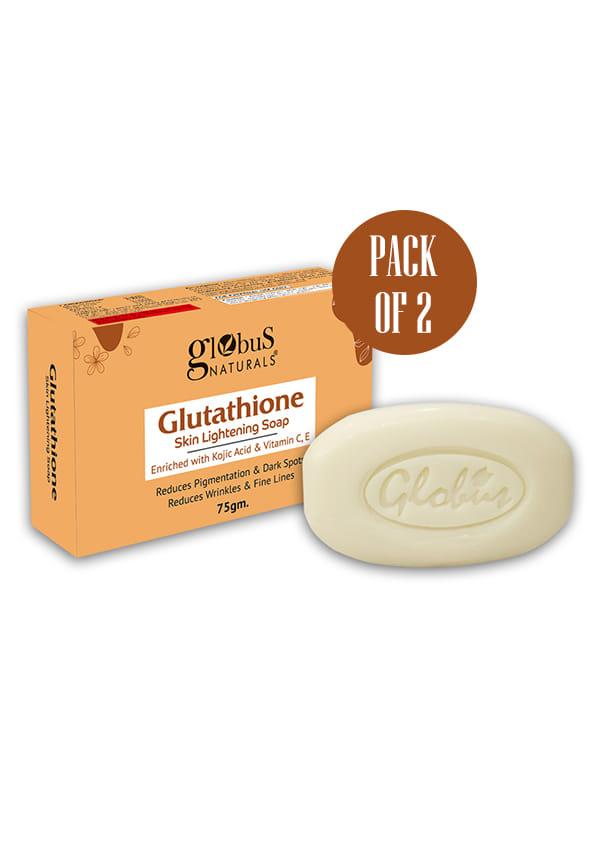
Glutathione Skin Lightening Soap Enriched with Kojic Acid & Vitamin C, E
The choice between natural and chemical approaches often comes down to your timeline expectations and skin sensitivity levels.
Plant-based ingredients offer a gentler approach that's suitable for long-term use. Turmeric provides anti-inflammatory benefits alongside mild lightening effects. Rice water contains enzymes that gently exfoliate whilst providing hydration. Oatmeal offers physical exfoliation without harsh scrubbing. The advantage of natural approaches is reduced risk of irritation and suitability for sensitive skin types. However, results typically take longer to become visible - often 8-12 weeks for noticeable improvement.
Chemical actives like kojic acid and glycolic acid typically deliver faster results, often within 4-6 weeks of consistent use. Professional-grade formulations can be particularly effective for stubborn pigmentation that hasn't responded to gentler approaches. The key is choosing products from reputable brands that use appropriate concentrations. Higher isn't always better - a well-formulated 2% kojic acid soap often outperforms a poorly formulated 5% version.
Dermatologists consistently emphasise certain principles when it comes to safe and effective tan removal.
Look for products that have undergone clinical testing and carry certifications from recognised bodies. Avoid soaps that make unrealistic claims like "removes tan in 3 days" or contain prohibited ingredients like hydroquinone in concentrations above 2%. Red flags include products with no ingredient lists, extremely low prices that seem too good to be true, or brands with no established reputation. Your skin deserves products that have been properly formulated and tested.
Sun protection becomes absolutely crucial when using any effective tan removal soap. Active ingredients can increase photosensitivity, making your skin more prone to burning and further pigmentation. Apply broad-spectrum SPF 30 or higher daily, even when indoors near windows. Moisturising after each use helps maintain skin barrier function and prevents the dryness that can actually worsen pigmentation. If you experience persistent redness, burning, or increased sensitivity, discontinue use and consult a dermatologist. Realistic expectations are essential - complete tan removal typically takes 6-12 weeks depending on the depth of pigmentation and your skin's natural renewal rate.
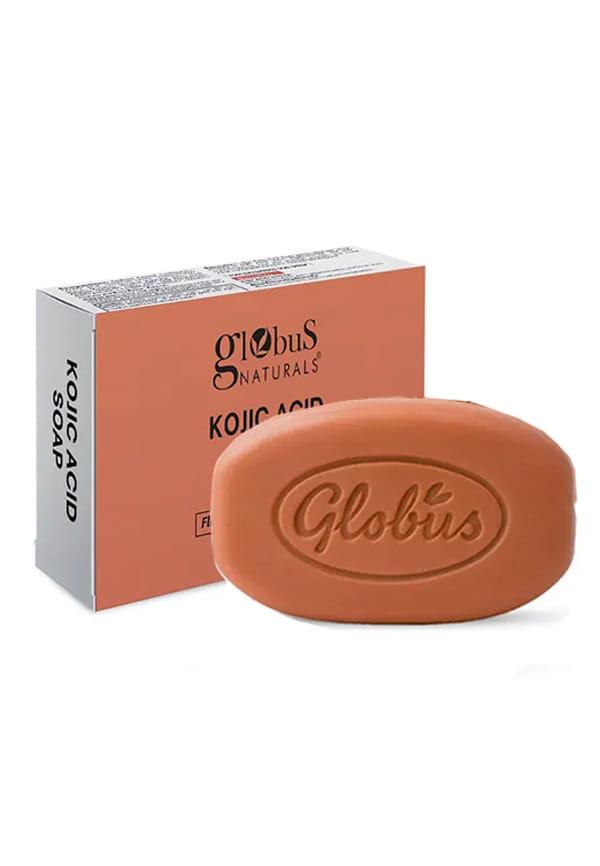
Kojic Acid Skin Brightening Soap
The best soap combines proven active ingredients like kojic acid or glycolic acid with moisturising components such as glycerin and natural oils. The ideal choice depends on your skin type, sensitivity level, and the depth of tanning you're addressing.
Surface-level tanning typically responds within 2-4 weeks of consistent use, whilst deeper pigmentation may take 6-8 weeks. Results depend on your skin's natural renewal rate, the severity of tanning, and consistent product use.
Yes, but choose gentler formulations specifically designed for facial use or reduce contact time when using body products on your face. Facial skin is more sensitive and requires careful attention to prevent irritation.
Most quality formulations are safe for daily use when used as directed. However, start with alternate-day application to assess your skin's tolerance, especially if you have sensitive skin or are new to active ingredients.
Avoid products with harsh bleaching agents, unrealistic claims, no ingredient lists, or extremely low prices. Also steer clear of soaps containing mercury, steroids, or hydroquinone above 2% concentration.
Choosing the right skin whitening soap for tan removal requires understanding your skin type, realistic timeline expectations, and commitment to consistent use. The most effective approach combines the right active ingredients with proper application techniques and diligent sun protection. Remember that healthy skin is the ultimate goal - dramatic overnight changes often come with risks that aren't worth taking. Gradual, consistent improvement with quality products will give you better long-term results whilst maintaining your skin's health and integrity. If you're curious about trying different formulations before committing to full-size products, platforms like Smytten offer an excellent way to test various options. With access to trial sizes from trusted brands, you can discover what works best for your skin without the investment risk. It's a smart approach to finding your perfect match in the world of skincare.
